Comparing Top Plant-Based Proteins: Nutritional Value & Health Benefits in 2026
Comparing Top Plant-Based Proteins: Nutritional Value & Health Benefits in 2026
The culinary landscape is continuously evolving, with a significant shift towards more sustainable and health-conscious dietary choices. In 2026, the discussion around protein intake has largely moved beyond just animal sources, with plant-based protein options taking center stage. Whether you’re a seasoned vegan, looking to reduce your meat consumption, or simply exploring healthier alternatives, understanding the nutritional nuances of different plant-based proteins is crucial. This comprehensive guide delves into a detailed plant-based protein comparison, highlighting four leading options that offer exceptional nutritional value and myriad health benefits.
As we navigate the complexities of modern nutrition, the demand for high-quality, sustainable, and ethically sourced protein continues to grow. Plant-based proteins are not just a trend; they represent a fundamental shift in how we view food, health, and our planet. From their environmental footprint to their direct impact on our well-being, these proteins offer a compelling alternative to traditional sources. But with so many options available, how do you choose the best ones? This article aims to demystify the choices, providing you with the knowledge to make informed decisions about your dietary protein.
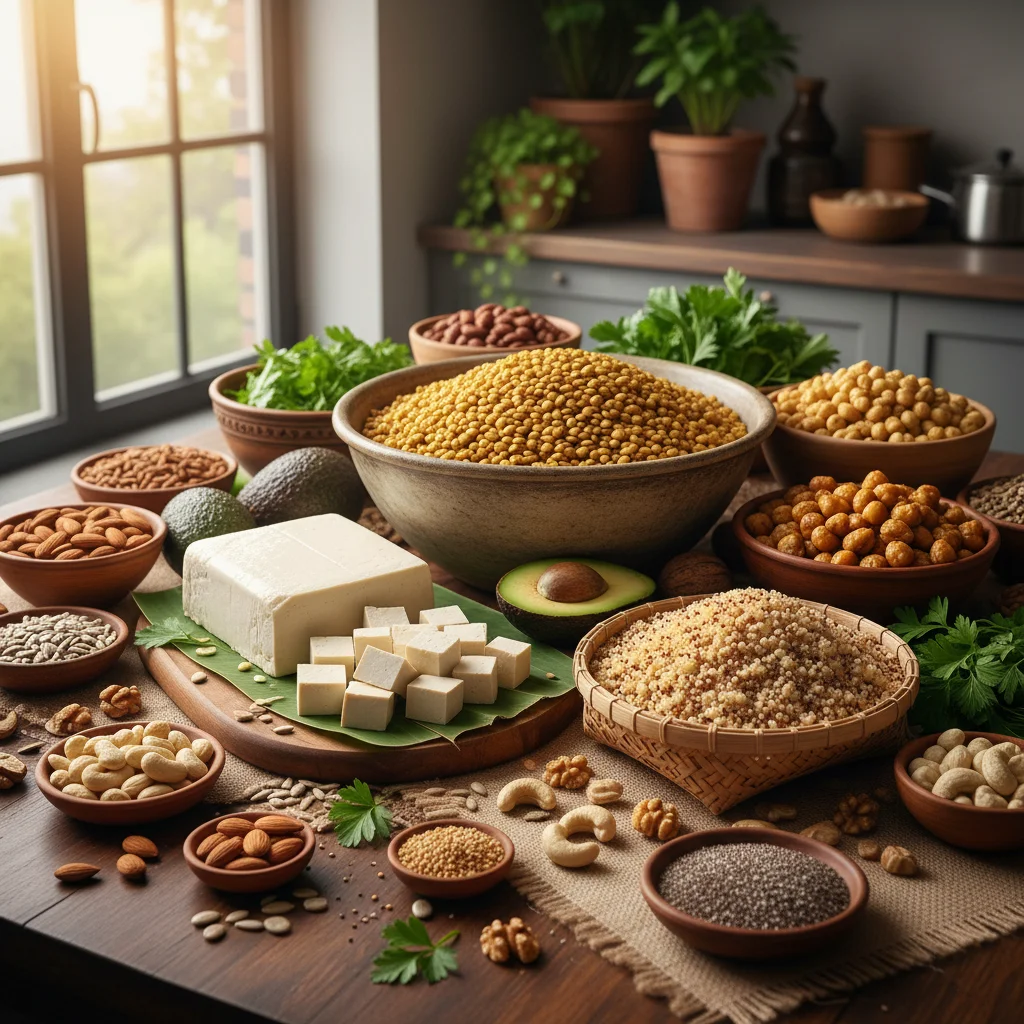
Our focus today will be on four powerhouse plant-based proteins: Lentils, Tofu (and other soy products), Quinoa, and Pea Protein. Each of these brings a unique profile of amino acids, vitamins, minerals, and other beneficial compounds to the table. We’ll explore their nutritional content, health advantages, versatility in cooking, and how they stack up against each other in terms of overall value. By the end of this deep dive, you’ll have a clear understanding of which plant-based protein options are best suited for your lifestyle and nutritional goals.
The Rise of Plant-Based Proteins: A Paradigm Shift in Nutrition
For decades, protein was almost synonymous with meat, dairy, and eggs. However, scientific research, growing environmental concerns, and ethical considerations have propelled plant-based proteins into the nutritional spotlight. The benefits extend far beyond just avoiding animal products; plant proteins often come packed with fiber, antioxidants, and essential micronutrients, while typically being lower in saturated fat and cholesterol. This makes them not only a viable alternative but often a superior choice for long-term health.
The global market for plant-based protein is experiencing unprecedented growth, with innovations continually bringing new products and improved textures to consumers. From plant-based burgers that mimic meat to protein powders that seamlessly integrate into smoothies, the accessibility and appeal of these options have never been higher. This evolution is driven by both consumer demand for healthier, more sustainable foods and by technological advancements in food science.
Understanding what constitutes a ‘complete protein’ is also vital in this discussion. A complete protein contains all nine essential amino acids that our bodies cannot produce on their own. While many animal proteins are complete, some plant proteins are also complete, and others can be combined throughout the day to ensure a full spectrum of amino acids. This comprehensive plant-based protein comparison will address these crucial aspects, ensuring you can confidently meet your protein needs.
Lentils: The Humble Legume with Mighty Protein Power
Lentils, small but mighty legumes, have been a staple in diets around the world for thousands of years. They are an incredibly versatile and affordable source of plant-based protein, making them a go-to for many health-conscious individuals and those following plant-based diets. Their ease of cooking and ability to absorb flavors make them a culinary delight.
Nutritional Profile of Lentils
A single cup of cooked lentils (approximately 198 grams) provides:
- Protein: About 18 grams, making them an excellent source for muscle repair and growth.
- Fiber: Roughly 15-16 grams, contributing significantly to digestive health and satiety. This high fiber content is one of the key differentiators in our plant-based protein comparison.
- Carbohydrates: Approximately 40 grams, primarily complex carbohydrates that provide sustained energy.
- Fats: Very low, less than 1 gram.
- Vitamins and Minerals: Rich in folate, manganese, iron, phosphorus, thiamine, and potassium. The iron content is particularly important for plant-based diets, though it’s non-heme iron, which is best absorbed with Vitamin C.
While not a complete protein on their own (they are typically low in methionine), lentils can easily be combined with grains like rice or quinoa to form a complete amino acid profile throughout the day. This makes them an incredibly flexible component of a balanced diet.
Health Benefits of Lentils
- Heart Health: The soluble fiber in lentils helps lower cholesterol levels, reducing the risk of heart disease. Potassium also aids in blood pressure regulation.
- Blood Sugar Control: Their low glycemic index and high fiber content help stabilize blood sugar, beneficial for managing and preventing type 2 diabetes.
- Digestive Health: The abundant fiber promotes regular bowel movements and supports a healthy gut microbiome.
- Weight Management: High protein and fiber content contribute to feelings of fullness, potentially aiding in weight loss or maintenance.
- Cancer Prevention: Lentils contain various beneficial plant compounds, including polyphenols, which have antioxidant and anti-inflammatory properties that may protect against chronic diseases, including certain cancers.
Culinary Versatility
Lentils come in various types – green, brown, red, black (Beluga) – each with slightly different textures and cooking times. They can be used in a multitude of dishes:
- Soups and stews
- Curries and dahls
- Salads (especially green and black lentils)
- Veggie burgers and meatloaf alternatives
- Side dishes
Their ability to take on the flavors of spices and herbs makes them an invaluable ingredient in diverse cuisines. This adaptability further cements their position as a top contender in our plant-based protein comparison.
Tofu and Other Soy Products: The Versatile Protein Powerhouse
Soy-based products, particularly tofu, have been a cornerstone of East Asian diets for centuries and are now globally recognized as a premier source of plant-based protein. Tofu is made from condensed soy milk that is pressed into solid white blocks, a process similar to cheesemaking. Its neutral flavor and ability to absorb marinades make it incredibly versatile.
Nutritional Profile of Tofu
A 100-gram serving of firm tofu typically offers:
- Protein: Around 8-10 grams, and importantly, tofu is a complete protein, containing all nine essential amino acids. This is a significant advantage in our plant-based protein comparison.
- Fats: About 5 grams, mostly unsaturated fats, including beneficial omega-3 fatty acids.
- Carbohydrates: Low, typically 2-3 grams.
- Fiber: About 1 gram.
- Vitamins and Minerals: An excellent source of calcium (especially if coagulated with calcium sulfate), manganese, selenium, phosphorus, copper, and magnesium.
Beyond tofu, other soy products like tempeh (fermented soybeans) and edamame (immature soybeans) also offer similar impressive nutritional profiles. Tempeh, being fermented, often provides additional probiotic benefits.
Health Benefits of Tofu and Soy Products
- Heart Health: Soy protein has been shown to help lower LDL (‘bad’) cholesterol and triglycerides. It also contains isoflavones, which may improve arterial elasticity.
- Bone Health: Calcium-set tofu is a significant source of calcium, crucial for maintaining strong bones and preventing osteoporosis.
- Cancer Prevention: Research on soy and cancer is complex, but some studies suggest that regular consumption of whole soy foods may reduce the risk of certain hormone-related cancers, such as breast and prostate cancer, particularly when consumed earlier in life. The isoflavones in soy are believed to play a role.
- Menopausal Symptom Relief: Isoflavones in soy are phytoestrogens, which can weakly mimic estrogen in the body and may help alleviate hot flashes and other menopausal symptoms for some women.
- Blood Sugar Management: Soy products have a low glycemic index and can be beneficial for individuals with diabetes or those looking to manage blood sugar levels.
Culinary Versatility
Tofu’s mild flavor is its superpower, allowing it to be incorporated into an astonishing array of dishes:
- Stir-fries and curries
- Scrambles (as a vegan egg substitute)
- Baked, grilled, or fried as a main course
- Smoothies (silken tofu adds creaminess and protein)
- Desserts (silken tofu for creamy puddings and cheesecakes)
Tempeh offers a firmer, nuttier texture and is excellent for grilling, crumbling into sauces, or making ‘bacon’ strips. Edamame is perfect as a snack, in salads, or as a side dish. The sheer adaptability of soy products makes them an indispensable part of a plant-based protein diet.
Quinoa: The Ancient Grain with Complete Protein Power
Quinoa (pronounced ‘KEEN-wah’) is often referred to as an ancient grain, but botanically, it’s a pseudocereal, related to spinach and beets. Originating from the Andean region of South America, it has been cultivated for thousands of years and was considered sacred by the Incas. Today, it’s celebrated globally for its exceptional nutritional profile, particularly its status as a complete protein.
Nutritional Profile of Quinoa
One cup of cooked quinoa (approximately 185 grams) provides:
- Protein: Around 8 grams, and significantly, it’s one of the few plant foods that is a complete protein, containing all nine essential amino acids in good proportions. This makes it a standout in our plant-based protein comparison.
- Fiber: About 5 grams, aiding digestion and promoting satiety.
- Carbohydrates: Approximately 39 grams, primarily complex carbohydrates for sustained energy.
- Fats: About 3.5 grams, mostly healthy unsaturated fats.
- Vitamins and Minerals: Rich in manganese, magnesium, phosphorus, folate, copper, iron, zinc, and potassium. It also contains small amounts of calcium and B vitamins.
Quinoa is also naturally gluten-free, making it an excellent choice for individuals with celiac disease or gluten sensitivity.
Health Benefits of Quinoa
- Complete Protein Source: As mentioned, its complete amino acid profile is crucial for muscle repair, growth, and overall bodily functions, especially for those on plant-based protein diets.
- High in Fiber: The insoluble and soluble fiber content supports digestive health, helps regulate blood sugar, and contributes to feelings of fullness.
- Rich in Antioxidants: Quinoa contains powerful antioxidants like quercetin and kaempferol, which help fight oxidative stress and inflammation in the body.
- Mineral-Rich: Its high mineral content, particularly magnesium and manganese, plays vital roles in bone health, energy production, and antioxidant defense.
- Gluten-Free: A safe and nutritious grain alternative for those avoiding gluten.
Culinary Versatility
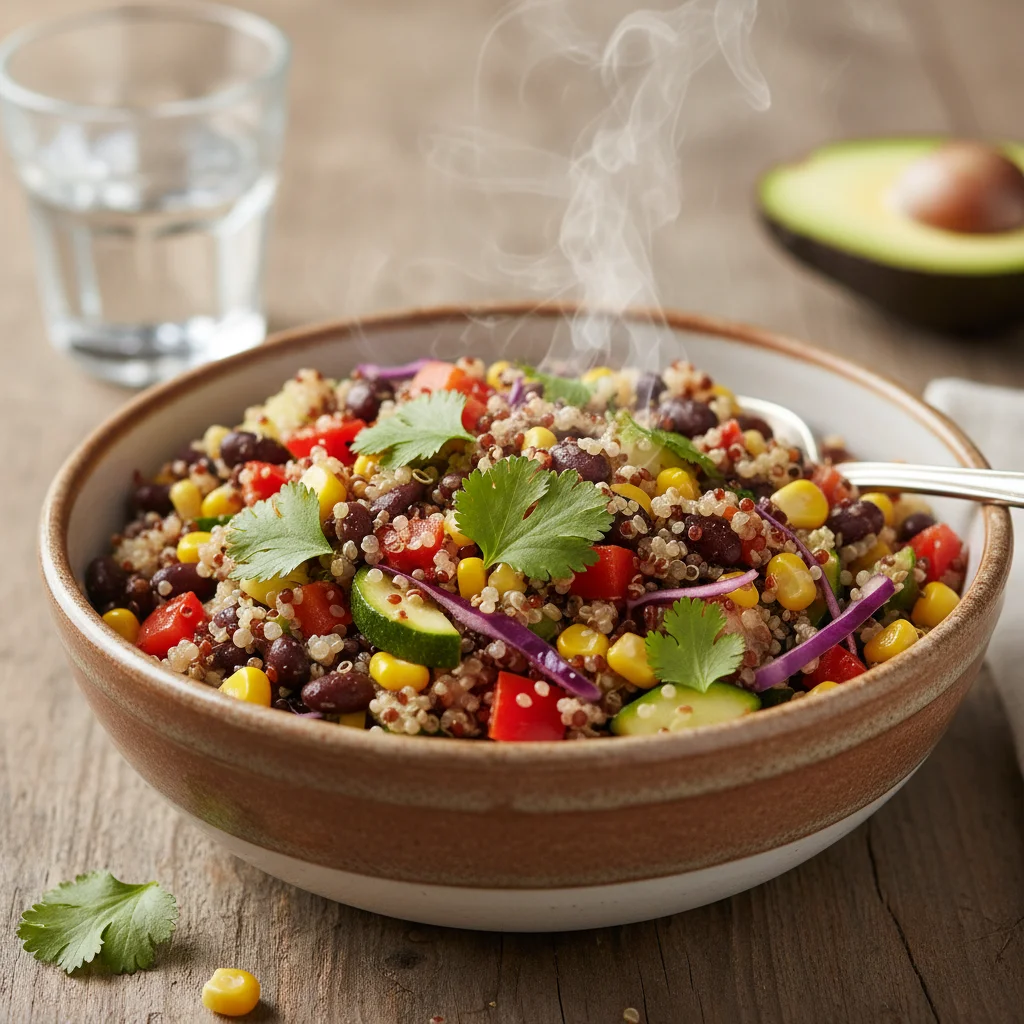
Quinoa has a slightly nutty flavor and a fluffy, yet slightly chewy texture when cooked. It’s incredibly versatile and can be used in both savory and sweet dishes:
- As a side dish instead of rice or couscous
- In salads, adding texture and protein
- For breakfast porridge, similar to oatmeal
- As a base for veggie burgers or stuffed vegetables
- In soups and stews for added substance and nutrition
Its quick cooking time (usually around 15-20 minutes) also adds to its appeal for busy individuals seeking nutritious plant-based protein options.
Pea Protein: The Modern Protein Powder Champion
Pea protein is a relatively newer player in the mainstream plant-based protein market, but it has rapidly gained popularity, especially among athletes, vegans, and those with allergies to soy or dairy. It’s typically made from yellow split peas, where the protein is extracted and isolated to create a concentrated powder.
Nutritional Profile of Pea Protein
The nutritional content can vary slightly between brands, but a standard 20-25 gram serving of pea protein powder typically contains:
- Protein: 15-20 grams, making it a highly concentrated protein source. While not a complete protein on its own (it’s lower in methionine), it has an excellent amino acid profile, particularly rich in branched-chain amino acids (BCAAs) like leucine, isoleucine, and valine, which are crucial for muscle synthesis. Many brands fortify their pea protein with methionine to make it a complete protein, an important factor in our plant-based protein comparison.
- Carbohydrates: Very low, often 1-2 grams.
- Fats: Very low, typically less than 1 gram.
- Fiber: Usually 0-1 gram, as it’s an isolate.
- Vitamins and Minerals: May contain iron and other trace minerals depending on processing.
Pea protein is hypoallergenic, meaning it’s free from common allergens like dairy, soy, gluten, and nuts, making it a safe choice for a wide range of individuals.
Health Benefits of Pea Protein
- Muscle Growth and Repair: Its high BCAA content, especially leucine, makes it highly effective for stimulating muscle protein synthesis, comparable to whey protein for muscle building.
- Weight Management: High protein content promotes satiety and can help reduce overall calorie intake, supporting weight loss or maintenance efforts.
- Heart Health: Studies suggest pea protein may help lower blood pressure and cholesterol levels.
- Kidney Health: Unlike some animal proteins, pea protein has been shown to be kidney-friendly and may even have protective effects for individuals with kidney issues.
- Easy Digestion: It’s generally well-digested and absorbed, causing less bloating or discomfort compared to some other protein powders.
Culinary Versatility
Pea protein powder is primarily used as a supplement to boost protein intake, particularly convenient for those with active lifestyles:
- Smoothies and shakes
- Baked goods (muffins, pancakes, protein bars)
- Oatmeal or yogurt mix-ins
- Soups and sauces (to thicken and add protein)
Its relatively neutral taste makes it blend well with other flavors, although some brands have a slightly earthy or ‘pea’ flavor that can be masked with strong fruits or spices. Its convenience and concentrated protein make it a powerful tool in any plant-based protein strategy.

Which Plant-Based Protein is Best for You? A Comparative Analysis
Now that we’ve explored each of these fantastic plant-based protein options in detail, let’s put them side-by-side for a clearer comparison. The ‘best’ protein ultimately depends on your individual needs, dietary preferences, and health goals.
Complete Protein Status
- Tofu/Soy Products: Complete protein.
- Quinoa: Complete protein.
- Lentils: Incomplete (low in methionine), but easily made complete when paired with grains.
- Pea Protein: Incomplete (low in methionine) unless fortified; however, its BCAA profile is excellent for muscle building.
For those strictly adhering to a plant-based protein diet and concerned about complete protein intake at every meal, tofu and quinoa offer direct solutions. For lentils and pea protein, simple food combining or ensuring a varied diet throughout the day will suffice.
Fiber Content
- Lentils: Extremely high (15-16g per cup).
- Quinoa: High (5g per cup).
- Tofu/Soy Products: Moderate (1g per 100g).
- Pea Protein: Very low (0-1g per serving).
If digestive health and satiety are top priorities, lentils and quinoa are clear winners. Pea protein, being an isolate, sacrifices fiber for protein concentration, which might be desirable for specific goals like muscle recovery without bulk.
Micronutrient Density
- Lentils: Excellent source of folate, iron, manganese, phosphorus.
- Tofu/Soy Products: Excellent source of calcium (if fortified), manganese, selenium, phosphorus, copper.
- Quinoa: Excellent source of manganese, magnesium, phosphorus, folate, iron, zinc.
- Pea Protein: Lower in micronutrients compared to whole food sources, though some brands may add vitamins/minerals.
Whole food plant-based protein options like lentils, tofu, and quinoa naturally come with a rich array of vitamins and minerals, offering more holistic nutrition. Pea protein’s strength lies in its concentrated protein delivery.
Allergen Profile
- Lentils: Generally low allergen, though some individuals may have legume allergies.
- Tofu/Soy Products: A common allergen (soy).
- Quinoa: Naturally gluten-free and generally low allergen.
- Pea Protein: Hypoallergenic, free from common allergens like dairy, soy, gluten, and nuts.
For individuals with allergies, pea protein and quinoa are particularly safe bets. Those with soy allergies will naturally avoid tofu and other soy products.
Versatility and Convenience
- Lentils: Highly versatile in cooking, but require cooking time.
- Tofu/Soy Products: Extremely versatile, can be used in many forms, some requiring cooking, others minimal prep.
- Quinoa: Versatile, quick to cook.
- Pea Protein: Most convenient for quick protein boosts, primarily in powder form.
If you’re looking for whole food options that integrate seamlessly into meals, lentils, tofu, and quinoa shine. For on-the-go nutrition or post-workout recovery, pea protein is unmatched in convenience.
Integrating Plant-Based Proteins into Your Diet
The beauty of these plant-based protein options is their adaptability. You don’t have to choose just one; incorporating a variety will ensure you get a broad spectrum of nutrients and amino acids. Here are some practical tips for integrating them into your daily diet:
- Breakfast: Add quinoa to your morning oatmeal, scramble tofu with vegetables, or blend pea protein into a fruit smoothie.
- Lunch: Enjoy a hearty lentil soup, a quinoa salad with roasted vegetables, or a tofu wrap.
- Dinner: Create a lentil curry, a tofu stir-fry, or use quinoa as a base for a Buddha bowl.
- Snacks: Roasted edamame, lentil crackers, or a pea protein bar are great choices.
Remember that variety is the spice of life and the key to comprehensive nutrition. By rotating your plant-based protein sources, you’re more likely to meet all your macro and micronutrient needs.
Addressing Common Concerns About Plant-Based Proteins
Despite their growing popularity, some common misconceptions and concerns about plant-based protein diets persist. Let’s address a few:
Are Plant Proteins as Effective for Muscle Building as Animal Proteins?
Absolutely. Research, including studies on pea protein, shows that plant proteins can be just as effective as animal proteins for muscle growth and repair, especially when consumed in adequate amounts and with a focus on a varied diet to ensure all essential amino acids are met. Athletes on plant-based diets successfully build and maintain muscle mass.
What About Iron and B12 on a Plant-Based Diet?
While iron from plant sources (non-heme iron) is less readily absorbed than heme iron from animal products, it can still be effectively utilized. Pairing iron-rich plant foods like lentils and quinoa with Vitamin C sources (e.g., bell peppers, citrus fruits) significantly enhances absorption. Vitamin B12 is the only vitamin not reliably found in plant foods and requires supplementation for those on strict plant-based diets.
Do Plant Proteins Cause Digestive Issues?
Some individuals may experience digestive discomfort initially due to the higher fiber content of many plant-based proteins, especially legumes. However, this often subsides as the body adjusts. Soaking and sprouting legumes can also improve digestibility. Pea protein, being an isolate, is generally very easy to digest.
The Future of Plant-Based Proteins in 2026 and Beyond
Looking ahead to 2026, the landscape of plant-based protein is only set to expand further. Innovations in food technology are constantly introducing new sources and improving existing ones. We can expect to see more novel protein sources like fungi-based proteins, algae, and even lab-grown proteins derived from plant cells. The focus will remain on sustainability, nutritional density, and sensory experience, making plant-based options even more appealing and accessible to a wider audience.
Consumers are becoming increasingly educated about the environmental impact of their food choices. The lower carbon footprint and reduced water usage associated with most plant-based proteins make them a compelling choice for those looking to eat more sustainably. This, combined with the undeniable health benefits, ensures that plant-based proteins will continue to be a dominant force in the food industry.
Conclusion: Embracing Diverse Plant-Based Protein for Optimal Health
In conclusion, the world of plant-based protein in 2026 offers an exciting array of nutritious, delicious, and sustainable options. Our plant-based protein comparison has highlighted the unique strengths of lentils, tofu/soy products, quinoa, and pea protein, each bringing distinct advantages to your diet.
Lentils provide an incredible fiber and mineral boost, perfect for heart and digestive health. Tofu and soy products offer a complete protein with bone-strengthening calcium and potential cancer-protective benefits. Quinoa stands out as a complete, gluten-free grain packed with vital minerals and antioxidants. And pea protein delivers a concentrated, hypoallergenic protein punch ideal for muscle building and convenience.
There’s no single ‘best’ option; rather, the optimal strategy involves incorporating a diverse range of these proteins into your diet. By doing so, you can ensure a comprehensive intake of essential amino acids, vitamins, minerals, and fiber, all while enjoying the myriad health and environmental benefits that plant-based protein has to offer. Make 2026 the year you fully embrace the power and versatility of plant-based nutrition, transforming your health one delicious meal at a time.