Meal Kit Services 2026: Cost, Convenience & Value Comparison
In our increasingly fast-paced world, the quest for convenient yet healthy meal solutions has led to an explosion in the popularity of meal kit services. Gone are the days when dinner meant either a lengthy cooking session from scratch or a less-than-nutritious takeout option. Today, meal kit services offer a compelling middle ground, delivering pre-portioned ingredients and easy-to-follow recipes right to your doorstep. But with so many options flooding the market, how do you choose the best one for your lifestyle, dietary needs, and budget? This comprehensive guide delves into the world of meal kit services in 2026, comparing the top contenders on cost, convenience, nutritional value, and overall user experience.
The landscape of meal kit services is constantly evolving. Companies are innovating with new recipes, catering to increasingly specific dietary requirements, and striving to improve sustainability. Whether you’re a busy professional, a parent juggling multiple responsibilities, or simply someone looking to expand your culinary repertoire without the hassle of meal planning and grocery shopping, there’s a meal kit out there for you. Our goal is to equip you with all the information you need to make an informed decision, ensuring your weeknight dinners are not only delicious but also align with your financial and health goals.
The Rise of Meal Kit Services: Why the Hype?
The appeal of meal kit services is multifaceted. For many, the primary draw is convenience. Imagine eliminating the dreaded grocery store trip, the endless scrolling for recipe ideas, and the inevitable food waste from unused ingredients. Meal kit services streamline the entire cooking process, making healthy home-cooked meals more accessible than ever before. This convenience is particularly valuable for individuals and families with demanding schedules, allowing them to enjoy nutritious dinners without sacrificing precious time.
Beyond convenience, meal kit services also offer an opportunity for culinary exploration. Many services feature a rotating menu of diverse cuisines and innovative recipes that users might not typically attempt on their own. This exposure to new flavors and cooking techniques can reignite a passion for cooking and add excitement to daily meals. Furthermore, the pre-portioned ingredients help with portion control, which can be beneficial for those managing their weight or simply aiming for a balanced diet. The detailed nutritional information provided by most meal kit services also empowers consumers to make healthier choices.
Another significant advantage is the reduction of food waste. With precisely measured ingredients, you only get what you need for each recipe, minimizing the likelihood of forgotten produce wilting in the back of the refrigerator. This not only saves money in the long run but also contributes to a more sustainable household. As environmental consciousness grows, the reduced food waste aspect of meal kit services becomes an increasingly attractive feature for many consumers.
Understanding the Different Types of Meal Kit Services
Before diving into specific comparisons, it’s important to understand that not all meal kit services are created equal. They generally fall into a few categories:
- Classic Meal Kits: These are the most common type, delivering pre-portioned raw ingredients and step-by-step recipe cards. You do the cooking from start to finish. Examples include HelloFresh and Blue Apron.
- Pre-Prepped Meal Kits: These kits take convenience a step further by including some pre-chopped vegetables, pre-marinated meats, or pre-made sauces. They reduce prep time significantly, making them ideal for ultra-busy individuals.
- Ready-to-Eat Meals: While technically not traditional meal kits as they require no cooking, many companies that offer meal kits also provide fully cooked, heat-and-eat options. These are perfect for those nights when even 15 minutes of cooking is too much.
- Specialty Meal Kits: These cater to specific dietary needs, such as vegan, vegetarian, gluten-free, keto, paleo, or allergen-friendly diets. Services like Green Chef often fall into this category.
Our focus in this article will primarily be on classic and pre-prepped meal kit services, as they represent the core of the meal kit market and offer the most engaging cooking experience.
Key Factors to Consider When Choosing Meal Kit Services
Selecting the right meal kit service involves more than just picking the one with the prettiest pictures. Several critical factors should influence your decision:
1. Cost and Value for Money
The price per serving is often the first thing people look at. Meal kit services can range from budget-friendly to premium, with prices typically falling between $7 and $15 per serving, sometimes more for gourmet or specialty options. However, it’s crucial to look beyond the raw price. Consider what’s included: are the ingredients organic? Is the protein high-quality? Are there hidden shipping fees? Sometimes, a slightly higher price per serving can offer better value if the ingredients are superior or the recipes are more elaborate and satisfying. Always calculate the total weekly cost, including any add-ons or delivery charges, to get a true picture of the expense.
2. Convenience and Preparation Time
The whole point of meal kit services is convenience, but the level of convenience varies. Some kits require significant chopping and cooking time (30-45 minutes), while others are designed for quick preparation (15-20 minutes). If you have very limited time on weeknights, opt for services known for their quick-prep meals or those offering pre-chopped ingredients. Read reviews and look for indications of actual cooking times, as advertised times can sometimes be optimistic.
3. Dietary Needs and Preferences
This is a non-negotiable factor for many. Whether you’re vegetarian, vegan, gluten-free, keto, paleo, or have allergies, ensure the meal kit service offers suitable options. Check how extensive their menu is for your specific needs. Do they offer just one or two suitable meals per week, or a wide variety? Look for services that clearly label allergens and provide detailed ingredient lists. Some services specialize in particular diets, offering more robust and creative options in those categories.
4. Recipe Variety and Customization
Will you get bored with the menu? Good meal kit services offer a rotating selection of recipes to keep things interesting. Consider the range of cuisines, the complexity of dishes, and whether you can easily swap out proteins or sides if desired. Some services allow you to customize meals, for example, by adding extra protein or upgrading to organic meat. This flexibility can significantly enhance your experience.
5. Ingredient Quality and Sourcing
The quality of ingredients directly impacts the taste and nutritional value of your meals. Look for meal kit services that prioritize fresh, high-quality produce, sustainably sourced meats and seafood, and organic options if that’s important to you. Transparency in sourcing is a good indicator of a company’s commitment to quality. Some services highlight their partnerships with local farms or their use of antibiotic-free meats, which can be a significant differentiator.
6. Packaging and Sustainability
A common concern with meal kit services is the amount of packaging. While most companies are making strides to use recyclable, compostable, or reusable materials, there’s still variation. If environmental impact is a key consideration for you, research the company’s sustainability practices. Do they offer packaging return programs? What percentage of their packaging is truly eco-friendly? This can be a deciding factor for environmentally conscious consumers.

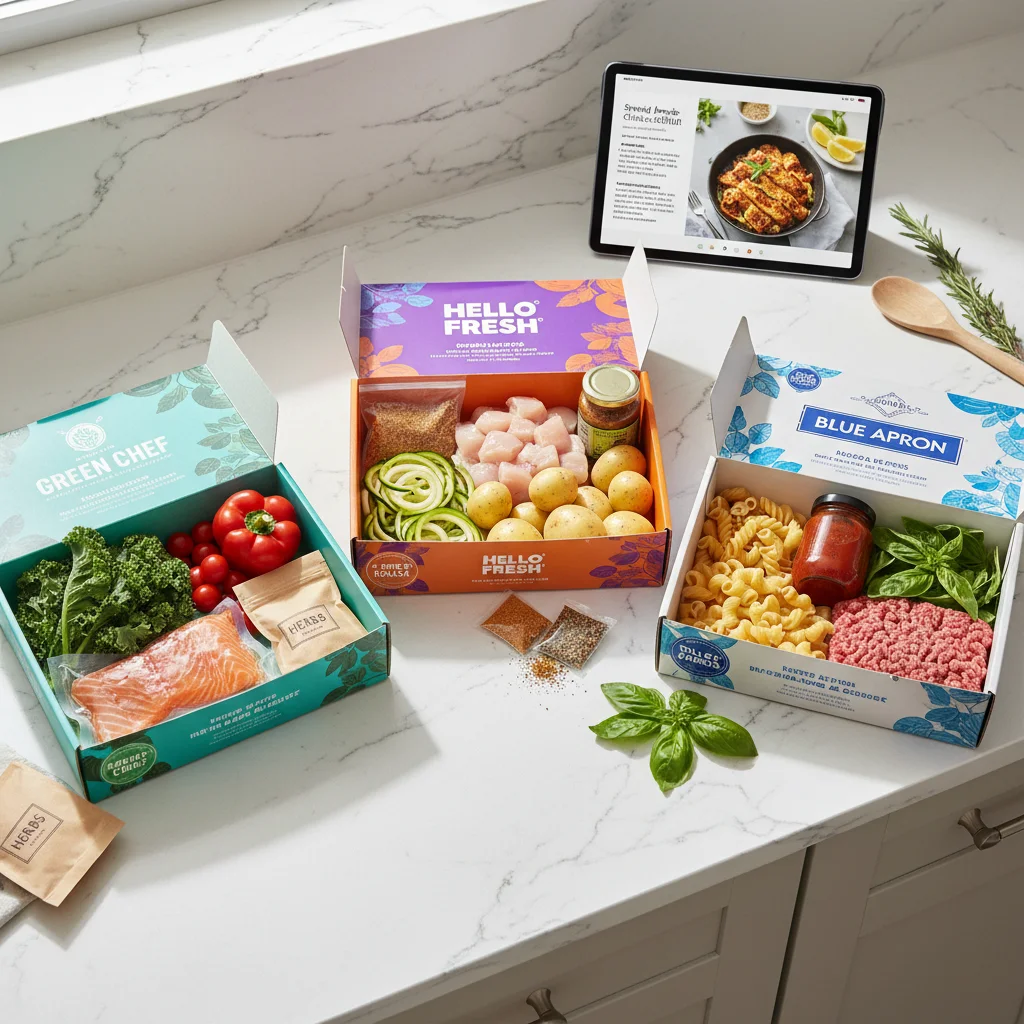
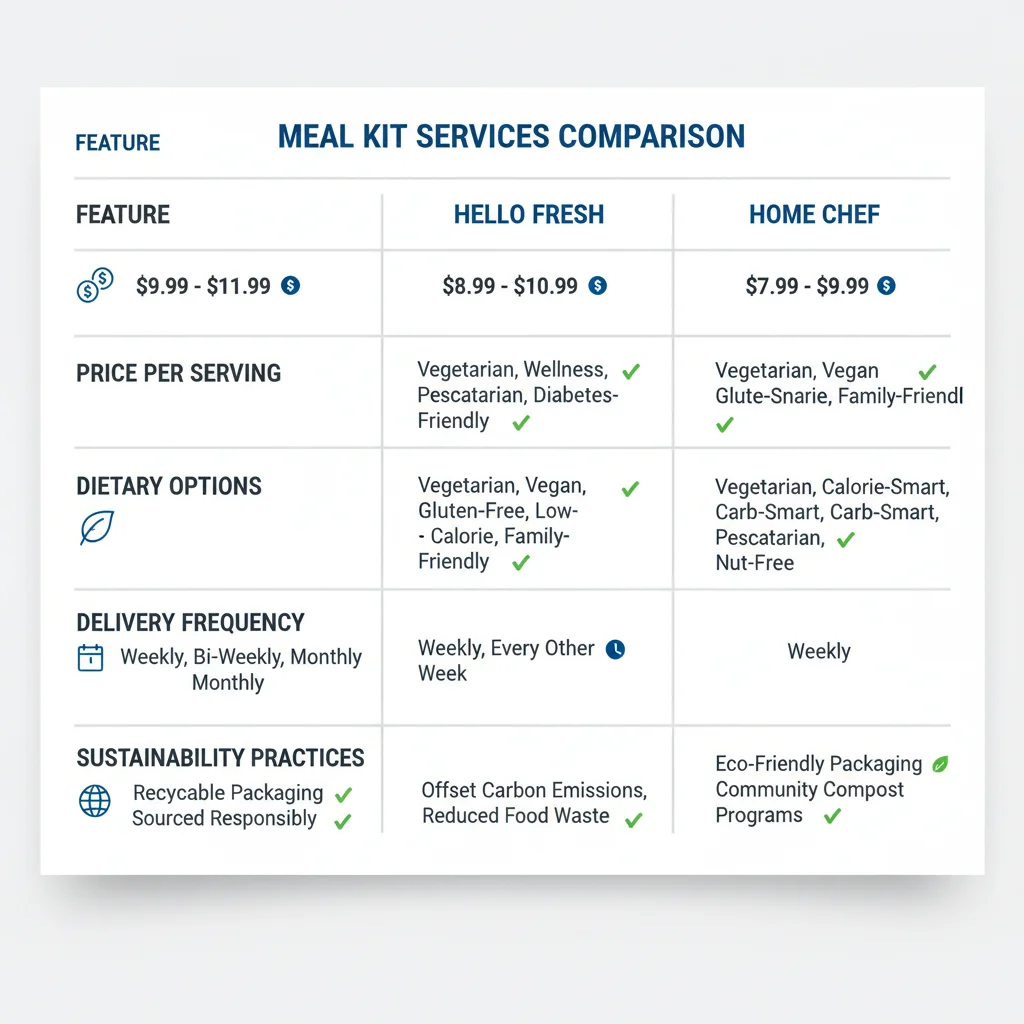
Comparing 3 Popular Meal Kit Services for Weeknight Dinners in 2026
Let’s dive into a detailed comparison of three leading meal kit services that consistently rank high in popularity and user satisfaction. For this comparison, we’ll focus on their offerings for a typical weeknight dinner scenario in 2026.
1. HelloFresh: The Crowd-Pleaser
HelloFresh remains one of the most popular meal kit services globally, known for its diverse menu and user-friendly experience.
- Cost: Typically ranges from $8.99 to $10.99 per serving, depending on the plan size and number of meals. Shipping costs are usually around $8.99 per box. They frequently offer introductory discounts.
- Convenience: Recipes are generally easy to follow, with clear instructions and estimated cooking times ranging from 30-45 minutes. They offer a good balance of classic comfort foods and more adventurous dishes. Pre-portioned ingredients minimize prep work.
- Dietary Options: Offers a wide range of meal preferences including ‘Meat & Veggies’, ‘Veggie’, ‘Family Friendly’, ‘Fit & Wholesome’, ‘Quick & Easy’, and ‘Pescetarian’. While they don’t cater to highly specialized diets like keto or paleo directly, their ‘Fit & Wholesome’ options are often lower in calories and carbs. Allergens are clearly listed, but cross-contamination is a possibility.
- Recipe Variety: Excellent variety with over 25 recipes to choose from each week, spanning various cuisines from around the world. The menu rotates frequently, keeping things fresh.
- Ingredient Quality: Generally good quality, fresh ingredients. They focus on delivering fresh produce and quality proteins. While not exclusively organic, quality is consistent.
- Packaging: Uses mostly recyclable packaging, including cardboard boxes and plastic containers for smaller items. They are working towards more sustainable solutions.
- Ideal For: Busy families, couples, and individuals looking for varied, easy-to-cook meals without extensive dietary restrictions. Great for those new to meal kits.
2. Blue Apron: The Culinary Explorer’s Choice
Blue Apron was one of the pioneers in the meal kit services industry and continues to appeal to those who enjoy a more gourmet cooking experience.
- Cost: Slightly higher, usually $9.99 to $11.99 per serving, with similar shipping costs. They also offer competitive introductory deals.
- Convenience: Recipes tend to be a bit more involved than HelloFresh, often taking 35-50 minutes to prepare. They focus on teaching culinary techniques. Instructions are detailed and well-illustrated.
- Dietary Options: Offers ‘Chef Favorites’, ‘Wellness’, ‘Family Friendly’, and ‘Vegetarian’ plans. They have introduced more options for carb-conscious and Mediterranean-inspired meals. Their focus is more on balanced, wholesome eating rather than strict dietary categories, though vegetarian options are robust.
- Recipe Variety: Features a rotating menu of about 12-16 recipes weekly, often with unique ingredients and more sophisticated flavor profiles. They often collaborate with celebrity chefs.
- Ingredient Quality: Known for high-quality, often artisanal ingredients, including antibiotic-free meats and sustainably sourced seafood. They emphasize unique ingredients you might not find in a regular grocery store.
- Packaging: Uses mostly recyclable materials, including insulation liners designed for recycling.
- Ideal For: Home cooks who enjoy learning new techniques, experimenting with unique ingredients, and don’t mind spending a bit more time in the kitchen for a more gourmet result.
3. Green Chef: The Health & Specialty Diet Specialist
Green Chef stands out among meal kit services for its strong focus on organic ingredients and specialized dietary plans.
- Cost: On the higher end, typically $11.99 to $13.49 per serving, reflecting the organic and specialized nature of ingredients. Shipping is usually around $9.99.
- Convenience: Offers a mix of preparation times, with many meals designed for 25-35 minutes, thanks to some pre-prepped components (e.g., pre-made sauces, pre-chopped vegetables). Recipes are clear and manageable.
- Dietary Options: This is where Green Chef shines. They offer certified organic meal plans for Keto + Paleo, Vegan, Vegetarian, Mediterranean, Gluten-Free, and Protein-Packed. This makes them an excellent choice for those with specific dietary needs.
- Recipe Variety: Offers a good selection of 9-12 recipes per week per dietary plan. While the overall number might seem lower than HelloFresh, the variety within each specialized diet is excellent and well-curated.
- Ingredient Quality: A major selling point is their commitment to certified organic ingredients, sustainably sourced proteins, and fresh produce. This is reflected in the taste and nutritional value.
- Packaging: Emphasizes eco-friendly packaging, with many components being recyclable, compostable, or made from recycled materials. They provide clear instructions on how to dispose of packaging responsibly.
- Ideal For: Individuals and families strictly adhering to specific diets (keto, paleo, vegan, gluten-free) who prioritize organic ingredients and don’t mind paying a premium for quality and specialized options.
Beyond the Big Three: Other Meal Kit Services to Consider
While HelloFresh, Blue Apron, and Green Chef are prominent players, the market for meal kit services is vast. Depending on your specific needs, you might also explore:
- Home Chef: Known for its highly customizable menu, allowing users to swap proteins, double portions, or choose oven-ready meals. Good for families with varied preferences.
- Sunbasket: Focuses on organic ingredients and offers a wide array of dietary plans, similar to Green Chef, but often with more globally inspired recipes.
- EveryPlate: A more budget-friendly option, offering simpler, hearty meals at a lower price point, ideal for those looking to save money while still enjoying the convenience of meal kits.
- Gobble: Specializes in super-fast, 15-minute meals, with most ingredients pre-chopped and pre-sauced, perfect for the ultra-busy.
Maximizing Your Meal Kit Experience
Once you’ve chosen a meal kit service, there are ways to get the most out of your subscription:
- Start with Introductory Offers: Most meal kit services offer significant discounts for new customers. Take advantage of these to try out a few different services before committing.
- Adjust Your Delivery Schedule: Don’t be afraid to skip weeks if you’re traveling or have other meal plans. Most services offer flexible subscription management.
- Customize Your Meals: If your service allows it, customize your meals to better suit your tastes or to use up ingredients you already have.
- Save Your Favorite Recipes: Keep the recipe cards for meals you particularly enjoyed. You can often recreate them later with ingredients from your local grocery store.
- Be Mindful of Food Waste: Even with pre-portioned ingredients, ensure you’re using everything up. If you have extra herbs or sauces, find creative ways to incorporate them into other meals.
- Recycle Packaging: Take the time to properly sort and recycle all the packaging components.
The Future of Meal Kit Services
Looking ahead, the meal kit services industry is expected to continue its growth and evolution. We can anticipate even greater personalization, with AI-driven recommendations based on dietary preferences, past choices, and even health goals. Sustainability will likely become an even bigger focus, with innovations in packaging, local sourcing, and waste reduction. Integration with smart kitchen appliances could also streamline the cooking process further. As consumer demands shift, meal kit services will adapt, offering even more diverse, convenient, and environmentally conscious options.
Conclusion: Finding Your Perfect Meal Kit Match
Choosing the right meal kit service in 2026 boils down to aligning your personal needs with what each service offers. If variety and ease of use are paramount, HelloFresh might be your go-to. If you crave a more sophisticated culinary journey, Blue Apron could be your ideal companion. For those with specific dietary requirements and a preference for organic ingredients, Green Chef clearly leads the pack. Remember to consider cost, convenience, dietary needs, ingredient quality, and sustainability when making your decision.
Ultimately, meal kit services are designed to simplify your life and bring joy back to cooking weeknight dinners. By carefully evaluating your priorities and exploring the options available, you can find a service that not only fits seamlessly into your routine but also inspires you to create delicious, healthy meals every night of the week. Happy cooking!