Achieve a Healthier You: Reduce Sugar Intake by 20% in 2026
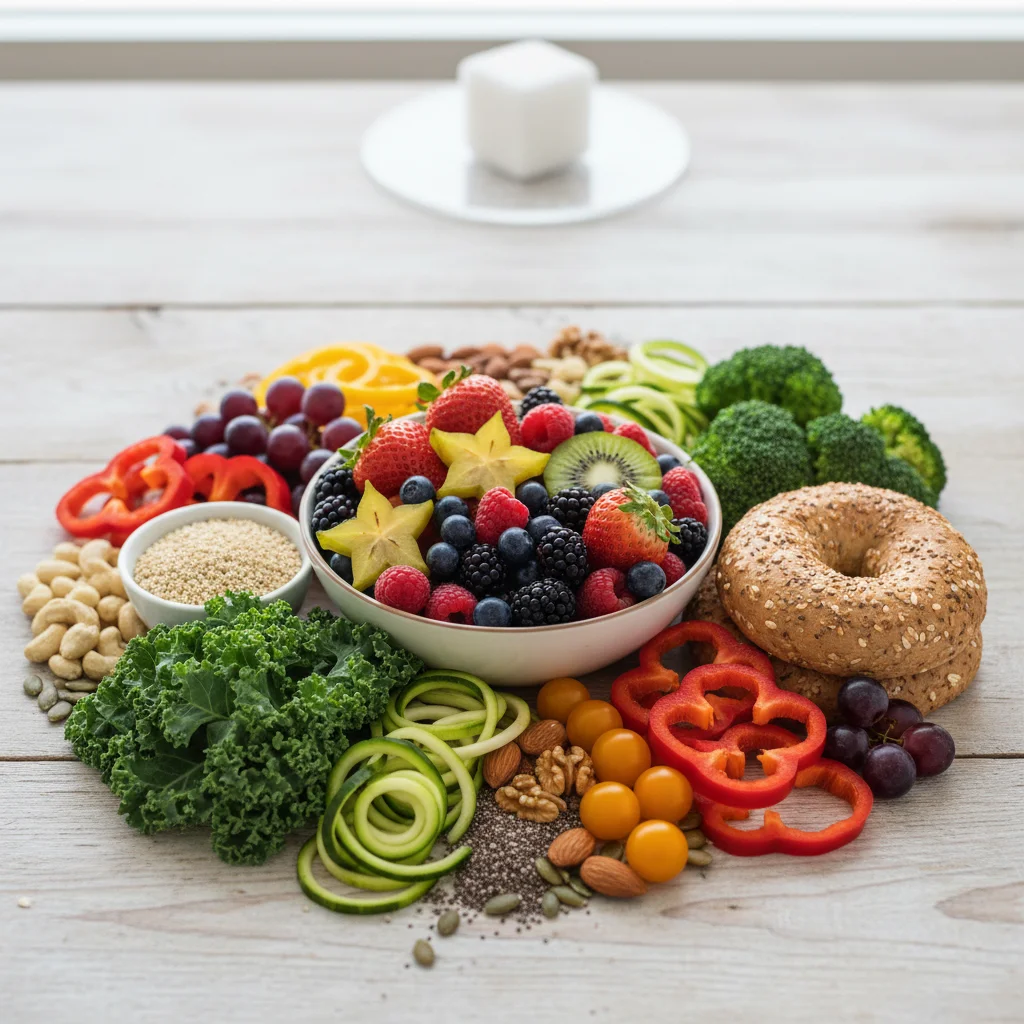
Achieve a Healthier You: Reduce Sugar Intake by 20% in 2026
In an era where health consciousness is paramount, the spotlight often shines on what we consume. Among the myriad dietary recommendations, one stands out for its profound impact on overall well-being: reducing sugar intake. Sugary foods and drinks are ubiquitous in modern diets, often contributing to a range of health issues from obesity and type 2 diabetes to heart disease and dental problems. As we look towards 2026, setting a tangible goal to significantly reduce sugar intake, specifically by 20%, can be a transformative step towards a healthier, more vibrant life. This comprehensive guide will equip you with the knowledge, strategies, and motivation to achieve this ambitious yet entirely attainable objective.
Understanding the pervasive nature of sugar in our food supply is the first critical step. It’s not just in obvious culprits like sodas and candy; sugar lurks in seemingly ‘healthy’ options such as yogurts, breakfast cereals, sauces, and even bread. The average person consumes far more sugar than recommended, often unknowingly. By committing to reduce sugar intake by 20%, you’re not just cutting out a few sweets; you’re embarking on a journey to re-educate your palate, understand food labels, and make more informed choices that benefit your long-term health.
Why Target a 20% Reduction in Sugar Intake?
The 20% target is specific, measurable, achievable, relevant, and time-bound (SMART). It’s significant enough to yield noticeable health benefits without being so drastic that it becomes unsustainable. A gradual, yet consistent, reduction allows your body and taste buds to adjust, making the transition smoother and more likely to stick. The benefits of reducing sugar intake are extensive and well-documented:
- Improved Weight Management: Excess sugar is often stored as fat, contributing to weight gain. Cutting back can aid in weight loss and maintenance.
- Reduced Risk of Chronic Diseases: Lowering sugar intake is directly linked to a decreased risk of type 2 diabetes, heart disease, and certain cancers.
- Enhanced Energy Levels: Stabilizing blood sugar levels prevents the energy crashes associated with high sugar consumption, leading to more sustained energy throughout the day.
- Better Dental Health: Sugar is a primary culprit in tooth decay. Less sugar means fewer cavities.
- Clearer Skin: Some studies suggest a link between high sugar intake and skin issues like acne.
- Improved Mood and Cognitive Function: Fluctuations in blood sugar can impact mood and cognitive performance. A stable diet can lead to better emotional regulation and mental clarity.
Setting 2026 as the target year provides ample time to implement changes gradually and build sustainable habits. This isn’t about a quick fix but a permanent shift towards a healthier lifestyle.
Understanding Hidden Sugars: The Sneaky Culprits
One of the biggest challenges in trying to reduce sugar intake is identifying ‘hidden sugars.’ Food manufacturers often use various names for sugar to make their products appear healthier or to obscure the actual sugar content. Common aliases for sugar include:
- High-fructose corn syrup
- Dextrose, maltose, sucrose, glucose, fructose
- Corn sweetener
- Fruit juice concentrate
- Malt syrup
- Molasses
- Evaporated cane juice
- Agave nectar
- Honey
- Maple syrup
While some of these, like honey and maple syrup, are natural sugars, they still contribute to your overall sugar intake and should be consumed in moderation. The key is to become a savvy label reader.
Practical Step 1: Become a Label Detective
The first and most crucial step in your journey to reduce sugar intake is to meticulously read nutrition labels. Look at the “Sugars” line under “Total Carbohydrates.” However, don’t stop there. Also, scan the ingredient list for any of the hidden sugar names mentioned above. Ingredients are listed in order of quantity, so if sugar or one of its aliases appears near the top, the product is likely high in sugar.
Aim for products with “no added sugar” or “low sugar” claims. Be wary of “sugar-free” products as they often contain artificial sweeteners, which can have their own set of health concerns and may not help in re-calibrating your taste buds away from sweetness.

Strategies to Effectively Reduce Sugar Intake
Achieving a 20% reduction requires a multi-faceted approach. Here are actionable strategies you can implement starting today:
Practical Step 2: Cut Down on Sugary Beverages
This is often the easiest and most impactful change. Sodas, fruit juices (even 100% juice can be high in natural sugars, lacking the fiber of whole fruit), sweetened teas, and specialty coffee drinks are major sources of added sugar. A single can of soda can contain more than your entire daily recommended sugar intake.
- Swap to Water: Make water your primary beverage. Infuse it with fruits (lemon, lime, cucumber, berries) for a natural flavor boost without added sugar.
- Unsweetened Options: Choose unsweetened tea, coffee, or sparkling water. If you need sweetness, add a tiny amount of natural sweetener like stevia or a squeeze of lemon.
- Dilute Juices: If you enjoy juice, dilute it with water or sparkling water to reduce the sugar content.
Practical Step 3: Rethink Breakfast
Breakfast cereals, flavored yogurts, pastries, and instant oatmeal packets are often loaded with sugar. Start your day sugar-free or low-sugar.
- Oatmeal Upgrade: Opt for plain rolled oats and sweeten them with fresh fruit (berries, sliced banana), a sprinkle of cinnamon, or a few nuts.
- Plain Yogurt Power: Choose plain Greek yogurt and add your own fruit, a drizzle of honey (in moderation), or a few drops of vanilla extract.
- Eggs and Avocado: Savory breakfasts like eggs with vegetables or avocado toast are naturally low in sugar and high in protein and healthy fats, keeping you full longer.
Practical Step 4: Be Mindful of Condiments and Sauces
Ketchup, BBQ sauce, salad dressings, and marinades often contain surprising amounts of added sugar. These can quickly add up, sabotaging your efforts to reduce sugar intake.
- Homemade Dressings: Make your own salad dressings using olive oil, vinegar, herbs, and spices.
- Read Labels: Choose low-sugar or no-sugar-added versions of your favorite condiments.
- Spice It Up: Use herbs and spices to flavor your food instead of relying on sugary sauces.
Practical Step 5: Choose Whole Foods Over Processed Foods
Processed foods are notorious for their high sugar content, often used as a preservative or to enhance flavor. Shifting towards a diet rich in whole, unprocessed foods is one of the most effective ways to reduce sugar intake.
- Fruits for Sweetness: When you crave something sweet, reach for whole fruits. They provide natural sugars along with fiber, vitamins, and antioxidants.
- Cook from Scratch: Preparing meals at home gives you complete control over the ingredients, allowing you to avoid added sugars.
- Focus on Protein and Fiber: Foods high in protein and fiber (lean meats, legumes, vegetables, whole grains) help you feel full and satisfied, reducing cravings for sugary snacks.
Practical Step 6: Smart Snacking
Mid-day snacks are often a trap for hidden sugars. Ditch the cookies, granola bars (many are high in sugar), and sweetened snack packs.
- Nuts and Seeds: A handful of almonds, walnuts, or pumpkin seeds provides healthy fats and protein.
- Vegetable Sticks with Hummus: Crunchy and satisfying, this is a great low-sugar option.
- Plain Popcorn: Air-popped popcorn (without butter or excessive salt) can be a good whole-grain snack.
- Hard-Boiled Eggs: An excellent source of protein to keep hunger at bay.

Navigating Social Situations and Cravings
Reducing sugar intake isn’t just about what you eat at home; it’s also about managing social situations and overcoming cravings.
Practical Step 7: Plan Ahead for Social Events
Attending parties, dining out, or visiting friends can present challenges. A little planning goes a long way.
- Eat Before You Go: Have a healthy, filling snack before an event to curb extreme hunger and reduce the temptation to overindulge in sugary treats.
- Choose Wisely: When dining out, opt for dishes that are less likely to contain hidden sugars, such as grilled proteins with steamed vegetables. Ask for sauces on the side.
- Offer to Bring a Dish: If you’re going to a potluck, bring a low-sugar option you know you can enjoy.
- Mind Your Drinks: Stick to water, unsweetened tea, or sparkling water with a lime wedge.
Practical Step 8: Manage Sugar Cravings Effectively
Cravings are a natural part of the process, especially in the initial stages. Learning to manage them without giving in is crucial to reduce sugar intake successfully.
- Identify Triggers: Are you craving sugar when you’re stressed, tired, or bored? Understanding your triggers can help you develop alternative coping mechanisms.
- Distract Yourself: Engage in an activity you enjoy – go for a walk, read a book, call a friend. Often, cravings pass within 15-20 minutes.
- Hydrate: Sometimes, thirst can be mistaken for hunger or a craving. Drink a large glass of water.
- Opt for Fruit: If the craving is intense, choose a piece of fruit. The natural sugars and fiber can satisfy your sweet tooth without the negative impact of added sugars.
- Get Enough Sleep: Sleep deprivation can increase cravings for sugary and high-fat foods. Prioritize quality sleep.
Tracking Your Progress and Staying Motivated
To effectively reduce sugar intake by 20% by 2026, tracking your progress and staying motivated are key.
Practical Step 9: Keep a Food Journal
For a week or two, meticulously record everything you eat and drink, paying close attention to the sugar content. This will give you a clear picture of your current intake and where most of your sugar comes from. You might be surprised at the culprits.
Once you have a baseline, you can start making targeted reductions. For example, if your journal reveals that sugary beverages are 10% of your daily sugar intake, you can focus on eliminating them first.
Practical Step 10: Set Realistic Mini-Goals
Don’t try to cut out all sugar overnight. Set small, achievable goals, such as:
- “This week, I will only drink water or unsweetened beverages.”
- “For breakfast, I will choose plain oatmeal with fruit instead of sugary cereal.”
- “I will avoid all processed snacks for the next three days.”
Celebrate these small victories to maintain momentum and confidence. Over time, these mini-goals will accumulate into a significant reduction in your overall sugar intake.
Practical Step 11: Find a Support System
Share your goal with friends, family, or a community. Having someone to hold you accountable or to share tips and challenges with can significantly boost your success rate. Online forums and health communities can also provide valuable support and encouragement.
Practical Step 12: Educate Yourself Continuously
The more you learn about the effects of sugar on your body and the nuances of nutrition, the more empowered you will feel to make healthy choices. Follow reputable health professionals, read scientific articles, and stay informed about healthy eating practices.
Long-Term Benefits of Reduced Sugar Intake
As you consistently reduce sugar intake, you’ll begin to notice profound changes. Your taste buds will adapt, and you’ll find that naturally sweet foods like fruits taste much sweeter and more satisfying. Your energy levels will stabilize, your mood may improve, and you’ll likely experience better sleep. Over the long term, these changes translate into a significantly reduced risk of chronic diseases, a healthier weight, and an overall enhanced quality of life.
By 2026, achieving a 20% reduction in your sugar intake is not just a health goal; it’s an investment in your future. It’s about reclaiming control over your diet, understanding what truly nourishes your body, and building sustainable habits that will serve you for years to come. This journey requires commitment and patience, but the rewards are immeasurable. Start today, one small step at a time, and watch as you transform your health and well-being.
Common Pitfalls to Avoid When Reducing Sugar Intake
While the goal to reduce sugar intake is commendable, several common pitfalls can derail your efforts. Being aware of these can help you navigate your journey more smoothly.
- Replacing Sugar with Artificial Sweeteners: Many people swap sugar for artificial sweeteners like aspartame, sucralose, or saccharin. While these may reduce calorie intake in the short term, they don’t necessarily help in re-calibrating your taste buds away from sweetness. Some research also suggests potential negative impacts on gut health and metabolism. The goal is to appreciate less sweetness, not just replace one form with another.
- Falling for “Health Halos”: Don’t assume a product is healthy just because it’s labeled “organic,” “natural,” “gluten-free,” or “vegan.” Many of these products can still be loaded with added sugars. Always read the nutrition label.
- Being Too Restrictive Too Soon: Going cold turkey on all sugar can lead to intense cravings and feelings of deprivation, often resulting in a sugar binge. A gradual reduction is usually more sustainable and less likely to lead to burnout.
- Not Addressing Emotional Eating: For many, sugar is a comfort food linked to emotions like stress, boredom, or sadness. Simply cutting out sugar without addressing the underlying emotional triggers can lead to struggles. Consider alternative coping mechanisms like exercise, mindfulness, or talking to a friend.
- Ignoring Liquid Sugars: As mentioned, sugary drinks are a huge source of hidden sugar. It’s easy to overlook the calories and sugar in beverages because they don’t feel as “filling” as solid food.
- Lack of Preparation: If you don’t plan your meals and snacks, you’re more likely to grab convenient, often sugary, options when hunger strikes. Meal prepping and having healthy snacks on hand are crucial.
The Role of Fiber and Protein in Sugar Reduction
Incorporating more fiber and protein into your diet is a powerful strategy to help reduce sugar intake. Both macronutrients contribute significantly to satiety, helping you feel full and satisfied for longer periods, thereby reducing the likelihood of reaching for sugary snacks.
- Fiber: Found in fruits, vegetables, whole grains, and legumes, fiber slows down the absorption of sugar into the bloodstream, preventing sharp spikes and crashes in blood glucose levels. This stability reduces cravings and maintains steady energy. Aim for a variety of fiber sources in your daily diet.
- Protein: Lean meats, poultry, fish, eggs, dairy, legumes, and nuts are excellent sources of protein. Protein is highly satiating and takes longer to digest than carbohydrates, keeping hunger at bay. Including a good source of protein at every meal can significantly impact your ability to resist sugary temptations.
By prioritizing fiber and protein, you naturally displace many sugary, refined carbohydrate options from your diet, making your 20% sugar reduction goal much more attainable.
Re-calibrating Your Taste Buds
One of the most rewarding aspects of reducing sugar intake is the re-calibration of your taste buds. Initially, foods that are low in sugar might taste bland. However, as you consistently cut back, your palate will become more sensitive to natural sweetness. Fruits will taste sweeter, and you’ll begin to appreciate the subtle flavors in unprocessed foods that were previously masked by added sugars.
This process takes time, typically a few weeks, but it’s a critical step in making your sugar reduction sustainable. Once your taste buds adapt, you’ll find that overly sweet foods become unappealing, and your desire for them diminishes naturally. This is the ultimate goal: not just to reduce sugar intake, but to genuinely prefer a less sweet diet.
Embracing a Holistic Approach to Health
Reducing sugar intake is a significant component of a healthy lifestyle, but it’s part of a larger picture. For optimal health and to support your sugar reduction efforts, consider a holistic approach that includes:
- Regular Physical Activity: Exercise can improve insulin sensitivity, help manage weight, and boost mood, reducing the reliance on sugar for comfort or energy.
- Adequate Sleep: As mentioned, lack of sleep can increase cravings. Aim for 7-9 hours of quality sleep per night.
- Stress Management: Chronic stress can lead to increased cortisol levels, which can influence blood sugar and hunger hormones, often leading to sugar cravings. Incorporate stress-reducing activities like meditation, yoga, or hobbies.
- Mindful Eating: Pay attention to your hunger and fullness cues. Eat slowly, savor your food, and avoid distractions during meals. This can help prevent overeating and making unconscious sugary choices.
By integrating these practices alongside your efforts to reduce sugar intake, you’ll create a powerful synergy that supports your health goals for 2026 and beyond. This isn’t just about deprivation; it’s about abundance – an abundance of energy, vitality, and well-being.
Conclusion: Your Path to a Sweeter, Healthier Future
The journey to reduce sugar intake by 20% by 2026 is a commitment to your long-term health. It requires awareness, effort, and consistency, but the rewards are profound. By becoming a label detective, making smart swaps for sugary beverages and breakfast items, being mindful of condiments, prioritizing whole foods, and managing cravings effectively, you are setting yourself up for success.
Remember that this is a marathon, not a sprint. There will be days when you slip up, and that’s perfectly normal. The key is to learn from those instances, forgive yourself, and get back on track. Focus on progress, not perfection. With each conscious choice to reduce sugar, you are building a foundation for a healthier, happier, and more energetic future. Embrace this challenge, and look forward to celebrating a significantly reduced sugar intake and a healthier you in 2026.