Mastering Vegan Baking: Essential Tips for Delicious Plant-Based Treats
Welcome to the exciting and delicious world of vegan baking! Whether you’re a seasoned baker looking to expand your repertoire or a newcomer eager to explore plant-based options, mastering vegan baking tips can transform your kitchen creations. Gone are the days when vegan desserts were seen as compromises; today, they stand proudly as innovative, flavorful, and often healthier alternatives to traditional baked goods. This comprehensive guide will equip you with the knowledge and techniques needed to consistently bake delightful vegan treats that will impress even the most discerning palates.
The journey to successful vegan baking begins with understanding the fundamental differences from conventional baking. The absence of eggs, dairy milk, and butter requires clever substitutions and a nuanced approach to ingredients. But fear not, the plant-based pantry is rich with incredible alternatives that can mimic the functions of their animal-derived counterparts, often adding unique flavors and textures of their own. From flaky pies to moist cakes and chewy cookies, the possibilities are endless when you apply the right vegan baking tips.
Our aim is to demystify vegan baking, making it accessible and enjoyable for everyone. We’ll delve into the science behind common ingredient swaps, offer practical advice for achieving perfect textures, and provide troubleshooting tips for when things don’t go exactly as planned. By the end of this article, you’ll feel confident in your ability to tackle any vegan recipe and even adapt your favorite traditional recipes into plant-based masterpieces. Let’s get baking!
Understanding the Core Principles of Vegan Baking
At its heart, vegan baking is about understanding the role each ingredient plays and finding suitable plant-based replacements that perform similar functions. This is where effective vegan baking tips truly shine. Traditional baking relies heavily on eggs for leavening, binding, and moisture; butter for richness and tenderness; and milk for moisture and structure. In the vegan kitchen, we achieve these same results with a creative array of plant-based ingredients.
The Role of Eggs and Their Vegan Substitutes
Eggs are perhaps the most challenging ingredient to replace due to their multifaceted role. They act as binders, leaveners, and moisteners. Fortunately, several excellent vegan egg substitutes are available, each with its own strengths:
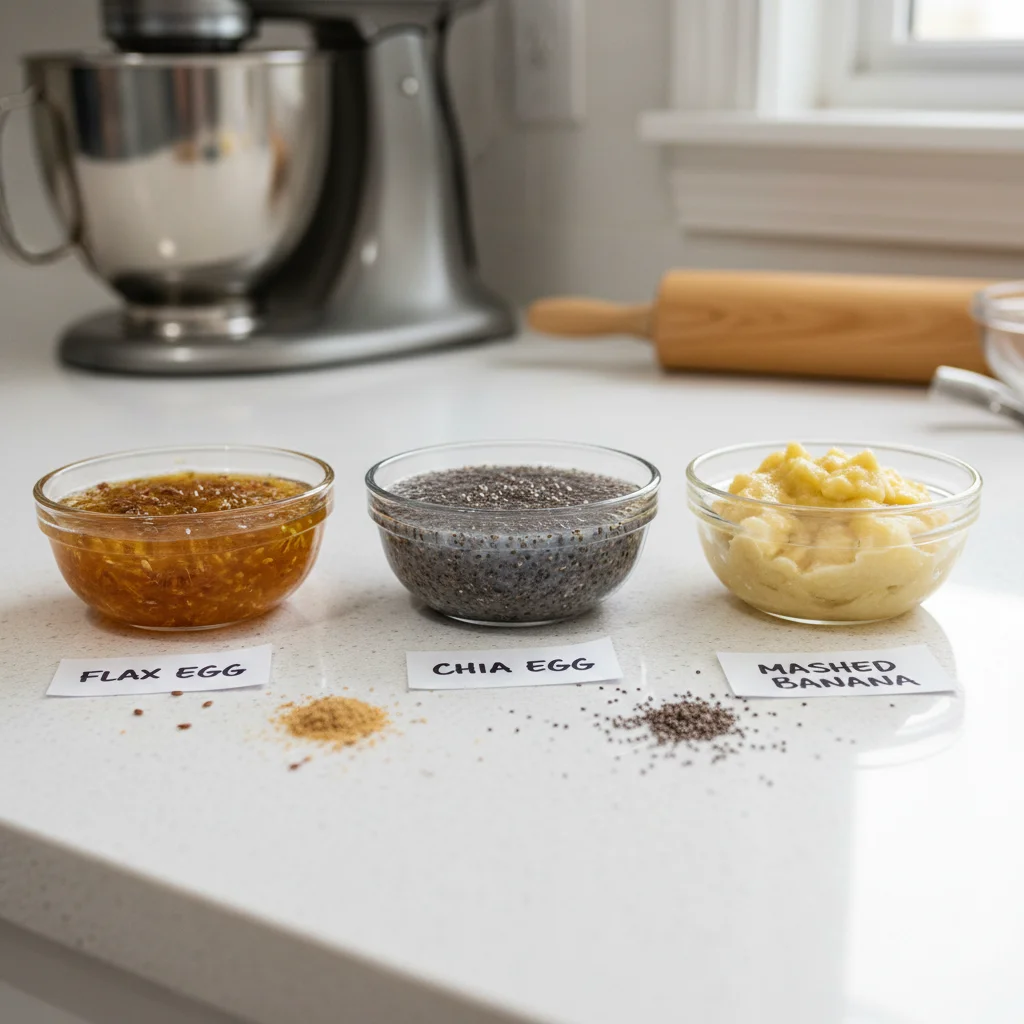
- Flax Eggs (1 tbsp ground flaxseed meal + 3 tbsp water): Ideal for binding in cookies, muffins, and quick breads. They add a slightly nutty flavor and a chewy texture. Allow to sit for 5-10 minutes to thicken.
- Chia Eggs (1 tbsp chia seeds + 3 tbsp water): Similar to flax eggs, chia eggs are excellent binders. They have a milder flavor and create a slightly gelatinous texture.
- Mashed Banana (1/4 cup per egg): Best for adding moisture and sweetness to cakes, muffins, and breads. Be aware that it imparts a distinct banana flavor.
- Applesauce (1/4 cup per egg): A great fat-free option for moisture and binding. It can make baked goods dense, so use in recipes that call for a moist, tender crumb.
- Silken Tofu (1/4 cup blended per egg): Excellent for rich, dense baked goods like cheesecakes, custards, and some cakes, providing structure and moisture.
- Commercial Egg Replacers: Many brands offer powdered egg replacers designed to mimic the leavening and binding properties of eggs. Follow package instructions carefully.
- Aquafaba (3 tbsp per egg): The liquid from canned chickpeas. It whips up like egg whites, making it perfect for meringues, macarons, and light, airy desserts.
When choosing an egg substitute, consider the recipe’s requirements. For a light and airy cake, aquafaba might be best. For dense, chewy cookies, flax or chia eggs are often preferred. Understanding these nuances is crucial for successful vegan baking tips application.
Dairy-Free Milk and Cream
Replacing dairy milk is relatively straightforward, as many plant-based milks are readily available:
- Almond Milk: Neutral flavor, good for most recipes.
- Soy Milk: Higher protein content, excellent for richer baked goods and custards.
- Oat Milk: Creamy texture, slightly sweet, works well in many applications.
- Cashew Milk: Rich and creamy, ideal for sauces, custards, and recipes requiring a fuller body.
- Coconut Milk (canned, full-fat): Adds richness and a subtle coconut flavor. Great for frostings, curries, and tropical desserts.
For creams, look for full-fat canned coconut milk (the thick cream on top), or commercial vegan heavy creams and whipping creams. These are invaluable for frostings, mousses, and other decadent treats. Applying these vegan baking tips ensures your creations are moist and flavorful.
Butter and Oil Alternatives
Vegan butter substitutes have come a long way. Many brands offer plant-based sticks and spreads that perform identically to dairy butter in baking, providing richness, flavor, and tenderness. Look for those specifically designed for baking.
Oils like coconut oil, vegetable oil, canola oil, and olive oil can also be used, depending on the desired flavor profile and texture. Coconut oil is solid at room temperature, making it a good choice for recipes where a solid fat is needed. Melted coconut oil can often replace melted butter. For neutral flavors, vegetable or canola oil are excellent choices.
Essential Vegan Baking Tips for Success
Beyond ingredient substitutions, several fundamental vegan baking tips will elevate your results and ensure consistent success.
1. Read the Recipe Thoroughly
This might seem obvious, but it’s especially critical in vegan baking. Understand the order of operations, the function of each ingredient, and any specific instructions regarding temperature or resting times. Vegan recipes often have unique steps to compensate for the absence of animal products.
2. Measure Accurately
Baking is a science, and precision is key. Use a kitchen scale for dry ingredients whenever possible, as volume measurements can vary significantly. For liquids, use liquid measuring cups at eye level. Accurate measurement is one of the most important vegan baking tips for consistent results.
3. Use Room Temperature Ingredients (When Specified)
Just like in traditional baking, many vegan recipes call for room temperature ingredients, especially fats and liquids. Room temperature vegan butter creams better, creating a lighter texture, and room temperature milks combine more easily with other ingredients, preventing curdling and ensuring a smooth batter.
4. Don’t Overmix
Overmixing develops gluten, which can lead to tough, dense baked goods. Mix only until the ingredients are just combined. This is particularly true for batters containing flour. Gentle mixing is a crucial vegan baking tip for tender crumbs.
5. Understand Leavening Agents
Baking powder and baking soda are your best friends in vegan baking. Baking soda needs an acid (like lemon juice, vinegar, or buttermilk – made by adding acid to plant milk) to activate and produce carbon dioxide, which creates lift. Baking powder is double-acting, meaning it reacts once with liquid and again with heat. Many vegan recipes use a combination of both to achieve optimal rise and texture.
6. Adjust Baking Times and Temperatures
Vegan baked goods can sometimes bake differently than their traditional counterparts. Keep a close eye on your oven, and don’t be afraid to adjust baking times slightly. Use the toothpick test for cakes and muffins – if it comes out clean, they’re likely done. Cookies should be golden brown at the edges but still slightly soft in the center.
7. Embrace Aquafaba for Lightness
Aquafaba is a game-changer for vegan baking, especially when you need light, airy textures. It can be whipped into stiff peaks just like egg whites, making it perfect for meringues, mousses, and macaron shells. This is one of the most innovative vegan baking tips discovered in recent years.
8. Flavor Enhancers
Don’t forget the power of extracts, spices, and zest. Vanilla extract is a staple, but almond extract, lemon zest, cinnamon, nutmeg, and cardamom can add incredible depth of flavor to your vegan creations. A pinch of salt also enhances sweetness and balances flavors.
9. Consider Acidity
Many vegan recipes incorporate acidic ingredients like apple cider vinegar, lemon juice, or even a touch of cream of tartar. These acids react with baking soda to provide lift and can also contribute to a tender crumb and balanced flavor. For example, a tablespoon of apple cider vinegar added to plant milk can create a vegan ‘buttermilk’ substitute.
10. Don’t Be Afraid to Experiment
Vegan baking is an art as much as a science. Once you understand the basics, feel free to experiment with different flours, sweeteners, and flavor combinations. Keep notes on what works and what doesn’t. This iterative process is how you truly master vegan baking tips and develop your own signature style.
Advanced Vegan Baking Techniques and Troubleshooting
As you gain confidence, you might encounter specific challenges or wish to explore more advanced techniques. Here are some more targeted vegan baking tips to help you along the way.
Achieving Flaky Pastry
For flaky pie crusts and puff pastry, cold vegan butter (or solid coconut oil) is crucial. Cut the fat into small pieces and work it quickly into the flour, ideally using a pastry blender or your fingertips, to prevent it from melting. The small pockets of fat will create steam during baking, resulting in a flaky texture. Using ice water for the liquid also helps keep the fat cold.
Making Perfect Vegan Frostings
Vegan frostings can be just as decadent as their dairy counterparts. For a classic buttercream, use a high-quality vegan butter substitute, powdered sugar, vanilla extract, and a splash of plant milk. Ensure your vegan butter is at room temperature for the best creaming consistency. For a lighter frosting, aquafaba can be whipped into a meringue and then folded into other ingredients. Rich ganaches can be made with vegan chocolate and full-fat canned coconut milk.
Gluten-Free Vegan Baking
Combining vegan and gluten-free requirements can be tricky, but it’s entirely possible. Use a good quality gluten-free all-purpose flour blend that contains xanthan gum (or add it separately, usually 1/4 tsp per cup of flour) to aid in binding and structure, as gluten-free flours lack the elasticity of wheat flour. Common gluten-free flours include rice flour, almond flour, oat flour, tapioca starch, and potato starch. Experiment with different blends to find what works best for your specific recipe.
Troubleshooting Common Vegan Baking Issues
- Baked goods are too dense: This could be due to overmixing, not enough leavening, or too much binder. Check your measurements and mixing technique.
- Baked goods are crumbly: Often a sign of too little binder or moisture. Ensure your egg substitutes are properly hydrated and consider adding a touch more liquid if the dough seems dry.
- Cakes don’t rise: Insufficient leavening, expired leavening agents, or an oven that’s not preheated properly can all contribute. Make sure your baking soda and powder are fresh.
- Uneven baking: Hot spots in your oven are a common culprit. Rotate your baking sheets halfway through the baking time. An oven thermometer can also help you verify your oven’s actual temperature.
- Flavor is bland: Don’t skimp on salt, extracts, and spices. A pinch of salt can bring out the sweetness, and a good quality vanilla extract makes a huge difference. Citrus zest also brightens flavors significantly.

The Joy of Vegan Baking
Embracing vegan baking tips isn’t just about dietary restrictions; it’s about opening up a world of culinary creativity and discovering new flavors and textures. Many find that vegan baking, once mastered, offers a unique satisfaction. The process encourages a deeper understanding of ingredients and their functions, making you a more intuitive and skilled baker overall.
Think of it as a delicious puzzle where you’re constantly finding innovative ways to achieve familiar results without traditional ingredients. This can lead to surprisingly delightful outcomes, often with a healthier profile. For example, using fruit purees for sweetness or nut flours for richness can add nutritional benefits and complex flavors that dairy and eggs might not. The creativity involved in finding the perfect combination of plant-based ingredients to mimic the texture, flavor, and structure of traditional baked goods is incredibly rewarding.
Moreover, vegan baking aligns with ethical and environmental considerations, offering a way to enjoy delicious treats while supporting a more sustainable food system. Sharing your vegan creations with friends and family is also a wonderful way to introduce them to the possibilities of plant-based eating, often surprising them with how incredibly delicious and satisfying vegan desserts can be. Many people who are not strictly vegan enjoy vegan baked goods simply because they taste fantastic.
Expanding Your Vegan Baking Repertoire
Once you’ve got a handle on the basic vegan baking tips and techniques, don’t stop there! The world of vegan desserts is vast and exciting. Consider exploring:
- Specialty Flours: Experiment with almond flour, oat flour, spelt flour, or even ancient grain flours for different textures and nutritional profiles. Each flour brings its own unique characteristics to the table.
- Natural Sweeteners: Beyond granulated sugar, explore maple syrup, agave nectar, date paste, and coconut sugar. These can offer distinct flavors and often come with additional nutrients. Remember that liquid sweeteners might require slight adjustments to other liquid components in a recipe.
- Flavor Pairings: Dive into unique flavor combinations. Think rosemary and lemon in shortbread, cardamom and pistachio in cakes, or chili and chocolate in brownies. Vegan ingredients often pair wonderfully with bold, natural flavors.
- Fermentation: Explore sourdough vegan baking for breads and even some pastries. The natural leavening process adds incredible depth of flavor and texture.
- Raw Vegan Desserts: Many stunning desserts require no baking at all, relying on ingredients like cashews, dates, and coconut oil to create cheesecakes, tarts, and energy bites. These are often packed with nutrients and incredibly satisfying.
The internet is a treasure trove of vegan recipes, from simple cookies to elaborate celebration cakes. Don’t be afraid to try new recipes and adapt them to your taste. Start with recipes specifically designed to be vegan, as they will have already accounted for the necessary substitutions and ratios. As you become more confident, you can begin to ‘veganize’ your favorite traditional recipes, applying the vegan baking tips you’ve learned.
Final Thoughts on Mastering Vegan Baking
Mastering vegan baking tips is a rewarding journey that enriches your culinary skills and allows you to create delicious, compassionate treats. It requires patience, practice, and a willingness to learn, but the results are incredibly satisfying. Remember to be meticulous with measurements, understand the function of your ingredients, and don’t be afraid to experiment.
With the right knowledge and a dash of creativity, you’ll be whipping up incredible vegan cakes, cookies, pastries, and more in no time. So, preheat your oven, gather your plant-based ingredients, and embark on a delightful adventure into the world of vegan baking. Happy baking!