New USDA Dietary Guidelines 2026: Your Guide to Optimal Health
New USDA Dietary Guidelines for 2026: What Every American Needs to Know for Optimal Health
As the scientific understanding of nutrition evolves, so do the recommendations designed to guide Americans toward healthier lives. The USDA Dietary Guidelines are a cornerstone of public health, shaping everything from school lunch programs to food labeling. With the next iteration, the USDA Dietary Guidelines 2026, on the horizon, it’s crucial for everyone to understand what these changes might entail and how they can impact our pursuit of optimal health.
These guidelines, updated every five years, synthesize the latest nutritional science to provide evidence-based recommendations for Americans aged two and older. They serve as a vital resource for policymakers, health professionals, and individuals striving to make informed dietary choices. The upcoming USDA Dietary Guidelines 2026 are expected to build upon previous editions while addressing emerging public health concerns and scientific advancements.
Understanding the nuances of these guidelines is not just about following rules; it’s about empowering ourselves with knowledge to foster a healthier relationship with food. This comprehensive guide will delve into the anticipated key areas of focus, potential shifts in recommendations, and practical strategies for integrating these guidelines into your daily life for optimal health.
The Foundation: What Are the USDA Dietary Guidelines?
The USDA Dietary Guidelines for Americans are a joint effort by the U.S. Department of Agriculture (USDA) and the U.S. Department of Health and Human Services (HHS). Their primary goal is to promote health, prevent chronic disease, and help people reach and maintain a healthy weight. Since their inception in 1980, these guidelines have adapted to new research, societal changes, and evolving dietary patterns.
They provide overarching advice on what to eat and drink to meet nutrient needs, promote health, and reduce the risk of diet-related chronic diseases. While not prescriptive meal plans, they offer a framework that allows for flexibility based on individual preferences, cultural traditions, and budgetary constraints. The USDA Dietary Guidelines 2026 will continue this tradition, aiming for practical, actionable advice that resonates with a diverse population.
The process of developing these guidelines is rigorous, involving an independent scientific advisory committee that reviews hundreds of scientific studies. Their findings inform the recommendations, which then undergo public comment and expert review before final publication. This ensures that the USDA Dietary Guidelines 2026 will be grounded in the most current and robust scientific evidence available.
Why Are the Dietary Guidelines So Important?
- Public Health Impact: They influence national food programs, such as school meals, WIC, and SNAP, affecting millions of Americans.
- Health Professional Guidance: Doctors, dietitians, and other healthcare providers use them as a basis for nutritional counseling.
- Consumer Education: They empower individuals to make healthier food choices, contributing to a better understanding of nutrition.
- Food Industry Influence: They can impact product development and marketing strategies within the food industry.
Anticipated Focus Areas for the USDA Dietary Guidelines 2026
While the specific recommendations of the USDA Dietary Guidelines 2026 are still under development, based on recent trends, scientific discourse, and public health priorities, we can anticipate several key areas of focus. These areas reflect the evolving challenges and opportunities in promoting a healthy diet for all Americans.
1. Lifespan Approach: Nutrition from Conception to Older Adulthood
One significant trend in recent guideline cycles has been a greater emphasis on a lifespan approach to nutrition. This means providing specific recommendations for different life stages, from infancy and toddlerhood to pregnancy, lactation, and older adulthood. The USDA Dietary Guidelines 2026 are likely to further refine these stage-specific recommendations, recognizing that nutritional needs change dramatically throughout life.
- Early Childhood: Continued focus on the importance of exclusive breastfeeding, appropriate introduction of complementary foods, and limiting added sugars in the diets of infants and young children.
- Pregnancy and Lactation: Tailored advice for nutrient intake to support maternal health and fetal/infant development, potentially with more specific guidance on micronutrients like iron, iodine, and choline.
- Older Adults: Addressing issues like maintaining muscle mass, bone health, and adequate hydration, as well as managing chronic diseases prevalent in this demographic.
2. Dietary Patterns Over Individual Nutrients
The shift from focusing on single nutrients to emphasizing overall healthy dietary patterns has been a hallmark of recent guidelines. The USDA Dietary Guidelines 2026 will undoubtedly continue this holistic approach. It’s not just about avoiding ‘bad’ nutrients or maximizing ‘good’ ones; it’s about the synergistic effects of various foods consumed together as part of a regular diet.
This approach acknowledges that people eat foods, not nutrients, and that a balanced pattern of foods provides the necessary array of vitamins, minerals, fiber, and other beneficial compounds. Expect the guidelines to continue promoting patterns rich in fruits, vegetables, whole grains, lean proteins, and healthy fats, while limiting added sugars, saturated fats, and sodium.
3. Sustainability and Food Systems
While previous guidelines have touched upon the environmental impact of food choices, the USDA Dietary Guidelines 2026 might see a more explicit discussion of sustainability. As global concerns about climate change, resource depletion, and food waste grow, the intersection of diet and environmental health becomes increasingly relevant. This could involve promoting plant-forward diets, reducing food waste, and encouraging sustainable sourcing.
However, it’s important to note that the inclusion and extent of sustainability recommendations often spark debate, balancing public health objectives with economic and agricultural considerations. The scientific advisory committee typically reviews evidence on the environmental impact of dietary patterns, and their findings will inform the final recommendations.
4. Ultra-Processed Foods and Dietary Quality
The growing body of research on ultra-processed foods (UPFs) and their link to adverse health outcomes is likely to be a significant consideration for the USDA Dietary Guidelines 2026. UPFs are typically high in added sugars, unhealthy fats, and sodium, and low in fiber and essential nutrients. They often undergo extensive industrial processing and contain ingredients not commonly found in home kitchens.
Expect the guidelines to reinforce recommendations to limit consumption of these foods, encouraging a diet based on whole, minimally processed ingredients. This emphasis will be crucial for addressing rising rates of obesity, type 2 diabetes, and cardiovascular disease.

5. Personalized Nutrition and Dietary Flexibility
While providing broad guidelines, the USDA Dietary Guidelines 2026 are also expected to emphasize the importance of personalized nutrition and dietary flexibility. Recognizing that ‘one size does not fit all,’ the guidelines often provide adaptable frameworks rather than rigid rules. This means offering various healthy eating patterns (e.g., Mediterranean, vegetarian, DASH) that can be tailored to individual needs, preferences, cultural backgrounds, and health conditions.
The guidelines may also offer more nuanced advice on specific food groups, acknowledging that different forms of foods (e.g., fresh vs. canned vegetables, whole vs. refined grains) can have varying nutritional impacts. The goal is to empower individuals to make choices that are both healthy and sustainable for their unique circumstances.
Key Recommendations Expected to Be Reinforced
While new areas of focus emerge, many fundamental principles of healthy eating remain constant. The USDA Dietary Guidelines 2026 will undoubtedly reinforce several core recommendations that have stood the test of time and continue to be critical for public health.
1. Prioritize Fruits and Vegetables
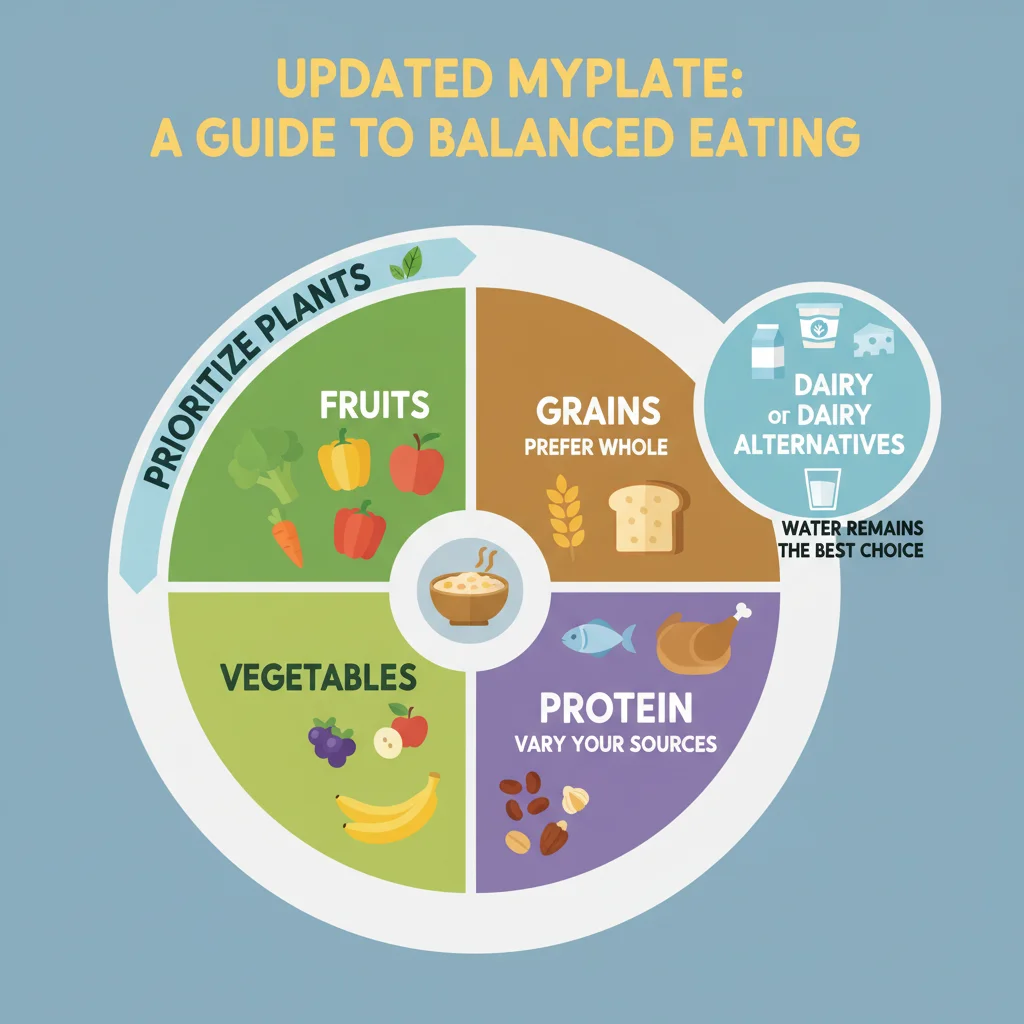
The message to ‘make half your plate fruits and vegetables’ is likely to remain a central tenet. These foods are rich in vitamins, minerals, fiber, and antioxidants, contributing to disease prevention and overall well-being. The USDA Dietary Guidelines 2026 will continue to encourage a wide variety of colors and types of produce to ensure a broad spectrum of nutrients.
2. Choose Whole Grains
Replacing refined grains with whole grains is a consistent recommendation. Whole grains provide more fiber, which is essential for digestive health, blood sugar control, and satiety. Expect the USDA Dietary Guidelines 2026 to continue advocating for at least half of your grain intake to come from whole sources like oats, brown rice, quinoa, and whole wheat bread.
3. Opt for Lean Proteins
Protein is vital for muscle maintenance, immune function, and satiety. The guidelines will likely continue to recommend a variety of protein sources, including lean meats, poultry, fish, eggs, legumes (beans and lentils), nuts, seeds, and soy products. There might be a continued emphasis on plant-based protein sources for their health and environmental benefits.
4. Include Dairy or Dairy Alternatives
Dairy products provide essential nutrients like calcium, potassium, vitamin D, and protein. The USDA Dietary Guidelines 2026 will likely recommend low-fat or fat-free dairy options. For those who are lactose intolerant or prefer plant-based alternatives, fortified soy milk and other fortified plant-based beverages will continue to be recognized as suitable options.
5. Limit Added Sugars, Saturated Fat, and Sodium
These three components are consistently identified as nutrients to limit. High intake is linked to increased risk of chronic diseases. The USDA Dietary Guidelines 2026 are expected to maintain or even strengthen recommendations to:
- Limit Added Sugars: Aim for less than 10% of daily calories from added sugars, found in sweetened beverages, desserts, and many processed foods.
- Limit Saturated Fat: Keep saturated fat intake to less than 10% of daily calories, opting for unsaturated fats found in avocados, nuts, seeds, and olive oil.
- Reduce Sodium: Strive for a daily sodium intake of less than 2,300 milligrams, paying attention to processed foods, which are major contributors.
Potential New Considerations and Debates
Each cycle of the Dietary Guidelines brings new research and public discussions. The USDA Dietary Guidelines 2026 will be no different, likely addressing several emerging topics and ongoing debates in the nutrition community.
Alcohol Consumption
The previous guidelines suggested limiting alcoholic beverages to 2 drinks or less per day for men and 1 drink or less per day for women. There has been scientific discussion around potentially lowering these recommendations further, especially for men, aligning with some international guidelines that suggest even lower limits for health benefits. The USDA Dietary Guidelines 2026 might reflect a more conservative stance on alcohol.
Dietary Fats: A Deeper Dive
While the focus on limiting saturated fats remains, there’s ongoing research into the specific types of saturated fats and their varying impacts. The USDA Dietary Guidelines 2026 might offer more nuanced advice on dietary fats, emphasizing the importance of replacing saturated fats with unsaturated fats rather than just reducing total fat intake. The role of specific fatty acids, like omega-3s, might also receive further attention.
The Role of Food Processing
Beyond ultra-processed foods, there’s a broader discussion about the different levels of food processing and their implications for health. The USDA Dietary Guidelines 2026 might explore this spectrum in more detail, helping consumers understand the nutritional differences between minimally processed, processed culinary ingredients, and ready-to-eat processed foods.
How to Prepare for the USDA Dietary Guidelines 2026
Even before the official release of the USDA Dietary Guidelines 2026, you can take proactive steps to align your eating habits with likely recommendations and improve your overall health. These steps are generally beneficial regardless of specific guideline updates.
1. Focus on Whole, Unprocessed Foods
This is perhaps the most fundamental and enduring advice. Prioritize whole fruits, vegetables, whole grains, lean proteins, and healthy fats. Minimize your intake of foods high in added sugars, saturated fats, and sodium, which are often found in ultra-processed products. Cooking more meals at home from scratch is an excellent way to achieve this.
2. Embrace Dietary Diversity
Eat a wide variety of foods from all food groups. This ensures you get a broad spectrum of nutrients and beneficial plant compounds. Experiment with different types of fruits, vegetables, grains, and protein sources. The USDA Dietary Guidelines 2026 will continue to champion variety.
3. Hydrate Smartly
Make water your primary beverage. Limit sugary drinks, which contribute significantly to added sugar intake and provide little nutritional value. Unsweetened tea and coffee can also be part of a healthy hydration strategy.
4. Practice Mindful Eating
Pay attention to your hunger and fullness cues. Eat slowly, savor your food, and avoid distractions during meals. Mindful eating can help you better regulate your intake and enjoy your food more, a concept that aligns well with the holistic health approach of the USDA Dietary Guidelines 2026.
5. Stay Informed
Once the USDA Dietary Guidelines 2026 are released, take the time to read through them or reliable summaries. Websites like DietaryGuidelines.gov will be the official source of information. Understanding the rationale behind the recommendations will help you implement them effectively.
6. Consult a Professional
If you have specific dietary needs, health conditions, or simply want personalized guidance, consider consulting a Registered Dietitian Nutritionist (RDN). They can help you interpret the USDA Dietary Guidelines 2026 and tailor them to your unique circumstances.
Impact on Public Health and Policy
The release of the USDA Dietary Guidelines 2026 is not just an event for individual consumers; it has far-reaching implications for public health policy, education, and the food industry. These guidelines serve as the basis for:
- Federal Food Programs: They dictate the nutritional standards for programs like the National School Lunch Program, School Breakfast Program, and the Special Supplemental Nutrition Program for Women, Infants, and Children (WIC).
- Health Education: They are integrated into health curricula, public awareness campaigns, and educational materials used by health organizations.
- Research Priorities: The questions and recommendations within the guidelines often highlight areas where further scientific research is needed, influencing funding and study design.
- Food Industry Innovation: Food manufacturers and restaurants often reformulate products or develop new ones to align with the guidelines, responding to consumer demand and health trends.
The collective effort to implement the USDA Dietary Guidelines 2026 across various sectors is crucial for addressing the nation’s most pressing health challenges, including obesity, diabetes, and cardiovascular disease. By providing a unified, evidence-based message about healthy eating, the guidelines aim to foster a healthier food environment and empower individuals to make choices that support their well-being.
Conclusion: Embracing the Future of Healthy Eating with the USDA Dietary Guidelines 2026
The forthcoming USDA Dietary Guidelines 2026 represent a critical juncture in America’s nutritional landscape. They will reflect the latest scientific understanding, address contemporary health challenges, and offer updated guidance for promoting optimal health across all life stages. While the specifics are yet to be revealed, the overarching themes of whole foods, balanced dietary patterns, and personalized approaches are expected to remain central.
By staying informed, prioritizing whole and minimally processed foods, and making conscious choices about what we eat and drink, we can proactively align our diets with the principles that will underpin the new guidelines. The USDA Dietary Guidelines 2026 are more than just a set of recommendations; they are a roadmap to a healthier future for individuals and the nation as a whole. Let’s embrace this opportunity to review our eating habits and commit to a path of enhanced well-being.
Remember, your health is your most valuable asset. The journey to optimal health is continuous, and the USDA Dietary Guidelines 2026 will be a powerful tool to guide you on that path. Stay tuned for their official release and be prepared to integrate their wisdom into your daily life.