Ultra-Processed Foods: 2026 Health Risks & Healthy Alternatives
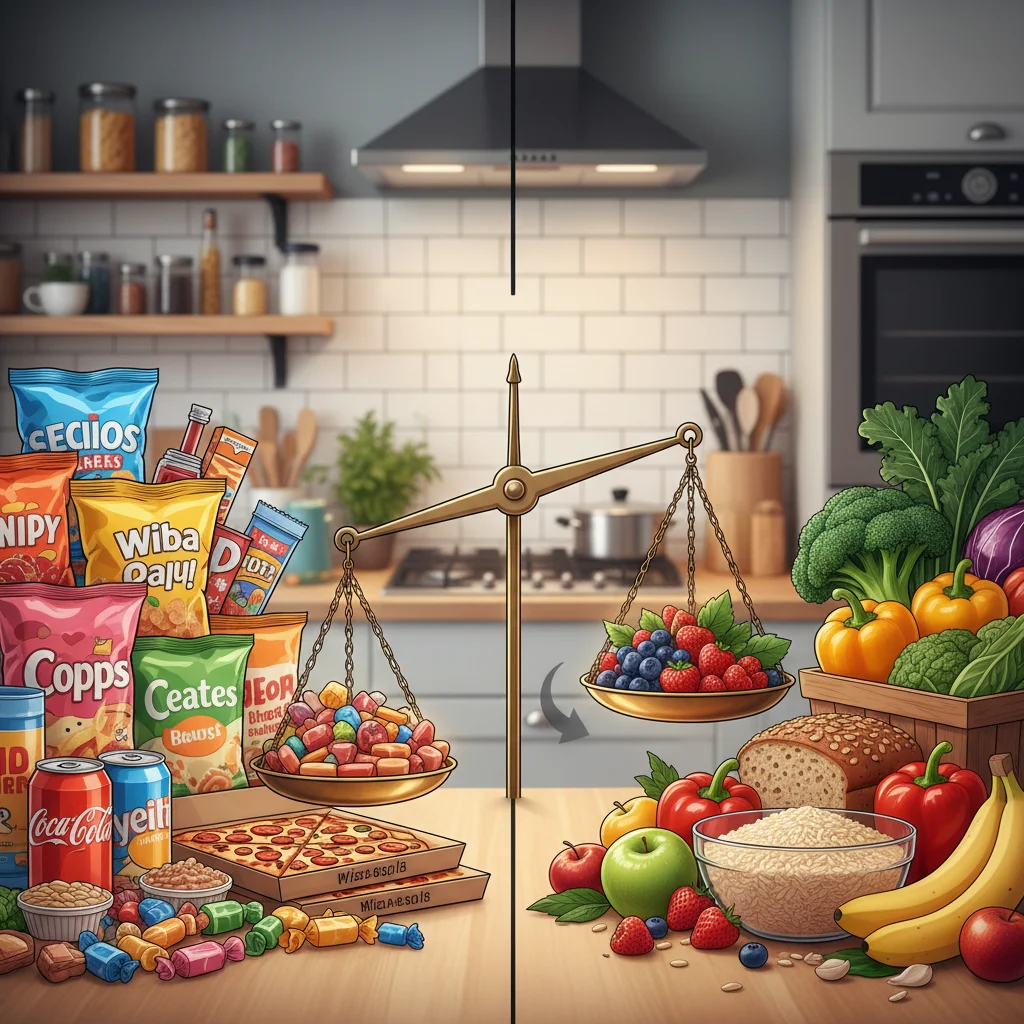
In an era dominated by convenience and fast-paced lifestyles, ultra-processed foods (UPFs) have become an ubiquitous presence in our diets. From breakfast cereals and packaged snacks to ready-to-eat meals and sugary beverages, these industrially formulated products are designed for maximum palatability, shelf-life, and profitability. However, the convenience they offer comes at a steep price: our health. As we move further into 2026, the scientific community continues to uncover the profound and often alarming health implications of regular consumption of ultra-processed foods. This comprehensive article delves into the latest understanding of these risks and, more importantly, provides practical, actionable strategies for navigating a healthier path through the modern food landscape.
Understanding Ultra-Processed Foods (UPFs): A 2026 Perspective
Before we delve into the health risks, it’s crucial to define what constitutes an ultra-processed food. The NOVA classification system, widely recognized by nutritionists and public health experts, categorizes foods into four groups based on the nature, extent, and purpose of industrial processing. Ultra-processed foods (Group 4) are formulations made mostly or entirely from substances derived from foods and additives, with little to no intact whole food. They are typically characterized by:
- High Palatability: Engineered to be hyper-palatable, making them difficult to stop eating.
- Aggressive Marketing: Heavily marketed, often targeting children and vulnerable populations.
- Long Shelf-Life: Designed to last for extended periods, reducing spoilage.
- Low Cost: Often cheaper than fresh, whole foods, making them accessible to many.
- Nutrient Imbalance: Generally high in unhealthy fats, added sugars, and sodium, and low in fiber, vitamins, and minerals.
- Presence of Additives: Contain emulsifiers, artificial colors, flavors, and preservatives.
Examples include sodas, packaged cookies, cakes, breakfast cereals, processed meats (sausages, nuggets), instant noodles, and many frozen ready meals. The pervasive nature of ultra-processed foods in Western diets, and increasingly globally, makes understanding their impact a critical public health priority in 2026.
The Mounting Evidence: Health Risks of Ultra-Processed Foods
The past few years have seen an explosion of research linking ultra-processed foods to a myriad of adverse health outcomes. The mechanisms are complex, involving not just the nutrient profile but also the physical structure of the food matrix, the presence of additives, and their impact on the gut microbiome. Let’s explore the key health risks.
Obesity and Weight Gain
Perhaps the most widely recognized consequence of consuming ultra-processed foods is their strong association with obesity and weight gain. Studies consistently show that diets high in UPFs lead to higher calorie intake and subsequent weight gain. This is attributed to several factors:
- Energy Density: UPFs are often calorie-dense but nutrient-poor, meaning you consume more calories without feeling satiated.
- Rapid Consumption: Their soft texture and palatability encourage faster eating, bypassing satiety signals.
- Low Fiber Content: Lack of fiber reduces feelings of fullness and can disrupt digestive health.
- Sugar and Fat Content: The combination of sugar and fat in UPFs can trigger reward pathways in the brain, leading to overconsumption.
A landmark 2019 NIH study demonstrated that participants consuming an ultra-processed diet ate an average of 500 more calories per day and gained significant weight compared to those on an unprocessed diet. These findings have been further corroborated by numerous observational studies in 2026, solidifying the link between ultra-processed foods and the global obesity epidemic.
Cardiovascular Diseases
The impact of ultra-processed foods extends directly to heart health. High intake of UPFs is consistently linked to an increased risk of hypertension, dyslipidemia (abnormal cholesterol levels), and ultimately, cardiovascular diseases such as heart attacks and strokes. This is primarily due to their high content of saturated and trans fats, added sugars, and sodium, all known contributors to cardiovascular risk factors. The inflammatory nature of many additives and the disruption of gut microbiota also play a role in exacerbating these conditions.
Type 2 Diabetes
The link between ultra-processed foods and Type 2 Diabetes is stark. The high glycemic load from refined carbohydrates and added sugars in UPFs leads to rapid spikes in blood glucose and insulin, overworking the pancreas and contributing to insulin resistance over time. Furthermore, the associated weight gain and inflammation create a perfect storm for the development of this chronic metabolic disorder. Recent research in 2026 emphasizes the importance of reducing UPF consumption as a primary strategy for diabetes prevention and management.
Cancer Risk
Emerging evidence indicates a worrying connection between ultra-processed foods and an increased risk of various cancers. Large-scale prospective studies have found associations with colorectal, breast, and prostate cancers. The mechanisms are thought to involve:
- Obesity: A well-established risk factor for several cancers.
- Inflammation: Chronic low-grade inflammation induced by UPFs can promote cancer development.
- Additives: Some food additives, though deemed safe in small quantities, may have synergistic or cumulative effects over long-term exposure that warrant further investigation.
- Packaging: Potential leaching of harmful chemicals from plastic packaging into food.
While more research is needed to fully elucidate the causal pathways, the consistent epidemiological links are a cause for significant concern among public health experts.
Mental Health and Cognitive Decline
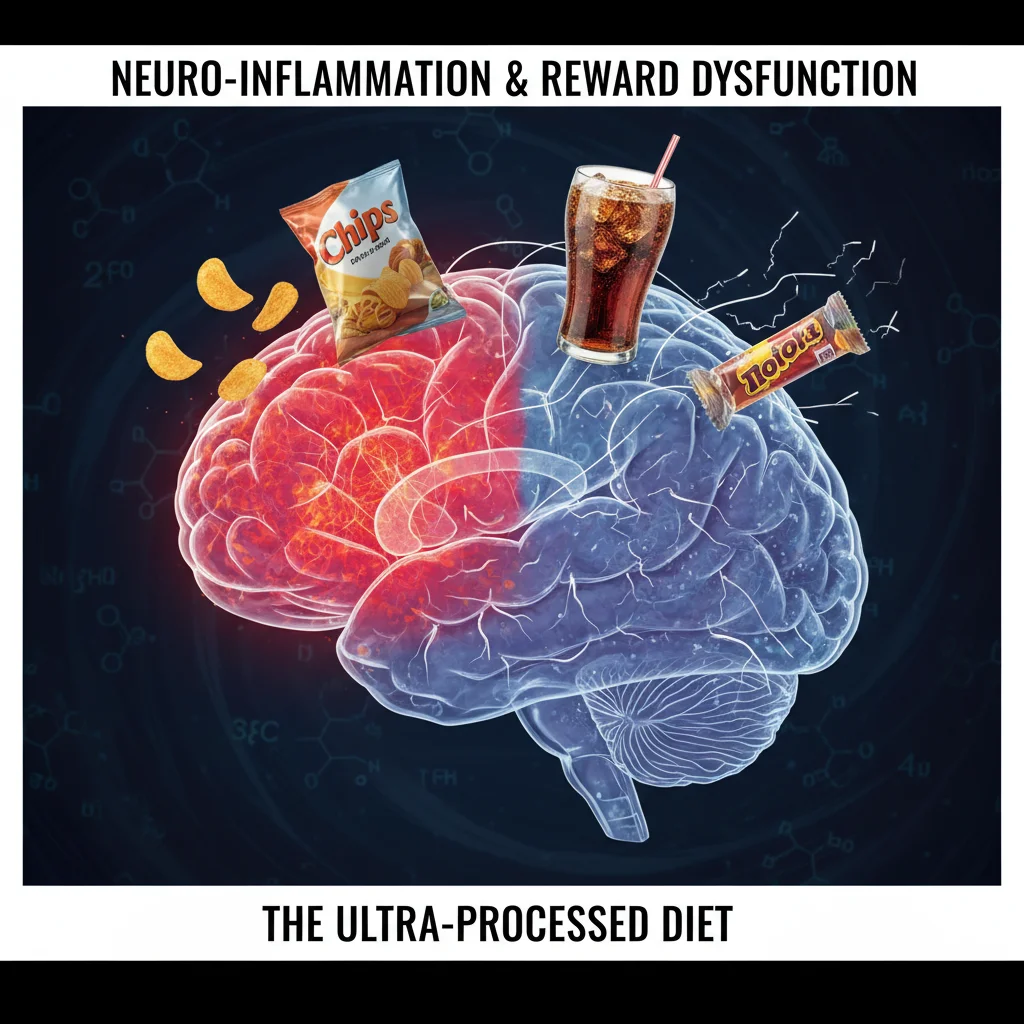
The gut-brain axis is a rapidly expanding area of research, and it reveals another troubling aspect of ultra-processed foods. Diets rich in UPFs, which are typically low in fiber and diverse nutrients, can negatively alter the gut microbiome. A dysbiotic gut is linked to increased inflammation throughout the body, including the brain. This neuroinflammation is implicated in a higher risk of depression, anxiety, and even cognitive decline. The high sugar content can also contribute to mood swings and energy crashes, further impacting mental well-being. Studies from 2026 are increasingly focusing on the precise molecular mechanisms by which UPFs influence brain health and mental resilience.
Gut Microbiome Disruption
The human gut hosts trillions of microorganisms that play a crucial role in digestion, immunity, and even mood. Ultra-processed foods, with their lack of fiber, high sugar content, and artificial additives, can severely disrupt the delicate balance of the gut microbiome. This dysbiosis can lead to:
- Reduced Microbial Diversity: A less diverse microbiome is associated with various health problems.
- Increased Gut Permeability: Often referred to as ‘leaky gut’, which allows harmful substances to enter the bloodstream, triggering inflammation.
- Impaired Immune Function: A significant portion of the immune system resides in the gut.
Maintaining a healthy gut microbiome through a diet rich in whole, unprocessed foods is now recognized as fundamental to overall health, making the avoidance of ultra-processed foods a key strategy.
Other Emerging Concerns
Beyond these major health categories, research in 2026 is also exploring links between ultra-processed foods and:
- Autoimmune Diseases: The inflammatory and gut-disrupting effects may exacerbate or trigger autoimmune conditions.
- Allergies and Asthma: Especially in children, though more direct causal links are still being investigated.
- Sleep Disturbances: Poor diet often correlates with poor sleep quality.
- Reproductive Health Issues: Preliminary studies suggest potential impacts on fertility and hormonal balance.
Navigating the Modern Food Landscape: Identifying Ultra-Processed Foods
Given their pervasive nature, simply saying ‘avoid ultra-processed foods’ can feel overwhelming. The first step is learning to identify them. Look beyond the marketing claims and focus on the ingredient list:
- Long Ingredient Lists: The longer the list, the more processed the food likely is.
- Unfamiliar Ingredients: If you don’t recognize an ingredient as something you’d find in a home kitchen (e.g., high-fructose corn syrup, hydrogenated oils, emulsifiers, artificial flavors, protein isolates), it’s a red flag.
- Added Sugars in Many Forms: Dextrose, maltose, corn syrup, fruit juice concentrate, sucrose, glucose-fructose syrup are all forms of added sugar.
- Artificial Colors and Flavors: Often indicated by numbers or specific chemical names.
Remember, not all processed foods are ultra-processed. Minimally processed foods like pre-cut vegetables, roasted nuts, or plain yogurt are generally fine. It’s the industrial formulations with numerous additives and little intact whole food that pose the greatest risk.
Practical Strategies for Reducing Ultra-Processed Foods
Transitioning away from a diet high in ultra-processed foods doesn’t have to be drastic or immediate. Small, consistent changes can lead to significant improvements. Here are actionable strategies for 2026 and beyond:
1. Prioritize Whole, Unprocessed Foods
This is the cornerstone of a healthy diet. Focus on:
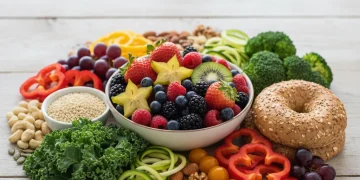
- Fruits and Vegetables: Aim for a wide variety of colors. Fresh, frozen, or canned (without added sugar/salt) are all good options.
- Whole Grains: Oats, brown rice, quinoa, whole wheat bread/pasta instead of refined grains.
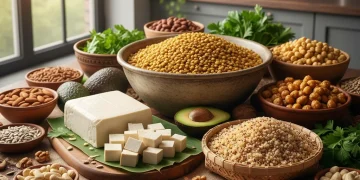
- Lean Proteins: Chicken, fish, beans, lentils, eggs, tofu, nuts, and seeds.
- Healthy Fats: Avocados, olive oil, nuts, seeds.
Making these the foundation of your meals naturally crowds out ultra-processed options.
2. Cook More at Home
Home cooking gives you complete control over ingredients. Even simple meals prepared from scratch are healthier than most ready-made options. Batch cooking on weekends can save time during busy weekdays. Explore new recipes and make cooking a fun, family activity.
3. Read Food Labels Diligently
Become a savvy shopper. Always check the ingredient list. If the first few ingredients are sugar, unhealthy fats, or refined grains, put it back. Look for products with short ingredient lists and recognizable items.
4. Plan Your Meals and Snacks
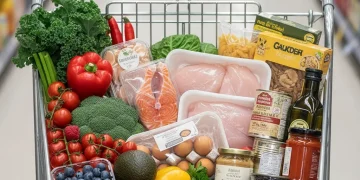
Impulse purchases often lead to UPF consumption. Plan your meals for the week, create a shopping list, and stick to it. Prepare healthy snacks like fruit, nuts, yogurt, or vegetable sticks to avoid reaching for convenience foods when hunger strikes.
5. Limit Sugary Drinks
Sodas, fruit juices (even 100% fruit juice can be high in sugar), and sweetened teas are major sources of added sugars and ultra-processed ingredients. Opt for water, unsweetened tea, or sparkling water with a slice of lemon or lime.
6. Be Wary of ‘Health Washed’ Products
Many ultra-processed foods are marketed as ‘healthy,’ ‘natural,’ or ‘organic.’ Don’t be fooled by front-of-package claims. Always check the ingredient list and nutritional information to make an informed choice. A granola bar might seem healthy, but if it’s full of added sugars and artificial ingredients, it’s still a UPF.
7. Gradual Reduction
Don’t try to overhaul your entire diet overnight. Start by eliminating one or two ultra-processed items from your daily routine and gradually replace them with healthier alternatives. For example, swap your sugary breakfast cereal for oatmeal with fruit, or replace afternoon chips with an apple and a handful of almonds.

Healthy Alternatives to Common Ultra-Processed Foods
Here are direct swaps for some of the most common ultra-processed culprits:
- Instead of Sugary Breakfast Cereals: Opt for rolled oats with berries and nuts, plain Greek yogurt with fruit, or scrambled eggs with vegetables.
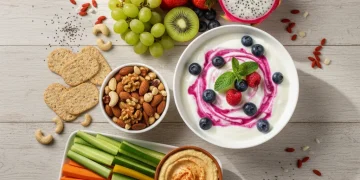
- Instead of Packaged Snacks (chips, cookies, crackers): Choose fresh fruit, raw vegetables with hummus, a handful of unsalted nuts, air-popped popcorn, or whole-grain crackers with cheese.
- Instead of Sodas and Sweetened Beverages: Drink water, unsweetened tea, coffee (in moderation), or infuse water with fruits and herbs.
- Instead of Processed Meats (hot dogs, deli slices, bacon): Select fresh cuts of lean meat, poultry, fish, or plant-based proteins like beans and lentils.
- Instead of Instant Noodles or Frozen Ready Meals: Prepare simple meals like stir-fries with fresh vegetables and protein, homemade soups, or salads with whole grains.
- Instead of Store-Bought Dressings and Sauces: Make your own vinaigrette with olive oil, vinegar, and herbs, or use lemon juice and spices.
These alternatives are not only healthier but often more flavorful and satisfying in the long run.
The Broader Impact: Public Health and Policy in 2026
The fight against ultra-processed foods isn’t just an individual responsibility; it’s a public health challenge. Governments and health organizations worldwide are increasingly recognizing the need for policy interventions to curb UPF consumption. In 2026, discussions are ongoing regarding:
- Front-of-Pack Labeling: Clear, easy-to-understand labels (e.g., ‘Nutri-score’ or warning labels) that highlight high sugar, salt, and fat content.
- Marketing Restrictions: Limiting the advertising of UPFs, especially to children.
- Fiscal Policies: Taxes on sugary drinks and other unhealthy foods, with revenues potentially funding health initiatives or subsidizing healthy options.
- Promoting Healthy Food Environments: Ensuring access to affordable fresh produce in all communities, including food deserts.
- Dietary Guidelines: Updating national dietary guidelines to explicitly advise against UPF consumption.
These systemic changes, alongside individual choices, are crucial for creating a healthier food environment for future generations. The collective effort to reduce the reliance on ultra-processed foods is a testament to the growing awareness of their detrimental effects.
Conclusion: A Healthier Future, One Choice at a Time
The evidence is clear and continues to strengthen: ultra-processed foods pose significant risks to our health, contributing to obesity, cardiovascular diseases, Type 2 diabetes, certain cancers, mental health issues, and gut microbiome disruption. As we navigate 2026, the urgency to address this dietary challenge has never been greater.
While the modern food system presents its complexities, empowering ourselves with knowledge and making conscious food choices can lead to profound improvements in our well-being. By prioritizing whole, unprocessed foods, cooking more at home, reading labels, and making gradual, sustainable changes, we can reclaim our health from the grip of ultra-processed foods. It’s a journey, not a destination, but every step towards a more natural, nourishing diet is a step towards a healthier, more vibrant life. The future of our health, and that of our planet, depends on these informed decisions.