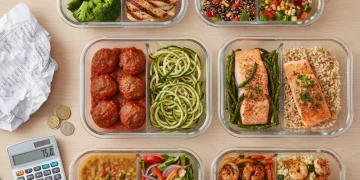
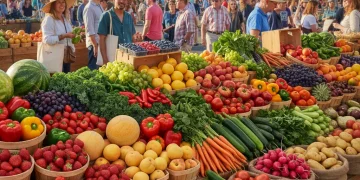
Smart Shopping for Quick Meals: Reduce Your Grocery Bill by 18% in 3 Months
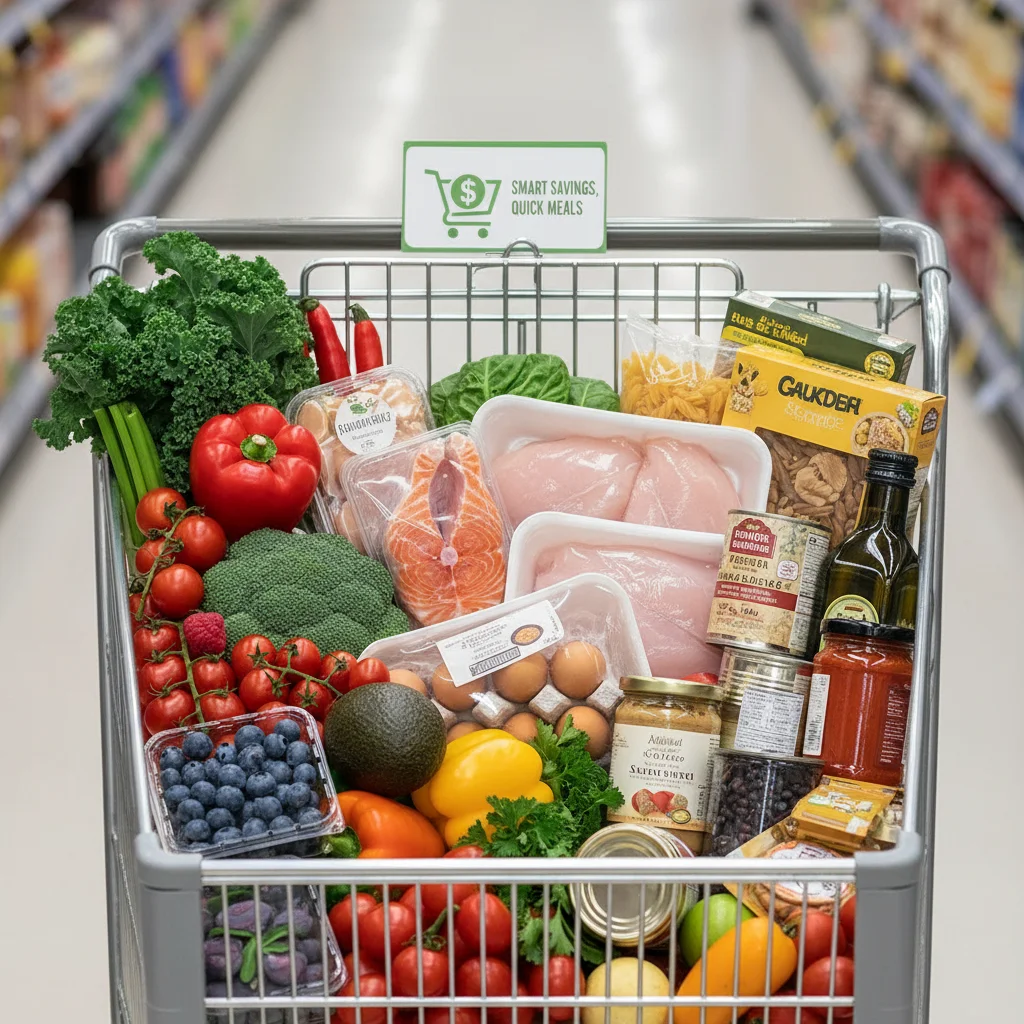
Smart Shopping for Quick Meals: Reduce Your Grocery Bill by 18% in 3 Months
In an era where every penny counts, the rising cost of living has made budgeting a necessity for households worldwide. One of the most significant and often overlooked areas where substantial savings can be made is grocery shopping. It’s not just about finding the cheapest items; it’s about adopting smart grocery shopping strategies that transform how you buy, store, and consume food. This comprehensive guide will walk you through actionable steps, proven techniques, and expert insights designed to help you reduce your grocery bill by a remarkable 18% in just three months, all while ensuring you can still prepare quick, delicious, and healthy meals.
Many people view grocery shopping as a chore, a necessary evil in the weekly routine. However, with the right approach, it can become an empowering exercise in financial control and culinary creativity. Imagine having more money in your pocket, less food waste in your bin, and a repertoire of easy-to-make meals that don’t compromise on nutrition or flavor. This isn’t a pipe dream; it’s an achievable reality with smart grocery shopping.
We understand that life is busy. Between work, family, and personal commitments, finding time to meticulously plan meals and hunt for deals can seem daunting. That’s precisely why this guide focuses on efficient, time-saving methods that seamlessly integrate into your lifestyle. We’ll show you how to streamline your shopping process, make informed decisions at the supermarket, and leverage your purchases to create quick, satisfying meals without the stress.
The Foundation of Smart Grocery Shopping: Planning is Power
The cornerstone of successful and budget-friendly grocery shopping is meticulous planning. Impulse buys and last-minute decisions are the silent killers of your food budget. By investing a little time upfront, you can save a significant amount of money and stress throughout the week. This is where your journey to smart grocery shopping truly begins.
1. Master the Art of Meal Planning
Before you even think about stepping foot in a grocery store, sit down and plan your meals for the entire week. This isn’t just about deciding what to eat; it’s about creating a cohesive plan that maximizes ingredients and minimizes waste. Consider the following:
- Theme Nights: Assign themes to days (e.g., Meatless Monday, Taco Tuesday, Pasta Thursday). This simplifies decision-making.
- Ingredient Overlap: Plan meals that share common ingredients. For example, if you buy a head of broccoli, plan to use it in multiple dishes – stir-fry one night, roasted side dish another.
- Utilize Leftovers: Think about how leftovers from one meal can be repurposed for another. Leftover roast chicken can become chicken salad sandwiches or a quick soup.
- Balance and Nutrition: Ensure your meal plan provides a balanced diet. Don’t sacrifice health for savings.
A well-thought-out meal plan is your roadmap to smart grocery shopping. It ensures you only buy what you need, reducing food waste and unexpected expenses.
2. Create a Detailed Shopping List (and Stick to It!)
Once your meal plan is solid, translate it into a detailed shopping list. Organize your list by supermarket aisle (produce, dairy, pantry, frozen, etc.). This saves time in the store and prevents you from backtracking, which often leads to impulse purchases.
- Check Your Pantry First: Before adding anything to your list, check what you already have. You might be surprised by how many ingredients are lurking in the back of your cupboards.
- Quantify Everything: Instead of writing ‘milk,’ specify ‘1 gallon of 2% milk.’ This eliminates guesswork.
- Prioritize Needs vs. Wants: Distinguish between essential items and discretionary treats. Focus on the essentials first.
Sticking to your list is paramount. Treat it like a sacred document. Every deviation is a potential budget breach. This discipline is a key component of smart grocery shopping.
3. Track Your Spending: Know Where Your Money Goes
To truly reduce your grocery bill, you need to understand your current spending habits. For one month, meticulously track every single grocery purchase. Use a spreadsheet, a budgeting app, or even a simple notebook. Categorize your spending (e.g., produce, meat, snacks, beverages). This will reveal your spending patterns and highlight areas where you can cut back. This awareness is a powerful tool in your smart grocery shopping arsenal.
Strategic Shopping: Maximizing Your Savings at the Store
Armed with your meal plan and shopping list, you’re ready to hit the supermarket. But smart grocery shopping isn’t just about what you buy; it’s also about how you buy it. These strategies will help you navigate the aisles like a seasoned pro, ensuring you get the best value for your money.
1. Embrace Sales and Coupons Wisely
Sales and coupons can be powerful savings tools, but only if used strategically. Don’t buy something just because it’s on sale if it’s not on your list or won’t be used. That’s not smart grocery shopping; that’s falling into a marketing trap.
- Flyers and Apps: Peruse weekly flyers from your local supermarkets before you shop. Plan your meals around items that are genuinely on sale and that you would normally buy. Many stores also have digital coupons and loyalty programs accessible via their apps.
- Price Matching: Some stores offer price matching. If you see a better deal at a competitor, check if your preferred store will match it.
- Stock Up on Staples: When non-perishable items or freezable goods (like meat or certain vegetables) that you regularly use go on a significant sale, consider buying in bulk. But only if you have the storage space and will genuinely use them before they expire.
2. Compare Unit Prices, Not Just Sticker Prices
One of the most effective smart grocery shopping techniques is comparing unit prices. This is the price per ounce, pound, or item, usually displayed on the shelf label. A larger package might seem like a better deal, but often the unit price reveals that the smaller package is actually cheaper, or vice-versa. Always check the unit price to determine the true value.
3. Shop the Perimeter First
The freshest, healthiest, and often least processed foods are typically found around the perimeter of the grocery store: produce, dairy, meat, and seafood. The inner aisles are where processed foods, snacks, and sugary drinks tend to reside. By shopping the perimeter first, you fill your cart with nutritious essentials, leaving less room and budget for impulse junk food buys.
4. Buy In-Season Produce and Consider Frozen
Produce that is in season is not only fresher and more flavorful but also significantly cheaper. Learn what’s in season in your region and adjust your meal plans accordingly. For items out of season, or for convenience, don’t shy away from frozen fruits and vegetables. They are often picked at their peak ripeness and flash-frozen, locking in nutrients, and are frequently more affordable than their fresh, out-of-season counterparts. This is a brilliant smart grocery shopping hack.

5. Avoid Shopping When Hungry
This is a classic but crucial tip. Shopping on an empty stomach leads to impulsive purchases, especially of high-calorie, less healthy snacks. Eat a meal or a substantial snack before you go to the store to ensure you make rational, budget-conscious decisions. Your smart grocery shopping efforts will thank you.
6. Choose Store Brands Over Name Brands
Many store-brand products are manufactured in the same factories as their name-brand counterparts, often using the same ingredients, but sold at a fraction of the cost. Give store brands a try for pantry staples like pasta, rice, canned goods, and basic dairy products. You might be pleasantly surprised by the quality and the savings.
7. Utilize Loyalty Programs and Cash-Back Apps
Sign up for every loyalty program offered by the grocery stores you frequent. These often provide exclusive discounts, personalized coupons, and points that can be redeemed for future savings. Additionally, explore cash-back apps that offer rewards for purchasing specific items or for uploading your receipts. These small savings add up significantly over time, making them a vital part of smart grocery shopping.
Beyond the Checkout: Reducing Waste and Maximizing Your Purchases
Smart grocery shopping doesn’t end when you leave the store. What you do with your groceries once you get home can have a profound impact on your budget and your ability to prepare quick meals. Food waste is a massive drain on finances and resources, and by minimizing it, you amplify your savings.
1. Proper Storage is Key
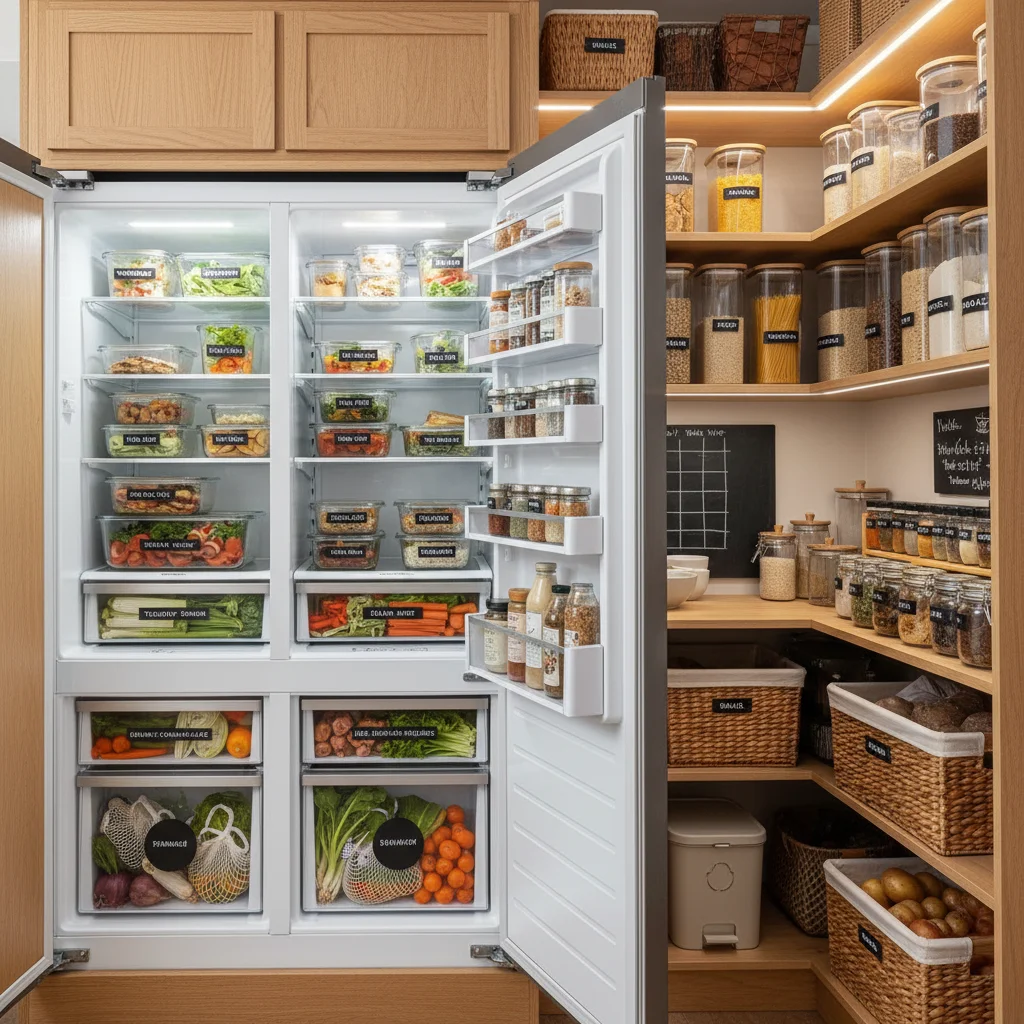
Understanding how to properly store different types of food can extend their shelf life and prevent spoilage. This is a critical aspect of smart grocery shopping.
- Refrigeration: Store fruits and vegetables in their designated drawers. Keep meats and dairy in the coldest parts of the fridge.
- Pantry Organization: Use airtight containers for dry goods like flour, sugar, and grains to keep them fresh and free from pests. Label everything with purchase and expiration dates.
- Freezing: Learn what can be frozen. Bread, meat, many vegetables, and even some dairy products can be frozen for later use, preventing them from going bad.
2. Embrace Batch Cooking and Meal Prepping
One of the best ways to ensure quick meals throughout the week and reduce the temptation for expensive takeout is batch cooking. Dedicate a few hours on a weekend to prepare components of meals or entire dishes.
- Cook Grains in Bulk: Cook a large batch of rice, quinoa, or pasta at the beginning of the week.
- Chop Vegetables: Pre-chop vegetables for stir-fries, salads, or snacks.
- Prepare Proteins: Cook a large batch of chicken, ground meat, or beans to be used in various meals.
- Make Sauces and Dressings: Prepare homemade dressings and sauces that can last for several days.
Meal prepping aligns perfectly with smart grocery shopping because it ensures that the ingredients you bought are actually used efficiently and transformed into convenient, healthy meals.
3. Repurpose Leftovers Creatively
Don’t let leftovers languish in the back of the fridge. Get creative! A simple way to reduce food waste and extend your smart grocery shopping efforts is to give leftovers a new lease on life.
- Soups and Stews: Almost any leftover vegetable or protein can be transformed into a hearty soup or stew.
- Stir-fries and Fried Rice: Excellent for using up small amounts of cooked meat and vegetables.
- Frittatas and Omelets: Perfect for incorporating leftover cooked veggies, cheeses, and meats.
- Sandwich Fillings: Shredded chicken or beef can be mixed with mayonnaise and spices for a quick sandwich filling.
4. Understand ‘Best By’ vs. ‘Use By’ Dates
Many people throw out perfectly good food because they misunderstand date labels. ‘Best By’ or ‘Best Before’ dates refer to quality, not safety. Food might still be perfectly safe to eat after this date, though its flavor or texture might decline. ‘Use By’ or ‘Expiration’ dates are more about safety and should be taken more seriously, especially for perishable items. Educating yourself on these distinctions is a simple yet powerful smart grocery shopping strategy to reduce waste.
Quick Meal Solutions for Busy Lifestyles
The goal of smart grocery shopping isn’t just to save money; it’s also to facilitate a healthier, less stressful eating routine. Here are some categories of quick meals that you can easily incorporate into your weekly plan, leveraging your strategically purchased ingredients.
1. One-Pan/One-Pot Wonders
These meals are a godsend for busy weeknights. Minimal cleanup, maximum flavor. Think sheet pan dinners with roasted vegetables and protein, or a hearty one-pot pasta dish. They are perfect for using up various ingredients bought during your smart grocery shopping trip.
2. Stir-Fries and Noodle Bowls
Quick to cook and incredibly versatile, stir-fries are ideal for using up leftover vegetables and proteins. Pair them with rice or noodles for a complete meal. Keep a variety of sauces and spices on hand to change up the flavor profile.
3. Speedy Salads with Substance
Salads don’t have to be boring. With a base of leafy greens, add protein (canned tuna, cooked chicken, hard-boiled eggs), complex carbohydrates (quinoa, chickpeas), and plenty of colorful vegetables. Prepare dressings in advance for even quicker assembly.
4. Wraps, Tacos, and Quesadillas
These are fantastic for repurposing leftovers or quickly assembling fresh ingredients. Use tortillas as a base and fill them with anything from scrambled eggs and beans to shredded chicken and salsa. They are quick, customizable, and satisfying.
Advanced Smart Grocery Shopping Tactics
Once you’ve mastered the basics, consider these advanced strategies to push your savings even further and elevate your smart grocery shopping game.
1. Explore Ethnic Markets and Farmer’s Markets
Often, ethnic markets can offer significantly lower prices on produce, spices, and certain pantry staples compared to conventional supermarkets. Farmer’s markets, especially towards the end of the day, can also be a goldmine for fresh, seasonal produce at reduced prices. Building relationships with vendors can sometimes lead to even better deals.
2. Consider Discount Grocers or Bulk Stores
Stores like Aldi, Lidl, or Costco/Sam’s Club can offer substantial savings. Discount grocers often have a rotating stock of unique items, while bulk stores are excellent for non-perishables if you have the storage space and will use the items. Always compare unit prices, as not everything is a deal.
3. Grow Your Own Herbs and Some Produce
Even a small herb garden on a windowsill can save you money on fresh herbs, which can be surprisingly expensive at the grocery store. If you have outdoor space, consider growing some of your most frequently used vegetables. This is the ultimate form of smart grocery shopping, cutting out the middleman entirely.
4. Cook from Scratch More Often
Pre-packaged meals, convenience foods, and restaurant take-out are almost always more expensive than cooking from scratch. By making more meals at home, you have complete control over ingredients and costs. This doesn’t mean spending hours in the kitchen; many quick meals can be prepared from scratch in under 30 minutes.
5. The “Use It Up” Challenge
Once a month, declare a “use it up” week. During this time, challenge yourself to create meals exclusively from ingredients you already have in your pantry, fridge, and freezer. This forces creativity, reduces waste, and postpones your next grocery trip, leading to significant savings. It’s a fun and effective smart grocery shopping exercise.
The Road to 18% Savings in 3 Months: A Step-by-Step Approach
Achieving an 18% reduction in your grocery bill within three months is an ambitious but entirely attainable goal with consistent application of these smart grocery shopping principles. Here’s a suggested timeline:
Month 1: Foundation and Awareness
- Week 1: Track Everything. Meticulously record all grocery spending.
- Week 2: Meal Plan & List Master. Implement weekly meal planning and strict adherence to a shopping list.
- Week 3: Sales & Unit Prices. Actively use flyers, coupons, and compare unit prices.
- Week 4: Storage & Initial Waste Reduction. Focus on proper food storage and creative use of initial leftovers.
Expected Savings: 5-8%
Month 2: Optimization and Efficiency
- Week 5: Batch Cooking & Prepping. Dedicate time to batch cooking and meal prepping.
- Week 6: Store Brand Exploration. Experiment with store brands for common items.
- Week 7: Advanced Sales Tactics. Explore loyalty programs and cash-back apps more aggressively.
- Week 8: “Use It Up” Challenge (Mini). Attempt a 3-day challenge to use existing ingredients.
Expected Savings: Additional 5-7% (Total 10-15%)
Month 3: Refinement and Long-Term Habits
- Week 9: Market Diversification. Visit an ethnic market or farmer’s market for specific items.
- Week 10: Scratch Cooking Focus. Challenge yourself to cook more meals entirely from scratch.
- Week 11: Full “Use It Up” Challenge. Implement a full week of using up existing inventory.
- Week 12: Review and Adjust. Analyze your spending data over the three months. Identify what worked best and refine your smart grocery shopping strategies for continuous savings.
Expected Savings: Additional 3-5% (Total 13-20%)
By consistently applying these smart grocery shopping techniques, you will not only reach your 18% savings goal but also develop sustainable habits that will benefit your budget and your health for years to come. Remember, consistency is key. Each small step you take towards more mindful shopping contributes to significant long-term savings.
Conclusion: The Lasting Impact of Smart Grocery Shopping
Reducing your grocery bill by 18% in just three months might sound ambitious, but as we’ve explored, it’s entirely achievable through a combination of diligent planning, strategic shopping, and mindful consumption. Smart grocery shopping isn’t about deprivation; it’s about making smarter choices that lead to greater financial freedom and a more organized, less wasteful kitchen.
By embracing meal planning, sticking to your list, comparing prices, minimizing food waste, and leveraging quick meal solutions, you’ll transform your relationship with food and your finances. The benefits extend beyond monetary savings: you’ll eat healthier, reduce your environmental footprint, and gain valuable cooking and organizational skills.
Start today. Pick one or two smart grocery shopping tips from this guide and integrate them into your routine. As you build momentum, add more strategies. Before you know it, you’ll be a grocery-saving guru, enjoying delicious, quick meals without breaking the bank. Your wallet and your waistline will thank you.