Are you tired of rummaging through a cluttered pantry every time you try to cook? Does the thought of meal prepping feel overwhelming because you can never find what you need? Imagine a world where every ingredient has its place, where your pantry is a source of inspiration rather than frustration, and where meal preparation becomes a joyful, seamless process. This isn’t a far-fetched dream; it’s an achievable reality with our ‘1-Hour Kitchen Pantry Reset: Organize for Faster Meal Prep This Month’ guide. We’re going to dive deep into the world of pantry organization meal prep, showing you how a small investment of your time can yield monumental returns in your kitchen efficiency and overall well-being.
A well-organized pantry is the unsung hero of any efficient kitchen. It’s not just about aesthetics; it’s about functionality, saving money, reducing food waste, and, most importantly, making your daily cooking and meal prep routines significantly easier. When you know exactly what you have and where it is, you’re less likely to buy duplicates, let ingredients expire, or spend precious minutes searching for that elusive can of diced tomatoes. This comprehensive guide will walk you through a step-by-step process to transform your pantry from chaos to calm in just 60 minutes, focusing on strategies that directly support faster and more enjoyable meal preparation.
The Core Benefits of a Streamlined Pantry for Meal Prep
Before we roll up our sleeves and dive into the practical steps, let’s briefly touch upon why investing this hour into pantry organization meal prep is so crucial. The benefits extend far beyond just a pretty-looking space:
- Saves Time: This is perhaps the most immediate and impactful benefit. No more hunting for ingredients. When everything is visible and accessible, your meal prep time is drastically cut down.
- Reduces Food Waste: An organized pantry makes it easier to see what you have, helping you use ingredients before they expire. This translates to less food in the bin and more money in your pocket.
- Saves Money: By knowing your inventory, you avoid buying items you already possess. This mindful shopping practice significantly reduces your grocery bill over time.
- Encourages Healthier Eating: When healthy ingredients are easily accessible and visible, you’re more likely to use them. A well-stocked, organized pantry can be a powerful motivator for preparing nutritious meals at home.
- Reduces Stress: A chaotic environment can be a major source of stress. A tidy, functional pantry brings a sense of calm and control to your kitchen, making cooking a more enjoyable experience.
- Boosts Creativity: When you can clearly see all your options, you’re more likely to experiment with new recipes and combinations, leading to more diverse and exciting meals.
Understanding these benefits can be a powerful motivator as we embark on our 1-hour pantry transformation. Remember, this isn’t just about cleaning; it’s about optimizing a core part of your home for a more efficient and pleasant lifestyle.
Phase 1: The 15-Minute Purge – Empty and Evaluate
The first and often most daunting step in any organization project is the purge. But don’t worry, we’re doing this quickly and efficiently. Set a timer for 15 minutes and get ready to work!
Step 1: Empty Everything Out (5 minutes)
Yes, everything. Pull every single item out of your pantry shelves. Lay items out on your kitchen counter, dining table, or even a clean floor space. This might seem counterintuitive for a quick reset, but it’s essential for a clear overview of what you’re working with. This step is about speed, not tidiness. Just get it out!
Step 2: Quick Sort and Declutter (10 minutes)
Now, with everything out in the open, it’s time for a rapid-fire sorting session. Create three piles:
- Keep: Items that are in date, used regularly, and in good condition.
- Toss: Anything expired, stale, opened for too long, or clearly spoiled. Be ruthless here! If in doubt, toss it out.
- Donate/Relocate: Items that are still good but you won’t use (e.g., a spice you bought for one recipe and never touched again), or items that don’t belong in the pantry (e.g., cleaning supplies, pet food, non-food kitchen gadgets).
Focus on making quick decisions. Don’t get bogged down in sentimental value or ‘what ifs.’ The goal is to reduce clutter and keep only what genuinely serves your meal prep needs. This quick declutter is the foundation of effective pantry organization meal prep.
Phase 2: The 20-Minute Clean and Categorize – Setting the Stage
With your pantry empty and decluttered, it’s time to clean and start thinking about how to group your items logically. This phase is crucial for establishing a functional system.
Step 1: Clean Your Pantry (5 minutes)
Give your empty pantry shelves a good wipe down. Use a damp cloth with a mild all-purpose cleaner. If you have shelf liners, now is a good time to wipe them or replace them if they’re looking worn. A clean slate makes a huge difference in how organized your space feels.
Step 2: Create Categories (15 minutes)
This is where the magic of pantry organization meal prep truly begins. Group your ‘Keep’ pile into logical categories. Think about how you cook and what makes sense for your meal prep flow. Common categories include:
- Baking Supplies: Flour, sugar, baking soda, chocolate chips, sprinkles, etc.
- Grains & Pasta: Rice, quinoa, pasta, couscous, oats.
- Canned Goods: Beans, tomatoes, vegetables, soups.
- Snacks: Granola bars, nuts, dried fruit, crackers.
- Spices & Seasonings: All your herbs and spices.
- Oils & Vinegars: Olive oil, vegetable oil, balsamic vinegar, apple cider vinegar.
- Breakfast Items: Cereal, pancake mix, syrup (if not refrigerated).
- Sauces & Condiments: Ketchup, mustard, soy sauce, hot sauce (check for refrigeration requirements).
- Meal Kits/Quick Meals: Instant noodles, boxed mac & cheese, quick-prep items.
Don’t overthink it. Just group similar items together. This step is about creating a mental map of your pantry, which will guide where things go in the next phase.
Phase 3: The 25-Minute Optimize and Organize – Smart Storage Solutions
Now that your pantry is clean and your items are categorized, it’s time to put everything back in a way that promotes efficiency and easy access for meal prep. This is where strategic storage comes into play.
Step 1: Invest in Smart Storage (If You Haven’t Already) (5 minutes)
While you don’t need to buy all new containers, having a few key organizational tools can make a huge difference. If you have them, now’s the time to utilize them. If not, consider these budget-friendly options for future improvements:
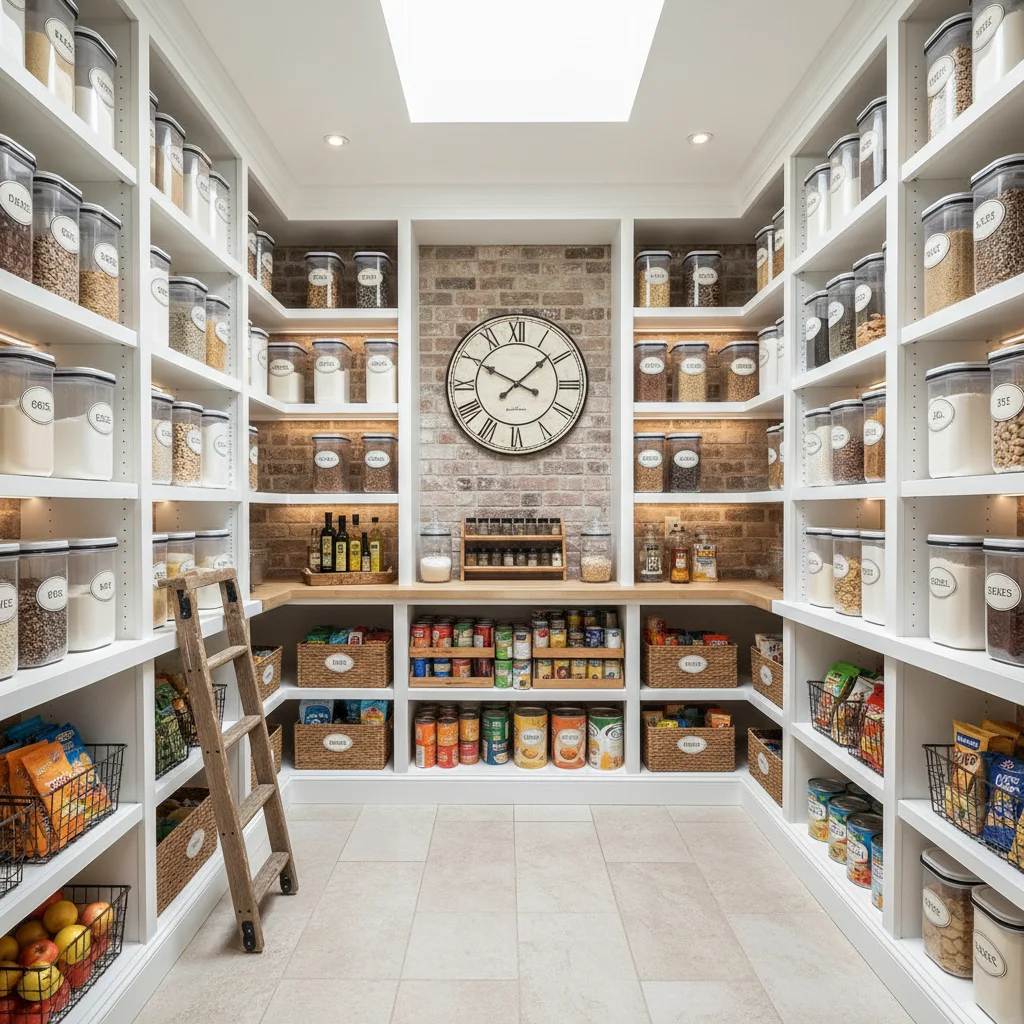
- Clear, Airtight Containers: Ideal for dry goods like flour, sugar, pasta, rice, and oats. They keep food fresh, prevent spills, and allow you to see contents at a glance.
- Baskets or Bins: Great for corralling smaller items, snacks, or oddly shaped packages. Wire baskets, plastic bins, or even fabric storage cubes work well.
- Tiered Shelving/Spice Racks: Maximize vertical space and ensure smaller items (like spices or canned goods) don’t get lost at the back of deep shelves.
- Shelf Dividers: Perfect for keeping stacks of plates, cutting boards, or baking sheets upright and organized.
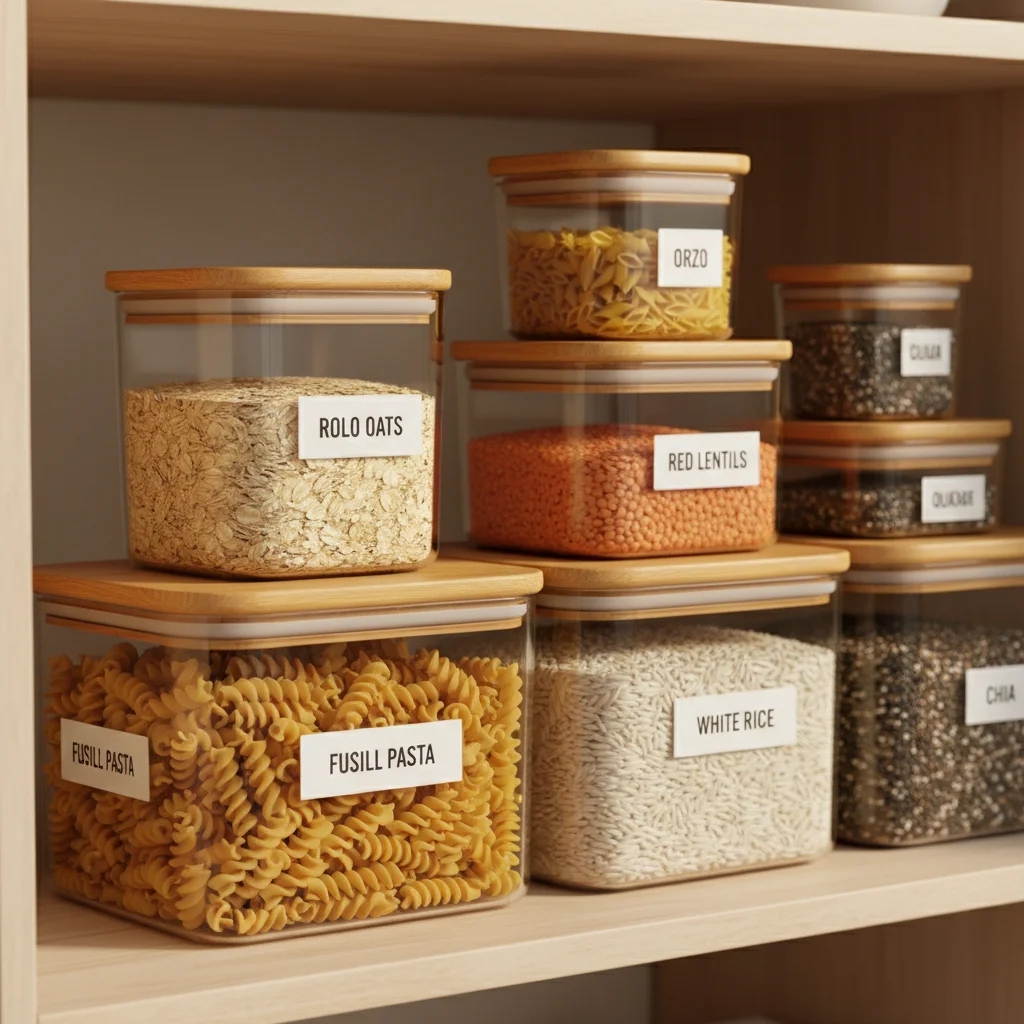
Even without new purchases, you can use existing containers or simply group items tightly together. The key is to create defined zones.
Step 2: Zone Your Pantry (10 minutes)
Think about your pantry in terms of zones. Place frequently used items at eye level and within easy reach. Heavier or bulkier items should go on lower shelves, and less frequently used items on higher shelves.
- Eye Level: Everyday essentials, frequently used spices, snacks, and ingredients for your go-to meal prep recipes.
- Mid-Level: Canned goods, baking supplies, grains, and pasta.
- Lower Shelves: Bulkier items like large bags of flour or sugar, extra stock of non-perishables, small appliances (if stored in the pantry).
- Upper Shelves: Infrequently used items, seasonal supplies, or overflow.
Consider the ‘first in, first out’ (FIFO) principle. When restocking, place newer items behind older ones to ensure you use older products first, further reducing waste.
Step 3: Label Everything (10 minutes)
This step is non-negotiable for lasting pantry organization meal prep success. Labels are your best friend. Whether you use a label maker, masking tape and a marker, or even sticky notes, clear labels ensure everyone in the household knows where things belong and what’s inside opaque containers. Label your containers, baskets, and even shelves if it helps define zones.
For dry goods in clear containers, include the item’s name and expiration date. This makes inventory management and meal planning much simpler.
Maintaining Your Organized Pantry: The Ongoing 5-Minute Tidy-Up
Congratulations! You’ve successfully completed your 1-hour pantry reset. But the work isn’t over. The real challenge is maintaining this newfound order. Here’s how to keep your pantry pristine with minimal effort:
- The 5-Minute Rule: Spend just five minutes each week (perhaps before your grocery run) doing a quick tidy-up. Straighten items, wipe up any spills, and check for anything that needs to be tossed or added to your shopping list.
- One In, One Out: When you buy new items, integrate them into your system immediately. Don’t just shove them wherever they fit.
- Regular Inventory Checks: Before you create your weekly meal plan or grocery list, do a quick scan of your pantry. This prevents overbuying and helps you plan meals around what you already have.
- Involve the Family: If others use the pantry, ensure they understand the system. Labels help immensely here!
- Decant Smartly: When you buy bulk items, decant them into your airtight containers as soon as you get home. This keeps your pantry looking consistent and organized.
By incorporating these small habits, your organized pantry won’t revert to its former chaotic state. This ongoing maintenance is key to long-term pantry organization meal prep success.
Pantry Organization for Specific Meal Prep Needs
Now, let’s look at how this organized pantry directly supports various meal prep strategies:
Bulk Cooking & Batch Prepping
When you’re doing a big batch cook, having ingredients easily accessible is paramount. Imagine needing five different spices, three types of canned goods, and two kinds of grains. In a disorganized pantry, this is a nightmare. In an organized one, you can grab everything in minutes, saving you valuable cooking time and reducing the mental load.
Grab-and-Go Snacks & Lunches
Designate a specific bin or shelf for grab-and-go items. This could include pre-portioned nuts, dried fruit, granola bars, or single-serving pouches. When you’re rushing out the door, these items are easy to spot and grab, preventing unhealthy impulse purchases.
Weekly Meal Kits
If you like to portion out ingredients for specific meals at the start of the week, your organized pantry makes this simple. You can quickly pull all the components for ‘Monday’s Stir-fry’ or ‘Tuesday’s Tacos’ and place them in a designated meal prep container or bag in your fridge.
Emergency Meals & Backup Staples
A well-stocked, organized pantry also serves as a safety net. Keep a section for ’emergency meals’ – non-perishable items that can be quickly assembled into a meal when you’re short on time or fresh ingredients. Think pasta, jarred sauce, canned tuna, and long-lasting grains.
Advanced Tips for Pantry Optimization
Once you’ve mastered the basics, consider these advanced tips to further enhance your pantry organization meal prep:
- Vertical Space Utilization: Don’t forget the back of your pantry door! Over-the-door organizers can hold spices, small jars, or even plastic wrap and foil. Stackable shelves and risers also help maximize height.
- Zone by Meal Type: Beyond general categories, you might create zones for ‘Breakfast,’ ‘Dinner Staples,’ or ‘Baking.’ This can be particularly helpful for specialized meal prep needs.
- Digital Inventory: For the truly dedicated, consider keeping a simple digital inventory (a spreadsheet or an app) of your pantry items, especially for bulk purchases. This helps with meal planning and ensures you never run out of critical ingredients.
- Temperature and Light Control: While not always possible, ideally, your pantry should be cool, dark, and dry. Avoid storing items near heat sources (like ovens or dishwashers) that can shorten shelf life.
- Repurpose and Upcycle: Before buying new containers, look around your house. Glass jars from sauces or pickles can be washed and reused for spices or small dry goods. Old shoeboxes, covered in decorative paper, can serve as inexpensive bins.
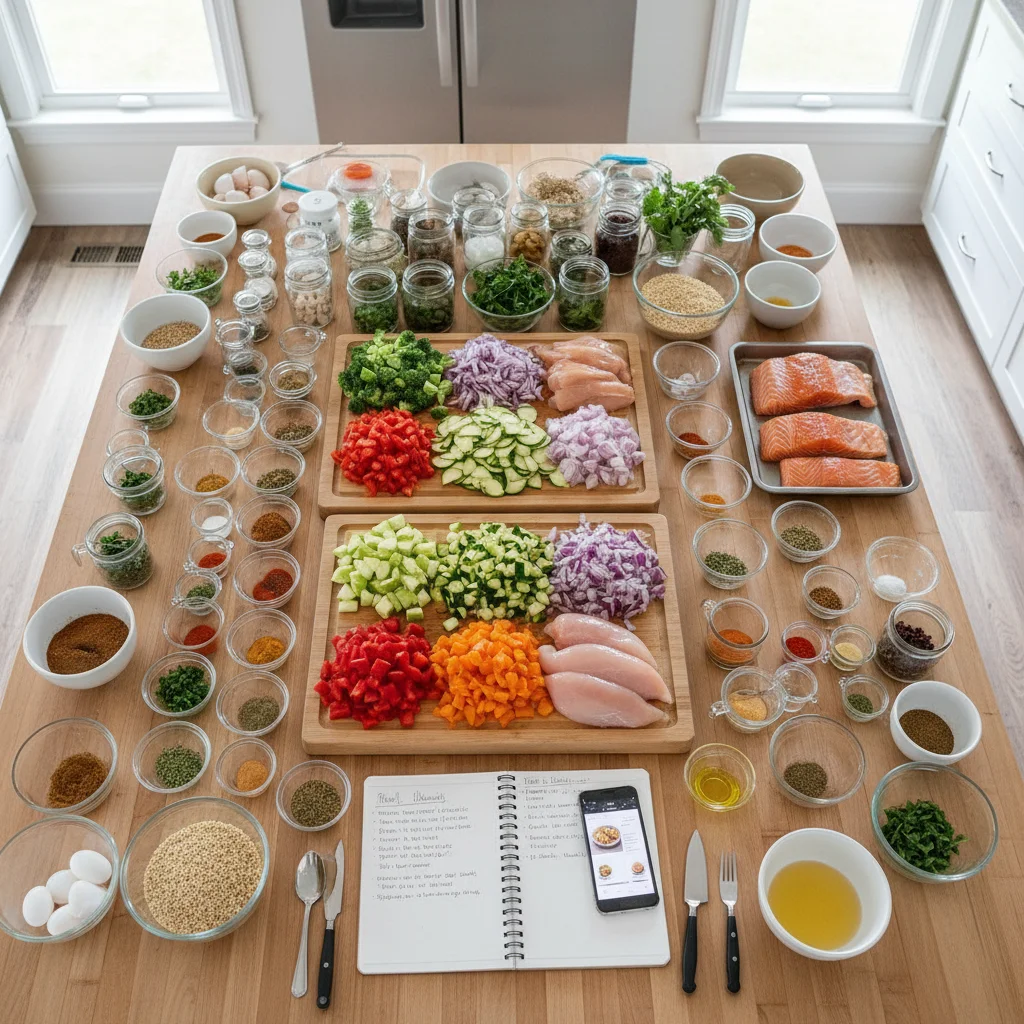
These tips can take your pantry from merely organized to truly optimized, turning it into a powerhouse for all your culinary endeavors.
Common Pantry Organization Mistakes to Avoid
Even with the best intentions, it’s easy to fall into common traps that can derail your pantry organization meal prep efforts. Be aware of these pitfalls:
- Over-Complicating the System: Don’t create a system that’s too elaborate or difficult to maintain. If it’s not intuitive, you won’t stick with it. Simplicity is key.
- Buying Too Many Storage Solutions: Resist the urge to buy every pretty container you see before you’ve decluttered and categorized. You might end up with more containers than you need or the wrong types.
- Not Labeling: This is a cardinal sin of organization. Unlabeled containers lead to confusion, wasted food, and a quick return to chaos.
- Ignoring Expiration Dates: Regularly checking and discarding expired items is crucial for food safety and preventing wasted space.
- Not Adapting the System: Your pantry needs might change over time. Be flexible and willing to adjust your organization system as your cooking habits or family needs evolve.
- Thinking It’s a One-Time Fix: Pantry organization is an ongoing process, not a one-and-done event. Regular, small maintenance efforts are far more effective than infrequent, massive overhauls.
By avoiding these common mistakes, you’ll ensure that your 1-hour pantry reset leads to lasting order and efficiency.
Conclusion: Your Path to Effortless Meal Prep Starts Here
In just one hour, you can transform your kitchen pantry from a source of stress into a beacon of efficiency. This ‘1-Hour Kitchen Pantry Reset: Organize for Faster Meal Prep This Month’ guide has provided you with a clear, actionable roadmap to achieve just that. By dedicating a mere 60 minutes to purging, cleaning, categorizing, and optimizing your pantry, you’re not just organizing a space; you’re investing in a smoother, less stressful, and more enjoyable cooking experience.
A well-organized pantry is the silent partner in successful meal preparation. It empowers you to quickly locate ingredients, inspires you to cook healthier meals, reduces food waste, and ultimately saves you precious time and money. Embrace the power of pantry organization meal prep, and watch as your kitchen becomes a more functional and harmonious heart of your home. Take the challenge today – set your timer, and reclaim your pantry!
Remember, consistency is key. A few minutes of maintenance each week will ensure your pantry remains a well-oiled machine, ready to support all your culinary adventures. Happy organizing, and even happier meal prepping!