Batch Cooking for Busy Weeks: 3 Recipes That Last 5 Days or More
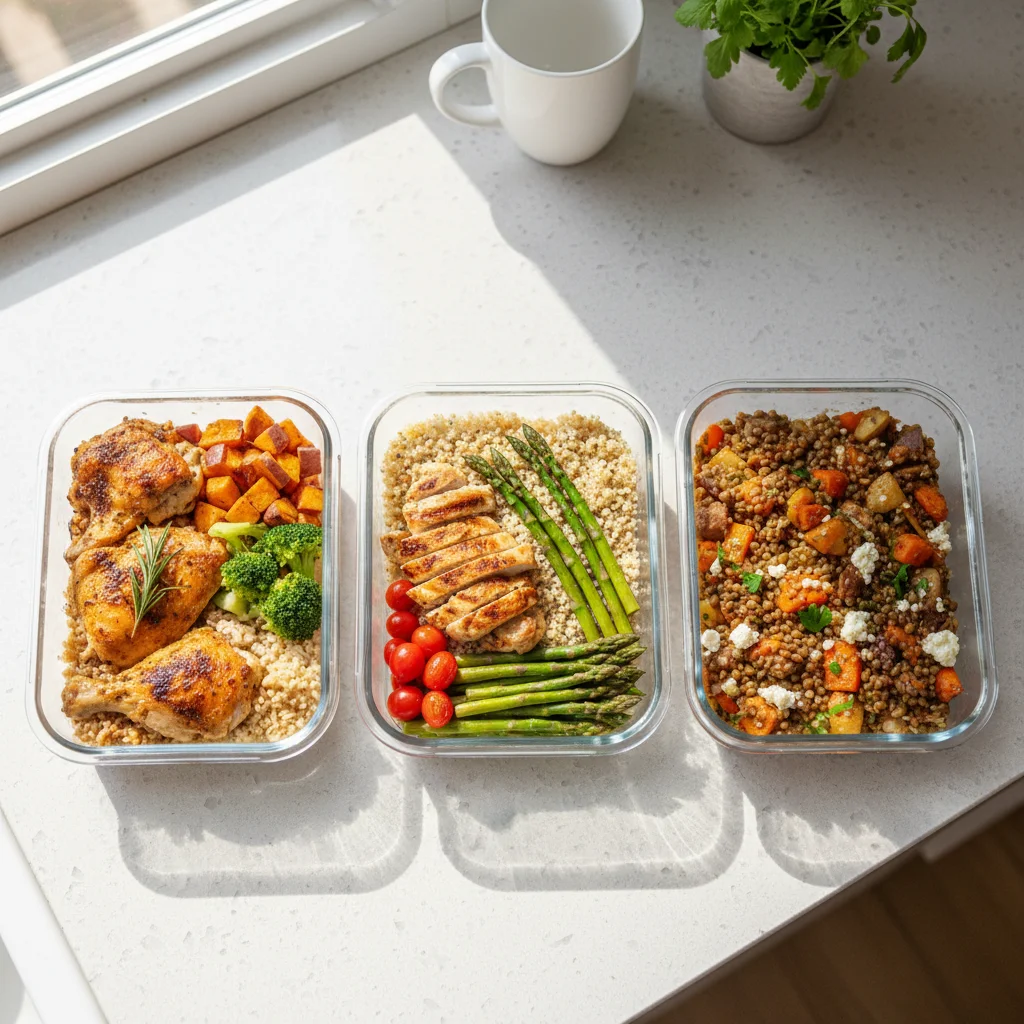
In our increasingly fast-paced world, finding time for healthful, home-cooked meals can feel like a luxury. The daily grind often leaves little energy for elaborate cooking, leading many to resort to takeout, processed foods, or repetitive, uninspired dinners. But what if there was a way to reclaim your evenings, save money, and still enjoy delicious, nutritious food all week long? Enter the art of batch cooking recipes.
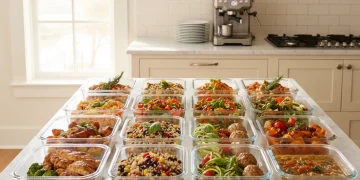
Batch cooking is more than just meal prep; it’s a strategic approach to food management that involves preparing large quantities of food in advance, usually over a weekend, to be consumed throughout the week. This method is a game-changer for anyone with a busy schedule, offering unparalleled convenience, financial savings, and a significant reduction in food waste. Imagine coming home after a long day, knowing that a wholesome, ready-to-eat meal is just minutes away. No more decision fatigue, no more last-minute grocery runs, and certainly no more relying on less healthy options out of sheer exhaustion.
The benefits of incorporating batch cooking recipes into your routine extend far beyond just saving time. It empowers you to take control of your diet, ensuring you’re consuming balanced meals tailored to your preferences and dietary needs. It also helps in managing your budget by allowing you to buy ingredients in bulk and utilize everything you purchase, minimizing waste. Furthermore, it reduces stress, transforming mealtime from a daily chore into a seamless, enjoyable experience.
This comprehensive guide will delve into the world of effective batch cooking, providing you with three versatile and delicious recipes designed to last five days or more. These recipes are not only simple to prepare but also incredibly adaptable, allowing for variations to keep your meals exciting. We’ll cover everything from essential planning tips and smart storage solutions to creative ways to repurpose leftovers, ensuring your batch cooking journey is both successful and sustainable. Get ready to transform your weekly meal routine and embrace a healthier, more organized lifestyle with these incredible batch cooking recipes.
The Fundamentals of Successful Batch Cooking
Before we dive into the recipes, let’s lay the groundwork for successful batch cooking. A well-executed batch cooking session is a balance of planning, efficiency, and smart storage. Mastering these fundamentals will ensure your meals stay fresh, delicious, and safe to eat throughout the week.
1. Strategic Planning: Your Blueprint for Success
The first step in any successful batch cooking endeavor is planning. This isn’t just about picking recipes; it’s about creating a comprehensive strategy that aligns with your weekly schedule and dietary goals.
- Assess Your Week: Look at your upcoming week. How many meals do you need? Are there any evenings you’ll be eating out or have special commitments? This helps determine the quantity of food to prepare.
- Choose Your Recipes Wisely: Opt for recipes that are versatile, store well, and can be easily reheated. Dishes like stews, curries, roasted vegetables, grains, and proteins that can be mixed and matched are excellent choices for batch cooking recipes.
- Ingredient Inventory: Before heading to the grocery store, check your pantry, fridge, and freezer. Make a detailed list of what you already have and what you need to buy. This prevents duplicate purchases and ensures you have all necessary components.
- Themed Cooking: Sometimes, it helps to pick a theme for your week (e.g., Mediterranean, Mexican, Asian). This can streamline your ingredient list and make cooking feel more cohesive.
2. Efficient Grocery Shopping: Saving Time and Money
Once your plan is in place, a smart grocery trip is crucial. This is where you can truly capitalize on the cost-saving benefits of batch cooking.
- Stick to Your List: Impulse buys can derail your budget and add unnecessary clutter to your kitchen.
- Buy in Bulk (Strategically): For staples like grains, dried beans, and certain vegetables (onions, potatoes), buying in larger quantities can be more economical. However, be mindful of perishables; only buy what you’ll realistically use.
- Shop Sales: Plan your meals around what’s on sale. If chicken breasts are discounted, perhaps incorporate them into more of your batch cooking recipes that week.
- Consider Frozen: Frozen fruits and vegetables are often just as nutritious (if not more so, as they’re picked at peak ripeness) as fresh, and they offer convenience and a longer shelf life.
3. Smart Preparation Techniques: Maximizing Your Time in the Kitchen
The actual cooking day should be streamlined to be as efficient as possible. Think like a professional chef and mise en place everything.
- Mise en Place: This French culinary term means ‘everything in its place.’ Before you start cooking, chop all your vegetables, measure out your spices, and have all your ingredients ready. This prevents frantic searching mid-recipe.
- Multi-Tasking: Utilize all your kitchen appliances. While rice is cooking on one burner, roast vegetables in the oven, and sauté protein on another burner.
- Cook in Stages: Some components can be cooked first and then added to larger dishes. For example, roast a large batch of vegetables that can be used in multiple meals. Cook a big pot of grains or legumes.
- Clean as You Go: This might seem counterintuitive for speed, but cleaning small messes as you go prevents a mountain of dishes at the end, making the whole process less daunting.
4. Optimal Storage Solutions: Keeping Food Fresh and Safe
Proper storage is paramount for extending the life of your batch cooking recipes and preventing foodborne illnesses.
- Cool Down Quickly: Hot food should be cooled rapidly before being placed in the refrigerator. Divide large quantities into smaller, shallow containers to speed up the cooling process. Do not put piping hot food directly into the fridge, as it can raise the internal temperature of the fridge and affect other foods. Aim to get food into the fridge within two hours of cooking.
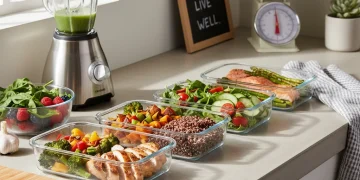
- Airtight Containers: Invest in good quality airtight containers, preferably glass. Glass containers are non-porous, don’t absorb odors or stains, and can go from fridge to microwave or oven easily.
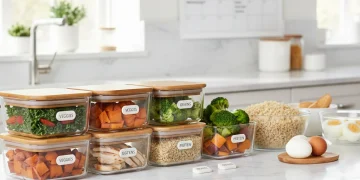
- Portion Control: Divide your cooked meals into individual portions. This makes grabbing a meal quick and easy, and it also helps with portion control throughout the week.
- Labeling: Always label your containers with the date of preparation and the contents. This helps you keep track of freshness and ensures you eat older meals first.
- Refrigeration vs. Freezing: Most batch-cooked meals are good in the refrigerator for 3-5 days. For anything you want to keep longer, freeze it. Many of the recipes below are freezer-friendly.
Recipe 1: Hearty Lentil & Vegetable Chili (Serves 6-8, Lasts 5-7 Days Refrigerated, Months Frozen)
This robust and flavorful chili is a vegetarian powerhouse, packed with protein, fiber, and an abundance of vegetables. It’s incredibly satisfying, easy to make in a large batch, and tastes even better the next day as the flavors meld. It’s also remarkably versatile, making it a staple among excellent batch cooking recipes.
Ingredients:
- 2 tbsp olive oil
- 2 large onions, chopped
- 4 cloves garlic, minced
- 2 bell peppers (any color), chopped
- 2 carrots, diced
- 2 celery stalks, diced
- 1 large zucchini, diced (optional)
- 1.5 cups green or brown lentils, rinsed
- 1 (28 oz) can crushed tomatoes
- 1 (15 oz) can diced tomatoes
- 1 (15 oz) can kidney beans, rinsed and drained
- 1 (15 oz) can black beans, rinsed and drained
- 4 cups vegetable broth
- 2 tbsp chili powder
- 1 tbsp ground cumin
- 1 tsp smoked paprika
- 1/2 tsp dried oregano
- 1/4 tsp cayenne pepper (adjust to taste)
- Salt and freshly ground black pepper to taste
- Optional garnishes: fresh cilantro, diced avocado, shredded cheese, sour cream/Greek yogurt, hot sauce, corn chips
Instructions:
- Sauté Aromatics: In a large Dutch oven or pot, heat olive oil over medium heat. Add chopped onions and cook until softened, about 5-7 minutes. Add minced garlic, bell peppers, carrots, and celery. Cook for another 7-10 minutes, stirring occasionally, until vegetables start to soften.
- Add Spices and Lentils: Stir in chili powder, cumin, smoked paprika, oregano, and cayenne pepper. Cook for 1 minute until fragrant. Add rinsed lentils and stir to coat.
- Combine Liquids and Tomatoes: Pour in crushed tomatoes, diced tomatoes, and vegetable broth. Bring the mixture to a simmer.
- Simmer and Cook: Reduce heat to low, cover, and let it simmer for 30-40 minutes, or until lentils are tender. Stir occasionally to prevent sticking.
- Add Beans and Zucchini: Stir in the rinsed kidney beans, black beans, and diced zucchini (if using). Continue to simmer for another 10-15 minutes, allowing the flavors to meld and zucchini to cook through.
- Season: Taste and adjust seasoning with salt and pepper as needed.
- Cool and Store: Allow the chili to cool completely before portioning into airtight containers. It will thicken as it cools. Refrigerate for up to 5-7 days or freeze for up to 3 months.
Serving Suggestions & Variations:
- Serve hot with your favorite garnishes.
- Use as a topping for baked potatoes or sweet potatoes.
- Stuff into bell peppers and bake for a hearty meal.
- Mix with cooked rice or quinoa for a complete bowl.
- Add a can of corn in the last 10 minutes of cooking for extra sweetness and texture.
- For a smoky flavor, add a chipotle pepper in adobo sauce, minced.
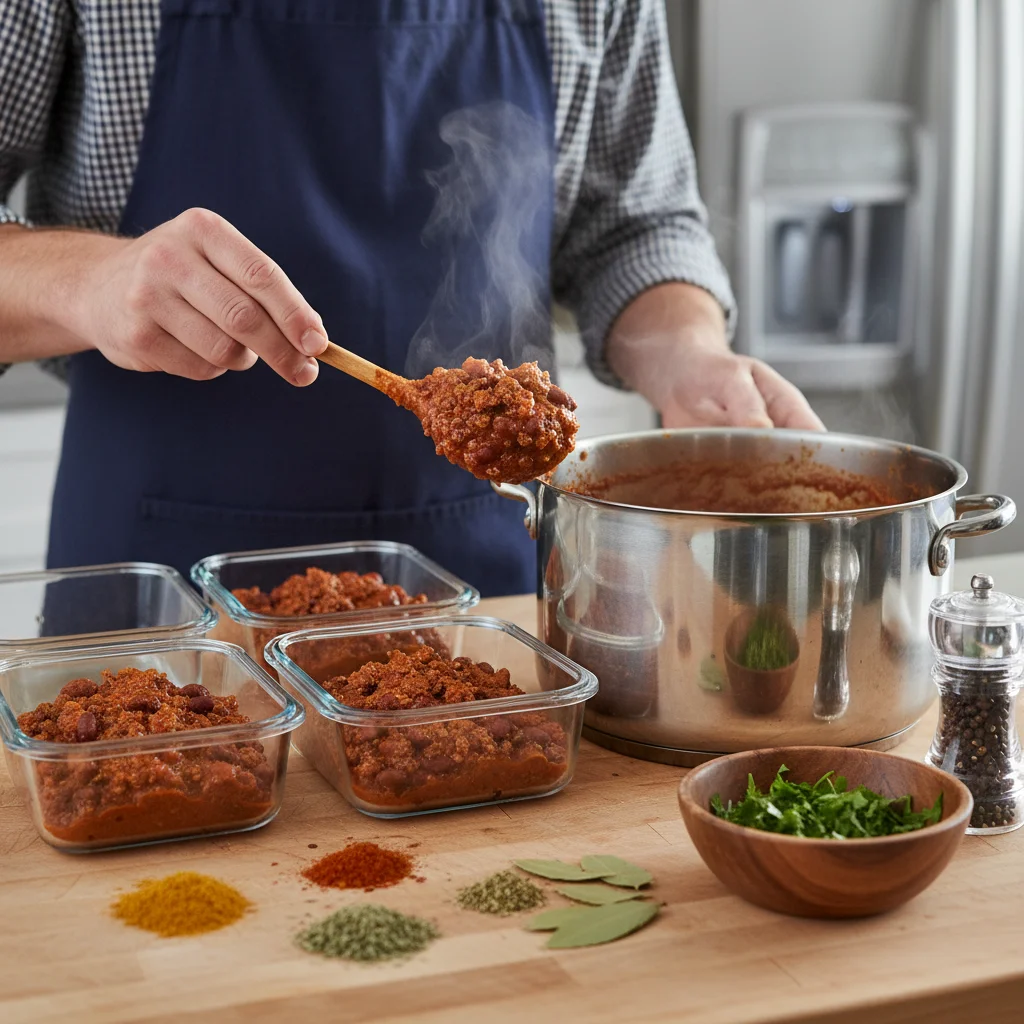
Recipe 2: Lemon Herb Chicken & Quinoa Bowls (Serves 4-6, Lasts 4-5 Days Refrigerated)
These bright and flavorful bowls are perfect for a light yet satisfying lunch or dinner. The chicken is tender and zesty, the quinoa provides a great base, and you can customize the vegetables to your heart’s content. This is one of those flexible batch cooking recipes that adapts to your fridge’s contents.
Ingredients:
- For the Chicken:
- 1.5 lbs boneless, skinless chicken breasts or thighs
- 2 tbsp olive oil
- Juice of 1 large lemon
- 1 tbsp dried oregano
- 1 tbsp dried thyme
- 1 tsp garlic powder
- Salt and freshly ground black pepper to taste
- For the Quinoa:
- 1.5 cups quinoa, rinsed
- 3 cups vegetable or chicken broth (or water)
- Pinch of salt
- For the Roasted Vegetables (Choose 2-3 of the following):
- 2 cups broccoli florets
- 2 cups chopped bell peppers
- 1 cup cherry tomatoes
- 1 cup zucchini or yellow squash, chopped
- 1 tbsp olive oil
- Salt and pepper to taste
- Optional Add-ins/Garnishes: Feta cheese, fresh parsley, chopped cucumber, Kalamata olives, a drizzle of balsamic glaze or a light vinaigrette.
Instructions:
- Marinate Chicken: In a bowl, combine chicken pieces with olive oil, lemon juice, oregano, thyme, garlic powder, salt, and pepper. Toss to coat evenly. Marinate for at least 30 minutes, or up to 4 hours in the refrigerator.
- Cook Quinoa: In a medium saucepan, combine rinsed quinoa, broth (or water), and a pinch of salt. Bring to a boil, then reduce heat to low, cover, and simmer for 15 minutes, or until all liquid is absorbed. Remove from heat and let stand, covered, for 5 minutes. Fluff with a fork.
- Roast Vegetables: Preheat oven to 400°F (200°C). On a large baking sheet, toss your chosen vegetables with 1 tbsp olive oil, salt, and pepper. Roast for 15-20 minutes, or until tender-crisp and slightly caramelized.
- Cook Chicken: While vegetables are roasting, heat a large skillet over medium-high heat. Add chicken and cook for 5-7 minutes per side, or until cooked through and lightly browned. Alternatively, bake chicken on a separate baking sheet at 400°F (200°C) for 20-25 minutes. Let rest for a few minutes before slicing or dicing.
- Assemble Bowls: Divide the cooked quinoa among your meal prep containers. Top with sliced or diced chicken and roasted vegetables.
- Cool and Store: Allow bowls to cool completely before sealing and refrigerating. Store for up to 4-5 days. Add fresh garnishes like feta, parsley, or dressing just before serving to maintain freshness.
Serving Suggestions & Variations:
- Add a scoop of hummus for extra creaminess and protein.
- Swap chicken for chickpeas or firm tofu for a vegetarian option.
- Include a handful of spinach or mixed greens for added freshness.
- A drizzle of a simple lemon-tahini dressing would also be delicious.
- Experiment with different herbs like dill or rosemary for varied flavor profiles.
Recipe 3: Sheet Pan Sausage & Sweet Potato Hash (Serves 4-6, Lasts 4-5 Days Refrigerated)
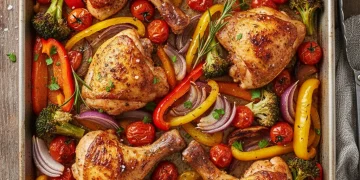
This incredibly easy and satisfying sheet pan meal is perfect for busy weeknights. With minimal cleanup and maximum flavor, it’s a fantastic addition to your collection of batch cooking recipes. The combination of savory sausage, sweet potatoes, and vibrant bell peppers makes for a balanced and delicious meal that reheats beautifully.
Ingredients:
- 1.5 lbs pre-cooked chicken or turkey sausage, sliced into 1/2-inch rounds (or raw sausage, removed from casings and crumbled)
- 2 large sweet potatoes, peeled and diced into 1/2-inch cubes
- 2 bell peppers (any color), cored and chopped into 1-inch pieces
- 1 large red onion, roughly chopped
- 2 tbsp olive oil
- 1 tsp smoked paprika
- 1/2 tsp garlic powder
- 1/2 tsp dried rosemary (optional)
- Salt and freshly ground black pepper to taste
- Fresh parsley, chopped (for garnish, optional)
Instructions:
- Preheat Oven & Prep Sheet Pans: Preheat your oven to 400°F (200°C). Line two large baking sheets with parchment paper for easier cleanup. If you only have one large sheet, you might need to cook in two batches to avoid overcrowding, which can steam rather than roast the vegetables.
- Combine Ingredients: In a large bowl, combine the diced sweet potatoes, chopped bell peppers, and red onion. Add olive oil, smoked paprika, garlic powder, rosemary (if using), salt, and pepper. Toss well to ensure all vegetables are evenly coated.
- Arrange on Sheet Pans: Spread the seasoned vegetables in a single layer on the prepared baking sheets. Add the sliced sausage to the sheet pans, distributing it evenly among the vegetables. Ensure there’s enough space between ingredients to allow for proper roasting.
- Roast: Roast for 25-35 minutes, stirring halfway through, until sweet potatoes are tender and slightly caramelized, and the sausage is heated through and lightly browned. If using raw sausage, ensure it’s cooked through.
- Cool and Store: Remove from oven and let the hash cool completely before portioning into airtight containers. Refrigerate for up to 4-5 days.
Serving Suggestions & Variations:
- Serve as is for a simple, complete meal.
- Top with a fried egg for a hearty breakfast or brunch.
- Serve alongside a simple green salad for added freshness.
- For a spicy kick, add a pinch of red pepper flakes with the seasonings.
- Swap sweet potatoes for regular potatoes or butternut squash.
- Add Brussels sprouts or green beans to the mix during the last 15 minutes of roasting.
Advanced Batch Cooking Strategies & Tips
Once you’ve mastered the basics and these initial batch cooking recipes, you might be ready to elevate your meal prep game. Here are some advanced strategies to make your batch cooking even more effective and enjoyable.
1. Component Prep: Mix and Match for Variety
Instead of cooking full meals, sometimes it’s more beneficial to prepare individual components that can be assembled into different dishes throughout the week. This offers maximum flexibility and prevents meal fatigue.
- Cook Grains in Bulk: Quinoa, brown rice, farro, or couscous can be cooked in large quantities and used as a base for bowls, salads, or side dishes.
- Roast a Variety of Vegetables: Sheet pans of roasted broccoli, carrots, bell peppers, or sweet potatoes can be added to almost any meal.
- Prepare Proteins: Cooked chicken (shredded or diced), hard-boiled eggs, baked salmon, or even a large batch of lentils or chickpeas can serve as quick protein additions.
- Homemade Dressings and Sauces: Whip up a large batch of your favorite vinaigrette, tahini dressing, or pesto. Stored in an airtight jar, these can elevate simple ingredients into gourmet meals.
2. Freezer-Friendly Favorites: Extending Shelf Life
Freezing is your best friend for extending the life of your batch-cooked meals. Many dishes, especially stews, soups, chilis, and casseroles, freeze exceptionally well.
- Proper Freezing Techniques: Ensure food is completely cool before freezing. Use freezer-safe containers or bags, removing as much air as possible to prevent freezer burn. Label clearly with contents and date.
- Individual Portions: Freeze in single-serving portions for easy thawing and reheating.
- Thawing Safely: Thaw frozen meals in the refrigerator overnight or use the defrost setting on your microwave. Avoid thawing at room temperature to prevent bacterial growth.
3. Repurposing Leftovers: Creative Meal Transformations
One of the joys of batch cooking is the opportunity for culinary creativity. Don’t just reheat; transform!
- Chili Transformations: Our Lentil & Vegetable Chili can become chili cheese fries, a chili dog topping, or even a base for a hearty shepherd’s pie (topped with mashed sweet potatoes).
- Chicken & Quinoa Remix: Leftover Lemon Herb Chicken and Quinoa can be turned into a vibrant salad by adding fresh greens, more veggies, and a zesty dressing. The chicken can also be shredded for tacos or wraps.
- Hash Reinventions: The Sheet Pan Sausage & Sweet Potato Hash can be blended into a soup, used as a filling for breakfast burritos, or served over a bed of spinach with a poached egg.
- Flavor Boosters: Keep a variety of fresh herbs, citrus, hot sauces, and condiments on hand to add a fresh twist to reheated meals. A squeeze of lime, a sprinkle of fresh cilantro, or a dollop of Greek yogurt can make all the difference.
4. Invest in Quality Tools: Making Cooking Easier
While you don’t need a gourmet kitchen, a few key tools can significantly streamline your batch cooking process.
- Large Pots and Pans: A good quality Dutch oven, a large stockpot, and several large baking sheets are invaluable for cooking in bulk.
- Sharp Knives: A sharp chef’s knife makes vegetable prep much faster and safer.
- Food Processor: Can quickly chop large quantities of vegetables.
- Airtight Containers: As mentioned, glass containers are excellent for both storage and reheating.
- Instant Pot/Slow Cooker: These appliances are fantastic for hands-off cooking of grains, stews, and large cuts of meat, freeing up your stovetop and oven.
5. Stay Flexible and Adaptable: The Key to Long-Term Success
Life happens, and sometimes your best-laid batch cooking plans might need adjustments. Don’t let perfection be the enemy of good.
- Don’t Overcommit: Start with one or two batch cooking recipes that you enjoy and are confident preparing. Gradually add more as you get comfortable.
- Listen to Your Body: If you’re craving something different, don’t feel guilty about deviating from your plan for one meal.
- Embrace Imperfection: Not every meal will be gourmet. The goal is consistent, healthy eating.
The Transformative Power of Batch Cooking
Embracing batch cooking recipes is more than just a culinary technique; it’s a lifestyle choice that offers profound benefits. It liberates you from the daily dilemma of ‘what’s for dinner,’ providing a sense of control and calm in an otherwise hectic week. By dedicating a few hours to preparation, you unlock countless hours of free time, mental peace, and the assurance of nourishing meals.
The three recipes provided — the Hearty Lentil & Vegetable Chili, Lemon Herb Chicken & Quinoa Bowls, and Sheet Pan Sausage & Sweet Potato Hash — are designed to be your starting point. They are robust, flavorful, and incredibly adaptable, serving as excellent foundations for your weekly meal rotation. Each offers a different flavor profile and texture, ensuring variety and enjoyment throughout your week.
Remember, the journey to becoming a batch cooking pro is gradual. Start small, experiment with flavors, learn what works best for your schedule and preferences, and don’t be afraid to get creative. The initial investment of time and effort will pay dividends in the form of healthier eating habits, reduced stress, and significant savings.
So, clear your calendar for a few hours this weekend, gather your ingredients, and dive into the satisfying world of batch cooking. Your future self — healthier, less stressed, and well-fed — will thank you. Happy cooking!