Budget-Friendly Bites: 8 Delicious Dinners Under $10 Per Serving This Quarter
In today’s economic climate, stretching your dollar further is more important than ever. When it comes to groceries, the rising cost of living can make preparing wholesome, delicious meals feel like a daunting task. However, eating well on a budget doesn’t have to mean sacrificing flavor or nutrition. In fact, with a little planning and creativity, you can enjoy incredible meals that are both satisfying and incredibly kind to your wallet. This quarter, we’re challenging ourselves – and you – to discover the joy of budget-friendly dinners. We’ve curated a list of 8 delicious dinner recipes, each designed to cost you under $10 per serving. Yes, you read that right! Get ready to transform your dinner routine, save money, and savor every bite.
The secret to successful budget-friendly dinners lies in smart shopping, utilizing pantry staples, and embracing versatile ingredients. We’ll explore recipes that leverage affordable protein sources, seasonal vegetables, and clever cooking techniques to maximize flavor without breaking the bank. Whether you’re a seasoned home cook or just starting your culinary journey, these recipes are designed to be accessible, enjoyable, and most importantly, delicious. So, let’s dive into the world of affordable gastronomy and prove that gourmet doesn’t have to come with a hefty price tag.
The Art of Budget-Friendly Dinners: Strategies for Success
Before we jump into our mouth-watering recipes, let’s talk strategy. Mastering budget-friendly dinners isn’t just about finding cheap ingredients; it’s about a holistic approach to your grocery shopping and meal preparation. Here are some key strategies that will help you keep your dinner costs under $10 per serving, not just for these recipes, but for your entire culinary repertoire:
1. Plan Your Meals in Advance
This is arguably the most crucial step. Planning your meals for the week or even the month allows you to create a precise shopping list, preventing impulse buys and reducing food waste. Look at what ingredients you already have on hand and try to incorporate them. Consider theme nights (Meatless Monday, Taco Tuesday) to make planning easier and more fun.
2. Shop with a List and Stick to It
Once you have your meal plan, create a detailed grocery list. Organize it by aisle to save time and avoid getting sidetracked by tempting (often expensive) items. Avoid shopping when you’re hungry, as this often leads to buying more than you need or opting for less healthy, pre-made options.
3. Embrace Seasonal Produce
Fruits and vegetables are generally cheaper and taste better when they are in season. They also require less transportation, which is good for the environment. Check local farmers’ markets for even better deals on seasonal produce. Don’t be afraid to buy in bulk when prices are low and freeze what you won’t use immediately.
4. Buy in Bulk Wisely
For non-perishable items like rice, pasta, beans, and certain spices, buying in larger quantities can significantly reduce the per-unit cost. Just ensure you have adequate storage space and will actually use the quantities you buy before they expire. Warehouse clubs can be great for this, but compare unit prices to ensure you’re getting a genuine deal.
5. Utilize Affordable Protein Sources
Meat can be one of the most expensive components of a meal. Incorporate more plant-based proteins like lentils, beans, chickpeas, and tofu into your diet. Eggs are another incredibly versatile and cheap source of protein. If you do buy meat, look for sales, choose less expensive cuts (like chicken thighs instead of breasts, or ground meat), and stretch them further by combining them with vegetables and grains.
6. Cook from Scratch
Convenience foods, while time-saving, often come with a hefty price tag. Cooking meals from scratch using basic ingredients is almost always cheaper and healthier. Making your own sauces, dressings, and even bread can lead to significant savings over time.
7. Repurpose Leftovers and Batch Cook
Don’t let leftovers go to waste! Plan to cook larger portions of certain components (like grains or roasted vegetables) that can be incorporated into different meals throughout the week. For example, leftover roasted chicken can become chicken salad, tacos, or a pasta add-in. Batch cooking entire meals and freezing individual portions is also an excellent time and money saver.
8. Limit Food Waste
Food waste is money wasted. Be mindful of portion sizes, store food properly to extend its shelf life, and get creative with scraps. Vegetable trimmings can be used to make homemade broth, and stale bread can become croutons or breadcrumbs.
Our Top 8 Budget-Friendly Dinners Under $10 Per Serving
Now, let’s get to the good stuff! Here are 8 delicious and easy-to-make budget-friendly dinners that will keep your taste buds happy and your wallet full. We’ve focused on using common ingredients that are widely available and generally inexpensive.
1. Hearty Lentil Soup with Crusty Bread
Lentils are a powerhouse of nutrition and incredibly cheap. This soup is comforting, filling, and packed with fiber and protein. It’s a perfect meal for a chilly evening and tastes even better the next day.
- Key Ingredients: Brown or green lentils, carrots, celery, onion, garlic, canned diced tomatoes, vegetable broth, herbs (thyme, bay leaf).
- Why it’s budget-friendly: Lentils are one of the cheapest protein sources. Vegetables are affordable, especially when in season. Broth and canned tomatoes are pantry staples.
- Cost per serving: Approximately $2-$3.
- Tip: Serve with a slice of crusty bread for dipping and a sprinkle of fresh parsley.

2. Speedy Black Bean Tacos
Tacos are always a crowd-pleaser, and these black bean versions are incredibly quick, flavorful, and economical. They’re also highly customizable, allowing you to use whatever veggies you have on hand.
- Key Ingredients: Canned black beans, corn tortillas, onion, bell pepper, taco seasoning, salsa, sour cream (optional), shredded lettuce.
- Why it’s budget-friendly: Canned beans and corn tortillas are very inexpensive. Fresh vegetables can be bought in bulk or on sale.
- Cost per serving: Approximately $3-$4.
- Tip: Make your own taco seasoning from spices you already have to save even more. Add a squeeze of lime juice for freshness.
3. Creamy Tomato Pasta with Spinach
Pasta is the ultimate budget-friendly base. This creamy tomato pasta feels indulgent but uses simple, affordable ingredients to create a rich and satisfying meal. Adding spinach boosts the nutritional value.
- Key Ingredients: Pasta (any shape), canned crushed tomatoes, onion, garlic, spinach, a splash of milk or cream (or cashew cream for dairy-free), Parmesan cheese (optional).
- Why it’s budget-friendly: Pasta is extremely cheap. Canned tomatoes are a pantry staple. Spinach wilts down significantly, so a large bag goes a long way.
- Cost per serving: Approximately $4-$5.
- Tip: For extra protein, stir in some cooked lentils or chickpeas.
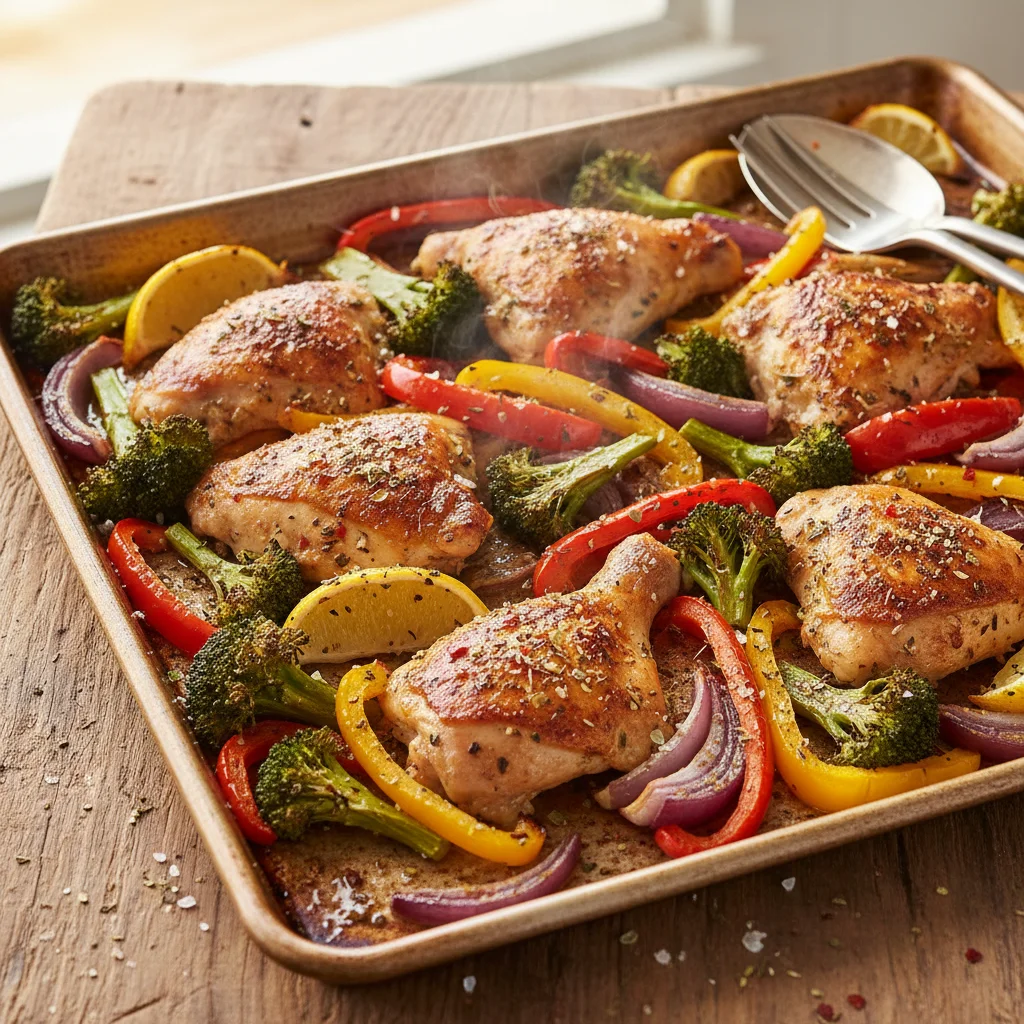
4. Sheet Pan Sausage and Veggies
Sheet pan meals are a busy cook’s best friend. Minimal cleanup and maximum flavor! Using affordable sausages and a mix of seasonal vegetables makes this a fantastic budget option.
- Key Ingredients: Chicken or pork sausage (budget-friendly varieties), potatoes, bell peppers, broccoli, onion, olive oil, dried herbs (oregano, thyme).
- Why it’s budget-friendly: Sausage is often cheaper than other meat cuts. Roasting vegetables brings out their natural sweetness, making them delicious without fancy ingredients.
- Cost per serving: Approximately $5-$6.
- Tip: Cut vegetables into similar sizes for even cooking. Toss with a good amount of olive oil and seasonings.
5. Classic Chili Con Carne (or Veggie Chili)
A big pot of chili is the epitome of comfort food and fantastic for meal prepping. It’s incredibly versatile and can be made with ground meat or entirely vegetarian with extra beans and veggies.
- Key Ingredients: Ground beef or mixed beans (kidney, pinto, black), canned diced tomatoes, tomato paste, onion, garlic, chili powder, cumin, bell pepper, broth.
- Why it’s budget-friendly: Ground meat is generally cheaper than other cuts. Beans are a very economical protein source. Spices and canned goods are pantry staples.
- Cost per serving: Approximately $4-$6.
- Tip: Make a large batch and freeze individual portions for quick future meals. Serve with rice, cornbread, or a dollop of Greek yogurt.
6. Chicken and Rice Stir-Fry
Stir-fries are brilliant for using up leftover vegetables and are quick to cook. This version uses affordable chicken thighs and a simple homemade sauce for maximum flavor at minimal cost.
- Key Ingredients: Chicken thighs (or breast), rice, mixed vegetables (broccoli, carrots, snap peas, bell peppers), soy sauce, ginger, garlic, sesame oil.
- Why it’s budget-friendly: Chicken thighs are more economical than breasts. Rice is a very cheap base. Use whatever vegetables are on sale or in your fridge.
- Cost per serving: Approximately $5-$7.
- Tip: Cook the rice ahead of time to make dinner even faster. A good wok or large skillet is key for a successful stir-fry.
7. Egg Fried Rice
A truly magical dish for using up leftover rice and any sad-looking vegetables in your fridge. Egg fried rice is quick, satisfying, and incredibly cheap to make, especially when eggs are on sale.
- Key Ingredients: Day-old cooked rice, eggs, mixed frozen vegetables (peas, carrots, corn), soy sauce, sesame oil, garlic, ginger, green onions.
- Why it’s budget-friendly: Uses leftover rice, preventing waste. Eggs are a very cheap protein. Frozen vegetables are often more economical than fresh.
- Cost per serving: Approximately $2-$4.
- Tip: Using cold, day-old rice is crucial for the best texture. Freshly cooked rice will be too sticky.
8. Quick & Easy Tuna Melts with Tomato Soup
Sometimes, simplicity is key. A classic tuna melt paired with a comforting bowl of tomato soup is an ultimate budget-friendly comfort food duo that requires minimal cooking and inexpensive ingredients.
- Key Ingredients: Canned tuna, mayonnaise, celery (optional), bread, cheese slices, canned tomato soup.
- Why it’s budget-friendly: Canned tuna is a very affordable protein. Bread, cheese, and canned soup are all inexpensive staples.
- Cost per serving: Approximately $4-$5.
- Tip: Elevate your tuna melt with a slice of tomato or some pickles. For the soup, add a swirl of cream or a sprinkle of fresh basil if you have it.
Mastering Your Budget-Friendly Dinners: Advanced Tips and Tricks
Beyond the recipes, there are always more ways to fine-tune your approach to budget-friendly dinners. Think of these as advanced tactics in your culinary arsenal:
1. Embrace “Ugly” Produce
Many grocery stores now offer ‘ugly’ or ‘imperfect’ produce at a discounted price. These fruits and vegetables might not look picture-perfect, but they taste just as good and are perfect for cooking where appearance doesn’t matter as much, like in soups, stews, or stir-fries.
2. Learn to Cook Dried Beans and Legumes
While canned beans are convenient and affordable, dried beans and legumes are even cheaper per serving. They require soaking and longer cooking times, but a large batch can be cooked once a week and then used in various recipes. A pressure cooker can significantly reduce cooking time.
3. Grow Your Own Herbs
Fresh herbs can be surprisingly expensive, and often you only need a small amount, leading to waste. Consider growing your own basic herbs like basil, parsley, mint, and chives in small pots on a windowsill or in a garden. This provides fresh flavor on demand and saves money.
4. Make Your Own Broth
Instead of buying expensive store-bought broths, save vegetable scraps (onion peels, carrot ends, celery leaves) and chicken bones/carcasses in a freezer bag. Once you have enough, combine them in a large pot with water and simmer for a few hours to make a flavorful and free homemade broth. This is excellent for soups, stews, and sauces.
5. Utilize Your Freezer Effectively
Your freezer is your best friend for budget cooking. Freeze leftover portions of meals, bulk-bought meat, seasonal produce, and even baked goods. Properly labeled and stored, food can last for months, preventing waste and ensuring you always have a quick meal option.
6. Master a Few Versatile Base Recipes
Learning to make a good basic tomato sauce, a simple vinaigrette, or a versatile dough can open up a world of budget-friendly possibilities. These homemade bases are often cheaper and healthier than their store-bought counterparts.
7. Read Unit Prices
Always check the unit price (price per ounce, per 100g, etc.) on shelf tags at the grocery store. This helps you compare different sizes and brands to truly find the best deal, rather than just assuming a larger package is always cheaper.
8. Reduce Meat Portions
If you’re accustomed to large meat portions, try gradually reducing them and supplementing with more vegetables, grains, or legumes. This is not only budget-friendly but also often healthier. For example, instead of a large steak, a smaller piece of steak can be sliced and served over a large salad or with plenty of roasted vegetables.
9. Cook with a Slow Cooker or Instant Pot
These appliances are fantastic for budget cooking. They allow you to use tougher, cheaper cuts of meat (which become incredibly tender) and cook large batches of stews, chilis, and soups with minimal effort and energy consumption.
Conclusion: Savoring Savings This Quarter
Eating delicious, wholesome meals doesn’t require a hefty grocery budget. With a strategic approach to meal planning, smart shopping, and a willingness to embrace versatile, affordable ingredients, you can enjoy an array of flavorful dinners that cost less than $10 per serving. The 8 recipes we’ve shared are just a starting point – a delicious introduction to the world of budget-friendly cooking.
This quarter, challenge yourself to incorporate these strategies and recipes into your routine. You might be surprised at how much you can save and how much joy you can find in cooking creative, economical meals. Not only will your wallet thank you, but you’ll also gain valuable skills in the kitchen and contribute to a more sustainable way of eating by reducing food waste. So, grab your apron, sharpen your knives, and get ready to cook up some incredible budget-friendly dinners!
Happy cooking and happy saving!