Runway to Reality: 7 High-Fashion Concepts Shaping U.S. Apparel 2026
From Runway to Reality: Tracking 7 High-Fashion Concepts That Will Define U.S. Mainstream Apparel in 2026
The fashion world is a perpetual motion machine, constantly churning out new ideas, silhouettes, and textile innovations. What graces the elite runways of Paris, Milan, New York, and London today often finds its way into the racks of mainstream retailers and the closets of everyday consumers a few seasons down the line. Forecasting these shifts is crucial for designers, retailers, and fashion enthusiasts alike. As we look towards 2026, several high fashion trends are already making significant waves, signaling their imminent transition into the U.S. mainstream apparel landscape. These aren’t just fleeting fads; they represent fundamental shifts in how we perceive, create, and wear clothing. Understanding these evolutions allows us to anticipate the future of style and prepare for the next era of personal expression through fashion.
The journey from haute couture to high street is a fascinating one, driven by a complex interplay of cultural shifts, technological advancements, and consumer demands. Designers, ever-attuned to the zeitgeist, translate societal sentiments into sartorial statements. These statements, initially presented as bold, sometimes audacious, concepts on the runway, are then distilled, adapted, and democratized by mass-market brands. The result is a trickle-down effect that transforms exclusive runway visions into accessible everyday wear. This article delves into seven such high fashion trends that are not only captivating the industry’s elite but are also on a clear trajectory to define U.S. mainstream apparel in 2026. From revolutionary materials to redefined silhouettes and conscious consumption, these concepts are poised to reshape our wardrobes and our relationship with fashion.
1. The Rise of Hyper-Tactile and Textured Fabrics
One of the most compelling high fashion trends emerging is the emphasis on hyper-tactile and textured fabrics. For years, sleek, smooth, and minimalist textiles dominated, but the runways are now brimming with garments that invite touch and offer a rich sensory experience. We’re seeing an explosion of bouclé, exaggerated knits, plush velvets, intricate jacquards, and fabrics with deliberate irregularities or woven-in three-dimensional elements. This trend goes beyond mere surface decoration; it’s about the inherent quality and feel of the material itself. Designers are experimenting with innovative weaving techniques, laser-cutting, and digital textile printing to create depth and dimension that was previously unimaginable.
In the mainstream, this translates into a desire for clothing that feels as good as it looks. Consumers are increasingly seeking comfort without sacrificing style, and textured fabrics offer a luxurious, yet approachable, solution. Expect to see chunky knit sweaters with intricate patterns, tweed jackets with a contemporary twist, corduroy making a strong comeback in unexpected forms, and dresses with subtle, raised patterns. The appeal lies in the visual interest and the comforting sensation these materials provide. This trend also speaks to a growing appreciation for craftsmanship and the unique characteristics of different fibers. In 2026, your everyday wardrobe will likely feature a more diverse array of textures, adding a new layer of sophistication and sensory pleasure to casual and formal wear alike. The move towards hyper-tactile fabrics also aligns with a broader cultural push for authenticity and a rejection of overly synthetic, uniform aesthetics.
Advertisements
2. Sustainable Innovation and Circular Design Principles
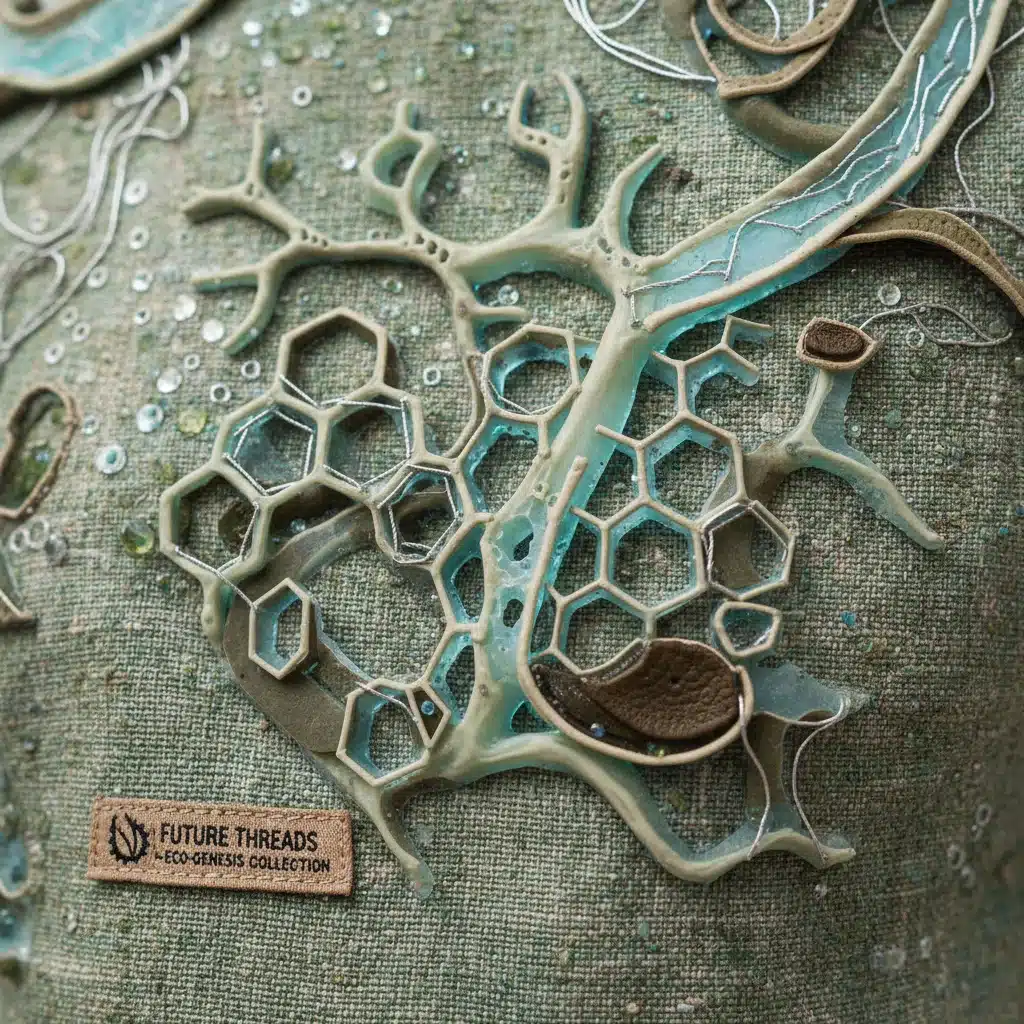
Sustainability is no longer a niche concern; it’s a foundational pillar of modern fashion, and its influence on high fashion trends is profound. By 2026, sustainable innovation and circular design principles will be deeply embedded in mainstream apparel. This isn’t just about organic cotton; it encompasses a holistic approach to garment lifecycle. Runways are showcasing garments made from recycled plastics, plant-based leathers (like mushroom or pineapple leather), upcycled vintage materials, and innovative biodegradable textiles. Furthermore, designers are embracing ‘zero-waste’ cutting techniques and modular designs that allow for repair and reconfiguration.
For the U.S. mainstream, this means a significant increase in the availability and desirability of eco-conscious clothing. Brands will increasingly highlight their use of certified sustainable materials, transparent supply chains, and ethical manufacturing practices. Consumers will prioritize longevity, versatility, and garments with a lower environmental footprint. Expect to see more repair services offered by brands, take-back programs for old clothing, and a greater emphasis on timeless pieces designed to last rather than disposable fast fashion. The concept of ‘circularity’ – where garments are designed to be reused, recycled, or biodegraded – will move from an aspirational ideal to a practical reality in many mainstream collections. This shift is driven by both environmental urgency and a growing consumer demand for responsible consumption. The integration of technology, such as blockchain for supply chain transparency, will further empower consumers to make informed choices, making sustainable practices not just a trend but a standard.
3. Fluid Silhouettes and Gender-Neutral Tailoring
The rigid boundaries of traditional gendered clothing are dissolving, giving way to fluid silhouettes and gender-neutral tailoring as a prominent high fashion trend. Designers are creating collections that transcend binary classifications, focusing instead on universal appeal and individual expression. This manifests in oversized blazers, wide-leg trousers, flowing tunics, and drop-shoulder coats that can be worn by anyone, regardless of gender identity. The emphasis is on comfort, ease of movement, and a relaxed elegance that prioritizes personal style over conventional norms.
In the mainstream, this trend is already gaining traction and will be a defining characteristic of U.S. apparel in 2026. Retailers will offer more ‘unisex’ or ‘gender-inclusive’ sections, and traditional men’s and women’s departments will feature pieces with less defined gender markers. Expect to see more consumers embracing oversized fits, relaxed tailoring, and a blurring of lines between traditionally masculine and feminine aesthetics. This shift reflects broader societal changes towards inclusivity and self-expression, where clothing serves as a tool for personal identity rather than adherence to strict societal roles. The comfort revolution, accelerated by recent global events, further solidifies the appeal of these adaptable and easy-to-wear styles. The versatility of these pieces also appeals to a practical consumer, allowing for greater mix-and-match potential within a capsule wardrobe. The future of mainstream fashion is less about what gender a garment is ‘for’ and more about how it makes the individual feel.
4. The Metaverse and Digital Fashion Integration
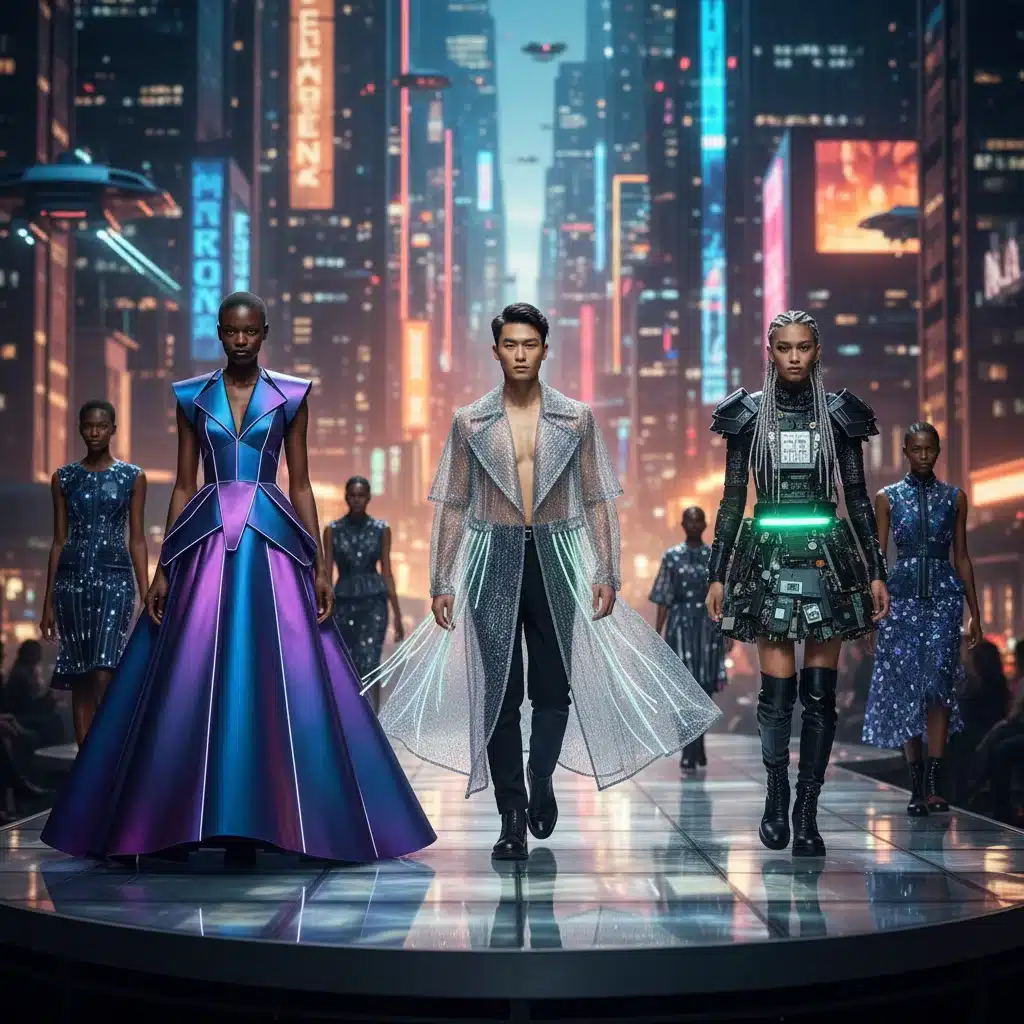
While seemingly abstract, the metaverse and digital fashion are rapidly transitioning from conceptual high fashion trends to tangible influences on physical apparel. High fashion brands are already creating digital-only collections, NFTs of clothing, and virtual try-on experiences. This digital realm is serving as a fertile ground for experimentation, allowing designers to push boundaries without the constraints of physical production.
By 2026, the mainstream impact will be multifaceted. Expect augmented reality (AR) try-on features to become standard for online shopping, allowing consumers to ‘wear’ garments virtually before purchasing. Brands will likely offer digital twins of physical garments, enabling consumers to dress their avatars in the same outfits they wear in real life. Furthermore, design elements inspired by digital aesthetics – glitches, pixelation, futuristic graphics, and iridescent finishes – will increasingly appear in physical apparel. The metaverse will also foster a new wave of co-creation, where consumers can influence designs or customize garments in virtual spaces, leading to more personalized physical products. This integration blurs the lines between our digital and physical identities, making digital fashion not just a novelty but a powerful tool for consumer engagement and design innovation. The rise of phygital experiences, combining physical and digital elements, will be a hallmark of future retail, offering immersive and interactive ways to engage with clothing. This trend opens up new avenues for creative expression and brand loyalty, as consumers become active participants in the fashion narrative.
5. Elevated Comfort Wear and Athleisure’s Evolution
The athleisure boom of the past decade is evolving, moving beyond basic leggings and hoodies into a more refined and elevated form of comfort wear. High fashion trends are showcasing luxurious tracksuits, cashmere loungewear, tailored joggers, and performance fabrics integrated into sophisticated everyday attire. This isn’t about dressing down; it’s about intelligent design that prioritizes comfort without compromising on elegance or style. The emphasis is on high-quality materials, impeccable tailoring, and versatile pieces that can transition seamlessly from a relaxed home environment to a casual outing or even a semi-formal event.
In the U.S. mainstream by 2026, expect to see a further blurring of lines between activewear and everyday clothing. Work-from-home culture and a general shift towards more relaxed dress codes have permanently altered consumer expectations for comfort. Retailers will offer a wider array of ‘smart casual’ pieces that incorporate technical fabrics with moisture-wicking or stretch properties, but in more structured or fashionable silhouettes. Think performance blazers, elegant knit sets, and dresses made from innovative, comfortable materials. The focus will be on elevated basics that are both practical and polished, allowing individuals to maintain a sense of style while enjoying maximum comfort. This evolution of athleisure is less about gym wear and more about a holistic lifestyle approach to dressing, where ease and sophistication coexist. The demand for versatile pieces that can adapt to various activities and settings will drive this segment, making functional elegance a key characteristic of future mainstream apparel. Consumers are no longer willing to sacrifice comfort for style, demanding garments that offer both in equal measure.
6. Bold, Optimistic Color Palettes and Maximalist Prints
After periods dominated by muted tones and minimalist aesthetics, high fashion trends are swinging towards bold, optimistic color palettes and maximalist prints. Runways are awash with vibrant hues – electric blues, fiery oranges, vivid greens, and intense fuchsias – often combined in unexpected ways through color-blocking or clashing patterns. Prints are becoming more intricate, abstract, and often larger in scale, drawing inspiration from art, nature, and psychedelic aesthetics. This maximalist approach is a joyful rebellion against restraint, encouraging self-expression and playfulness.
For mainstream U.S. apparel in 2026, this translates into a more colorful and visually exciting retail landscape. Consumers will embrace brighter garments, often opting for single bold pieces to inject personality into their wardrobes or experimenting with head-to-toe vibrant looks. Statement prints, from abstract florals to geometric patterns and pop-art inspired motifs, will become commonplace. This trend reflects a collective desire for optimism, joy, and a return to expressive dressing after more subdued periods. It’s about using clothing as a mood enhancer and a form of creative communication. While neutral staples will always have their place, the accent will be on injecting personality through vibrant colors and eye-catching prints. This trend empowers individuals to stand out and celebrate their individuality, moving away from uniform styles towards a more diverse and dynamic aesthetic. The influence of social media, where visual impact is key, also plays a significant role in accelerating the adoption of bold colors and prints.
7. Redefining Workwear: Comfort, Versatility, and Personalization
The traditional concept of workwear has undergone a seismic shift, accelerated by remote work and evolving corporate cultures. High fashion trends are now showcasing workwear that prioritizes comfort, versatility, and personalization over rigid formality. This includes elevated separates that can be mixed and matched, soft tailoring, luxurious knits, and pieces that seamlessly transition from professional meetings to casual evenings. The emphasis is on clothing that feels good to wear all day, adapts to various professional settings, and allows for individual style expression.
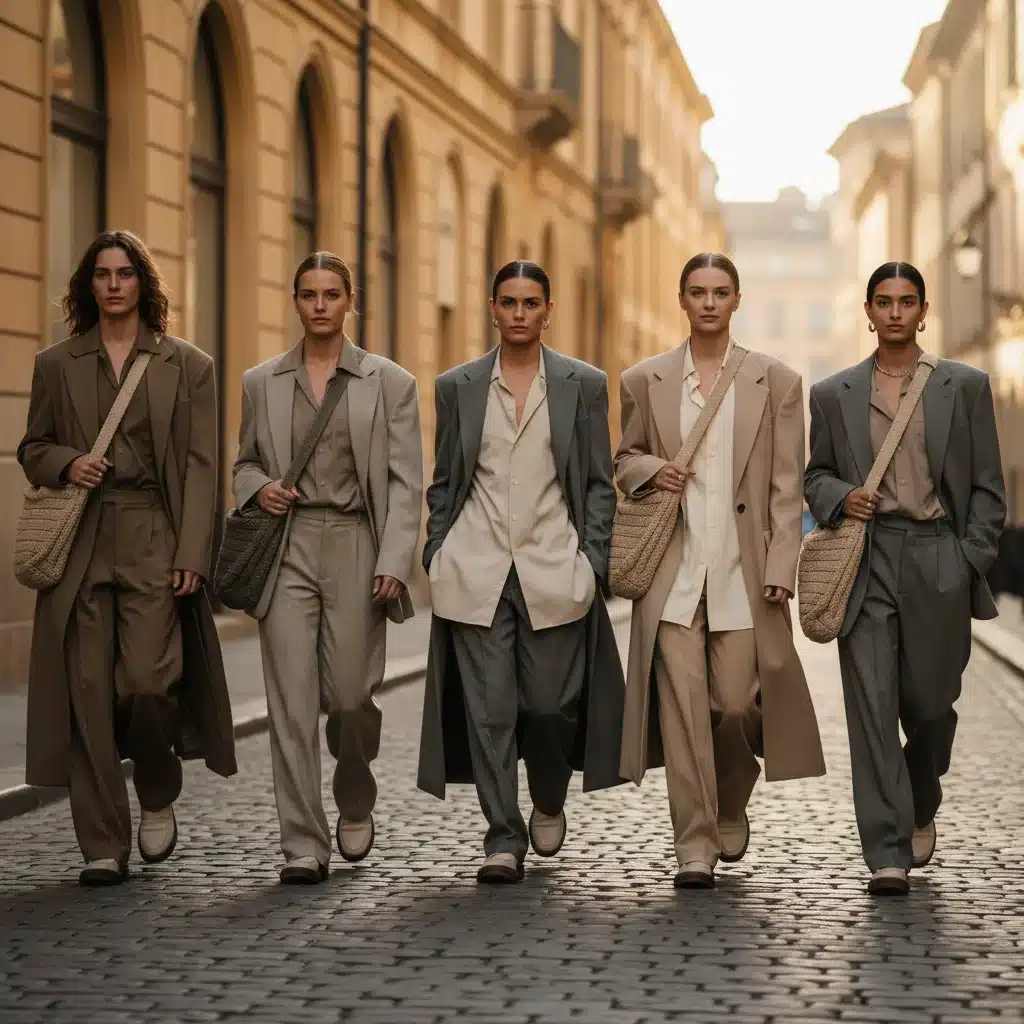
By 2026, mainstream U.S. workwear will reflect this evolution. The ubiquitous suit will be reimagined, often broken into separates, worn with sneakers, or replaced by coordinated knit sets and tailored jumpsuits. Hybrid garments, such as blazer-cardigans or tailored sweatpants, will become common. There will be a greater acceptance of personal style in professional environments, leading to more diverse and expressive work wardrobes. The focus will be on quality, comfort, and pieces that offer flexibility – garments that can be dressed up or down with ease. This trend is driven by a desire for a healthier work-life balance and a rejection of uncomfortable, restrictive clothing that no longer aligns with modern professional life. Companies are increasingly recognizing the importance of employee well-being, and this extends to how employees dress. The future of workwear is less about conformity and more about empowering individuals to feel confident and authentic in their professional roles, blending functionality with sophisticated style. This shift is not merely aesthetic; it reflects a deeper cultural transformation in how we perceive work and professionalism.
Conclusion: Navigating the Future of U.S. Mainstream Apparel
The landscape of U.S. mainstream apparel in 2026 will be a vibrant reflection of these seven high fashion trends. From the tactile richness of innovative fabrics and the ethical imperative of sustainable design to the liberating fluidity of gender-neutral silhouettes and the playful audacity of bold colors, the future of fashion promises both innovation and accessibility. The integration of digital realms through the metaverse, the continued evolution of comfort wear, and the complete reimagining of professional attire further underscore a dynamic and consumer-centric shift.
For consumers, this means a more diverse, comfortable, and personally expressive wardrobe. For brands and retailers, understanding these shifts is paramount. It necessitates investing in sustainable practices, embracing technological advancements, and designing with versatility and inclusivity at the forefront. The journey from runway to reality is a continuous cycle of inspiration, adaptation, and transformation. As these high fashion trends trickle down, they will not only define what we wear but also how we perceive ourselves and our place in a rapidly evolving world. The fashion of 2026 will be a testament to innovation, consciousness, and the enduring power of personal style. Staying ahead of these trends will be key for anyone looking to remain stylish and relevant in the coming years. The industry is responding to a more informed and socially conscious consumer base, making these trends not just about aesthetics, but about values and lifestyle choices. Embrace the change, experiment with new styles, and look forward to a fashion future that is both exciting and meaningful.