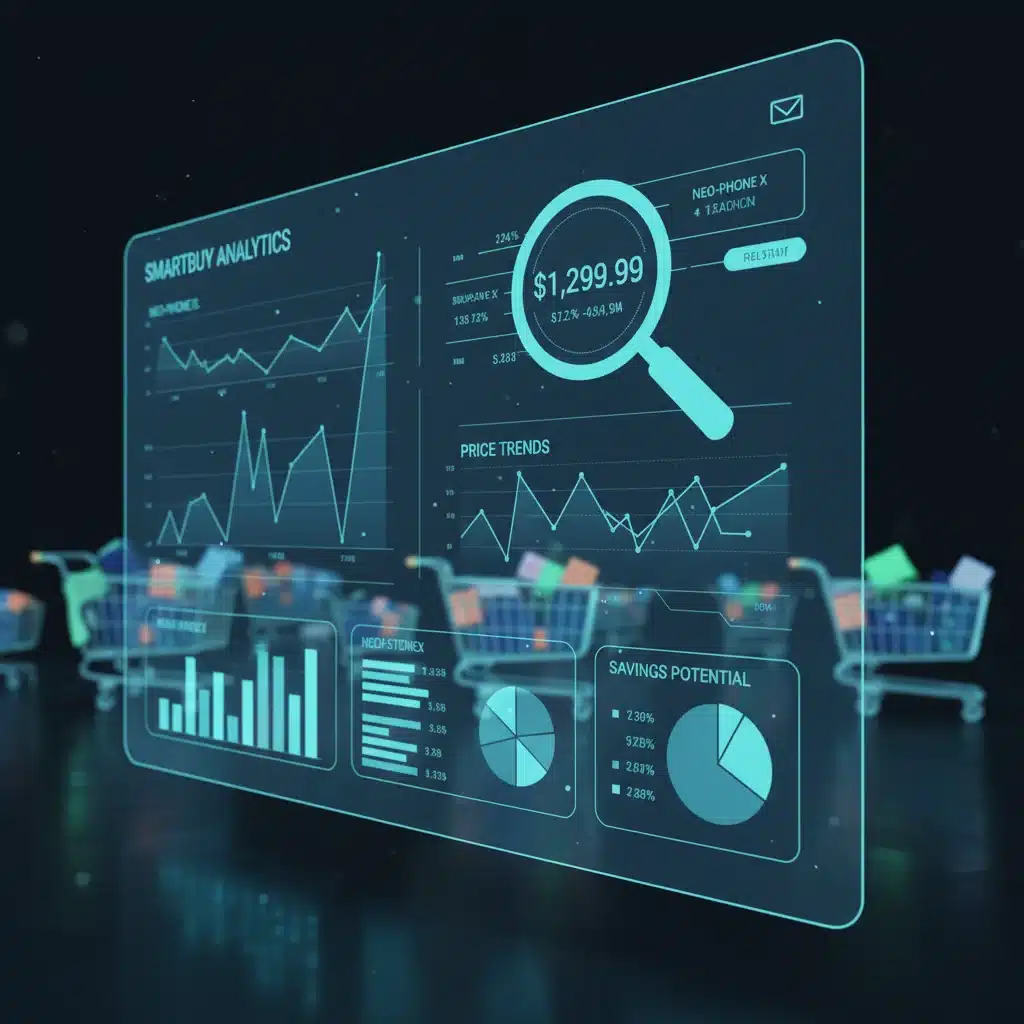
Mastering Price Tracking: Tools and Strategies to Ensure You Never Overpay by More Than 5% in 2026
In today’s dynamic online marketplace, prices fluctuate constantly. What you pay for an item today might be significantly different tomorrow, or even an hour from now. For the savvy consumer, this volatility presents both a challenge and an opportunity. The challenge is avoiding overpaying; the opportunity is securing the best possible deal. This comprehensive guide will equip you with the knowledge, price tracking tools, and strategies necessary to navigate this landscape, ensuring you never overpay by more than 5% in 2026. We will delve deep into the world of price monitoring, revealing how you can leverage technology to your advantage and become a master of smart shopping.
The Ever-Changing Landscape of Online Pricing
Before we dive into specific price tracking tools, it’s crucial to understand why prices change so frequently. E-commerce retailers employ sophisticated algorithms that adjust prices based on a multitude of factors, including demand, inventory levels, competitor pricing, time of day, browsing history, and even your geographic location. This practice, known as dynamic pricing, is designed to maximize profits for sellers, but it can often leave consumers feeling bewildered and frustrated. Without effective price tracking, you’re essentially shopping blind, susceptible to paying more than necessary.
Consider a scenario: you’ve been eyeing a new gadget for weeks. You check its price on Monday, and it’s $500. You decide to wait until payday. By Friday, the price has jumped to $550. This $50 difference, if it happens across multiple purchases throughout the year, can add up to significant overspending. Our goal with effective price tracking is to eliminate these surprises and empower you to make informed purchasing decisions.
Advertisements
Why Price Tracking Is More Important Than Ever
The year 2026 promises an even more competitive and algorithm-driven retail environment. Inflationary pressures, supply chain dynamics, and increased consumer demand for online shopping all contribute to the need for vigilant price tracking. Beyond simply saving money, effective price tracking offers several key benefits:
- Maximized Savings: The most obvious benefit. Consistently buying at lower prices means more money in your pocket.
- Informed Decisions: Understand price trends and historical data to determine if a current deal is genuinely good or if it’s likely to drop further.
- Reduced Buyer’s Remorse: Avoid the feeling of regret after discovering you could have bought an item for less just days later.
- Strategic Shopping: Plan your purchases around sales cycles and anticipated price drops, especially for big-ticket items.
- Competitive Edge: For businesses or individuals buying in bulk, knowing the lowest price can be a significant advantage.
Our target is to ensure you never overpay by more than 5%. This isn’t just about finding the absolute lowest price every single time, which can be impractical, but about consistently getting a fair deal and avoiding significant price gouging or missing out on easy savings. This achievable goal makes price tracking apps and strategies indispensable.
The Essential Price Tracking Tools for 2026
The market is flooded with various price tracking tools, each with its unique features and strengths. Choosing the right ones depends on your shopping habits and the specific retailers you frequent. Here’s a breakdown of the most effective categories and leading examples you should consider integrating into your shopping routine for 2026:
Browser Extensions: Your Desktop Shopping Companion
Browser extensions are perhaps the most convenient form of price tracking software. They integrate directly into your web browser, providing real-time price comparisons, historical data, and often coupon codes as you browse. They are unobtrusive and activate automatically when you visit a product page on a supported retailer’s website.
- Honey: Famous for finding and applying coupon codes automatically, Honey also offers a price history feature and a ‘Droplist’ where you can add items to be notified when their price drops. It’s excellent for a wide range of retailers.
- CamelCamelCamel: Specifically designed for Amazon, this extension is a powerhouse for tracking price history. It shows you the highest, lowest, and average prices for millions of products, allowing you to set email alerts for desired price points. Indispensable for Amazon shoppers.
- Keepa: Another robust Amazon-specific tool, Keepa provides even more detailed price history charts, including third-party seller prices and Amazon Warehouse deals. Its data visualization is top-notch, making it easy to spot trends.
- Rakuten (formerly Ebates): While primarily a cashback service, Rakuten also often highlights coupon codes and sales, indirectly helping you secure better prices. It’s a good complementary tool to ensure you’re getting both a good price and cashback.
- InvisibleHand: This extension works in the background and automatically notifies you if the product you’re viewing is available for a lower price from another retailer. It’s a great passive price tracking tool.
Dedicated Price Tracking Apps and Websites: For Comprehensive Monitoring
For more serious price tracking, especially across multiple stores and for specific items, dedicated apps and websites offer more comprehensive features. These often allow you to create wish lists, set specific price alerts, and receive notifications via email or push notification.
- ShopSavvy: A popular mobile app that allows you to scan barcodes in physical stores to compare prices online, or search for products directly. It provides price history and alerts.
- Fakespot/ReviewMeta: While not strictly price tracking tools, these services are invaluable for smart shopping. They analyze product reviews for authenticity, helping you avoid overpriced, low-quality items that might appear to be a good deal. Knowing a product’s true value is part of not overpaying.
- Pricegrabber: A classic price comparison website that aggregates prices from numerous retailers. You can search for products and see where they are sold for the lowest price. It also offers price alerts.
- Google Shopping: Google’s own comparison service, which often integrates directly into search results. It’s a quick way to see price variations across different sellers for a specific product.
- Slickdeals/FatWallet (and other deal aggregator sites): These platforms are communities where users share and vote on deals. While not automated price trackers, they are excellent for discovering unexpected sales and promotions that might not be picked up by automated tools.
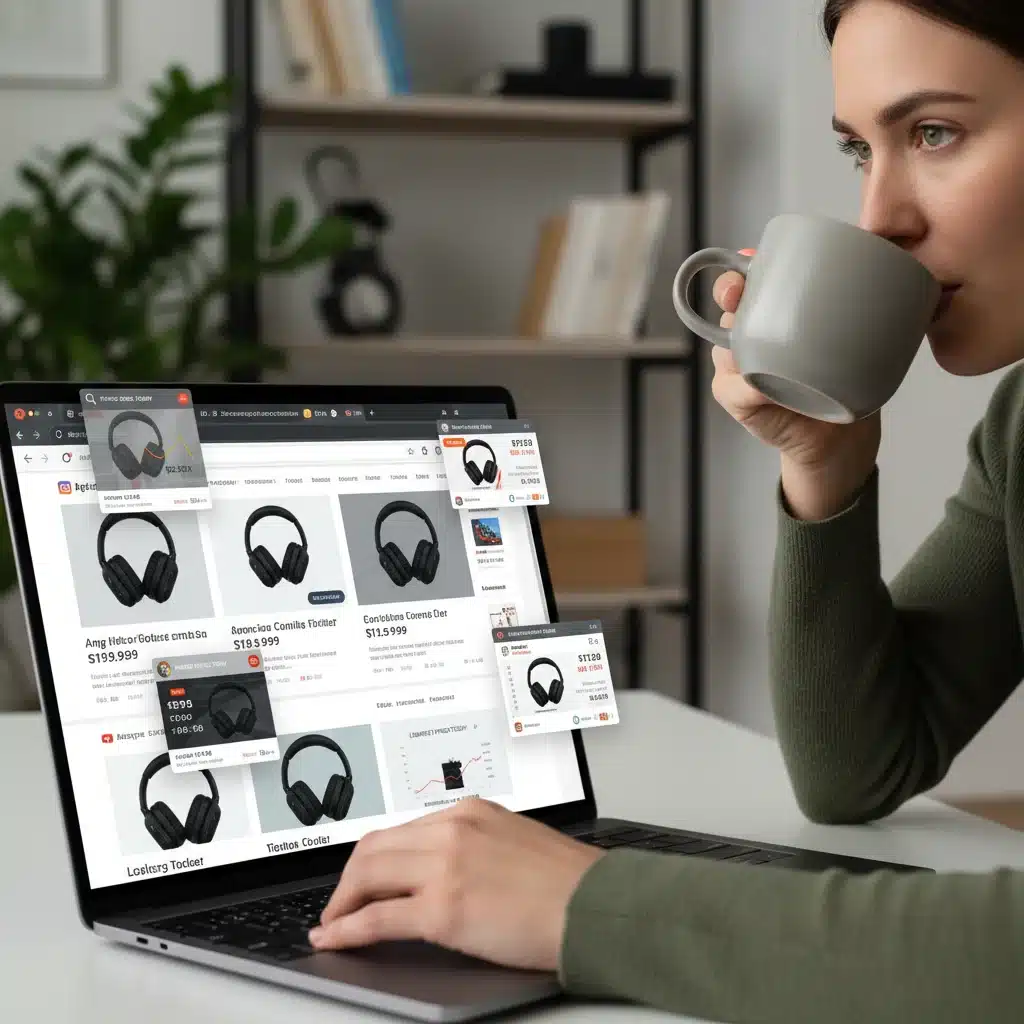
Email Alerts and Wishlist Features: Set It and Forget It
Many online retailers and marketplaces offer their own price alert or wishlist features. While not as sophisticated as dedicated price tracking software, they are a simple and effective way to monitor items directly from the source.
- Amazon Wish List/Price Alerts: You can add items to your Amazon Wish List and then use tools like CamelCamelCamel or Keepa to monitor those specific items for price drops.
- Retailer-Specific Alerts: Many major retailers (e.g., Best Buy, Target, Walmart) allow you to sign up for email notifications when an item you’ve viewed goes on sale or drops in price.
Strategies for Effective Price Tracking in 2026
Having the right price tracking tools is only half the battle. To truly master the art of not overpaying, you need to employ smart strategies that complement your chosen software. Here’s how to integrate price tracking into your shopping habits for maximum savings:
1. The "Wait and Watch" Approach
Impulse purchases are the enemy of smart shopping. For non-essential items, practice the "wait and watch" strategy. Identify an item you want, add it to your price tracking tool’s watchlist, and set an alert for your desired price. Unless it’s an urgent need, resist the urge to buy immediately. Most items will eventually go on sale or drop in price. This is where price tracking apps shine, allowing you to effortlessly monitor price movements.
2. Understand Price History and Trends
Don’t just look at the current price; understand its context. Tools like CamelCamelCamel and Keepa provide invaluable historical price data. A "sale" price might still be higher than the item’s lowest historical price. By understanding trends, you can differentiate between a genuine good deal and a marketing gimmick. If an item frequently dips to a certain price, you know that’s the target you should aim for.
3. Combine Tools for Maximum Coverage
No single price tracking software is perfect for every situation. A multi-pronged approach is usually best. Use a general browser extension like Honey for coupon codes and basic tracking, an Amazon-specific tool like Keepa for Amazon purchases, and a deal aggregator site like Slickdeals for discovering unexpected flash sales. This layered strategy ensures you catch deals from various angles.
4. Set Realistic Price Drop Thresholds
While the goal is to never overpay by more than 5%, setting alerts for a 1% or 2% drop might lead to notification fatigue. For most items, a 5-10% drop is a good threshold to aim for, especially on higher-priced goods. For very expensive items, even a 3% drop can represent significant savings. Customize your alerts based on the item’s value and your urgency.
5. Leverage Price Matching Policies
Many major retailers offer price matching. If your price tracking tools reveal a lower price at a competitor, check if your preferred retailer will match it. This saves you the hassle of ordering from a new store and can often be combined with other discounts or loyalty programs.
6. Be Aware of "Fake Sales" and Dynamic Pricing Manipulation
Retailers sometimes inflate prices before a "sale" to make the discount seem larger than it is. Price history charts from tools like Keepa are crucial here. They reveal if the current "sale" price is genuinely lower than the item’s typical selling price or just a return to its normal level after an artificial hike. Dynamic pricing can also target you based on your browsing habits, so clearing cookies or using incognito mode can sometimes reveal different prices.
7. Consider Refurbished or Open-Box Items
For electronics and many other categories, refurbished or open-box items can offer substantial savings while often coming with warranties. Price tracking tools can also help you monitor these categories, as their prices fluctuate just as much as new items.
8. Utilize Cashback and Rewards Programs
While not direct price tracking tools, cashback sites (like Rakuten, TopCashback) and credit card rewards programs effectively reduce the net cost of your purchases. Combine these with successful price tracking, and your savings multiply. A 5% cashback on an item you bought at its lowest tracked price means even greater overall savings.
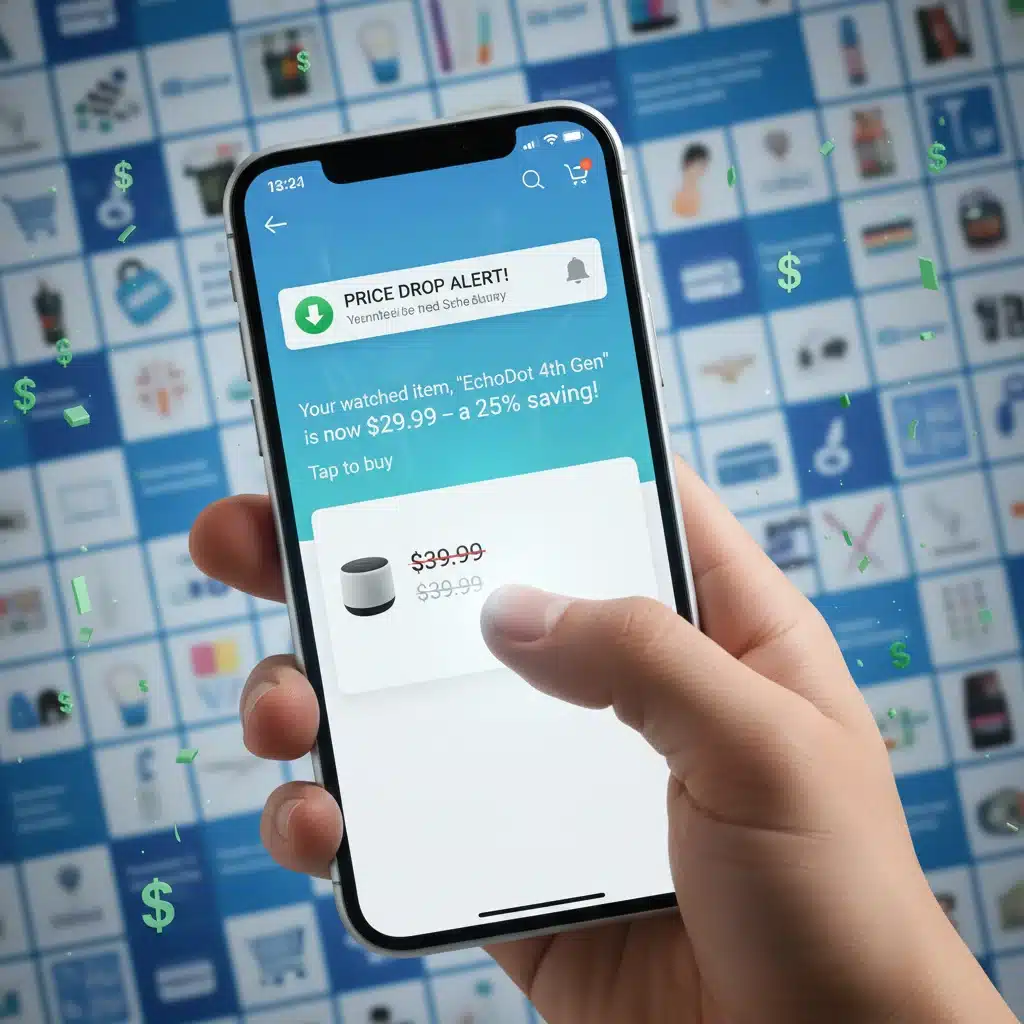
Top Price Tracking Tools for 2026: A Detailed Look
Let’s dive deeper into some of the leading price tracking tools that will be invaluable in your quest to never overpay by more than 5% in 2026.
CamelCamelCamel & Keepa (Amazon Dominators)
If Amazon is your primary shopping destination, these two are non-negotiable. They are the gold standard for Amazon price tracking. Both offer browser extensions and website interfaces. They display detailed price history charts (including third-party sellers, Amazon Warehouse deals, and even used prices), allowing you to see price fluctuations over months or even years. You can set up email alerts for specific price drops or even for when an item becomes available from a specific seller. Their data is incredibly granular and trustworthy, making them essential price tracking software for Amazon.
Honey (The All-Rounder)
Honey is more than just a coupon finder; its Droplist feature is a powerful price tracking app. When you’re on a product page, you can add the item to your Droplist and specify how long you want to track it (e.g., 30, 60, 90 days, or indefinitely). Honey will then notify you via email when the price drops at that specific retailer. While its price history isn’t as detailed as CamelCamelCamel for Amazon, its broad retailer support makes it incredibly versatile for general online shopping.
ShopSavvy (Mobile-First Comparison)
For those who frequently shop on the go or prefer to compare prices while in a physical store, ShopSavvy is an excellent mobile price tracking app. Its barcode scanning feature is incredibly useful for "showrooming" – checking if an item is cheaper online while you’re in a brick-and-mortar store. It aggregates prices from thousands of retailers and also offers price alerts, making it a powerful tool for hybrid shoppers.
InvisibleHand (Passive Price Discovery)
InvisibleHand operates quietly in the background, making it one of the most effortless price tracking tools. When you’re viewing a product online, it automatically checks hundreds of other retailers to see if the same item is available for a lower price. If it finds one, a small, unobtrusive notification appears at the top of your browser. This passive approach means you don’t have to actively search for deals; they come to you.
Google Shopping (Quick Comparisons)
While not a dedicated tracker in the sense of setting alerts, Google Shopping is an indispensable first stop for quick price comparisons. A simple search for a product will often yield a "Shopping" tab that displays prices from various retailers. It’s an excellent way to get an immediate overview of the market price and identify potential savings before committing to a purchase or setting up more detailed tracking with other price tracking software.
Advanced Tips for Price Tracking in 2026 and Beyond
To truly master price tracking and consistently stay within that 5% overpayment threshold, consider these advanced strategies:
- Utilize Virtual Private Networks (VPNs): Some retailers use IP addresses to implement geographic pricing. A VPN can sometimes allow you to appear to be browsing from a different location, potentially revealing lower prices. This is less common but can be effective for certain international purchases.
- Track "Lightning Deals" and Flash Sales: Many price tracking tools and deal aggregators will highlight lightning deals. These are time-sensitive offers that require quick action. Set up specific notifications for these if you’re targeting a high-demand item.
- Leverage Credit Card Price Protection: Some credit cards offer price protection, meaning if an item you bought drops in price within a certain period (e.g., 60-90 days), they will refund the difference. Keep detailed records of your purchases and use your price tracking data to claim these refunds. Always check your credit card benefits for eligibility.
- Monitor Social Media Deal Groups: Platforms like Reddit (e.g., r/buildapcsales, r/deals) and dedicated Facebook groups are hotbeds for user-submitted deals and price drops. These communities often discover sales before automated tools do.
- Understand Seasonal Sales Cycles: Electronics often see drops around Black Friday/Cyber Monday and new product releases. Apparel goes on sale at the end of seasons. Appliances have predictable sale periods. Aligning your price tracking apps with these cycles can yield significant savings.
- Consider Price Prediction Features: Some newer price tracking software is starting to incorporate AI-driven price prediction. While still an emerging field, these tools attempt to forecast future price movements, giving you an edge on when to buy. Keep an eye on these innovations.
The Future of Price Tracking: What to Expect in 2026
As we move further into 2026, expect price tracking tools to become even more sophisticated. Integration with voice assistants, more personalized deal alerts based on your shopping history, and enhanced AI-driven price prediction will likely become standard features. The battle between dynamic pricing algorithms and consumer price tracking tools will continue to evolve, making it even more important to stay updated with the latest advancements. The 5% overpayment threshold will become even more achievable as these tools become more intelligent and ubiquitous.
Conclusion: Your Path to Smarter Shopping and Significant Savings
Mastering price tracking is not just about saving a few dollars here and there; it’s about adopting a strategic approach to consumerism that empowers you to make informed decisions and resist the manipulative tactics of dynamic pricing. By consistently utilizing the right price tracking tools – from browser extensions to dedicated apps and websites – and integrating them with smart shopping strategies, you can confidently navigate the online marketplace of 2026. Your goal of never overpaying by more than 5% is not just attainable; it’s a new standard for intelligent shopping. Start implementing these tools and strategies today, and watch your savings grow while your buyer’s remorse shrinks. Happy tracking!