Textile Breakthroughs: How 3 New Fibers are Changing Fashion Discoveries for the Next Decade

Textile Breakthroughs: How 3 New Fibers are Changing Fashion Discoveries for the Next Decade
The fashion industry, often criticized for its environmental footprint and rapid consumption cycles, stands on the cusp of a profound transformation. This change is not merely aesthetic but fundamental, driven by an urgent need for sustainability, enhanced performance, and ethical production. At the heart of this revolution are groundbreaking advancements in material science, particularly the emergence of new textile fibers that promise to redefine how we conceive, produce, and consume clothing. These new textile fibers are not just incremental improvements; they represent paradigm shifts, offering solutions to long-standing challenges and opening doors to entirely new possibilities for design, functionality, and environmental responsibility. As we look towards the next decade, three particular categories of these innovative fibers are poised to make the most significant impact, charting a course for a more sustainable and high-performing future in fashion.
For centuries, the textile industry has relied heavily on a limited palette of natural and synthetic fibers. Cotton, wool, silk, polyester, and nylon have dominated the market, each with its own set of advantages and drawbacks. While these traditional materials have served us well, their environmental and social costs have become increasingly apparent. The intensive water usage of cotton, the microplastic pollution from synthetics, and the ethical concerns surrounding certain animal fibers have spurred a global quest for alternatives. This quest has led researchers and innovators to explore uncharted territories, leveraging biotechnology, advanced chemistry, and sustainable sourcing to create materials that are not only less harmful but actively beneficial. The focus has shifted from simply “less bad” to “actively good,” aiming for fibers that are biodegradable, renewable, carbon-negative, or offer unprecedented performance characteristics.
The implications of these new textile fibers extend far beyond the aesthetic appeal of a garment. They influence supply chains, manufacturing processes, consumer behavior, and even the very definition of luxury. Brands are increasingly recognizing that true innovation lies not just in design but in the materials themselves. Consumers, too, are becoming more discerning, demanding transparency, sustainability, and durability from their purchases. This confluence of technological advancement and shifting market demands creates a fertile ground for these revolutionary fibers to flourish. Understanding their properties, potential applications, and the challenges associated with their widespread adoption is crucial for anyone involved in or interested in the future of fashion. Let’s delve into the specifics of these three game-changing new textile fibers and explore how they are set to shape the next decade of fashion discoveries.
1. Bio-Synthetic Fibers: Merging Nature’s Best with Lab-Grown Precision
The first category of fibers making waves in the textile world are bio-synthetic fibers. This innovative class represents a powerful synergy between biological processes and advanced synthetic engineering. Unlike traditional synthetics derived solely from petrochemicals, bio-synthetics incorporate renewable biomass sources – think plant sugars, agricultural waste, or even algae – into their molecular structure. The result is a fiber that often retains the desirable performance characteristics of synthetics, such as durability, elasticity, and water resistance, while significantly reducing reliance on fossil fuels and often improving biodegradability or recyclability. This hybrid approach is a critical step towards circularity in fashion.
Advertisements
One prominent example within this category is polylactic acid (PLA) fiber, derived from fermented plant starches, typically corn or sugarcane. PLA offers a silky feel, good drape, and breathability, making it suitable for activewear, everyday apparel, and even upholstery. While not entirely biodegradable in typical home composting conditions, industrial composting facilities can break it down, and its production process is significantly less carbon-intensive than traditional polyester. The ongoing research in PLA aims to enhance its heat resistance and dyeability, expanding its potential applications.
Another exciting development is the rise of bio-based nylon. Traditional nylon is a petroleum-intensive product, but companies are now developing versions where a significant portion of the monomer is derived from castor beans or other bio-based feedstocks. This “green nylon” maintains the exceptional strength, elasticity, and abrasion resistance that make nylon a staple in swimwear, outerwear, and hosiery, but with a considerably lower environmental footprint. The challenge here is scaling production to meet demand while ensuring competitive pricing and consistent quality.
Furthermore, consider the potential of fibers derived from microbial fermentation. Companies are exploring bacteria and yeast to produce novel polymers that can be spun into textiles. For instance, some startups are developing fibers that mimic the properties of silk or even spider silk – renowned for its incredible strength-to-weight ratio – using engineered microbes. These bio-fabricated fibers offer the promise of high performance without relying on animals or petrochemicals, representing a truly revolutionary pathway for sustainable materials. The ability to “grow” textiles in bioreactors could fundamentally alter the supply chain, making it more localized and less resource-intensive.
The advantages of bio-synthetic fibers are manifold. They typically have a lower carbon footprint during production, reduce dependence on finite fossil resources, and can often be designed for improved end-of-life options, such as composting or chemical recycling. However, challenges remain. The cost of production for these new textile fibers can still be higher than conventional alternatives, and the infrastructure for processing and recycling them is still nascent. Moreover, ensuring that the biomass sources are truly sustainable – not competing with food crops or contributing to deforestation – is a critical consideration. Despite these hurdles, bio-synthetics are undeniably a cornerstone of the future textile landscape, offering a powerful bridge between performance and planetary well-being. Their continued development and scaling will be vital for achieving a truly circular fashion economy.

2. Regenerative Cellulosic Fibers: Unlocking Nature’s Abundance
The second major category poised to revolutionize fashion is regenerative cellulosic fibers. Cellulose, the most abundant organic polymer on Earth, is the primary structural component of plant cell walls. While traditional cellulosic fibers like cotton and linen have been mainstays for millennia, and regenerated cellulosics like viscose (rayon) and modal have been around for over a century, the “regenerative” aspect refers to a new generation of these fibers that prioritize incredibly sustainable sourcing and closed-loop production processes. These new textile fibers aim to harness the natural biodegradability and renewability of cellulose while minimizing the environmental impact associated with its transformation into fabric.
One of the most significant innovations in this area is lyocell, often known by its brand name Tencel. Lyocell is produced from wood pulp, typically from eucalyptus, oak, or birch trees grown in sustainably managed forests. What sets it apart is its closed-loop manufacturing process. Unlike traditional viscose, which uses harsh chemicals that can be harmful if not properly managed, lyocell employs an organic solvent that is almost entirely recovered and reused. This drastically reduces water pollution and chemical waste. Lyocell fibers are known for their exceptional strength, softness, excellent moisture absorption, and breathability, making them ideal for everything from luxury apparel to activewear and bedding. Its versatility and strong sustainability credentials have made it a favorite among eco-conscious brands.
Beyond wood pulp, researchers are exploring other unconventional cellulose sources. Agricultural waste, such as straw, rice husks, and even banana stalks, represents a vast, untapped resource. Imagine turning discarded pineapple leaves into a luxurious, leather-like material (Piñatex) or transforming orange peels into a silky fabric (Orange Fiber). These innovations not only divert waste from landfills but also create new revenue streams for agricultural communities. The challenge lies in efficiently extracting and processing the cellulose from these diverse feedstocks on an industrial scale, ensuring consistency and cost-effectiveness.
Another exciting development is the creation of fibers from recycled cotton. While cotton is natural, its cultivation is resource-intensive. Recycling pre- and post-consumer cotton waste into new fibers reduces the demand for virgin cotton and helps close the loop. Technologies like Circulose by Renewcell chemically break down cotton waste to create a new, high-quality cellulose pulp that can then be spun into fibers similar to viscose or lyocell. This process offers a viable solution to textile waste, a monumental problem in the fashion industry. The key here is developing efficient sorting and processing technologies to handle the vast quantities and varieties of textile waste.
The benefits of regenerative cellulosic fibers are clear: they are derived from renewable resources, are inherently biodegradable, and, with advanced processing, can significantly reduce water and chemical usage. They offer a comfortable, breathable, and often luxurious hand-feel that appeals to both designers and consumers. The primary challenges involve ensuring the sustainable management of forest resources (where wood pulp is used), scaling up the processing of agricultural waste, and perfecting the recycling technologies for textile waste without compromising fiber quality. As these technologies mature, regenerative cellulosic fibers are set to become a cornerstone of sustainable fashion, providing high-performance, eco-friendly alternatives to conventional materials.
3. Smart and Responsive Fibers: The Future of Functional Fashion
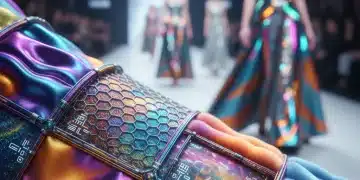
The third transformative category of new textile fibers isn’t just about sustainability, but about unprecedented functionality: smart and responsive fibers. These are textiles that can sense, react, and adapt to their environment or the wearer’s body, blurring the lines between clothing, technology, and biology. This field is rapidly evolving, driven by advancements in nanotechnology, conductive materials, and embedded electronics, promising a future where our clothes do far more than just cover us.
One area of significant development is conductive fibers. By incorporating metallic elements, carbon nanotubes, or conductive polymers directly into the fiber structure, these textiles can carry electrical signals. This allows for the integration of sensors and electronics directly into garments without the need for bulky external devices. Imagine activewear that monitors your heart rate, respiration, and muscle activity with medical-grade accuracy, or clothing that can detect changes in body temperature and automatically adjust its insulation properties. These fibers are crucial for developing wearable technology that is truly seamless, comfortable, and washable.
Another fascinating innovation lies in phase-change materials (PCMs) integrated into fibers. PCMs can absorb, store, and release latent heat, allowing textiles to actively regulate temperature. A shirt made with PCM fibers could keep you cool in hot environments by absorbing excess body heat and then release that heat when the temperature drops. This technology has immense potential for performance apparel, workwear in extreme conditions, and even everyday clothing, offering unparalleled thermal comfort and reducing the need for heating or cooling in buildings. The challenge is to integrate PCMs stably and durably into fibers without compromising the fabric’s feel or washability.
Self-cleaning and antimicrobial fibers are also gaining traction. By embedding nanoparticles (like silver or titanium dioxide) or specialized polymers, textiles can develop properties that resist stains, kill bacteria, or even break down pollutants. This not only extends the lifespan of garments by reducing the need for frequent washing but also enhances hygiene, particularly in medical settings, sportswear, and public transport. The environmental impact of these nanoparticles and their release during washing cycles is a key area of ongoing research and regulation.
Furthermore, consider chromatic fibers that can change color or pattern. While still largely in the experimental phase, imagine clothing that can adapt its appearance based on light conditions, temperature, or even a user’s mood, controlled via an app. Electrochromic materials, thermochromic dyes, and even light-emitting fibers (OLED fibers) are paving the way for truly dynamic and interactive fashion. These new textile fibers could transform everything from high fashion to functional safety wear, offering unprecedented levels of personalization and utility.
The implications of smart and responsive fibers are vast, extending into healthcare, sports, military applications, and everyday life. They promise garments that can monitor health, enhance performance, adapt to climate, and even communicate. The challenges, however, are significant: ensuring durability and washability of integrated electronics, managing power sources, addressing data privacy concerns, and making these technologies affordable and scalable for mass production. Despite these complexities, smart fibers represent the cutting edge of textile innovation, offering a glimpse into a future where clothing is an intelligent extension of ourselves, actively contributing to our well-being and convenience.

The Broader Impact and Future Outlook for New Textile Fibers
The emergence of these three categories of new textile fibers – bio-synthetics, regenerative cellulosics, and smart/responsive fibers – signifies a monumental shift in the textile and fashion landscape. Their collective impact is multifaceted, addressing critical issues ranging from environmental degradation to consumer demands for both sustainability and enhanced functionality. The next decade will undoubtedly be defined by how successfully these innovations transition from laboratory breakthroughs to mainstream adoption.
From an environmental perspective, these fibers offer tangible pathways to reduce the fashion industry’s colossal footprint. Bio-synthetics directly tackle petroleum dependence and microplastic pollution. Regenerative cellulosics provide solutions for waste reduction and sustainable resource management. Both categories contribute significantly to lowering greenhouse gas emissions and water consumption associated with textile production. The challenge now is to scale these solutions globally, ensuring that production processes are themselves sustainable and that end-of-life infrastructure (for composting, recycling, or repair) is robustly developed. This requires significant investment in research, infrastructure, and policy support to create a truly circular economy.
Economically, the development of new textile fibers creates new industries, fosters innovation, and can lead to more resilient and localized supply chains. As these materials become more cost-effective and widely available, they will unlock new design possibilities and market segments. Brands that embrace these innovations early will gain a competitive edge, appealing to a growing segment of environmentally and ethically conscious consumers. Moreover, the intellectual property surrounding these fibers will drive significant investment and create high-skilled jobs in material science, engineering, and sustainable manufacturing.
Socially, the shift towards these new textile fibers can lead to improved working conditions, particularly in regions where traditional textile production has been associated with exploitation and pollution. Transparent and ethical sourcing of biomass, coupled with cleaner manufacturing processes, can uplift communities and enhance the overall well-being of workers. For consumers, these fibers offer not only peace of mind regarding environmental impact but also enhanced comfort, durability, and functionality in their clothing. The integration of smart fibers, in particular, holds the promise of clothing that genuinely improves health, safety, and daily convenience.
The journey, however, is not without its obstacles. Overcoming the “green premium” – the higher cost often associated with sustainable innovations – is crucial for mass adoption. Educating consumers about the benefits and proper care of these new textile fibers is also essential. Furthermore, establishing clear, standardized certifications and labeling will help consumers navigate the complex landscape of sustainable claims and prevent “greenwashing.” Collaboration across the entire value chain – from raw material suppliers to designers, manufacturers, retailers, and even consumers – will be paramount to realizing the full potential of these textile breakthroughs.
Looking ahead, the next decade promises a fashion industry that is more dynamic, responsible, and innovative than ever before. The continued evolution of bio-synthetics, regenerative cellulosics, and smart fibers will not only transform the materials we use but also challenge our very perception of clothing. We are moving towards a future where textiles are not just passive coverings but active participants in our lives and in the health of the planet. These new textile fibers are not merely trends; they are foundational elements of a sustainable and intelligent future for fashion, offering exciting discoveries and opportunities for generations to come. The revolution is well underway, and the threads of tomorrow are being spun today.