Fabric Focus: The Top 5 Textile Innovations Driving US Fashion Forward in 2026

Fabric Focus: The Top 5 Textile Innovations Driving US Fashion Forward in 2026
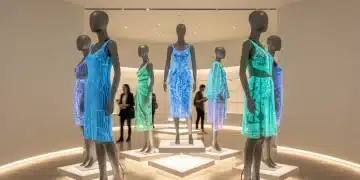
The fashion industry is a dynamic beast, constantly evolving, adapting, and innovating. In the United States, this evolution is particularly pronounced, driven by a confluence of consumer demand for sustainability, technological advancements, and a relentless pursuit of performance. As we hurtle towards 2026, the landscape of US fashion is poised for a significant transformation, largely spearheaded by groundbreaking textile innovations US fashion designers and manufacturers are embracing. These aren’t just incremental improvements; they are paradigm shifts that promise to redefine how clothes are made, worn, and perceived. From eco-friendly alternatives to high-tech fabrics that interact with our bodies, the future of fashion is being woven, literally, one innovative thread at a time.
Understanding these shifts is crucial not only for industry professionals but also for conscious consumers who want to make informed choices. The impact of these textile innovations extends beyond aesthetics, touching upon environmental responsibility, ethical production, and even personal well-being. This article delves into the top five textile innovations that are not only making waves but are set to drive US fashion forward in the coming years, offering a glimpse into a more sustainable, functional, and exciting future.
The journey of fashion has always been intertwined with the evolution of textiles. From the earliest woven fibers to the synthetic marvels of the 20th century, each era has left its indelible mark. Now, as we stand on the precipice of a new technological revolution, the textile industry is once again at the forefront, pushing boundaries and challenging conventions. The demand for sustainability, driven by increasing environmental awareness, has spurred a massive investment in eco-friendly alternatives. Simultaneously, advancements in material science and digital technology have opened doors to fabrics that can do more than just clothe us – they can monitor our health, adapt to our environment, and even generate energy. These are the forces shaping the next generation of textile innovations US fashion will be built upon.
Advertisements
1. Sustainable & Regenerative Bio-Fabrics: The Green Revolution
Perhaps the most impactful trend in textile innovations US fashion is the relentless pursuit of sustainability. The fashion industry has long been criticized for its environmental footprint, from water consumption and chemical pollution to textile waste. Bio-fabrics, derived from natural, renewable resources, are emerging as a powerful solution. These aren’t just organic cotton or linen; we’re talking about advanced materials engineered from unexpected sources, offering comparable or even superior performance to traditional textiles.
Mycelium-Based Leathers: The Fungal Future
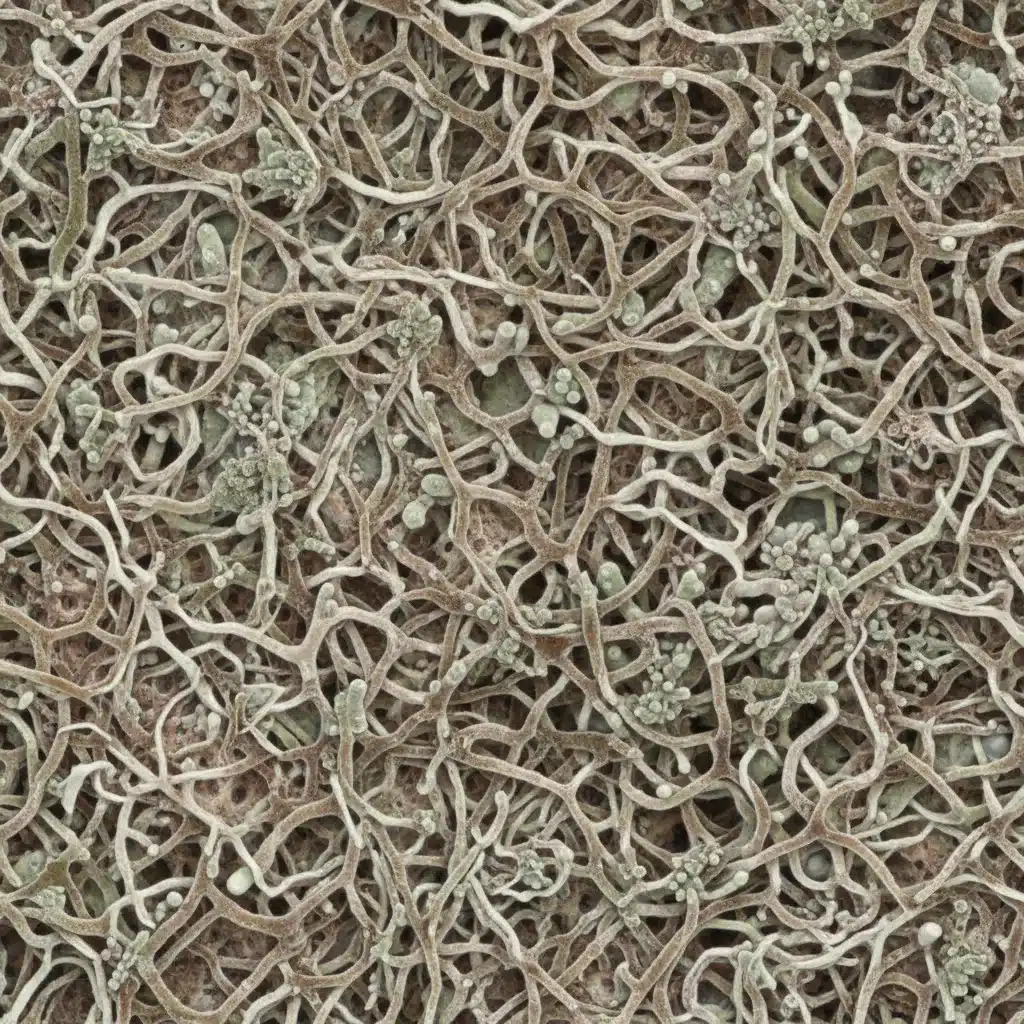
One of the most exciting developments in this category is mycelium-based leather. Mycelium, the root structure of mushrooms, can be grown rapidly and cultivated into a material that mimics the look, feel, and durability of animal leather, but without the ethical and environmental drawbacks. Brands are increasingly experimenting with this innovative material for accessories, footwear, and even outerwear. The production process is significantly less resource-intensive than traditional leather tanning, requiring less water and eliminating the need for harmful chemicals. This represents a monumental leap towards a cruelty-free and environmentally responsible alternative, directly impacting the supply chain for textile innovations US fashion brands are seeking.
Algae and Plant-Based Fibers: Beyond Cotton
Beyond mycelium, researchers are harnessing the power of algae and various plant wastes to create new fibers. Algae can be processed into yarns that are biodegradable and require minimal land or freshwater. Similarly, fibers derived from agricultural waste products like pineapple leaves, banana stems, or even citrus peels are gaining traction. These materials not only reduce waste but also offer unique properties, such as natural breathability or antimicrobial qualities. The integration of these innovative bio-fibers into mainstream fashion will significantly reduce the industry’s reliance on synthetic, petroleum-based materials and resource-intensive natural fibers, marking a crucial step in the evolution of textile innovations US fashion can leverage for a greener future.
2. Smart Textiles & Wearable Technology: Fashion Meets Function
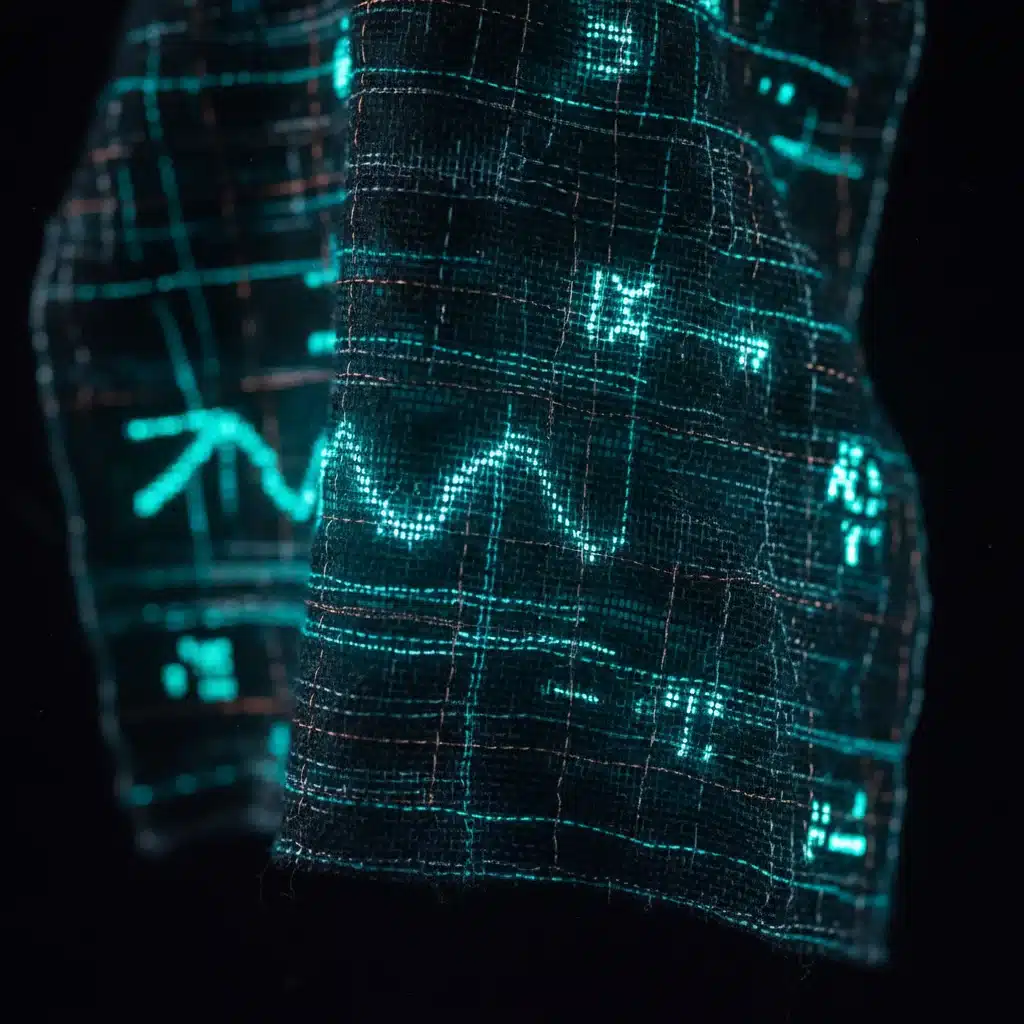
The convergence of fashion and technology is no longer a futuristic concept; it’s a rapidly expanding reality. Smart textiles, embedded with sensors, microcontrollers, and other electronic components, are transforming clothing from mere coverings into interactive devices. These textile innovations US fashion is adopting are opening up entirely new categories of apparel, offering enhanced functionality and personalized experiences.
Health Monitoring Apparel: Your Clothes, Your Doctor
Imagine a shirt that can track your heart rate, respiration, and even stress levels, sending data directly to your smartphone or healthcare provider. This is no longer science fiction. Companies are developing fabrics with integrated biometric sensors that are comfortable, washable, and seamlessly blend into everyday wear. For athletes, this means real-time performance tracking and injury prevention. For the elderly or those with chronic conditions, it offers continuous, non-invasive monitoring, providing peace of mind and early detection of potential issues. This seamless integration of health tech into textiles represents a significant leap for textile innovations US fashion designers are eager to incorporate.
Temperature-Regulating and Adaptive Fabrics: Comfort in Any Climate
Another exciting area is fabrics that can actively adapt to environmental conditions. These textiles can regulate body temperature by wicking away moisture, enhancing breathability, or even generating warmth when needed. Phase-change materials (PCMs) embedded within fibers can absorb, store, and release heat, keeping the wearer comfortable across a range of temperatures. Imagine a jacket that keeps you cool in the summer and warm in the winter, all without adding or removing layers. These adaptive properties are not only about comfort but also about reducing the need for multiple garments, contributing to a more minimalist and sustainable wardrobe. These adaptive capabilities are a testament to the versatility of textile innovations US fashion is embracing.
3. Advanced Performance Materials: Beyond Durability
While smart textiles focus on interaction, advanced performance materials are about pushing the boundaries of what fabrics can endure and achieve. These textile innovations US fashion is adopting are engineered for specific functions, offering unparalleled strength, lightness, protection, and longevity. This category is particularly vital for activewear, outdoor apparel, and specialized occupational clothing, but its influence is steadily seeping into everyday fashion.
Self-Cleaning and Stain-Resistant Fabrics: Low Maintenance, High Style
The dream of self-cleaning clothes is closer than ever. Nanotechnology is enabling the development of fabrics with surfaces that repel water, oil, and dirt, making them incredibly easy to clean and maintain. Some innovations even incorporate photocatalytic coatings that break down organic stains and odors when exposed to light. This not only extends the lifespan of garments but also reduces the need for frequent washing, saving water and energy. For the busy modern consumer, this represents a significant convenience and a step towards a more sustainable laundry routine. These low-maintenance properties are a game-changer for textile innovations US fashion is bringing to market.
Lightweight and Strong Composites: The Future of Structure
From ultra-light yet incredibly strong outerwear to flexible, protective gear, composite materials are redefining the structural integrity of garments. Blends of high-performance fibers like aramid, carbon fiber, or UHMWPE (Ultra-high-molecular-weight polyethylene) with traditional textiles create fabrics that offer superior tear resistance, abrasion resistance, and even ballistic protection, all while remaining surprisingly lightweight. These materials are crucial for specialized applications but are also inspiring new design approaches in mainstream fashion, allowing for more structured yet comfortable silhouettes. The strength and versatility of these composites are key to the future of textile innovations US fashion will see.
4. Digital Textile Printing & 3D Weaving: Customization and Efficiency
The manufacturing process itself is undergoing a revolution, driven by digital technologies. Digital textile printing and advanced 3D weaving techniques are not only making production more efficient and sustainable but also enabling unprecedented levels of customization and design complexity. These textile innovations US fashion is adopting are democratizing design and shortening supply chains.
On-Demand Digital Printing: Reduced Waste, Infinite Possibilities
Traditional textile printing often involves significant water usage and chemical waste. Digital textile printing, on the other hand, uses far less water and allows for on-demand production, dramatically reducing textile waste from overproduction. Designers can experiment with intricate patterns, photographic realism, and vibrant colors without the limitations of traditional screen printing. This technology empowers smaller brands and independent designers to bring unique, customized products to market quickly, responding to trends with agility and precision. The ability to print exactly what is needed, when it is needed, is a cornerstone of sustainable textile innovations US fashion is embracing.
3D Weaving and Knitting: Seamless Garments, Minimized Waste
Beyond printing, 3D weaving and knitting technologies are transforming how garments are constructed. Instead of cutting and sewing flat pieces of fabric, these machines can produce entire garments or complex sections in a single, seamless process. This eliminates fabric waste from cutting (often a significant percentage in traditional manufacturing) and allows for the creation of garments with unique anatomical fits and integrated features. Imagine a shoe upper or a sweater knitted in one piece, perfectly contoured to the body, with varying textures and densities precisely where they are needed. This efficiency and precision are vital for the advancement of textile innovations US fashion is investing in.
5. Recycled and Upcycled Fibers: Closing the Loop
The circular economy is a cornerstone of sustainable development, and the fashion industry is making significant strides in closing the loop on textile waste. Recycled and upcycled fibers are not just about environmental responsibility; they are about creating valuable resources from what was once considered waste, driving significant textile innovations US fashion brands are prioritizing.
Post-Consumer and Post-Industrial Recycling: From Waste to Wearable
Recycling textiles, especially mixed fiber garments, has historically been challenging. However, advancements in mechanical and chemical recycling processes are making it increasingly viable to break down old clothes and industrial textile scraps into new fibers. Post-consumer waste, like discarded PET bottles, is already widely used to produce polyester fibers. Now, the focus is shifting to textile-to-textile recycling, where old cotton t-shirts can become new cotton yarns, and discarded polyester garments can be re-spun into high-quality polyester. This reduces the demand for virgin resources and diverts massive amounts of textile waste from landfills, directly contributing to the sustainability goals of textile innovations US fashion is championing.
Upcycling and Creative Repurposing: Design with a Conscience
Upcycling takes a different approach, transforming discarded materials or garments into new products of higher value. This can range from deconstructing vintage clothes to create new designs to using industrial offcuts for unique accessories. While not strictly a ‘fiber’ innovation, the philosophy behind upcycling drives demand for durable, high-quality base materials that can be given a second life. It also fosters creativity and encourages a more mindful approach to consumption and production. The rise of brands dedicated solely to upcycled collections highlights a growing market segment for these resourceful textile innovations US fashion consumers are increasingly seeking.
The Broader Impact of Textile Innovations on US Fashion
These five areas of textile innovations US fashion is embracing are not isolated phenomena; they are interconnected and collectively reshaping the industry. The implications are far-reaching:
- Environmental Stewardship: A significant reduction in water usage, chemical pollution, carbon emissions, and landfill waste. The move towards bio-based and recycled materials is pivotal.
- Ethical Production: Many sustainable textile innovations come hand-in-hand with more transparent and ethical supply chains, addressing concerns about labor practices and worker safety.
- Consumer Engagement: Consumers are becoming more educated and demanding about the origins and impact of their clothing. Brands that adopt these innovations will resonate more strongly with this growing segment.
- Economic Opportunities: The development and manufacturing of these new textiles are creating new jobs and fostering economic growth in research, development, and specialized production facilities within the US.
- Design Freedom: New materials and manufacturing techniques open up unprecedented creative possibilities for designers, allowing them to explore new forms, textures, and functionalities.
- Performance and Durability: Garments made from these advanced textiles are often more durable, comfortable, and functional, offering better value and extending product lifecycles.
The investment in research and development for these textile innovations US fashion industry players are making is substantial. Universities, startups, and established corporations are collaborating to bring these materials from the lab to the runway and ultimately, into our wardrobes. Government initiatives and funding for sustainable manufacturing also play a critical role in accelerating this transition.
Challenges and the Road Ahead
While the future looks promising, the widespread adoption of these textile innovations is not without its challenges. Cost remains a significant barrier; many advanced sustainable materials are initially more expensive to produce than their conventional counterparts. Scaling up production to meet the demands of a global industry also requires substantial investment and infrastructure development. Furthermore, consumer education is key; for these innovations to truly take hold, consumers need to understand their benefits and be willing to invest in them.
However, as technology matures and economies of scale are achieved, these costs are expected to decrease. Policy changes, such as carbon taxes or incentives for sustainable production, could also accelerate adoption. The growing awareness among consumers about the environmental and social impact of their choices is arguably the most powerful driver. As this awareness translates into purchasing decisions, brands will have an even stronger incentive to prioritize these textile innovations US fashion is currently exploring.
Conclusion: Weaving a Brighter Future for US Fashion
The year 2026 is not far off, and the trajectory of textile innovations US fashion is clearly pointing towards a future that is more sustainable, intelligent, and performance-driven. From the natural wonders of mycelium and algae to the digital precision of 3D weaving and the circularity of advanced recycling, the fabric of fashion is being re-imagined. These innovations promise not only to create more exciting and functional clothing but also to significantly reduce the industry’s environmental footprint and foster more ethical practices.
As consumers, our choices will continue to play a pivotal role in accelerating this transformation. By supporting brands that invest in these cutting-edge materials and technologies, we can collectively steer the US fashion industry towards a more responsible and innovative future. The threads of change are being woven, and the resulting tapestry will be a testament to human ingenuity and our commitment to a better planet.
The journey of fashion is inherently about progress, and these textile innovations represent the next great leap. Get ready to experience a wardrobe that not only looks good but also does good, feels good, and contributes to a healthier planet. The future of US fashion is bright, and it’s being spun from the most incredible fibers imaginable.