Smart Shopping Alerts: 4 Key Indicators of a Great Fashion Deal in 2026

Smart Shopping Alerts: 4 Key Indicators of a Great Fashion Deal in 2026
In the dynamic world of fashion, where trends emerge and fade with dizzying speed, distinguishing a genuine ‘great deal’ from a mere discount can be a challenge. As we navigate 2026, the landscape of retail continues to evolve, bringing with it new opportunities and new pitfalls for the eager shopper. Understanding the true fashion deal indicators is more crucial than ever. This comprehensive guide will empower you to become a savvy consumer, equipped with the knowledge to identify truly valuable fashion purchases that stand the test of time, style, and sustainability.
Gone are the days when a low price tag was the sole determinant of a good deal. Today, smart shopping goes beyond just saving money; it encompasses quality, longevity, ethical considerations, and how well an item integrates into your existing wardrobe. With the rise of AI-powered recommendations, personalized shopping experiences, and a heightened awareness of environmental impact, consumers are demanding more from their purchases. This article delves deep into the four essential fashion deal indicators that will ensure your investments are not just affordable, but genuinely smart.
The Evolving Definition of a ‘Deal’ in 2026
Before we dive into the specific fashion deal indicators, it’s important to acknowledge how the concept of a ‘deal’ has transformed. In 2026, a deal isn’t just about a markdown. It’s about value—value that resonates with your personal style, your ethical compass, and your financial goals. Fast fashion, while still prevalent, faces increasing scrutiny, pushing consumers towards more thoughtful consumption. This shift has elevated the importance of discerning genuine value, making our indicators even more relevant.
Advertisements
Consider the rise of circular fashion models, rental services, and resale platforms. These innovations are reshaping how we acquire and perceive ownership of clothing. A ‘deal’ might now involve a high-quality pre-owned item at a fraction of its original price, or a subscription service that offers access to designer pieces without the full investment. The emphasis is on smart resource utilization and extending the lifecycle of garments. Therefore, when evaluating a potential purchase, it’s essential to look beyond the immediate price reduction and consider the broader context of its value proposition.
The digital age also plays a significant role. Advanced analytics and AI can now track consumer behavior, predict trends, and even identify optimal pricing strategies. This means retailers are more sophisticated in their promotions, making it harder for an untrained eye to spot a truly exceptional opportunity. Our four fashion deal indicators are designed to cut through this complexity, providing a clear framework for making informed decisions.
Indicator 1: Uncompromised Quality and Durability
The first and arguably most critical fashion deal indicator is the inherent quality and durability of the garment. A low price on a poorly made item is not a deal; it’s a waste of money waiting to unravel. In 2026, with a growing emphasis on sustainability and conscious consumption, investing in pieces that last is paramount. How do you assess quality?
Fabric Composition and Feel
Always check the fabric label. Look for natural fibers like cotton, linen, wool, and silk, or high-quality blends designed for longevity and performance. Synthetic fabrics aren’t inherently bad, but their quality can vary wildly. Research innovative sustainable synthetics that are emerging, often made from recycled materials. Touch the fabric – does it feel substantial, soft, or resilient? A good quality fabric will often have a pleasant drape and texture that speaks to its construction.
For instance, a high thread count in cotton, a tight weave in wool, or the smooth, cool feel of silk are all positive signs. Avoid fabrics that feel flimsy, rough, or excessively stretchy unless that stretch is intentional for performance wear and made from durable elastane blends. The way a fabric holds its shape and resists wrinkles can also be a subtle hint at its quality. Investing in a piece made from premium materials ensures it will withstand repeated wear and washing, maintaining its appearance over time.
Construction and Stitching
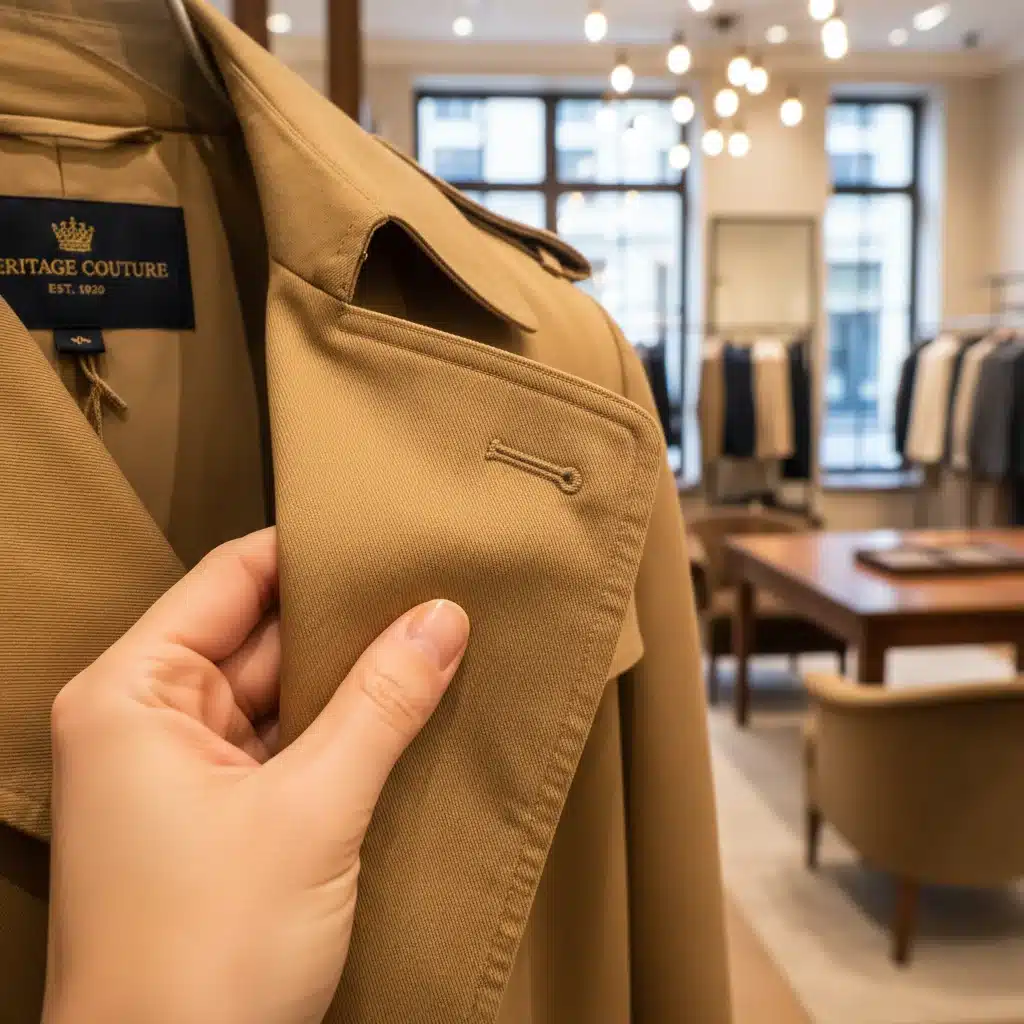
Examine the construction. Are the seams straight and even? Are there loose threads? Are buttons securely sewn, and zippers smooth-gliding? High-quality garments feature neat, reinforced stitching, often with double seams in high-stress areas. Pattern matching at seams (especially for plaids or stripes) is another sign of careful craftsmanship. Check the lining – is it fully sewn in and made from a breathable, comfortable material?
A well-constructed garment will feel sturdy and thoughtfully put together. Turn the item inside out to inspect the interior seams. Are they finished (e.g., French seams, overlocked)? Raw, unfinished seams are a red flag for durability. Pay attention to details like reinforced buttonholes, even hems, and perfectly aligned pockets. These small details collectively speak volumes about the overall quality and the item’s potential lifespan.
Remember, a garment that falls apart after a few wears, regardless of its initial price, represents zero value. A truly great fashion deal indicator is finding a well-made item that you know will endure.
Indicator 2: Timeless Style and Versatility
The second key fashion deal indicator is the item’s ability to transcend fleeting trends. While it’s fun to dabble in seasonal fads, truly smart investments are pieces that possess timeless appeal and can be styled in multiple ways across different occasions. This ensures maximum wearability and a reduced need for constant wardrobe updates.
Classic Silhouettes and Colors
Opt for classic silhouettes that flatter your body type and remain perennially stylish. Think a well-tailored blazer, a classic trench coat, a simple shift dress, or a pair of perfectly fitting dark wash jeans. These items form the backbone of a versatile wardrobe. Similarly, choose neutral colors like black, white, navy, grey, and beige, which can be easily mixed and matched with bolder pieces or worn on their own.
While a vibrant, on-trend color might catch your eye, consider if it will still feel relevant in a year or two. Classic colors, however, provide a solid foundation that allows for endless styling possibilities. They also make it easier to integrate new, trend-driven accessories or layering pieces without overhauling your entire look. A timeless piece, even at a higher initial price, becomes a better deal over time because its cost per wear diminishes significantly.
Adaptability and Multi-Occasion Wear
A great fashion deal offers versatility. Can the item be dressed up or down? Can it transition from day to night, or from a casual setting to a more formal one? For example, a crisp white button-down shirt can be worn with jeans for a casual look, tucked into a skirt for the office, or layered under a blazer for a more polished ensemble. A versatile dress might be worn with sneakers during the day and heels for an evening event.
Consider items with convertible features, such as detachable sleeves, adjustable hemlines, or pieces that can be worn in multiple ways (e.g., a scarf that doubles as a top). The more ways you can wear an item, the more value you extract from your purchase. This adaptability is a powerful fashion deal indicator, signaling that you’re investing in a piece that will serve you well across various aspects of your life and for many seasons to come.
Indicator 3: Ethical Sourcing and Sustainable Practices
The third fashion deal indicator reflects a growing societal awareness and consumer demand for ethical and sustainable production. In 2026, a true deal isn’t just good for your wallet; it’s also good for the planet and the people involved in its creation. This doesn’t necessarily mean paying a premium; it means making informed choices.
Transparent Production Chains
Look for brands that are transparent about their supply chains. Do they share information about where their materials come from, who makes their clothes, and under what conditions? Brands committed to ethical practices often highlight their certifications (e.g., Fair Trade, GOTS for organic textiles) and provide details about their factories and labor standards. This transparency builds trust and assures you that your purchase isn’t contributing to exploitative practices.
While it might seem challenging to verify every detail, many brands are now making this information readily available on their websites. Some even use blockchain technology to track products from farm to finished garment, offering unprecedented levels of transparency. A lack of information, on the other hand, can be a red flag. Supporting brands that prioritize fair wages, safe working conditions, and environmental responsibility is a key aspect of smart shopping today.
Eco-Friendly Materials and Processes
Sustainable practices extend to the materials used and the manufacturing processes. Seek out items made from organic, recycled, or upcycled materials. Consider fabrics like Tencel (lyocell), modal, hemp, and innovative plant-based leathers, which often have a lower environmental footprint than conventional options. Brands that use water-saving dyes, renewable energy in production, or minimize waste are also contributing to a more sustainable industry.
A true fashion deal indicator in 2026 is an item that offers excellent value without compromising planetary health. This might involve a slightly higher initial investment, but the long-term benefits of supporting sustainable production are immense. Think of it as an investment in the future, where your style choices align with your values. Furthermore, sustainably produced items often boast superior quality and durability, tying back to our first indicator.
Indicator 4: Personal Fit and Comfort
The final, but by no means least important, fashion deal indicator is how well an item fits and how comfortable it feels on your body. Even the most stylish, high-quality, and ethically produced garment is not a good deal if it doesn’t fit you properly or makes you feel uncomfortable. Confidence in clothing stems from a great fit and feel.
Perfect Fit for Your Body Type
Understanding your body measurements and what silhouettes flatter you is crucial. Don’t be swayed by trends that don’t suit your shape. A well-fitting garment enhances your appearance, makes you feel confident, and looks more expensive than it is. Conversely, ill-fitting clothes, regardless of their brand or price, can detract from your overall look.
In 2026, with advanced virtual try-on technologies and personalized sizing recommendations, finding your perfect fit is easier than ever. Utilize these tools, read customer reviews about sizing, and if possible, try on garments before purchasing. Remember that sizing can vary significantly between brands, so rely on measurements rather than just the tag size. A garment that requires extensive alterations might negate the savings of a ‘deal.’
Comfort and Wearability
Comfort is non-negotiable. If a fabric is itchy, a waistband pinches, or a silhouette restricts your movement, you won’t wear it. A truly great deal is an item you’ll reach for again and again because it feels good to wear. Consider how the fabric moves with you, whether it’s breathable, and if the design allows for ease of movement throughout your day.
Think about your lifestyle. If you’re constantly on the go, restrictive clothing will quickly become a burden. If you work in a professional setting, an uncomfortable blazer will distract you. The best fashion deal indicators always include the ‘wearability factor.’ When an item feels like a second skin and allows you to move freely and comfortably, it becomes an invaluable addition to your wardrobe, maximizing its utility and proving its worth over time.
Integrating Smart Shopping Alerts into Your Routine
Now that you’re armed with these four essential fashion deal indicators, how do you integrate them into your regular shopping habits? It’s about developing a mindful approach to consumption, moving away from impulse buys and towards strategic wardrobe building.
Pre-Purchase Checklist
Before making any purchase, especially one advertised as a ‘deal,’ run through a quick mental checklist:
- Quality: Is the fabric durable? Are the seams strong? Will it last?
- Style: Is it a timeless piece? Can I wear it in multiple ways? Does it fit my existing wardrobe?
- Ethics: Do I know anything about the brand’s production? Are the materials sustainable?
- Fit & Comfort: Does it fit perfectly? Is it comfortable to wear all day?
If an item doesn’t score well on at least three of these indicators, it’s probably not a truly great deal, regardless of the discount. This disciplined approach will save you money in the long run by preventing purchases that end up unworn or quickly discarded.
Leveraging Technology for Smart Decisions
In 2026, technology is your ally in smart shopping. Utilize:
- Review Aggregators: Check comprehensive reviews for insights into quality, sizing, and durability from other consumers.
- AI Sizing Tools: Many online retailers offer tools that recommend your best size based on your measurements and past purchases.
- Sustainability Apps: Use apps that rate brands on their ethical and environmental practices.
- Price Trackers: Set up alerts for specific items you’re eyeing to monitor price drops, ensuring you buy at the optimal moment.
These tools can provide objective data to support your subjective assessment, making your decision-making process more robust. They help you to quickly identify genuine fashion deal indicators without extensive personal research for every single item.
Conclusion: Mastering the Art of the Fashion Deal in 2026
The art of finding a great fashion deal in 2026 is a sophisticated blend of traditional wisdom and modern insight. It’s about looking beyond the flashy sales and understanding the intrinsic value of a garment. By focusing on uncompromised quality and durability, timeless style and versatility, ethical sourcing and sustainable practices, and perfect personal fit and comfort, you transform from a passive consumer into an empowered, strategic shopper.
These four fashion deal indicators are not just guidelines for saving money; they are principles for building a conscious, sustainable, and stylish wardrobe that truly reflects who you are. Embrace these indicators, make them a part of your shopping DNA, and you’ll find yourself making smarter choices, investing in pieces that bring lasting joy and value, and ultimately, elevating your personal style in a meaningful way. Happy smart shopping!