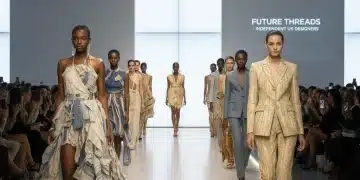
The retail landscape is in a constant state of flux, a dynamic ecosystem where innovation and adaptation are not just desirable, but essential for survival. As we look ahead to Q1 2026, the influence of high fashion runways on US retail design is more pronounced than ever. Designers, architects, and strategists are keenly observing the avant-garde concepts presented at global fashion weeks, translating these artistic expressions into tangible, engaging, and commercially viable retail environments. This article delves into four major design concepts that are poised to redefine the US retail experience in the coming year, focusing on how these retail design trends are shaping consumer interactions, brand perceptions, and ultimately, sales.
The Fusion of Digital and Physical: Hyper-Personalized Phygital Spaces
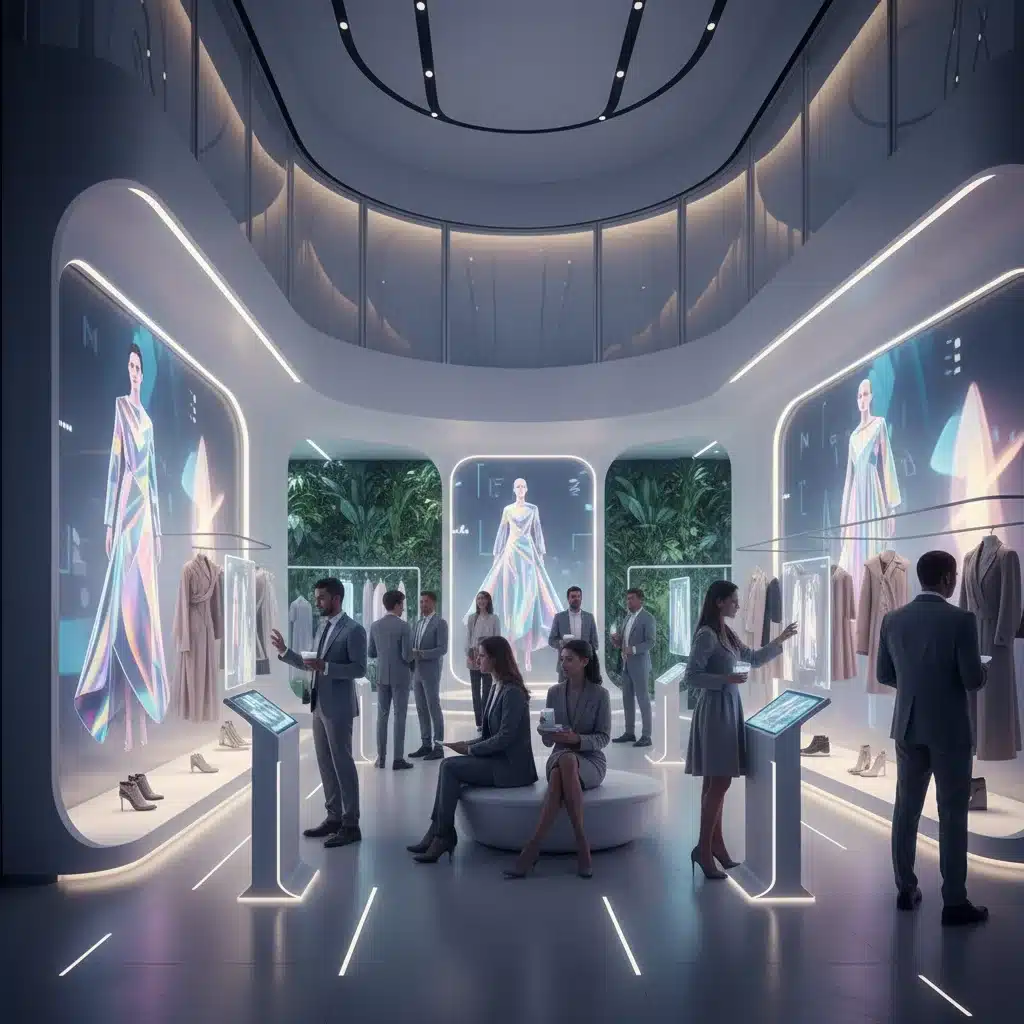
The first and perhaps most transformative trend is the evolution of phygital retail, moving beyond mere integration to hyper-personalization. This concept, born from the runway’s embrace of digital artistry and interactive experiences, is now manifesting in physical stores as spaces that seamlessly blend the digital and the tangible. In Q1 2026, US retailers are investing heavily in technologies that allow for an unprecedented level of personalized interaction within a physical store.
Imagine walking into a store where your online browsing history and preferences, gathered through consent, immediately inform the displays and recommendations presented to you. Interactive mirrors, equipped with AI, don’t just allow you to virtually try on clothes; they suggest complementary items based on your past purchases and even offer styling advice from virtual stylists. Digital screens embedded in fixtures dynamically change content to reflect your interests as you move through the store, creating a bespoke shopping journey for every individual.
This retail design trend goes beyond simple QR codes or in-store tablets. It’s about creating an intelligent environment that anticipates needs and desires. For example, a luxury fashion brand might use RFID tags on garments to trigger personalized videos on nearby screens, showcasing how a particular item was styled on the runway or offering details about its craftsmanship. Augmented reality (AR) applications will allow shoppers to visualize how furniture would look in their homes or how makeup would appear on their faces, all in real-time within the store. The objective is to bridge the gap between the convenience of online shopping and the sensory richness of physical retail, providing a truly unique and memorable experience that online channels alone cannot replicate.
From a design perspective, this means store layouts are becoming more flexible and modular, easily reconfigured to accommodate changing digital narratives. Surfaces are designed to be projection-friendly, and lighting systems are sophisticated enough to adapt to various digital displays. The aesthetic often leans towards sleek, minimalist, and technologically advanced, allowing the digital content to take center stage without visual clutter. This approach to retail design trends is not just about technology for technology’s sake; it’s about using digital tools to deepen customer engagement and provide value, fostering a stronger connection between the consumer and the brand.
Advertisements
Biophilic Design and Sustainable Aesthetics: Nature’s Embrace
The second dominant retail design trend emerging from the runways and permeating US retail in Q1 2026 is the widespread adoption of biophilic design and a strong emphasis on sustainable aesthetics. Fashion has long flirted with nature-inspired motifs, but now, this influence is extending to the very fabric of retail spaces. Consumers are increasingly conscious of environmental impact, and brands are responding by integrating natural elements and sustainable practices into their physical stores.
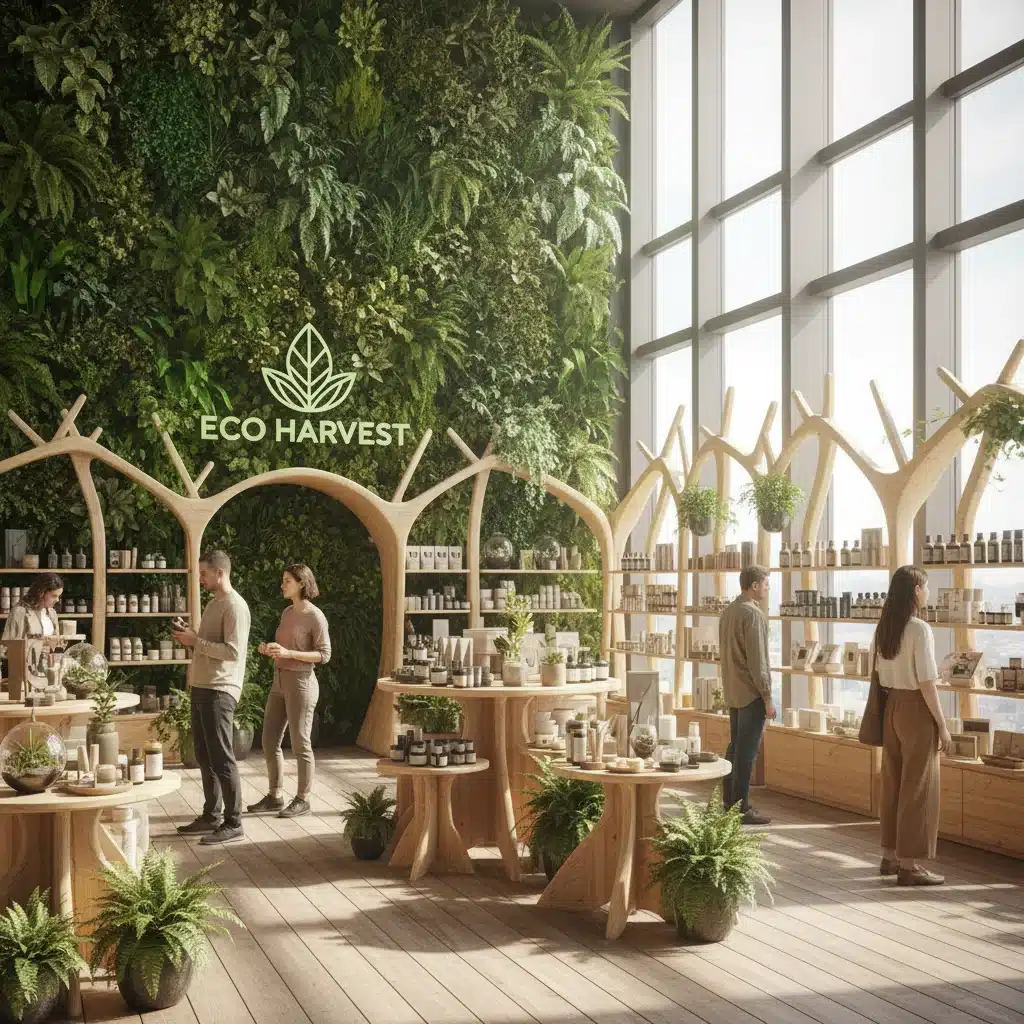
Biophilic design principles, which seek to connect occupants with nature, are being applied through living walls, indoor gardens, natural light maximization, and the use of organic materials such as reclaimed wood, bamboo, and stone. The goal is to create serene, calming, and health-promoting environments that offer a respite from the urban hustle. This translates into retail spaces that feel more like tranquil sanctuaries than traditional commercial outlets.
Beyond just aesthetics, sustainability is becoming a core pillar of store design. Retailers are opting for energy-efficient lighting, water-saving fixtures, and materials with low environmental footprints. Products are often displayed in ways that highlight their ethical sourcing and sustainable production methods. Packaging-free zones, refill stations, and recycling points are becoming common features, reinforcing a brand’s commitment to the planet.
The runway’s embrace of earthy tones, natural textures, and upcycled materials is directly informing these retail environments. We’re seeing a shift away from overly polished, artificial spaces towards those that celebrate imperfections, raw beauty, and a connection to the earth. This design philosophy resonates deeply with a demographic that values authenticity and environmental responsibility. For instance, a clothing boutique might feature walls made from recycled materials, display clothes on mannequins crafted from sustainable sources, and incorporate lush, easy-to-maintain plant life throughout the store. This holistic approach to retail design trends not only enhances the customer experience but also communicates a powerful brand message of responsibility and mindful consumption.
Experiential Retail: The Store as a Destination
The third significant retail design trend for Q1 2026 is the continued evolution of experiential retail, where the store transcends its traditional role as a mere point of sale and transforms into a multifaceted destination. Inspired by the theatricality and immersive narratives of fashion shows, retailers are crafting environments that offer more than just products; they offer experiences, entertainment, and education.
This trend is about creating a reason for customers to visit a physical store when they could easily shop online. It involves designing spaces that encourage lingering, exploration, and interaction. Examples include in-store cafes, workshops, pop-up events, art installations, and even mini-museums showcasing brand history or craftsmanship. A beauty retailer, for instance, might offer personalized skin consultations, makeup masterclasses, and a relaxation lounge, making the visit an indulgent self-care ritual rather than a quick purchase.
The design elements supporting experiential retail are diverse. They often include flexible spaces that can be easily reconfigured for events, comfortable seating areas, engaging visual merchandising that tells a story, and interactive zones that allow customers to experiment with products in a fun and low-pressure environment. The emphasis is on sensory engagement: carefully curated music, distinct brand scents, and visually stimulating displays all contribute to a memorable atmosphere.
Runway shows are inherently experiential, designed to transport the audience into a designer’s vision. Retailers are now emulating this by creating cohesive brand worlds within their stores. A sports apparel brand might incorporate a mini-gym or a running track for product testing, while a bookstore could host author readings and literary events. These experiences foster community, build brand loyalty, and provide valuable content for social media, extending the store’s reach beyond its physical walls. The success of this retail design trend lies in understanding that consumers are seeking more than just transactions; they are seeking connection, inspiration, and enrichment.
Modular and Flexible Spaces: Adaptability as the New Luxury
Finally, the fourth major retail design trend for Q1 2026, heavily influenced by the adaptable and often ephemeral nature of runway sets, is the widespread adoption of modular and flexible retail spaces. In an era of rapidly changing consumer preferences, seasonal collections, and the need for dynamic brand storytelling, static store layouts are becoming a relic of the past. Adaptability is the new luxury.
Retailers are designing stores with movable walls, reconfigurable fixtures, and modular display units that can be easily rearranged to create different zones, accommodate new product launches, or host temporary brand activations. This flexibility allows stores to remain fresh and exciting, offering a novel experience with each visit. It also enables brands to respond quickly to new retail design trends or market demands without undertaking costly and time-consuming renovations.
The aesthetic associated with modularity often embraces clean lines, industrial elements, and a minimalist approach that allows the products and temporary installations to shine. Materials like lightweight metals, transparent acrylics, and easily assembled wooden components are favored. Lighting systems are also designed to be flexible, with track lighting and smart controls that can be adjusted to highlight different areas as the layout changes.
Think of fashion pop-ups, which are inherently modular and temporary. This concept is now being integrated into permanent retail locations. A large department store, for example, might have dedicated ‘flex zones’ that rotate different brand takeovers every few months, creating a continuous sense of discovery for shoppers. Smaller boutiques might use movable partitions to transform their space from a daytime shopping area into an evening event venue. This trend acknowledges that consumer attention spans are short and that novelty is a powerful draw. By offering a constantly evolving environment, retailers can keep customers engaged and provide fresh reasons to visit. This strategic use of flexible spaces is a testament to the agility required in modern retail, ensuring that stores can always align with the latest retail design trends and consumer expectations.
The Intersection of Trends: A Holistic Approach
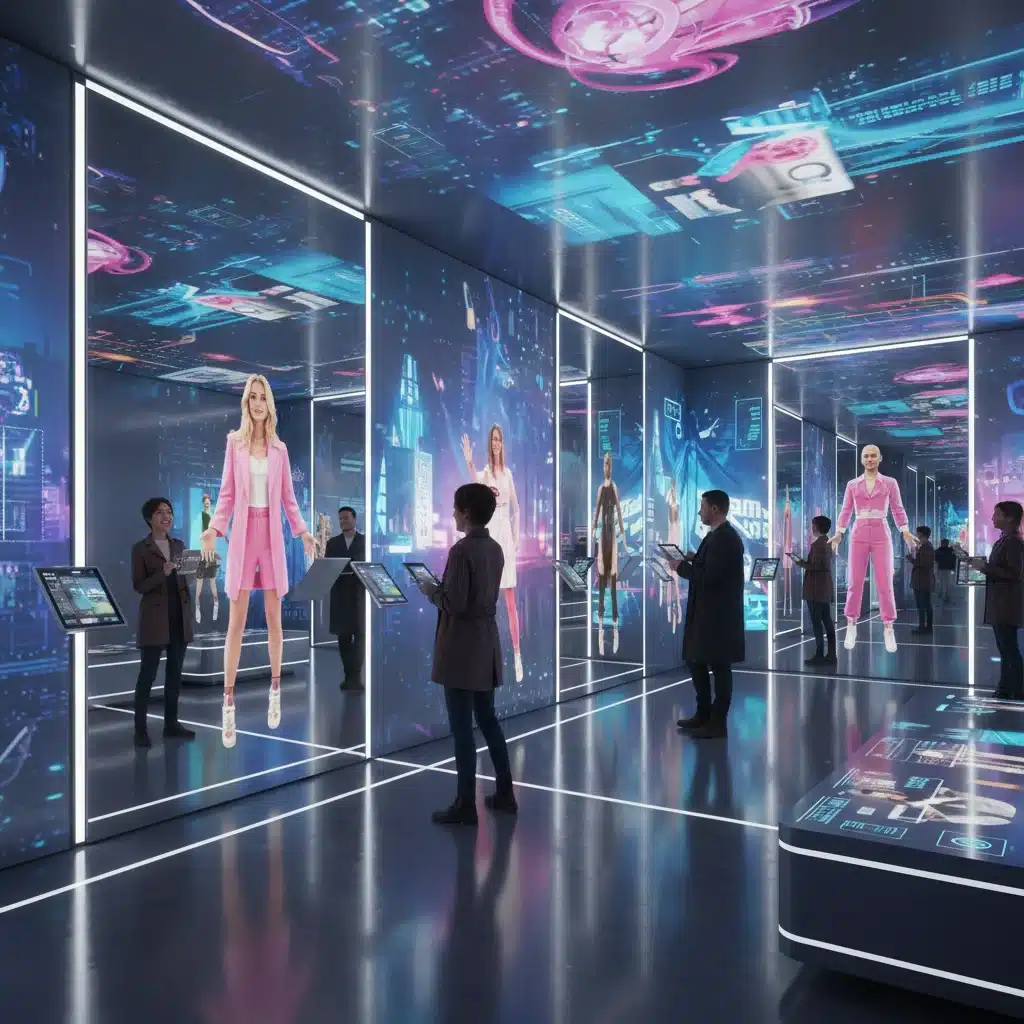
While these four retail design trends are distinct, their true power lies in their potential for intersection. Imagine a biophilic-inspired store that utilizes modular displays to host hyper-personalized phygital experiences, all within an overarching experiential framework. This holistic approach to design will be the hallmark of successful US retail in Q1 2026.
For instance, a sustainable fashion brand might create a store with living walls and reclaimed wood fixtures (biophilic/sustainable). Within this space, augmented reality mirrors allow customers to virtually try on ethically sourced garments, receive personalized styling tips based on their digital profiles, and learn about the supply chain through interactive displays (phygital/hyper-personalized). The store layout could be modular, reconfigurable to host workshops on upcycling or local artisan pop-ups (experiential/modular). This synergy amplifies the impact of each individual trend, creating a retail environment that is not only beautiful and functional but also deeply resonant with contemporary consumer values.
Retailers are increasingly realizing that a fragmented approach to store design is no longer sufficient. Consumers expect a cohesive brand narrative that extends from online platforms to physical spaces, and these design concepts provide the tools to craft such narratives. The challenge, and the opportunity, lies in integrating these trends thoughtfully, ensuring that each element contributes to a seamless and compelling customer journey. The goal is to move beyond mere transactions and build lasting relationships with consumers, fostering loyalty through exceptional design and innovative experiences.
Implementing These Trends: Practical Considerations
For retailers looking to adopt these retail design trends, several practical considerations come into play. Firstly, investment in technology infrastructure is crucial for hyper-personalized phygital spaces. This includes robust Wi-Fi, advanced display technologies, and data analytics capabilities to understand customer behavior and preferences. Secondly, sourcing sustainable and biophilic materials requires a re-evaluation of supply chains and partnerships with eco-conscious suppliers. This commitment extends beyond initial construction to ongoing maintenance and operational practices.
Thirdly, designing for experiential retail demands creativity and an understanding of the target audience’s desires. What kind of experiences would truly resonate with them? This might involve collaborating with local artists, chefs, or wellness practitioners to create unique in-store events. Finally, implementing modular and flexible spaces requires careful planning of infrastructure, including lighting, power outlets, and display systems that can be easily reconfigured without significant downtime or cost. The initial investment in flexible fixtures might be higher, but the long-term savings in adaptation and renovation can be substantial.
Training staff is also paramount across all these trends. Employees need to be equipped to interact with new technologies, articulate the brand’s sustainability story, facilitate experiential activities, and efficiently manage flexible store layouts. The human element remains critical in delivering these elevated retail experiences, ensuring that technology and design enhance, rather than replace, genuine human connection.
The Future of Retail Design: Beyond Q1 2026
As we gaze beyond Q1 2026, these retail design trends are not mere fads but foundational shifts in how physical retail operates. The emphasis on personalization, sustainability, experience, and adaptability will only intensify. Future retail spaces may incorporate even more advanced AI to predict individual shopper needs, utilize fully circular material flows, offer hyper-localized experiences tailored to specific community interests, and feature dynamic architectures that can transform in real-time based on foot traffic or external events.
The runway will continue to serve as a powerful incubator for these ideas, pushing the boundaries of aesthetics and functionality. Retailers who stay attuned to these influences and are willing to innovate will be the ones that thrive. The physical store is far from dead; it is simply evolving, becoming a more intelligent, sustainable, engaging, and flexible entity. It is transforming into a vibrant hub where brands can truly connect with their customers on a deeper, more meaningful level.
Conclusion
The confluence of high fashion and retail design is creating an exciting future for US retail. In Q1 2026, the four major retail design trends – hyper-personalized phygital spaces, biophilic and sustainable aesthetics, immersive experiential retail, and modular flexibility – will reshape how consumers interact with brands and products. These concepts, inspired by the creativity and innovation of the runway, are not just about making stores look good; they are about crafting environments that are intelligent, responsible, engaging, and adaptable. Retailers who embrace these transformations will not only capture consumer attention but also build enduring loyalty in an increasingly competitive marketplace. The journey from runway to reality is a testament to the enduring power of design to inspire, innovate, and ultimately, redefine the commercial landscape.