From Zero Waste to High Style: 5 Circular Fashion Discoveries Gaining Traction in 2026
The fashion industry, long synonymous with fleeting trends and environmental impact, is undergoing a profound transformation. As we approach 2026, the concept of circularity is no longer a niche idea but a mainstream imperative. Consumers are increasingly demanding transparency, ethical production, and genuine sustainability, pushing brands to innovate at an unprecedented pace. This shift is giving rise to exciting new circular fashion discoveries that promise to redefine our relationship with clothing, moving from a linear ‘take-make-dispose’ model to a regenerative ‘reduce-reuse-recycle’ paradigm. The future of fashion is not just about looking good; it’s about doing good.
In this comprehensive exploration, we will delve into five groundbreaking circular fashion discoveries that are set to dominate the industry by 2026. These innovations are not just theoretical; they are tangible, scalable solutions that are already gaining significant traction. From revolutionary materials grown in labs to sophisticated systems for garment longevity, these discoveries represent the vanguard of sustainable style. Prepare to be inspired by the ingenuity and commitment driving this eco-conscious revolution, proving that high style and zero waste can, and will, coexist.
1. Mycelium-Based Textiles: Growing Your Wardrobe from Fungi
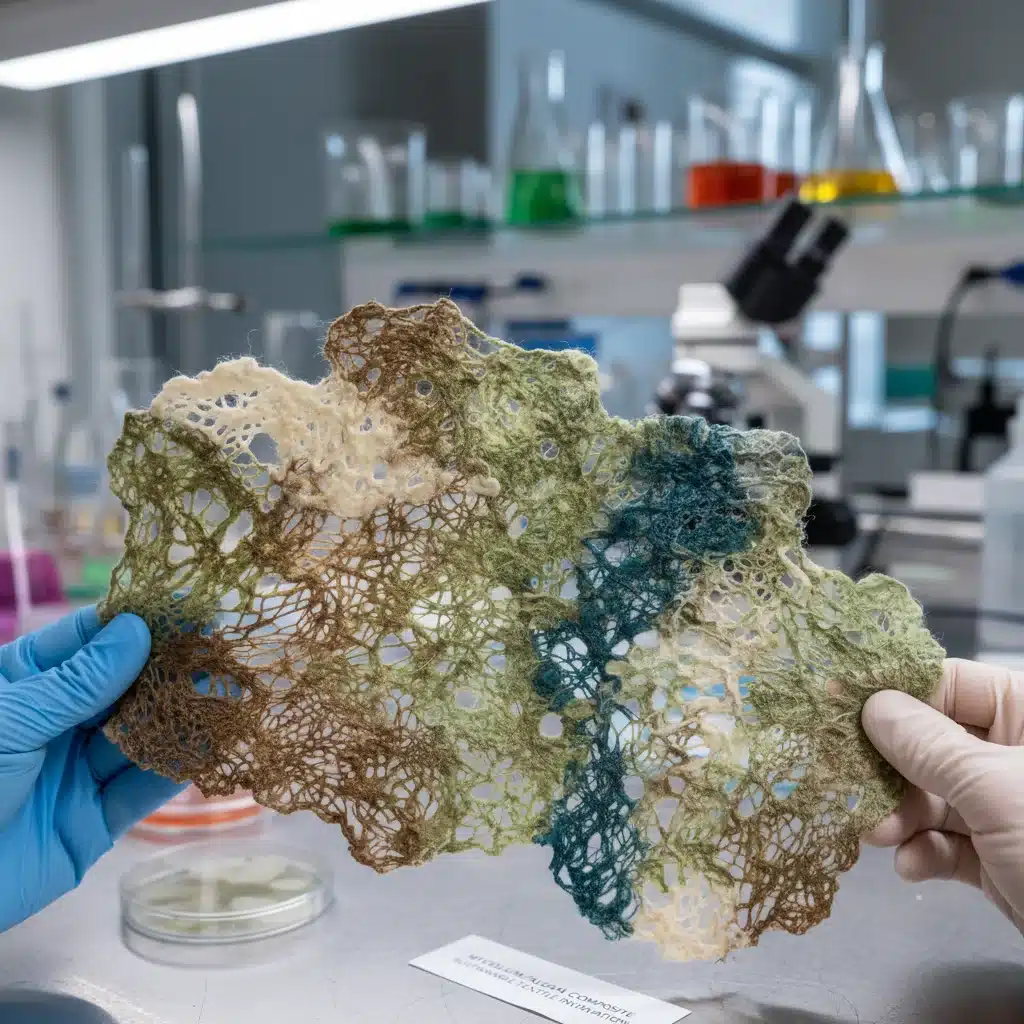
Imagine a world where your clothes are grown, not manufactured. This might sound like science fiction, but thanks to the rapid advancements in biotechnology, mycelium-based textiles are quickly becoming a reality. Mycelium, the root structure of fungi, possesses an incredible ability to grow into complex, durable structures. Researchers and innovators have harnessed this natural process to cultivate materials that mimic the properties of leather, silk, and even cotton, offering a truly biodegradable and renewable alternative to traditional fabrics.
Advertisements
The journey of mycelium from forest floor to high fashion began with a deep understanding of its biological properties. Scientists discovered that by controlling environmental factors like temperature, humidity, and nutrient supply, mycelium could be coaxed into forming dense, interconnected networks. These networks, once harvested and processed, yield a material with remarkable strength, flexibility, and breathability. Unlike animal leather, which requires extensive land, water, and chemical processing, mycelium leather can be grown in a matter of weeks, using minimal resources and producing virtually no waste. This makes it one of the most promising circular fashion discoveries on the horizon.
By 2026, we anticipate seeing a significant increase in brands incorporating mycelium-based products into their collections. Companies like MycoWorks and Bolt Threads are leading the charge, developing materials such as Reishi™ and Mylo™, which have already been featured in collaborations with luxury fashion houses. These early adoptions are crucial for demonstrating the aesthetic and functional viability of mycelium, paving the way for broader market acceptance. The appeal extends beyond sustainability; designers are drawn to the unique textures and natural variations that mycelium offers, opening up new creative possibilities.
The impact of mycelium-based textiles on the circular economy is profound. At the end of its life cycle, a mycelium garment can be composted, returning its organic components to the earth, thus completing the biological loop. This stands in stark contrast to synthetic materials that persist in landfills for centuries or conventional cotton that demands vast amounts of water and pesticides. As consumers become more aware of the environmental footprint of their clothing choices, the demand for truly biodegradable options will only grow, positioning mycelium as a key player in the future of sustainable fashion. This is not just a material; it’s a paradigm shift in how we conceive of clothing production and disposal.
2. Advanced Garment-to-Garment Recycling Technologies
While recycling has been a buzzword for decades, true garment-to-garment recycling – transforming old clothes into new fibers without significant quality degradation – has remained a significant challenge. However, by 2026, advanced technologies are set to overcome these hurdles, making closed-loop textile recycling a scalable reality. These breakthroughs are among the most critical circular fashion discoveries for tackling the colossal problem of textile waste.
Historically, textile recycling has been hampered by several factors: the complex blend of fibers in modern garments (e.g., cotton-polyester blends), the presence of dyes and finishes, and the mechanical degradation of fibers during traditional recycling processes. This often resulted in ‘downcycling,’ where textiles were repurposed into lower-value products like insulation or rags, rather than new apparel. The new wave of technologies, however, focuses on chemical recycling and innovative mechanical processes that can effectively separate and regenerate fibers at a high quality.
Chemical Recycling: Breaking Down to Build Up
Chemical recycling methods, such as those employed by companies like Renewcell (with their Circulose® material) and Infinited Fiber Company (with Infinited Fiber™), involve dissolving cellulose-based textiles (like cotton and viscose) and then regenerating them into new, high-quality textile fibers. This process effectively removes impurities, dyes, and other materials, yielding a pristine fiber that can be spun into new yarn. The beauty of chemical recycling lies in its ability to handle blended fabrics, separating the different components for individual reuse or recycling. This means that a worn-out cotton-polyester t-shirt can contribute its cotton component to new cellulosic fibers, significantly reducing the demand for virgin resources.
The environmental benefits are immense. By turning textile waste into valuable raw material, these technologies reduce landfill burden, decrease reliance on virgin resources (which often have high environmental footprints), and lower the energy and water consumption associated with producing new fibers from scratch. Brands are increasingly investing in these closed-loop systems, not just for their sustainability credentials but also for the potential to create a more resilient supply chain, less dependent on fluctuating raw material markets. This commitment to advanced recycling is a cornerstone of the future’s circular fashion discoveries.
Enhanced Mechanical Recycling and Fiber Sorting
Alongside chemical recycling, advancements in mechanical recycling are also playing a crucial role. New sorting technologies, often employing artificial intelligence and spectroscopy, can rapidly and accurately identify fiber compositions, even in mixed textile waste streams. This precision sorting is vital for feeding clean, homogenous material into both mechanical and chemical recycling processes, maximizing efficiency and output quality. Furthermore, improved mechanical processes are being developed to minimize fiber damage, allowing for more cycles of reuse without significant loss of integrity.
These combined efforts are propelling us towards a truly circular textile economy, where discarded garments are seen not as waste, but as a valuable resource. By 2026, it is expected that a significant portion of new clothing will incorporate recycled fibers from post-consumer waste, a testament to the power of these advanced recycling circular fashion discoveries.
3. Hyper-Personalization and On-Demand Manufacturing
The traditional fashion model relies on mass production, often leading to overproduction and subsequent waste when trends shift or demand is misjudged. Hyper-personalization and on-demand manufacturing represent a radical departure from this model, positioning themselves as transformative circular fashion discoveries that align production precisely with consumer needs, thereby minimizing waste.
In an era of digital connectivity, consumers crave individuality. Hyper-personalization leverages this desire by allowing customers to customize garments to their exact specifications – from fit and fabric choice to color and design elements. This isn’t just about adding a monogram; it’s about co-creating a product that perfectly meets their needs and aesthetic preferences. When a garment is custom-made, it’s more likely to be cherished, worn for longer, and less likely to be discarded prematurely.
The key enabler for hyper-personalization is on-demand manufacturing. Instead of producing large batches of clothing in anticipation of sales, items are only manufactured once an order is placed. This model virtually eliminates inventory waste, a major contributor to the fashion industry’s environmental footprint. Technologies like 3D printing for accessories, robotic cutting, and advanced digital printing allow for efficient, small-batch, and even single-item production without sacrificing quality or increasing costs prohibitively.
By 2026, expect to see more brands adopting these models, driven by both consumer demand and the economic benefits of reduced waste and streamlined supply chains. Startups are emerging with innovative platforms that connect designers directly with consumers, facilitating bespoke orders. Established brands are investing in micro-factories closer to their consumer bases, enabling faster turnaround times and reduced shipping emissions. This shift from ‘make-then-sell’ to ‘sell-then-make’ is a fundamental change, fostering a more resource-efficient and responsive fashion ecosystem. Hyper-personalization and on-demand manufacturing are not just about meeting individual desires; they are powerful tools for achieving circularity by design, ensuring that every piece of clothing created has a purpose and a wearer.
4. Digital Product Passports and Blockchain for Transparency
Transparency is a cornerstone of circularity. For consumers to make informed choices and for brands to manage their products effectively throughout their lifecycle, detailed information about a garment’s origin, materials, and care instructions is essential. Digital product passports (DPPs) and blockchain technology are emerging as critical circular fashion discoveries that provide this unprecedented level of transparency and traceability.
A digital product passport is essentially a unique digital identity for a physical product. Embedded via QR codes, NFC tags, or RFID chips, it can store a wealth of information: the garment’s material composition, where and how it was manufactured, its environmental impact (e.g., water usage, carbon footprint), repair instructions, recycling guidelines, and even ownership history. This information is accessible to consumers, retailers, and recyclers throughout the garment’s lifespan, empowering all stakeholders to participate in the circular economy.
Blockchain technology plays a pivotal role in securing and verifying the data within these digital passports. Its decentralized and immutable nature ensures that information about a garment’s journey – from raw material to retail and beyond – is trustworthy and cannot be tampered with. This builds consumer confidence and provides an auditable trail for brands to demonstrate their sustainability claims. For example, a customer could scan a QR code on a jacket and instantly see where its organic cotton was sourced, the factory where it was sewn, and even receive personalized repair tutorials.
By 2026, regulatory pushes, particularly in regions like the European Union, are expected to mandate digital product passports for certain product categories, including textiles. This will accelerate their adoption across the industry. The benefits extend beyond consumer trust; DPPs facilitate efficient sorting for recycling, enable robust resale and repair markets by providing clear product information, and help brands track their products for take-back schemes. These advancements in digital transparency are not just about compliance; they are about creating an intelligent, interconnected system that supports every stage of a garment’s circular journey, making them indispensable circular fashion discoveries.
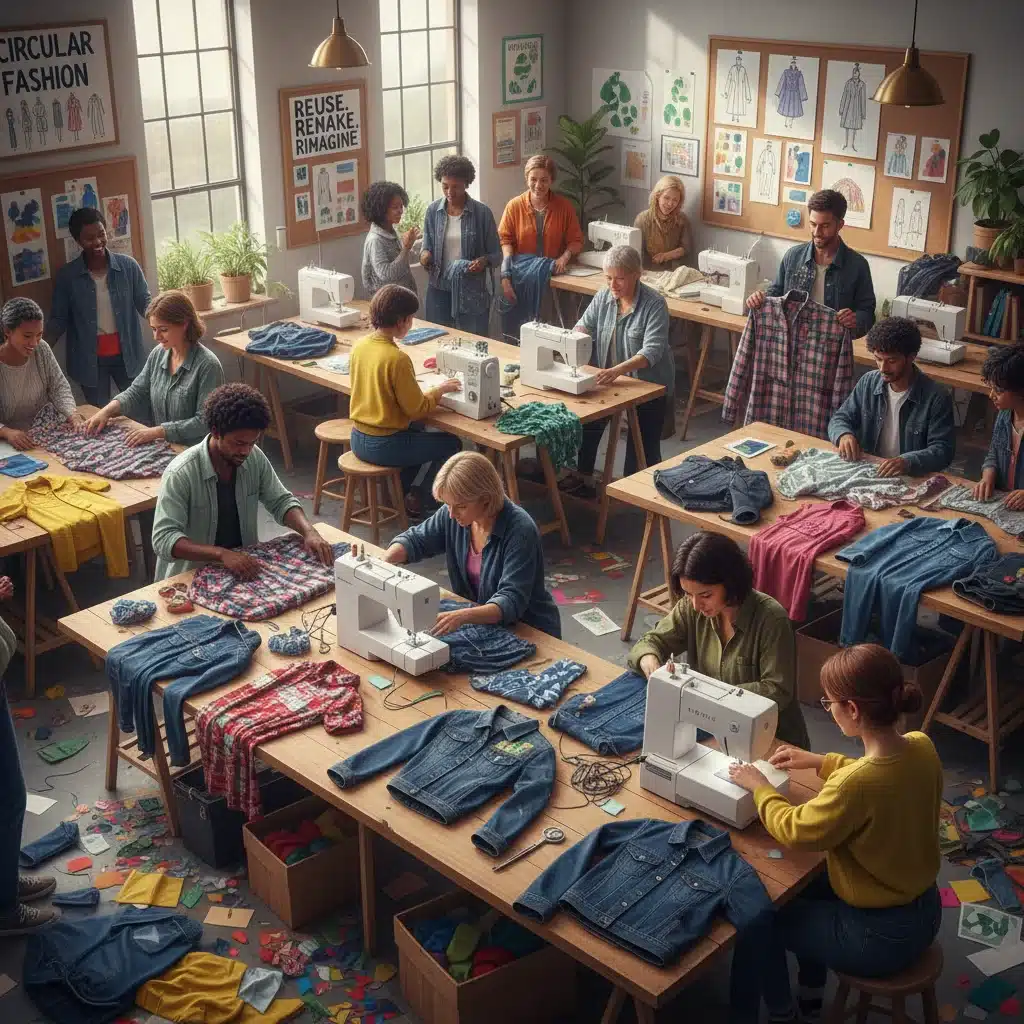
5. The Rise of Regenerative Agriculture for Textile Fibers
While many sustainable fashion efforts focus on what happens after a product is made, a significant and increasingly recognized area of impact lies at the very beginning of the supply chain: raw material cultivation. Regenerative agriculture is a holistic approach to farming that not only minimizes environmental harm but actively restores and revitalizes ecosystems. Its application to textile fibers is one of the most impactful circular fashion discoveries for truly sustainable fashion.
Conventional agriculture, particularly for crops like cotton, can be resource-intensive, relying on monoculture, synthetic pesticides, and fertilizers that deplete soil health, contaminate water, and contribute to biodiversity loss. Regenerative agriculture, in contrast, employs practices such as cover cropping, crop rotation, reduced tillage, and integrated pest management. These methods enhance soil biodiversity, improve water retention, sequester carbon from the atmosphere, and eliminate the need for harmful chemicals. The result is healthier land, more resilient ecosystems, and fibers grown with a net positive environmental impact.
Cotton grown using regenerative practices, for instance, not only has a lower environmental footprint than conventional or even organic cotton but can also actively contribute to climate change mitigation by drawing carbon into the soil. Beyond cotton, regenerative principles are being applied to other natural fibers like wool (through rotational grazing practices) and linen. The focus is on working with nature, rather than against it, to produce raw materials that are truly sustainable from the ground up.
By 2026, more brands are expected to partner directly with farms practicing regenerative agriculture, not just to source materials but to invest in and support the transition to these beneficial farming methods. This direct engagement ensures traceability and provides a verifiable claim of environmental impact. Consumers, increasingly aware of the ‘farm-to-fashion’ journey, will seek out garments made from regeneratively grown fibers, understanding that their choices can contribute to healing the planet. The shift towards regenerative agriculture for textile fibers represents a fundamental re-evaluation of how we source our clothing, embedding circularity and ecological restoration right at the foundation of the fashion industry. It is arguably one of the most foundational of all circular fashion discoveries, promising to heal the planet while dressing us beautifully.
The Interconnected Future of Circular Fashion
These five circular fashion discoveries are not isolated innovations; they are interconnected pieces of a larger puzzle, collectively building a more sustainable and resilient fashion ecosystem. Mycelium-based textiles offer biodegradable alternatives, reducing reliance on finite resources. Advanced garment-to-garment recycling technologies close the loop on textile waste. Hyper-personalization and on-demand manufacturing minimize overproduction and foster consumer longevity. Digital product passports and blockchain provide the transparency and traceability essential for circular practices. And regenerative agriculture ensures that the very raw materials we use contribute positively to the planet.
The convergence of these innovations signals a promising future for fashion. It’s a future where consumers are empowered with information, where brands are held accountable for their entire supply chain, and where creativity flourishes within the bounds of ecological responsibility. The linear model of fashion is rapidly becoming obsolete, replaced by a dynamic, regenerative system that values resources, respects ecosystems, and champions ethical production.
For individuals, embracing these circular practices means making more conscious purchasing decisions, supporting brands that invest in these discoveries, and actively participating in the extended life cycle of their garments through repair, resale, and recycling. It means seeing clothing not as disposable items, but as valuable resources with multiple lives.
The journey to a fully circular fashion industry is ongoing, but with these groundbreaking circular fashion discoveries gaining traction, 2026 is poised to be a pivotal year. The industry is proving that style, innovation, and sustainability can not only coexist but can thrive together, leading us towards a truly zero-waste, high-style future. Get ready to dress for a better world.
Embracing the Circular Wardrobe: Practical Steps
Beyond understanding these innovations, what can you, as a fashion-conscious consumer, do to embrace the circular wardrobe? The first step is awareness. Knowing about these circular fashion discoveries allows you to identify brands that are truly committed to sustainability. Look for certifications, read product descriptions carefully, and don’t be afraid to ask questions about a brand’s supply chain and end-of-life solutions for their products.
Secondly, prioritize quality over quantity. Investing in well-made garments designed for longevity reduces the need for frequent replacements. Consider the materials: are they natural, organic, recycled, or innovative new materials like mycelium? Are they easy to care for and repair?
Thirdly, explore the burgeoning resale and rental markets. Platforms for buying and selling pre-owned luxury and everyday wear are booming, offering stylish options while extending the life of garments. Fashion rental services provide access to a diverse wardrobe for special occasions or to experiment with trends without the commitment of ownership, directly supporting the reuse pillar of circularity.
Finally, engage in active care and repair. Learning basic mending skills or utilizing local repair services can significantly extend the life of your clothes. When a garment truly reaches the end of its wearable life, seek out textile recycling programs that can process it effectively, feeding into those advanced garment-to-garment recycling technologies we discussed. By consciously participating in each stage of the garment lifecycle, you become an active agent in the circular fashion movement, helping to drive the adoption and success of these vital circular fashion discoveries.
The future of fashion is collaborative, innovative, and deeply intertwined with environmental stewardship. These five discoveries are just the beginning, but they offer a clear vision of a world where fashion is a force for good, stylishly leading the way towards a more sustainable planet.