Decoding Food Labels 2026: Your Guide to Healthier Choices
In an era where health consciousness is at an all-time high and dietary information is constantly evolving, the ability to effectively navigate and understand food labels has become more crucial than ever. Welcome to 2026, where the landscape of food labeling continues to shift, bringing with it new regulations, advanced technologies, and an even greater need for consumer literacy. This comprehensive guide is designed to empower you with the knowledge and tools to confidently make healthier food choices by mastering the art of decoding food labels.
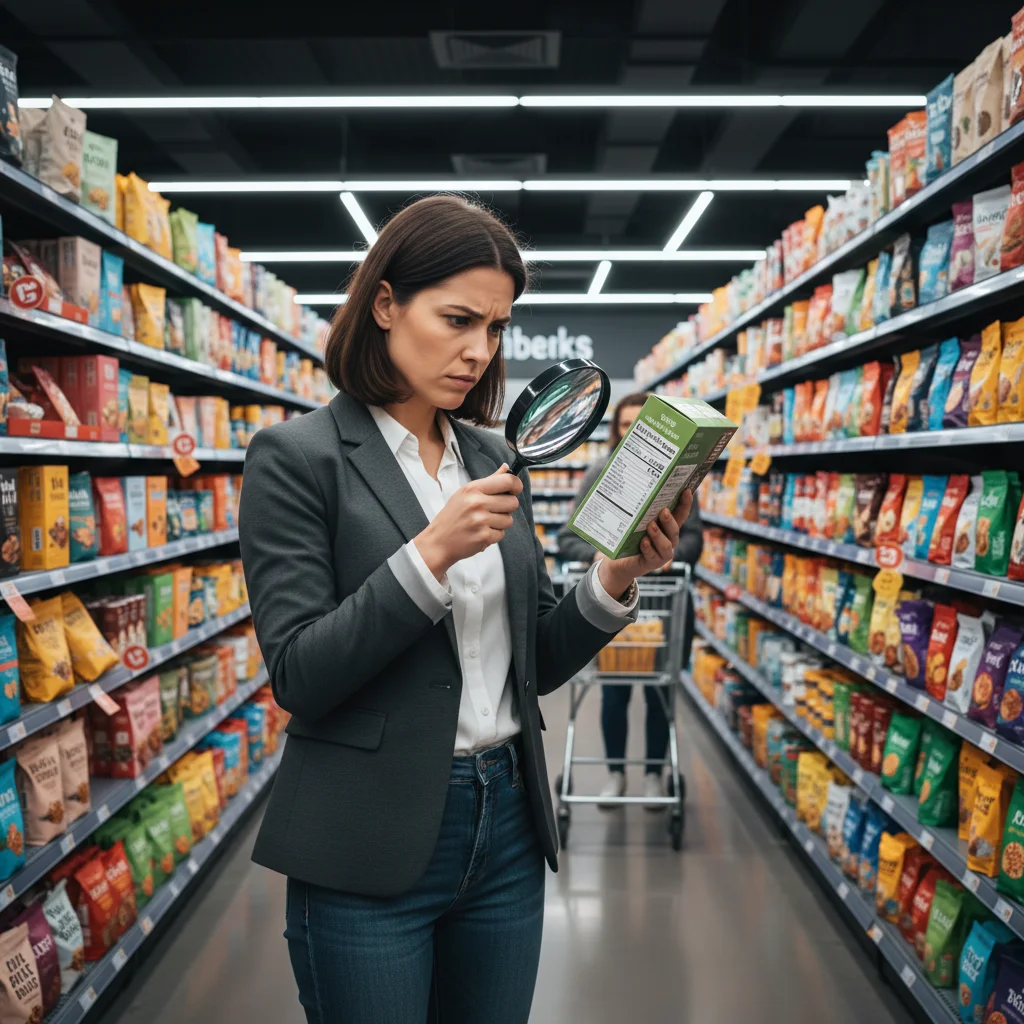
The supermarket aisle can often feel like a labyrinth of information, with countless products vying for your attention, each adorned with a plethora of claims and figures. From ‘low-fat’ and ‘sugar-free’ to ‘organic’ and ‘keto-friendly,’ the sheer volume of jargon can be overwhelming. Our mission today is to demystify these labels, helping you look beyond the marketing hype and truly understand what you’re putting into your body. This isn’t just about reading numbers; it’s about making informed decisions that align with your health goals and lifestyle.
As we delve into the intricacies of decoding food labels in 2026, we’ll cover everything from the updated Nutrition Facts panel and ingredient lists to understanding allergen warnings, sustainability claims, and the emerging role of digital labeling. Whether you’re managing a specific dietary condition, trying to lose weight, or simply aiming for a more nutritious diet, this guide will be your indispensable companion.
The Evolving Landscape of Food Labels in 2026
Food labeling standards are not static; they evolve with scientific understanding, consumer demand, and technological advancements. In 2026, several key changes and trends have solidified, making it both easier and more complex to interpret labels. Understanding these shifts is the first step in effective decoding food labels.
Updated Nutrition Facts Panel: What’s New?
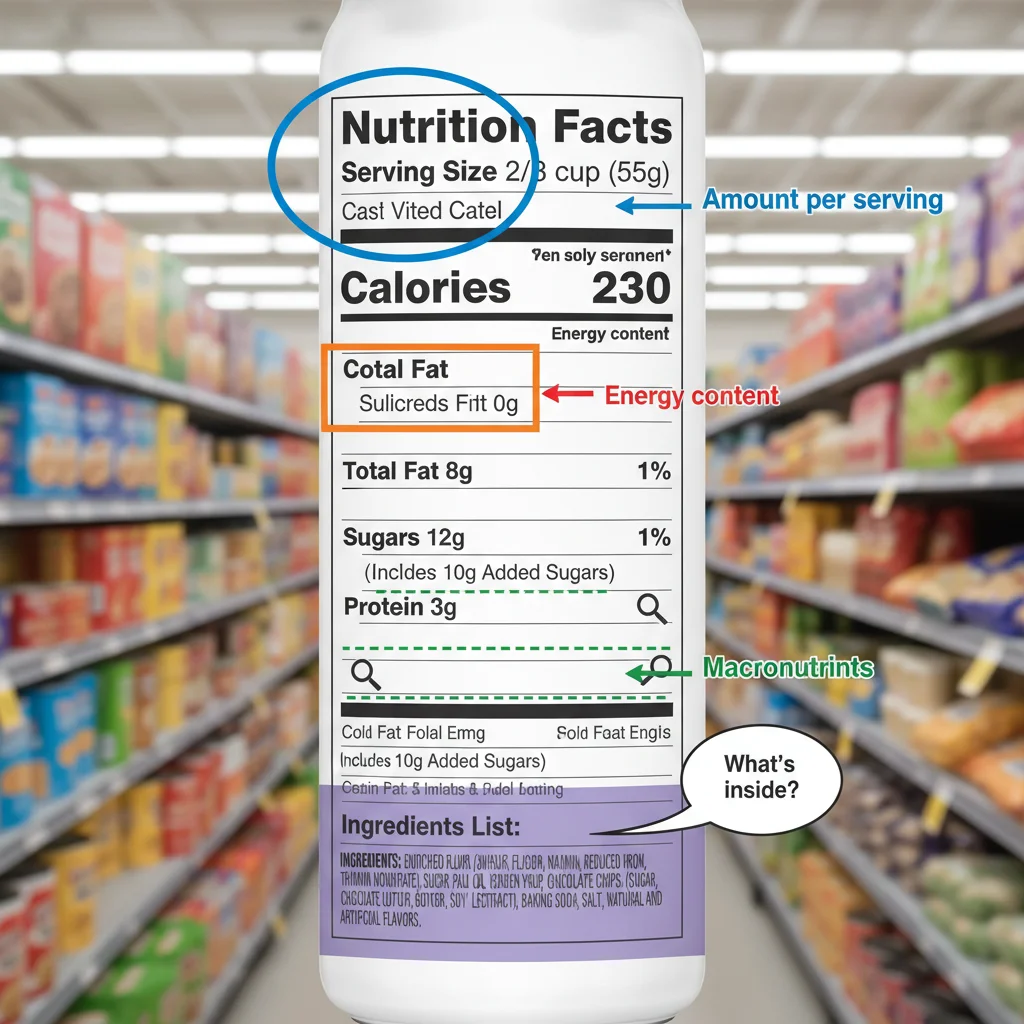
The Nutrition Facts panel, the cornerstone of food labeling, has undergone significant revisions over the past few years, with 2026 seeing the full implementation and widespread adoption of these updates. Key changes to look for include:
- Bolded Calorie and Serving Size: Calories and serving sizes are now more prominent, making it easier to see how much you’re consuming. Pay close attention to the serving size, as many packages contain multiple servings.
- Realistic Serving Sizes: Serving sizes have been updated to reflect what people actually eat, not what they ‘should’ eat. For instance, a pint of ice cream might now be listed as a single serving, reflecting common consumption patterns.
- Added Sugars: This is perhaps one of the most impactful additions. The ‘Added Sugars’ line, expressed in grams and as a percentage of Daily Value (%DV), helps you differentiate between naturally occurring sugars (like those in fruit) and sugars added during processing. This is crucial for anyone trying to reduce sugar intake.
- Changes in Nutrients Declared: Vitamin D and Potassium are now mandatory on the label because many people do not get enough of them. Vitamins A and C are no longer required but may be included voluntarily. Iron and Calcium remain mandatory.
- Dual Column Labels: For certain packages that are between one and two servings, or could reasonably be consumed in one sitting, a dual column label shows both ‘per serving’ and ‘per package’ nutrition information, simplifying calculations.
These updates are designed to make it easier for consumers to make informed choices. When you’re decoding food labels, always start with the Nutrition Facts panel to get a clear overview of the product’s nutritional profile.
The All-Important Ingredients List: Beyond the First Three
While the Nutrition Facts panel tells you ‘how much,’ the ingredients list tells you ‘what.’ This section is arguably the most critical for anyone truly committed to decoding food labels. Ingredients are listed in descending order by weight, meaning the first few ingredients make up the largest proportion of the product.
What to Look For:
- Whole Foods First: Prioritize products where whole, recognizable foods (e.g., ‘chicken breast,’ ‘whole grain oats,’ ‘broccoli’) appear at the top of the list.
- Hidden Sugars: Manufacturers are masters at disguising sugar. Look for terms like corn syrup, high-fructose corn syrup, dextrose, fructose, glucose, sucrose, maltose, molasses, agave nectar, rice syrup, and fruit juice concentrate. If several of these appear, even lower down the list, the product likely has a high sugar content.
- Fats: Distinguish between healthy fats (e.g., olive oil, avocado oil, nuts, seeds) and unhealthy fats (e.g., partially hydrogenated oils, trans fats). While trans fats are largely banned, some can still sneak in. Saturated fat intake should also be monitored.
- Sodium: High sodium intake is linked to high blood pressure. Keep an eye on sodium levels, especially in processed foods.
- Additives and Preservatives: While not all additives are harmful, minimizing highly processed ingredients and artificial colors, flavors, and preservatives is generally a good practice. Common ones include BHA, BHT, artificial colors (e.g., Red 40, Yellow 5), and artificial sweeteners (e.g., sucralose, aspartame).
A short, simple ingredients list with recognizable items is often a good indicator of a less processed product. Conversely, a very long list filled with unpronounceable chemicals often signals a highly processed food.
Mastering the Art of Ingredient Identification
Beyond just reading the list, true mastery of decoding food labels involves understanding what certain ingredients signify for your health. Let’s break down some common categories.
Understanding Sugars and Sweeteners
The ‘Added Sugars’ line on the Nutrition Facts panel is a game-changer, but the ingredients list provides the granular detail. As mentioned, be vigilant for all forms of added sugar. Even ‘natural’ sweeteners like honey or maple syrup, while potentially offering some micronutrients, are still forms of added sugar and should be consumed in moderation.
Artificial sweeteners (e.g., sucralose, aspartame, saccharin) and sugar alcohols (e.g., erythritol, xylitol, sorbitol) are also common. While they provide sweetness with fewer calories, their long-term health effects are still a subject of ongoing research, and some individuals experience digestive discomfort. For a truly healthy choice, aim for products with minimal added sugars or natural sweetness from whole fruits.
Navigating Fats: Good, Bad, and Misunderstood
Fats are essential for health, but the type of fat matters immensely. When decoding food labels, differentiate between:
- Saturated Fats: Found primarily in animal products (meat, dairy) and some plant oils (coconut, palm). Consume in moderation.
- Unsaturated Fats: Monounsaturated (e.g., olive oil, avocados, nuts) and polyunsaturated (e.g., flaxseed, walnuts, fatty fish) fats are generally considered healthy and can help improve cholesterol levels.
- Trans Fats: Largely eliminated from food products, but still check for ‘partially hydrogenated oil’ in the ingredients list, which indicates their presence. These are the unhealthiest type of fat.
Focus on products rich in unsaturated fats and low in saturated and trans fats.
Whole Grains vs. Refined Grains
When selecting grain products, the term ‘whole grain’ is key. Look for ‘whole wheat flour,’ ‘whole oats,’ or ‘brown rice’ as the first ingredient. Terms like ‘enriched flour,’ ‘wheat flour,’ or ‘multigrain’ (without specifying ‘whole’) often indicate refined grains, which have had their bran and germ removed, stripping them of fiber, vitamins, and minerals. True whole grains provide sustained energy and essential nutrients.
Beyond the Basics: Advanced Label Decoding
With the foundational knowledge of the Nutrition Facts panel and ingredients list, let’s explore more advanced aspects of decoding food labels that are becoming increasingly relevant in 2026.
Understanding Allergen Information
For individuals with allergies, this section is non-negotiable. By 2026, allergen labeling is highly regulated in many regions. Look for clear statements like ‘Contains: Wheat, Milk, Soy’ usually located immediately after or below the ingredients list. Also, be aware of ‘May contain’ or ‘Produced in a facility that also processes’ warnings, which indicate potential cross-contamination. Always err on the side of caution when allergies are involved.
Deciphering Health Claims and Marketing Buzzwords
Food packaging is a marketing tool, and many claims are designed to sound healthier than they are. When decoding food labels, approach these terms with skepticism:
- ‘Natural’: This term is often unregulated and can mean very little. A product can be ‘natural’ but still be high in sugar or fat.
- ‘Organic’: This term does have strict regulations, indicating the product was produced without synthetic pesticides, GMOs, or artificial fertilizers. However, ‘organic’ doesn’t automatically mean ‘healthy’ – organic cookies are still cookies.
- ‘Gluten-Free’: Important for those with celiac disease or gluten sensitivity, but ‘gluten-free’ products can sometimes be higher in sugar, fat, or calories to compensate for texture and flavor.
- ‘Low-Fat’ / ‘Fat-Free’: Often, fat is replaced with sugar or artificial ingredients to maintain palatability. Always check the sugar content.
- ‘Sugar-Free’: Typically means artificial sweeteners are used. Again, check the ingredients list.
- ‘Immunity Boosting,’ ‘Gut-Friendly’: These claims are often vague. Look for specific ingredients that support these claims, like probiotics for gut health, and always consider the overall nutritional profile.
Focus on the facts on the Nutrition Facts panel and the ingredients list, rather than relying solely on front-of-package claims.
The Rise of Digital and QR Code Labeling
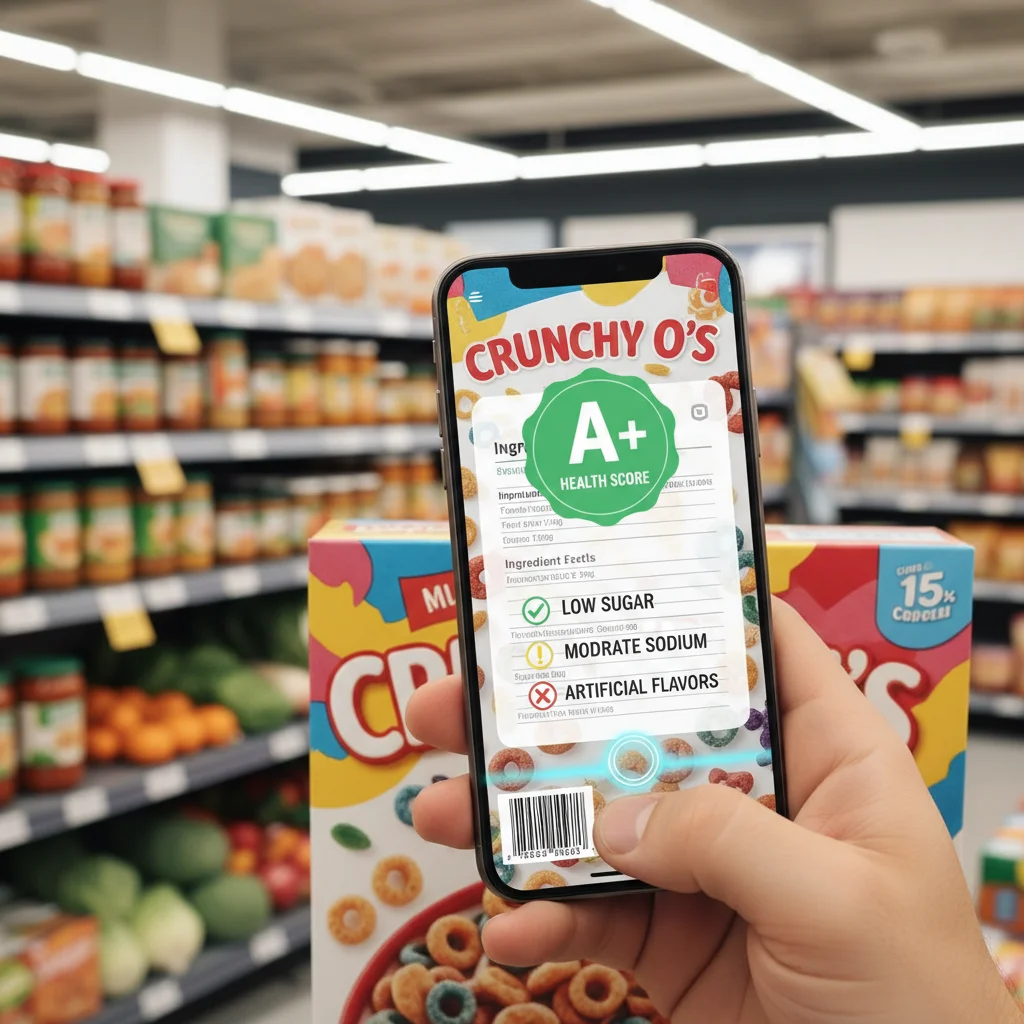
In 2026, many products feature QR codes or other digital links on their packaging. These can provide a wealth of additional information, including:
- Detailed nutritional breakdowns beyond the standard panel.
- Information on sourcing and sustainability practices.
- Recipes and usage suggestions.
- Allergen cross-contamination risks specific to production batches.
- Farm-to-fork traceability.
Leveraging these digital tools can significantly enhance your ability to decoding food labels, offering transparency that traditional labels cannot always provide.
Practical Strategies for Healthier Choices
Now that you’re equipped with the knowledge, let’s put it into practice. Here are some actionable strategies for effectively decoding food labels and making healthier choices in your daily life:
1. Prioritize Whole, Unprocessed Foods
The easiest way to avoid the confusion of labels is to choose foods that don’t have them – fresh fruits, vegetables, lean meats, and whole grains. When you do buy packaged goods, aim for those with minimal processing.
2. Always Start with Serving Size and Added Sugars
These two points are often where people get tripped up. Be realistic about how much you’re consuming relative to the serving size, and make a conscious effort to limit added sugars.
3. Scan the Ingredients List for Red Flags
Develop a mental checklist for ingredients you want to avoid or limit: hidden sugars, trans fats, excessive sodium, and artificial additives. The fewer of these you see, the better.
4. Compare Products
Don’t just pick the first option. Take a moment to compare similar products. Which one has less added sugar? More fiber? Fewer artificial ingredients? This habit can significantly improve your overall diet quality.
5. Understand Your Personal Needs
Your definition of ‘healthy’ might differ based on your individual health goals, allergies, or dietary preferences (e.g., vegan, keto, low-carb). Tailor your label decoding food labels approach to your specific requirements.
6. Stay Updated
Food science and regulations continue to evolve. Follow reputable health organizations, nutritionists, and government food agencies to stay informed about new recommendations or labeling changes. This guide provides a snapshot for 2026, but continuous learning is key.
7. Don’t Fear the Unknown, Educate Yourself
If you encounter an ingredient you don’t recognize, take a moment to research it. Many apps and online resources can help you quickly identify what an ingredient is and its potential health implications.
The Future of Food Labeling: What’s Next?
As we look beyond 2026, the future of decoding food labels promises even more innovation. Expect to see further integration of technology, such as:
- Personalized Nutrition: Labels that can be scanned by an app to provide personalized dietary advice based on your unique genetic profile, health conditions, and preferences.
- Blockchain for Transparency: Increased use of blockchain technology to provide immutable records of a product’s journey from farm to shelf, enhancing trust and traceability.
- Environmental Impact Labeling: More comprehensive information on a product’s carbon footprint, water usage, and other environmental impacts, helping consumers make sustainable choices.
- Front-of-Pack Labeling Systems: Further development and standardization of simplified, interpretive front-of-pack labels (e.g., traffic light systems, health scores) to provide at-a-glance information, though these will always be supplementary to the detailed back-of-pack information.
These advancements will undoubtedly make the process of decoding food labels even more sophisticated, but the core principles of understanding nutritional facts and ingredient lists will remain paramount.
Conclusion: Empowering Your Health Journey
The ability to effectively decode food labels is a powerful skill in your health and wellness arsenal. It transforms you from a passive consumer into an active participant in your dietary choices, allowing you to cut through marketing noise and make decisions based on factual information.
By focusing on the updated Nutrition Facts panel, scrutinizing the ingredients list for hidden sugars and unhealthy fats, understanding allergen information, and approaching health claims with a critical eye, you are well on your way to mastering the art of decoding food labels in 2026 and beyond. This knowledge empowers you to choose foods that nourish your body, support your health goals, and contribute to your overall well-being.
Make it a habit to read labels every time you shop. Over time, you’ll develop an intuitive understanding of what to look for and what to avoid, making your grocery trips more efficient and your diet significantly healthier. Your health is an investment, and understanding what you eat is one of the most valuable returns you can get.