2026 Guide: Sustainable Seasonal Eating & 20% Food Waste Reduction
The 2026 Guide to Sustainable Seasonal Eating: Reduce Food Waste by 20% with These 4 Expert Tips
In an era where environmental consciousness is no longer a niche interest but a global imperative, the choices we make about our food have never been more critical. As we step into 2026, the focus on sustainable seasonal eating intensifies, driven by a collective desire to mitigate climate change, support local economies, and foster healthier communities. This comprehensive guide is designed to equip you with the knowledge and actionable strategies to embrace sustainable seasonal eating, with a particular emphasis on reducing food waste by a significant 20%.
Food waste is a monumental problem, contributing to greenhouse gas emissions, squandering precious resources like water and energy, and exacerbating food insecurity. Globally, an estimated one-third of all food produced for human consumption is lost or wasted. In developed nations, a substantial portion of this waste occurs at the consumer level. By adopting principles of sustainable seasonal eating, we can directly impact this statistic, transforming our kitchens into hubs of efficiency and ecological responsibility. This article will delve into the profound benefits of aligning your diet with the seasons, offer practical tips for reducing food waste, and provide a roadmap for making informed, eco-conscious food choices that will resonate far beyond your dinner plate.
Why Embrace Sustainable Seasonal Eating in 2026?
The concept of sustainable seasonal eating isn’t new, but its urgency has grown exponentially. Eating seasonally means consuming fruits and vegetables at the time of year they are naturally harvested in your region. This practice offers a multitude of benefits, from enhanced flavor and nutritional value to reduced environmental impact and economic advantages.
Enhanced Flavor and Nutritional Value
When produce is picked at its peak ripeness, having matured naturally in its ideal growing conditions, its flavor profile is unparalleled. Think of a juicy, sun-riaupened tomato in summer compared to a pale, mealy one in winter. Beyond taste, seasonal produce often boasts a higher nutritional content. Produce that travels long distances or is harvested prematurely to withstand transit loses vitamins and minerals over time. By choosing what’s in season, you’re opting for food that is at its freshest, most vibrant, and most nutrient-dense.
Reduced Environmental Footprint
One of the most compelling reasons to adopt sustainable seasonal eating is its positive environmental impact. Non-seasonal produce often requires energy-intensive methods to grow (e.g., heated greenhouses) or extensive transportation from distant climates. This ‘food mileage’ contributes significantly to carbon emissions. By eating locally and seasonally, you reduce the demand for these energy-intensive practices and minimize the carbon footprint associated with your food. Furthermore, seasonal farming often aligns with more sustainable agricultural practices, as it works with nature’s cycles rather than against them.
Support for Local Economies and Farmers
Choosing seasonal produce, particularly from local sources, directly supports your community’s farmers and agricultural businesses. This strengthens local economies, creates jobs, and helps preserve farmland. It also fosters a direct connection between consumers and producers, allowing for greater transparency about how food is grown and harvested. This direct relationship can lead to a more resilient and localized food system, less susceptible to global supply chain disruptions.
Greater Variety and Culinary Creativity
While it might seem counterintuitive, embracing sustainable seasonal eating can actually broaden your culinary horizons. Instead of relying on the same few staples year-round, you’ll be introduced to a rotating palette of ingredients that encourages experimentation and creativity in the kitchen. Each season brings its unique bounty, inspiring new recipes and cooking techniques, making your meals more exciting and diverse.
The Food Waste Crisis: A Call to Action for 2026
Before we dive into solutions, it’s crucial to understand the scale of the food waste problem. According to the United Nations Environment Programme (UNEP), an estimated 931 million tonnes of food waste was generated in 2019, with households accounting for 61% of this. This waste represents a colossal drain on resources: the land, water, labor, and energy used to produce food that is never eaten. When food waste ends up in landfills, it decomposes anaerobically, producing methane – a greenhouse gas far more potent than carbon dioxide.
Our goal for 2026 is ambitious yet achievable: to reduce household food waste by 20% through conscious, sustainable seasonal eating practices. This isn’t just about saving money (though it certainly will); it’s about making a tangible difference for the planet and future generations.
4 Expert Tips to Reduce Food Waste by 20% with Sustainable Seasonal Eating
Achieving a 20% reduction in food waste might seem daunting, but by integrating these four expert tips into your sustainable seasonal eating routine, you’ll be well on your way to making a significant impact.
Tip 1: Master the Art of Seasonal Meal Planning and Smart Shopping
The foundation of reducing food waste lies in thoughtful planning. Spontaneous grocery trips and a lack of a clear meal strategy are primary culprits behind forgotten produce and expired ingredients. Embracing sustainable seasonal eating amplifies the need for this planning, as your ingredient availability will shift throughout the year.
- Weekly Menu Creation: Before you even think about stepping into a store or market, plan your meals for the week. Consider what seasonal ingredients are readily available. For instance, in spring, plan meals around asparagus, leafy greens, and strawberries. In autumn, focus on squash, apples, and root vegetables.
- Inventory Your Pantry and Fridge: Before making your shopping list, check what you already have. This prevents duplicate purchases and ensures older ingredients are used first.
- Shop with a Specific List: Stick to your list! Impulse buys, especially of perishable items, often lead to waste. If you’re at a farmers’ market, allow for some flexibility to grab an unexpected seasonal gem, but integrate it into your meal plan as soon as you get home.
- Buy ‘Ugly’ Produce: Many supermarkets and farmers’ markets now offer ‘imperfect’ produce at a discount. These fruits and vegetables are just as nutritious and delicious as their perfect counterparts but are often discarded due to aesthetic standards. Embrace them as part of your sustainable seasonal eating journey.
- Understand ‘Best By’ vs. ‘Use By’ Dates: ‘Best By’ dates indicate peak quality, not safety. Many foods are perfectly safe to eat past this date. ‘Use By’ dates are more critical for safety, especially with highly perishable items. Educate yourself on these distinctions to avoid premature disposal.
By investing a little time upfront in meal planning and smart shopping, you’ll find yourself buying only what you need, utilizing what you buy, and significantly cutting down on waste.
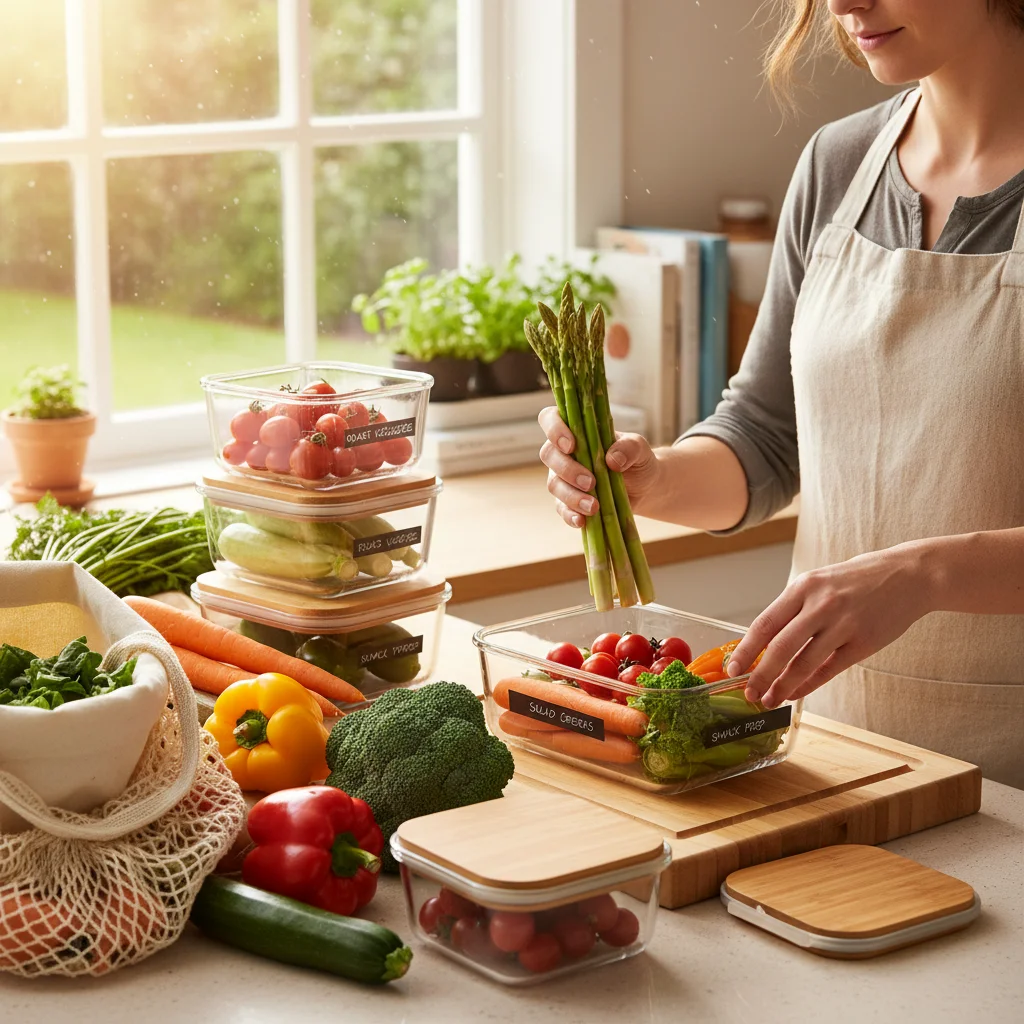
Tip 2: Optimize Food Storage for Maximum Freshness
Proper storage is paramount to extending the life of your seasonal produce and preventing it from spoiling before you can enjoy it. Different foods have different storage requirements, and understanding these nuances is a key component of sustainable seasonal eating and waste reduction.
- Refrigerate Appropriately: Not all produce belongs in the fridge. Tomatoes, potatoes, onions, and garlic prefer cool, dark places outside the refrigerator. Most fruits and vegetables, however, benefit from refrigeration. Store leafy greens in airtight containers with a damp paper towel to maintain moisture. Berries should be washed just before eating, not before storing.
- Understand Ethylene Gas: Some fruits (like apples, bananas, avocados, and pears) release ethylene gas, which can ripen and spoil other produce faster. Store these ‘ethylene producers’ separately from ‘ethylene sensitive’ items like leafy greens, broccoli, and carrots.
- Utilize Freezing: Freezing is an excellent way to preserve seasonal gluts. Blanch vegetables before freezing to retain color, texture, and nutrients. Fruits can often be frozen whole or sliced. Label everything with the date to ensure you use it within a reasonable timeframe. This is particularly effective for seasonal items that you want to enjoy year-round.
- Pickling and Canning: For more ambitious home cooks, pickling, fermenting, and canning are traditional methods of preserving seasonal harvests. These techniques not only extend shelf life but also add unique flavors to your pantry.
- Airtight Containers: Invest in good quality airtight containers. They prevent spoilage, keep food fresh longer, and help organize your fridge, making it easier to see what you have.
Implementing these storage strategies will drastically reduce the amount of produce that goes bad in your kitchen, directly contributing to your 20% food waste reduction goal.
Tip 3: Repurpose Scraps and Embrace Creative Cooking
One of the most overlooked aspects of food waste reduction in sustainable seasonal eating is learning to utilize parts of ingredients often discarded. This not only reduces waste but also adds depth and nutrition to your meals.
- Vegetable Scraps for Broth: Keep a bag in your freezer for vegetable scraps (onion skins, carrot peels, celery ends, herb stems). Once full, use them to make a flavorful homemade vegetable broth. This is a staple in many sustainable seasonal eating kitchens.
- Fruit Peels and Cores: Apple peels and cores can be used to make apple cider vinegar or infused water. Citrus peels can be candied, zested, or used to make cleaning solutions.
- Stale Bread: Don’t throw away stale bread! Turn it into croutons, breadcrumbs, or a delicious panzanella salad.
- Leftovers Reinvented: Think of leftovers not as a chore, but as an ingredient for a new meal. Roast vegetables from dinner can become part of a frittata for breakfast, or a hearty soup for lunch. Cooked grains can be transformed into grain bowls or salads.
- Root-to-Stem and Nose-to-Tail Cooking: This philosophy encourages using every edible part of a plant or animal. For example, beet greens are delicious sautéed, carrot tops can be made into pesto, and broccoli stems can be thinly sliced and added to stir-fries.
- Smoothie Boosters: Wilting spinach or overripe bananas are perfect additions to smoothies, preventing them from being thrown away.
By adopting a mindset of creativity and resourcefulness, you’ll discover new flavors and textures while making significant strides in minimizing your food waste footprint.
Tip 4: Compost What You Can’t Consume
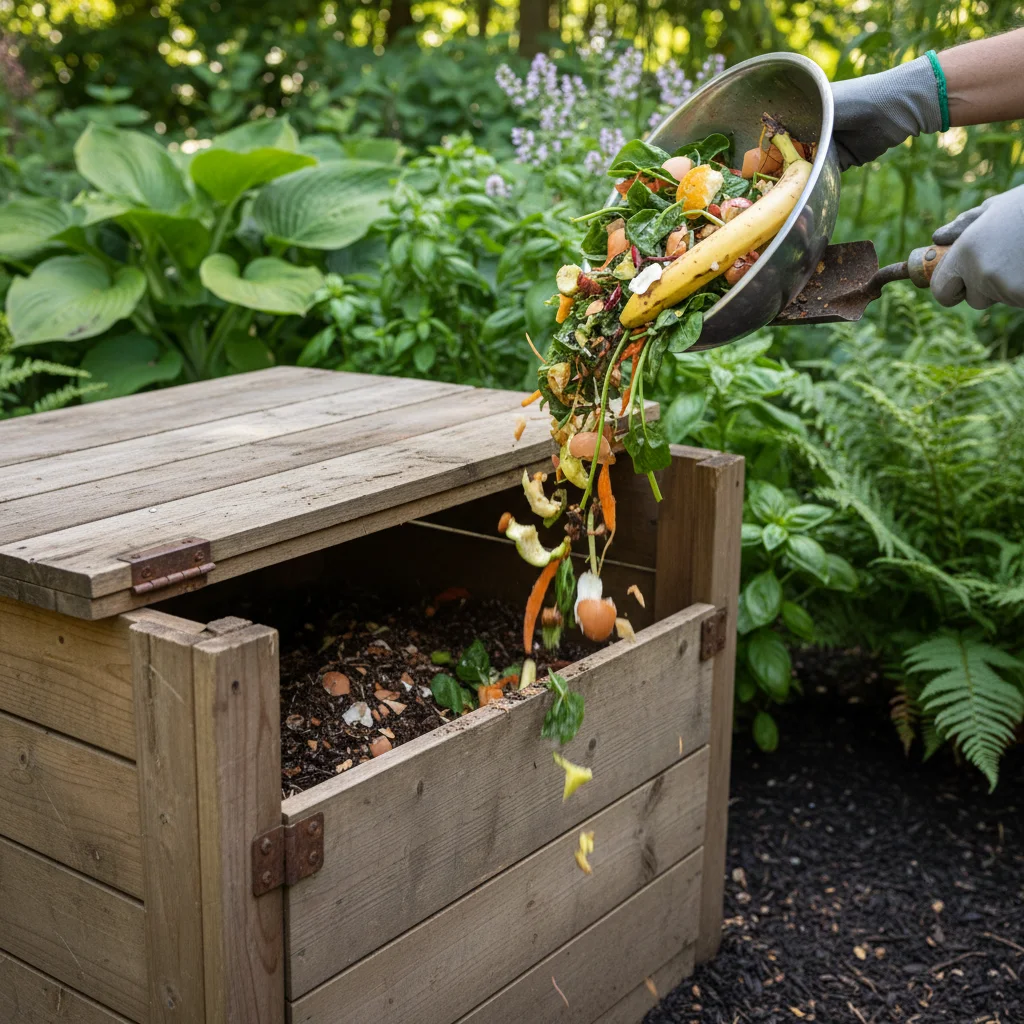
Even with the best planning and repurposing efforts, some food waste is inevitable. This is where composting becomes an invaluable tool in your sustainable seasonal eating arsenal. Composting diverts organic waste from landfills, where it would produce harmful methane, and instead transforms it into nutrient-rich soil amendment.
- Start a Home Compost Bin: Whether you have a backyard composter or a small indoor vermicomposting (worm composting) system, composting is accessible to many. Compostable items include fruit and vegetable scraps, coffee grounds, tea bags, eggshells, and yard waste.
- Utilize Community Composting Programs: If home composting isn’t feasible, check if your local municipality or a nearby farmers’ market offers food scrap drop-off programs. Many communities are expanding these services as awareness of food waste grows.
- Understand What to Compost: Generally, avoid composting meat, dairy, oily foods, and diseased plants in a home compost, as these can attract pests and slow down the composting process. Stick to plant-based materials.
- Benefits of Composting: The resulting compost can be used to enrich your garden soil, reducing the need for chemical fertilizers and improving soil health. This closes the loop in your sustainable seasonal eating efforts, returning nutrients to the earth.
Composting ensures that even the inedible parts of your seasonal produce contribute positively to the environment, preventing them from becoming harmful landfill waste. It’s the final, crucial step in achieving a truly circular and sustainable food system within your home.
The Broader Impact of Your Sustainable Seasonal Eating Choices
Your commitment to sustainable seasonal eating and a 20% reduction in food waste extends far beyond your personal kitchen. It’s a powerful statement and a practical action that contributes to several global goals:
- Climate Change Mitigation: By reducing food miles, minimizing energy-intensive farming, and preventing methane emissions from landfills, you directly combat climate change.
- Resource Conservation: Less food waste means less wasted water, land, and energy used in food production.
- Biodiversity Protection: Supporting diversified, local, and seasonal agriculture often promotes practices that are kinder to soil health and local ecosystems, helping to preserve biodiversity.
- Food Security: While your direct food waste reduction might seem small, collectively, it frees up resources that could otherwise be used to feed those in need.
- Personal Health: Eating fresh, nutrient-dense seasonal produce often leads to a healthier, more varied diet.
As we navigate 2026 and beyond, the choices we make as consumers hold immense power. Every decision to buy seasonal, to plan meals, to store food properly, to repurpose scraps, and to compost, is a step towards a more resilient, equitable, and sustainable food system for everyone.
Looking Ahead: The Future of Sustainable Seasonal Eating
The movement towards sustainable seasonal eating is not a fleeting trend but a fundamental shift in how we relate to our food. In 2026, we anticipate even greater innovations and accessibility in this area:
- Advanced Food Preservation Technologies: New home appliances and technologies may emerge that make food preservation even easier and more efficient, further aiding in waste reduction.
- Hyper-Local Sourcing: Community-supported agriculture (CSAs) and urban farming initiatives are expected to grow, making it even simpler to access fresh, seasonal produce directly from growers.
- AI-Powered Meal Planning: Expect more sophisticated apps that can help you plan meals based on seasonal availability, your existing inventory, and even your personal preferences, all while minimizing waste.
- Increased Education and Awareness: As the impacts of climate change become more evident, educational campaigns and public awareness about food waste and sustainable eating are likely to intensify, empowering more individuals to make informed choices.
- Policy Support: Governments and local authorities may introduce more incentives and regulations to support sustainable agriculture, reduce food waste at all levels of the supply chain, and encourage composting.
These developments will only make it easier and more rewarding to engage in sustainable seasonal eating. The groundwork you lay today by adopting these practices will position you at the forefront of this crucial movement.
Conclusion: Your Role in a Sustainable Food Future
The year 2026 marks a pivotal moment for environmental action, and your contribution through sustainable seasonal eating is invaluable. By consciously choosing to eat what’s in season, supporting local farmers, and diligently applying strategies to reduce food waste by 20%, you are not just changing your dietary habits; you are actively participating in the creation of a more sustainable, equitable, and healthy world. These four expert tips – mastering meal planning, optimizing storage, repurposing scraps, and composting – are your practical tools for making a tangible difference.
Embrace the vibrant flavors of each season, revel in the knowledge that your choices are nourishing both your body and the planet, and become an advocate for a future where food is cherished, not wasted. The journey to a 20% reduction in food waste through sustainable seasonal eating begins with a single step, and every step counts. Let’s make 2026 the year we truly transform our relationship with food.