January 2027: 10 Light & Healthy Seasonal Dishes to Start the New Year Strong
January 2027: 10 Light & Healthy Seasonal Dishes to Start the New Year Strong
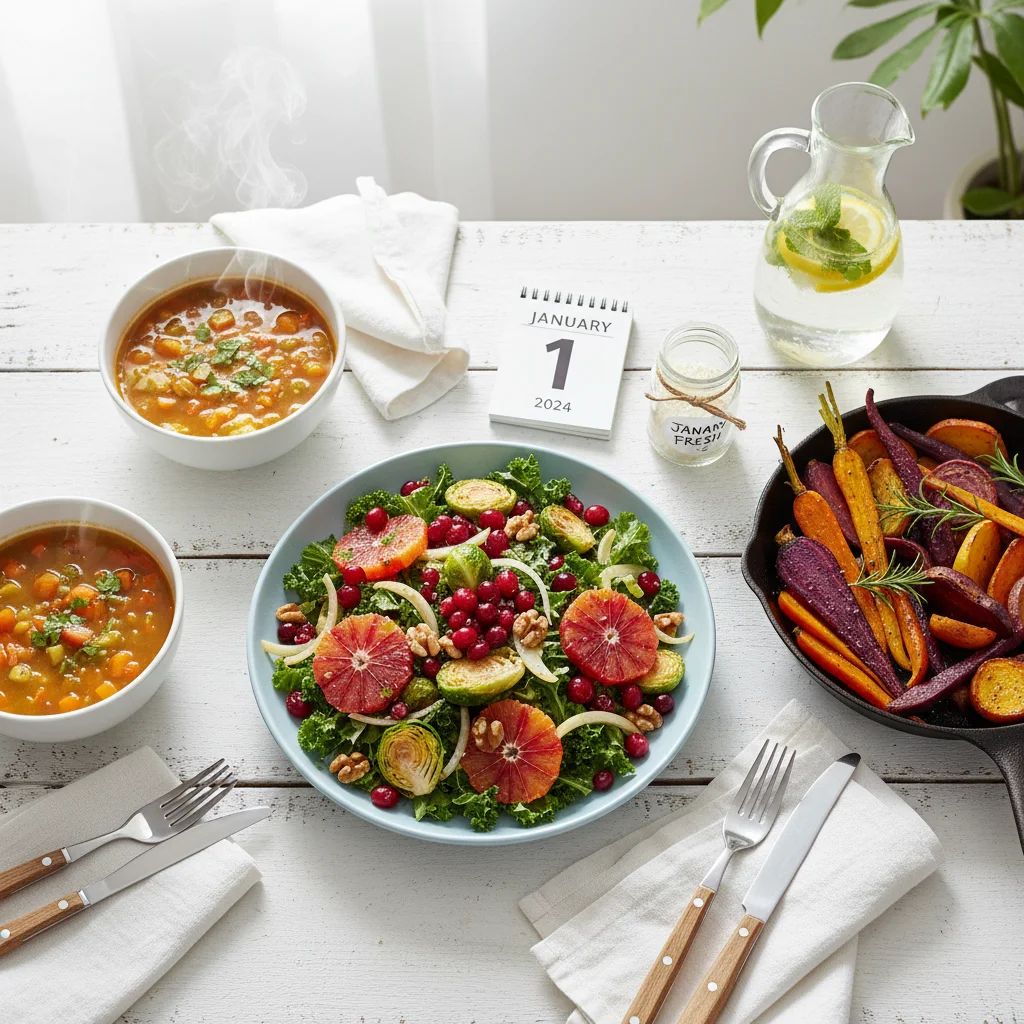
As the calendar flips to January 2027, many of us are filled with renewed determination to embrace healthier habits. The new year often brings a desire for a fresh start, and what better way to kick off a year of wellness than by focusing on what we put into our bodies? This month, we’re diving deep into the world of healthy seasonal dishes that are not only light and nutritious but also incredibly delicious. Forget restrictive diets and bland meals; January is about nourishing your body with vibrant, wholesome ingredients that are at their peak during the winter months.
The concept of seasonal eating is more than just a culinary trend; it’s a mindful approach to food that connects us to nature’s rhythms. Eating seasonally means consuming fruits and vegetables that are harvested in your region during a particular time of year. In January, this often translates to an abundance of root vegetables, hardy greens, and certain citrus fruits. These ingredients are typically fresher, more flavorful, and often more nutrient-dense because they haven’t traveled long distances or been stored for extended periods. Furthermore, buying seasonal produce can be more sustainable and often more economical.
Our goal with this guide is to provide you with 10 inspiring, light, and healthy seasonal dishes that will help you navigate the post-holiday period with energy and vitality. These recipes are designed to be easy to prepare, satisfying, and packed with essential vitamins and minerals. Whether you’re looking to shed a few holiday pounds, boost your immune system, or simply incorporate more fresh produce into your diet, these healthy seasonal dishes are your perfect companions for a strong start to 2027.
Why Embrace Healthy Seasonal Dishes in January?
January can be a challenging month for many. The festive indulgence of December often leaves us feeling sluggish, and the cold, dark days can dampen our spirits. This is precisely why focusing on healthy seasonal dishes becomes so crucial. Nutrient-rich foods can significantly impact our mood, energy levels, and overall well-being. By choosing seasonal ingredients, you’re not only getting the freshest produce but also foods that are naturally aligned with what your body needs during this time of year.
Boosting Immunity with Winter Produce
Winter brings with it the cold and flu season, making immune support a top priority. Many January seasonal vegetables are powerhouses of vitamins and antioxidants. Think about the high vitamin C content in citrus fruits like oranges and grapefruits, or the immune-boosting properties of dark leafy greens such as kale and spinach. Root vegetables like carrots and sweet potatoes are rich in beta-carotene, which the body converts to Vitamin A, essential for immune function and vision. Incorporating these into your healthy seasonal dishes is a delicious way to fortify your body’s defenses.
Weight Management and Digestion
After the holiday feasts, many people aim for weight management. Light and healthy seasonal dishes are naturally lower in calories and higher in fiber, which is crucial for satiety and healthy digestion. Fiber helps you feel full longer, reducing the likelihood of overeating, and promotes a healthy gut microbiome. Opting for whole, unprocessed foods that are in season also means you’re avoiding the hidden sugars and unhealthy fats often found in processed convenience foods. This makes it easier to achieve your wellness goals without feeling deprived.
Enhanced Flavor and Sustainability
Beyond the health benefits, eating seasonally simply tastes better. Produce that is harvested at its peak ripeness has a more intense and authentic flavor. This means you don’t need to rely on excessive seasonings or unhealthy additions to make your meals enjoyable. Furthermore, choosing local and seasonal produce reduces the carbon footprint associated with transportation and storage, making it an environmentally conscious choice. By embracing healthy seasonal dishes, you’re making a positive impact on both your health and the planet.
Our Top 10 Light & Healthy Seasonal Dishes for January 2027
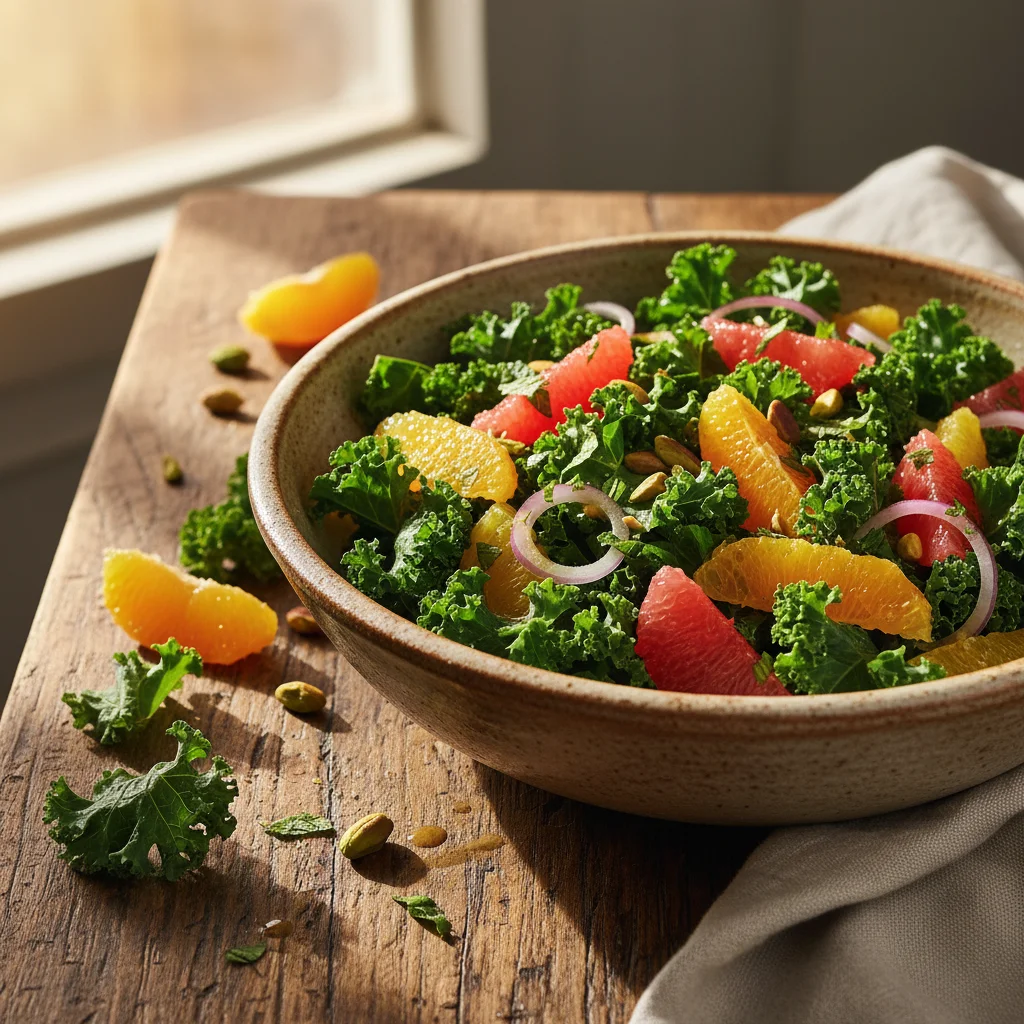
1. Vibrant Kale and Citrus Salad with Avocado
This salad is a burst of sunshine on a cold January day. Kale, a winter superfood, pairs beautifully with the sweetness and tang of seasonal oranges and grapefruits. Add creamy avocado for healthy fats and a sprinkle of toasted almonds for crunch. A simple vinaigrette made with olive oil, apple cider vinegar, and a touch of honey brings all the flavors together. This is a perfect example of a healthy seasonal dish that’s both satisfying and refreshing.
- Key Ingredients: Kale, oranges, grapefruits, avocado, almonds, olive oil, apple cider vinegar.
- Benefits: High in Vitamin C, Vitamin K, healthy fats, and fiber. Excellent for skin health and immunity.
2. Hearty Root Vegetable and Lentil Soup
Nothing says comfort like a warm bowl of soup, and this one is packed with nutrients. Carrots, parsnips, celery root, and sweet potatoes form the base, cooked with protein-rich lentils in a flavorful vegetable broth. Herbs like thyme and bay leaf add depth. This soup is incredibly filling, low in calories, and provides sustained energy. It’s a quintessential healthy seasonal dish for winter.
- Key Ingredients: Lentils, carrots, parsnips, sweet potatoes, celery, vegetable broth, herbs.
- Benefits: High in fiber, plant-based protein, and various vitamins (A, C, K) from root vegetables. Great for digestion and satiety.
3. Roasted Brussels Sprouts with Balsamic Glaze and Pomegranate
Brussels sprouts often get a bad rap, but when roasted correctly, they are incredibly delicious and nutritious. Tossing them with a little olive oil, salt, and pepper, then roasting until caramelized, brings out their natural sweetness. A drizzle of balsamic glaze and a scattering of vibrant pomegranate seeds elevate this side dish to a main-worthy meal. This is a fantastic way to enjoy seasonal vegetables.
- Key Ingredients: Brussels sprouts, balsamic vinegar, pomegranate seeds, olive oil.
- Benefits: Rich in Vitamin K, Vitamin C, and fiber. Pomegranates add antioxidants.
4. Sheet Pan Lemon Herb Chicken and Winter Vegetables
For a convenient and flavorful weeknight meal, a sheet pan dinner is unbeatable. Combine chicken breast pieces with chopped seasonal vegetables like broccoli, cauliflower, red onion, and potatoes. Toss everything with olive oil, lemon juice, garlic, and your favorite herbs (rosemary, thyme). Roast until the chicken is cooked through and the vegetables are tender and slightly caramelized. This is a complete and balanced healthy seasonal dish.
- Key Ingredients: Chicken breast, broccoli, cauliflower, potatoes, red onion, lemon, herbs.
- Benefits: Lean protein, diverse vitamins and minerals from various vegetables. Easy cleanup!
5. Creamy Butternut Squash and Sage Risotto (Dairy-Free Option)
Risotto might sound indulgent, but by using vegetable broth and a touch of nutritional yeast (for a cheesy flavor without dairy), you can create a creamy and healthy version. Butternut squash is a star of winter produce, offering natural sweetness and a beautiful color. Fresh sage complements the squash perfectly. This dish is comforting and sophisticated, proving that healthy seasonal dishes can be gourmet.
- Key Ingredients: Butternut squash, Arborio rice, vegetable broth, sage, onion, garlic.
- Benefits: Good source of Vitamin A, fiber, and complex carbohydrates for sustained energy.
6. Spiced Apple and Oat Bake for Breakfast
Start your January mornings right with a warm, nourishing breakfast. This apple and oat bake combines seasonal apples with rolled oats, warming spices like cinnamon and nutmeg, and a touch of maple syrup or honey for sweetness. It’s a great make-ahead option that provides fiber and energy to fuel your day. Serve with a dollop of Greek yogurt or a splash of almond milk.
- Key Ingredients: Apples, rolled oats, cinnamon, nutmeg, maple syrup, nuts (optional).
- Benefits: High in soluble fiber (oats, apples), which aids digestion and cholesterol management.
7. Baked Salmon with Roasted Asparagus and Lemon
While asparagus is often associated with spring, it’s increasingly available year-round and pairs wonderfully with salmon, a fantastic source of omega-3 fatty acids. Simply bake salmon fillets with fresh asparagus spears, a squeeze of lemon, and a drizzle of olive oil. This is a quick, elegant, and incredibly healthy meal that fits perfectly into your January wellness goals. It’s a simple yet impactful healthy seasonal dish, even if asparagus isn’t strictly winter seasonal everywhere.
- Key Ingredients: Salmon fillets, asparagus, lemon, olive oil.
- Benefits: Excellent source of omega-3s (heart and brain health), lean protein, and Vitamin K (asparagus).
8. White Bean and Escarole Soup with Whole Grain Bread
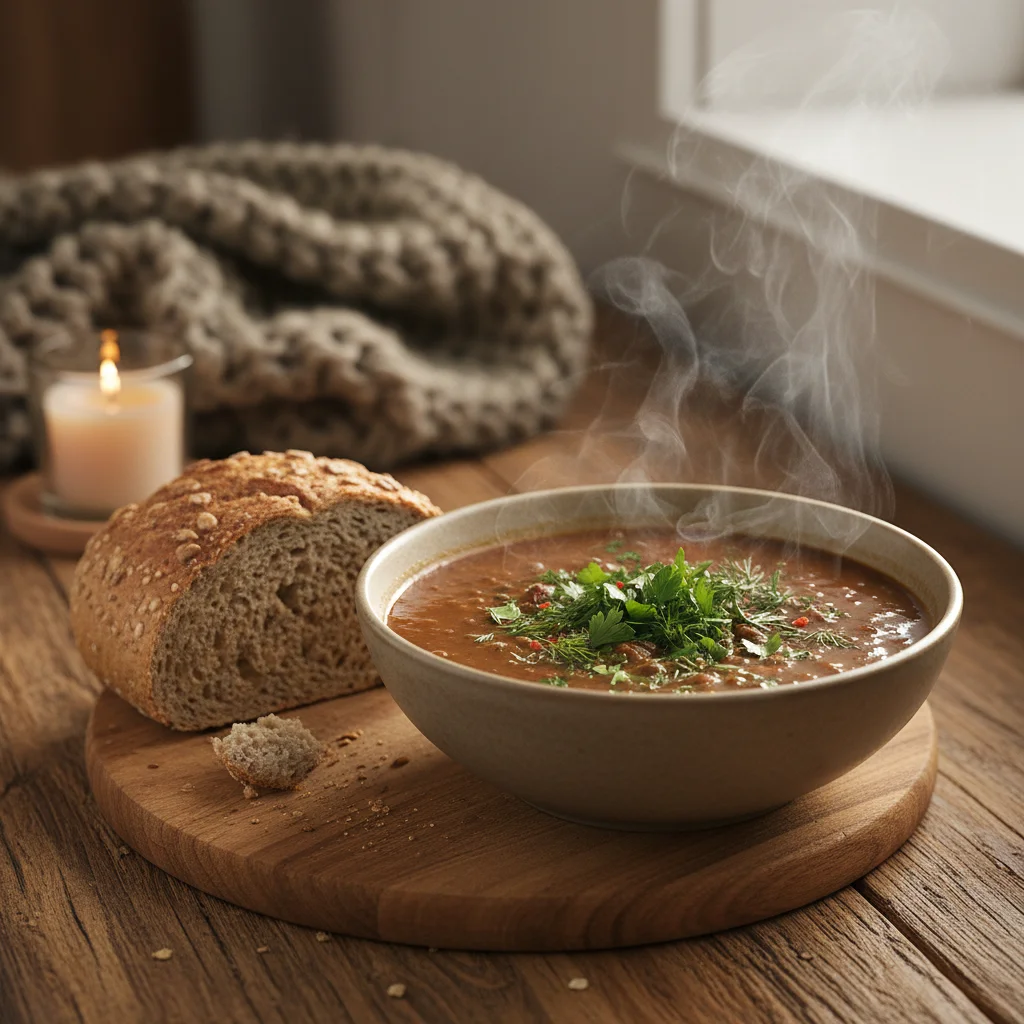
Escarole is a slightly bitter, hardy green that thrives in cooler weather. When simmered with cannellini beans, garlic, and a light broth, it creates a wonderfully flavorful and incredibly nutritious soup. The white beans provide plant-based protein and fiber, making this soup very satisfying. Serve with a slice of toasted whole-grain bread for a complete meal. This is a lesser-known but highly effective healthy seasonal dish.
- Key Ingredients: Escarole, cannellini beans, garlic, vegetable broth, whole-grain bread.
- Benefits: High in fiber, plant protein, iron, and various vitamins. Great for gut health.
9. Winter Greens and Apple Salad with Walnut Vinaigrette
Combine a mix of sturdy winter greens like radicchio, endive, and baby spinach with thinly sliced crisp apples (such as Honeycrisp or Fuji). The bitterness of the greens is beautifully balanced by the sweetness of the apple. A homemade vinaigrette made with walnut oil, apple cider vinegar, Dijon mustard, and a touch of maple syrup adds a rich, nutty flavor. This salad is light, crunchy, and full of seasonal goodness.
- Key Ingredients: Mixed winter greens, apples, walnuts, walnut oil, apple cider vinegar.
- Benefits: Rich in antioxidants, fiber, and healthy fats. Promotes digestion and heart health.
10. Baked Pears with Cinnamon and Greek Yogurt
For a light yet satisfying dessert or a healthy snack, baked pears are a wonderful choice. Halve and core ripe pears (Bosc or Anjou work well), sprinkle with cinnamon, and bake until tender. Serve warm with a dollop of plain Greek yogurt and a drizzle of honey or a sprinkle of chopped nuts. This simple healthy seasonal dish satisfies your sweet tooth without guilt.
- Key Ingredients: Pears, cinnamon, Greek yogurt, honey (optional), nuts (optional).
- Benefits: Good source of fiber, natural sweetness, and probiotics from Greek yogurt.
Tips for Incorporating Healthy Seasonal Dishes into Your Routine
Making a shift towards healthier eating, especially with seasonal ingredients, doesn’t have to be daunting. Here are some practical tips to help you seamlessly integrate these healthy seasonal dishes into your January routine and beyond:
Plan Your Meals Ahead
Meal planning is your best friend when it comes to healthy eating. Dedicate some time each week to plan your meals, create a shopping list, and even do some prep work (like chopping vegetables) in advance. This reduces the temptation to grab unhealthy convenience foods when you’re short on time.
Shop Smart at Farmer’s Markets or Local Stores
Visiting a local farmer’s market is an excellent way to discover what’s truly in season in your area. If a farmer’s market isn’t accessible, look for seasonal produce sections in your regular grocery store. Often, seasonal items are highlighted and may even be on sale, making them a budget-friendly option for your healthy seasonal dishes.
Don’t Be Afraid to Experiment
The beauty of seasonal eating is the variety it offers. Don’t be afraid to try new vegetables or cooking methods. Perhaps you’ve never cooked with parsnips before, or maybe you’ve always steamed your Brussels sprouts. Roasting or air frying can bring out entirely new flavors. Experimentation keeps your meals exciting and prevents palate fatigue.
Batch Cook for Convenience
Many of the dishes mentioned, like the Root Vegetable and Lentil Soup or the Sheet Pan Lemon Herb Chicken, are perfect for batch cooking. Prepare larger quantities on a Sunday and portion them out for lunches or dinners throughout the week. This ensures you always have a healthy, homemade option readily available, saving you time and effort on busy weekdays.
Hydrate, Hydrate, Hydrate!
While focusing on nutritious food is paramount, don’t forget the importance of proper hydration. Drinking plenty of water throughout the day aids digestion, boosts metabolism, and helps you feel full. Herbal teas, especially warming ginger or peppermint, can also be a comforting addition during the colder months.
Listen to Your Body
Ultimately, the best approach to healthy eating is one that feels good for your body. Pay attention to how different foods make you feel. Do you feel energized and light after a meal, or sluggish and heavy? Adjust your choices based on your body’s signals. The goal is sustainable wellness, not temporary fixes.
Conclusion: A Fresh and Flavorful Start to 2027
January 2027 offers a wonderful opportunity to reset and rejuvenate your eating habits. By focusing on light and healthy seasonal dishes, you’re not just preparing delicious meals; you’re investing in your well-being. From vibrant salads to comforting soups and satisfying main courses, the winter season provides an abundance of ingredients that can nourish your body and delight your taste buds.
Embrace the freshness, savor the flavors, and enjoy the journey towards a healthier, more energetic you. These 10 healthy seasonal dishes are just the beginning of what promises to be a year filled with mindful eating and vibrant health. Make this January a month of delicious discoveries and lay the groundwork for a year of strong, sustained wellness. Here’s to a happy, healthy, and flavorful 2027!