Sustainable Eating Practices US 2026: Impact on Planet and Health
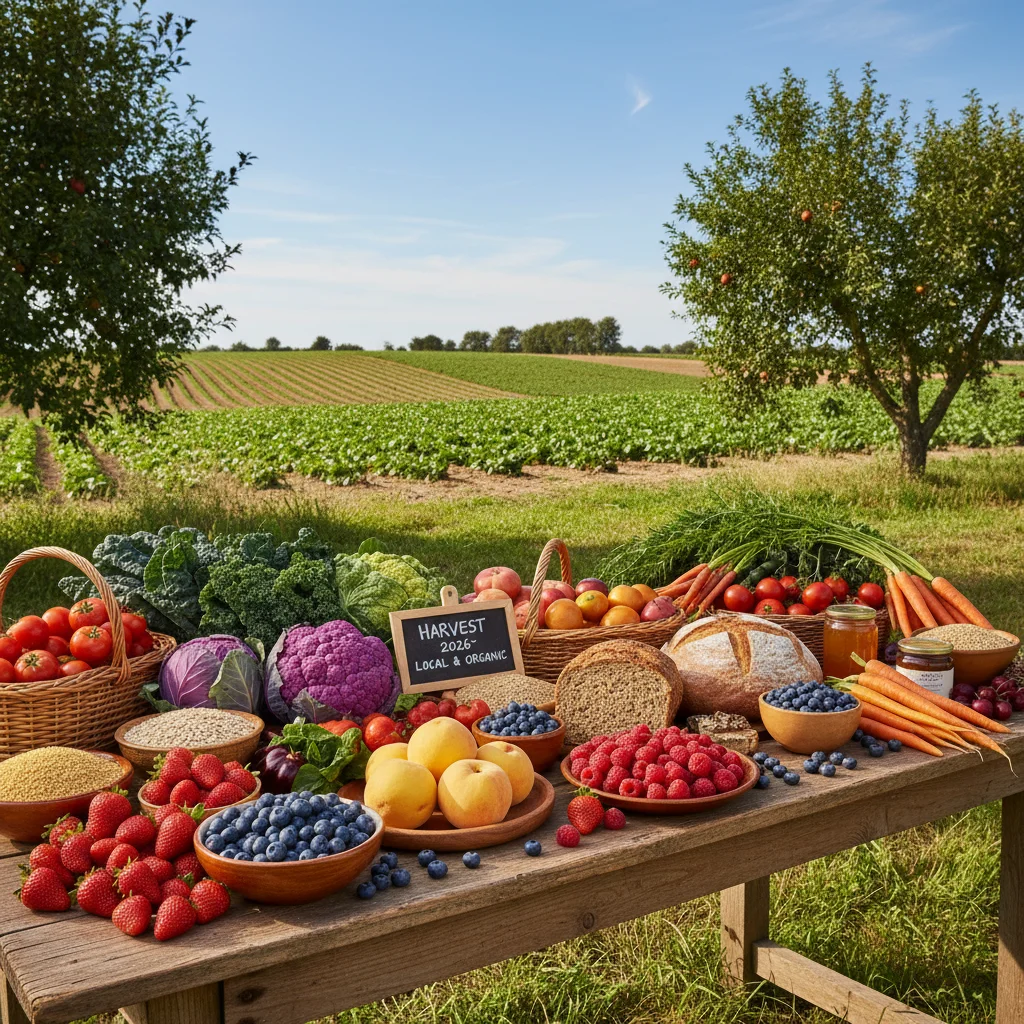
In an era defined by rapid environmental change and increasing awareness of our ecological footprint, the way we eat has never been more critical. As we look towards 2026 and beyond, understanding and adopting sustainable eating practices in the US is not just a trend; it’s an imperative for the health of our planet and ourselves. Our food choices, from the moment a seed is planted to the leftovers in our fridge, ripple through complex systems, influencing everything from biodiversity and climate change to water scarcity and social equity. This comprehensive guide will delve into the profound impact of our dietary habits and offer actionable strategies to embrace a more sustainable plate.
The Environmental Footprint of Our Food: Why Sustainable Eating Matters
Before we explore what constitutes sustainable eating practices, it’s crucial to grasp the environmental weight of our current food system. The journey of food from farm to fork is resource-intensive. Agriculture is a significant contributor to greenhouse gas emissions, deforestation, water pollution, and biodiversity loss. Large-scale industrial farming, particularly for meat and dairy, demands vast tracts of land, enormous quantities of water, and often relies on synthetic fertilizers and pesticides that harm ecosystems.
Greenhouse Gas Emissions: A Climate Crisis Connection
The production of food accounts for approximately one-quarter of global greenhouse gas emissions. Methane from livestock, nitrous oxide from fertilized soils, and carbon dioxide from land-use change (like deforestation for agriculture) are all potent contributors to global warming. Shifting towards diets with a lower carbon footprint is one of the most effective individual actions we can take to combat climate change. This means reconsidering our reliance on carbon-intensive foods and exploring more planet-friendly alternatives.
Water Scarcity: The Thirsty Business of Food Production
Water is a finite resource, and agriculture is the largest consumer of freshwater globally. Producing just one pound of beef, for example, can require thousands of gallons of water, factoring in irrigation for feed crops and animal hydration. In regions already facing water stress, unsustainable agricultural practices exacerbate the problem, leading to depletion of aquifers and conflicts over water rights. Adopting sustainable eating practices often involves choosing foods that are less water-intensive to produce.
Biodiversity Loss: The Silent Crisis
Monoculture farming, the practice of growing a single crop over a large area, reduces biodiversity by displacing natural habitats and relying on a narrow genetic base. The widespread use of pesticides also harms pollinators and beneficial insects, further disrupting delicate ecosystems. A sustainable food system embraces diversity, supporting a variety of crops and livestock, and promoting farming methods that work in harmony with nature.
Defining Sustainable Eating Practices for the US in 2026
So, what does it mean to eat sustainably? It’s a multifaceted approach that considers environmental, social, and economic factors. For the US in 2026, sustainable eating practices involve making conscious choices that:
- Minimize environmental impact (carbon footprint, water usage, pollution).
- Support fair labor practices and local economies.
- Promote animal welfare.
- Reduce food waste.
- Are nutritious and accessible to all.
Embracing a Plant-Forward Diet: The Cornerstone of Sustainability
Perhaps the most significant shift individuals can make is to adopt a more plant-forward diet. This doesn’t necessarily mean becoming vegan or vegetarian overnight, but rather prioritizing plant-based foods – fruits, vegetables, grains, legumes, nuts, and seeds – and reducing the consumption of meat and dairy. The environmental benefits are substantial:
- Lower Greenhouse Gas Emissions: Plant-based proteins generally require fewer resources and produce fewer emissions than animal proteins.
- Reduced Water Footprint: Many plant crops are less water-intensive than livestock.
- Less Land Use: Growing crops directly for human consumption is more efficient in terms of land use than growing crops to feed livestock.
- Improved Biodiversity: Diverse plant-based agriculture can support healthier ecosystems.
Incorporating more plant-based meals into your week, exploring new vegetable recipes, and experimenting with alternative proteins like lentils, chickpeas, and tofu are excellent starting points for adopting sustainable eating practices.
Sourcing Local and Seasonal: Connecting with Your Community and Environment
Buying local and seasonal produce is another powerful pillar of sustainable eating practices. When you purchase food grown close to home, several benefits emerge:
- Reduced Transportation Emissions: Less distance traveled means less fuel consumed and fewer carbon emissions.
- Support for Local Economies: Your money directly supports local farmers and businesses, strengthening community resilience.
- Fresher, More Nutritious Food: Produce harvested at its peak and sold quickly often tastes better and retains more nutrients.
- Reduced Packaging: Local markets often use less plastic and unnecessary packaging.
- Increased Transparency: You can often learn directly from the farmer about their growing practices.
Visiting farmers’ markets, joining Community Supported Agriculture (CSA) programs, and looking for local labels at your grocery store are practical ways to integrate this practice. Eating seasonally also encourages dietary diversity and a deeper connection to the natural cycles of food production.
Minimizing Food Waste: Every Scraps Counts
Food waste is a colossal problem with significant environmental and economic implications. In the US, an estimated 30-40% of the food supply is wasted, from farm to consumer. This wasted food represents wasted resources – water, land, energy, and labor – and when it decomposes in landfills, it produces methane, a potent greenhouse gas. Addressing food waste is a crucial component of sustainable eating practices.
Strategies for Reducing Food Waste at Home:
- Plan Your Meals: Create a weekly meal plan and make a shopping list to avoid impulse purchases and ensure you buy only what you need.
- Store Food Properly: Understand how to store different foods to maximize their shelf life.
- Understand Date Labels: ‘Best by’ and ‘use by’ dates are often misunderstood. ‘Best by’ refers to quality, not safety.
- Get Creative with Leftovers: Transform leftovers into new meals.
- Compost Food Scraps: For unavoidable food waste (peels, cores), composting diverts it from landfills and creates nutrient-rich soil.
- Portion Control: Serve appropriate portion sizes to avoid uneaten food.
Conscious Consumption: Beyond the Plate
Sustainable eating practices extend beyond the food itself to the broader context of how we consume. This includes packaging, cooking methods, and even the choices we make when dining out.
Reducing Packaging Waste
The proliferation of single-use plastic in food packaging is an environmental nightmare. Opt for foods with minimal packaging, choose products packaged in recyclable or compostable materials, and bring your own reusable bags and containers when shopping. Buying in bulk can also significantly reduce packaging waste.
Energy-Efficient Cooking
The energy used to cook our meals also contributes to our environmental footprint. Simple practices like using appropriate pot sizes for burners, utilizing residual heat, and cooking in batches can reduce energy consumption. Modern appliances are also becoming more energy-efficient, offering another avenue for reducing your environmental impact.
Dining Out Sustainably
When eating out, support restaurants that prioritize local, seasonal, and ethically sourced ingredients. Look for establishments that have clear policies on food waste reduction and sustainable practices. Don’t be afraid to ask questions about where their ingredients come from.
The Health Benefits of Sustainable Eating
It’s no coincidence that diets good for the planet are often good for our bodies. Sustainable eating practices typically emphasize whole, unprocessed foods, leading to numerous health advantages:
- Richer in Nutrients: Plant-forward diets are naturally rich in vitamins, minerals, fiber, and antioxidants.
- Reduced Risk of Chronic Diseases: Studies consistently link diets high in fruits, vegetables, and whole grains to a lower risk of heart disease, type 2 diabetes, and certain cancers.
- Better Gut Health: The fiber in plant-based foods supports a healthy gut microbiome.
- Lower Exposure to Harmful Chemicals: Choosing organic and locally grown foods can reduce exposure to pesticides and herbicides.
By aligning our health goals with our environmental values, we create a powerful synergy that benefits both ourselves and the world around us.
Challenges and Opportunities for Sustainable Eating in the US 2026
While the benefits are clear, adopting sustainable eating practices in the US comes with its challenges. Affordability, accessibility, and ingrained cultural habits can be significant barriers. However, there are also immense opportunities for growth and positive change.
Addressing Affordability and Accessibility
Sustainable food can sometimes be perceived as more expensive or less accessible, especially in food deserts. Initiatives like farmers’ market coupon programs, community gardens, and government subsidies for sustainable agriculture can help bridge this gap. Advocating for policies that support equitable access to healthy, sustainable food is crucial.
Overcoming Cultural and Behavioral Barriers
Dietary habits are deeply personal and culturally ingrained. Shifting away from meat-heavy diets or processed foods requires education, awareness, and often, a change in mindset. Food education in schools, public awareness campaigns, and accessible plant-based cooking resources can help normalize and popularize sustainable choices.
Technological Innovations and Future Trends
Looking to 2026, technological advancements are poised to further enhance sustainable eating practices. Vertical farming, lab-grown meat alternatives, precision agriculture, and AI-powered supply chain optimization all hold promise for reducing the environmental impact of food production. Consumers will likely see an increasing array of innovative, sustainable food products on the market.

Practical Steps to Embrace Sustainable Eating Today
Embarking on a journey of sustainable eating practices doesn’t require an overnight overhaul. Small, consistent changes can lead to significant cumulative impact. Here are some practical steps you can start taking today:
- Start Small, Go Plant-Forward: Begin with one or two meatless meals a week. Explore new plant-based recipes and ingredients.
- Shop Smart, Shop Local: Prioritize farmers’ markets and local produce. Buy seasonal fruits and vegetables.
- Minimize Food Waste: Plan meals, store food correctly, and get creative with leftovers. Start a compost bin if possible.
- Choose Sustainable Seafood: If you consume seafood, consult guides like the Monterey Bay Aquarium Seafood Watch to make informed, sustainable choices.
- Look for Certifications: Opt for organic, Fair Trade, and other sustainability certifications when available, as they often indicate more environmentally and socially responsible practices.
- Reduce Processed Foods: These often come with excessive packaging and a higher environmental footprint due to complex supply chains.
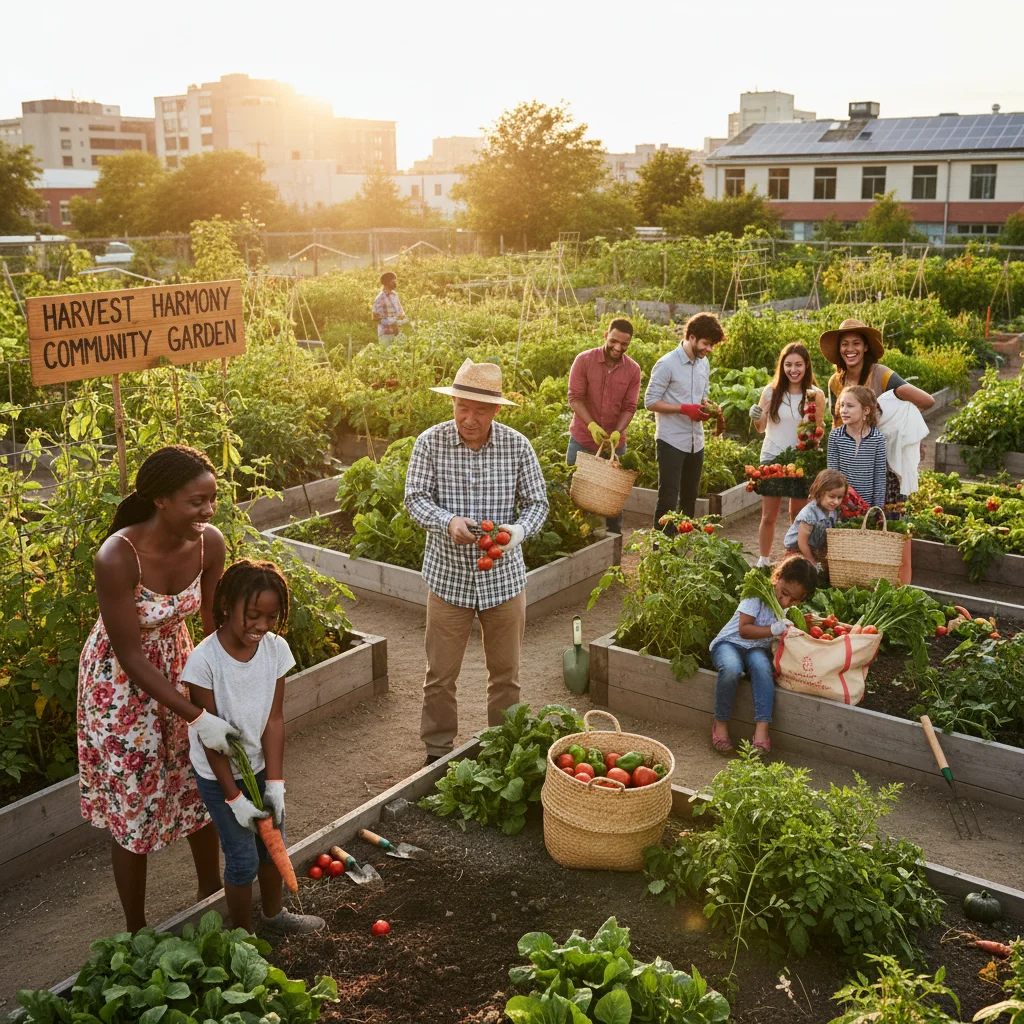
- Grow Your Own: Even a small herb garden can connect you more deeply with your food and reduce your reliance on store-bought items.
- Educate Yourself: Stay informed about food systems, environmental impacts, and new sustainable solutions.
- Advocate for Change: Support policies and organizations that promote sustainable agriculture and equitable food access.
- Be Mindful: Pay attention to where your food comes from, how it’s produced, and its journey to your plate.
The Future of Food: A Collective Responsibility
As we move towards 2026, the call for sustainable eating practices will only grow louder. The choices we make as consumers have immense power to shape demand and drive change within the food industry. Governments, corporations, farmers, and individuals all have a role to play in building a food system that is resilient, equitable, and regenerative. By consciously choosing what we put on our plates, we contribute not just to our personal health, but to the health of our communities and the planet as a whole. Every meal is an opportunity to make a difference, to support a better future, and to nourish a world that can sustain us for generations to come. Embrace the journey towards a more sustainable plate, and be part of the solution for a healthier, more vibrant planet.