Mastering Meal Prep: Top Strategies for Time-Saving Dinners in 2026
Mastering Meal Prep: Top Strategies for Time-Saving Dinners in 2026
In our fast-paced world, finding time to prepare healthy, home-cooked meals can often feel like an insurmountable challenge. The allure of quick take-out or pre-packaged options is strong, yet the desire for nutritious, delicious, and budget-friendly dinners remains. This is where the power of meal prep strategies comes into play, evolving continuously to meet the demands of modern life. As we step into 2026, the landscape of meal preparation is more innovative and accessible than ever before, offering solutions that cater to every lifestyle and dietary need.
Meal prepping is more than just cooking in advance; it’s a strategic approach to food management that saves time, reduces food waste, and promotes healthier eating habits. It transforms chaotic weeknights into calm, organized culinary experiences. For many, the thought of dedicating an entire day to cooking can be daunting, but the beauty of modern meal prep strategies lies in their flexibility and adaptability. Whether you’re a busy professional, a parent juggling multiple responsibilities, or simply looking to optimize your daily routine, integrating effective meal prep into your life can be a game-changer.
This comprehensive guide will delve into the top meal prep strategies for 2026, offering actionable insights and practical tips to revolutionize your dinner routine. We’ll explore everything from smart planning and efficient cooking techniques to advanced storage solutions and creative recipe ideas. Get ready to reclaim your evenings, savor wholesome meals, and enjoy the myriad benefits that come with a well-prepped kitchen.
The Evolution of Meal Prep: Why 2026 is Different
Meal prepping isn’t a new concept, but its methodologies and tools have significantly advanced. In 2026, we’re seeing a greater emphasis on personalization, sustainability, and technological integration. Gone are the days of monotonous, bland meals cooked in bulk. Today’s meal prep strategies are about creating diverse, exciting, and nutritionally balanced dishes that cater to individual preferences and dietary requirements. The rise of smart kitchen appliances, AI-powered recipe generators, and advanced food storage technologies has made meal prepping more accessible and efficient than ever before.
Furthermore, there’s a growing awareness of the environmental impact of our food choices. Modern meal prep incorporates principles of sustainability, aiming to reduce food waste through careful planning, proper portioning, and creative use of leftovers. This holistic approach not only benefits our health and wallets but also contributes positively to the planet.
Understanding Your Needs: The Foundation of Successful Meal Prep
Before diving into specific meal prep strategies, it’s crucial to understand your personal needs and lifestyle. Ask yourself:
- How many meals do I need to prepare for the week?
- What are my dietary restrictions or preferences (e.g., vegetarian, gluten-free, low-carb)?
- How much time can I realistically dedicate to meal prep each week?
- What kitchen equipment do I already have, and what might I need?
- What are my family’s preferences and schedules?
Answering these questions will help you tailor your meal prep strategies to fit your unique circumstances, ensuring long-term success and enjoyment. Without this foundational understanding, even the most effective strategies can fall short.
Strategy 1: Smart Planning and Recipe Selection
The cornerstone of any successful meal prep endeavor is meticulous planning. In 2026, smart planning goes beyond just picking recipes; it involves optimizing your grocery list, utilizing seasonal ingredients, and even leveraging technology to streamline the process.
Leveraging Digital Tools for Planning
Forget pen and paper! 2026 offers a plethora of digital tools to assist with your meal prep strategies. Apps dedicated to meal planning can help you organize recipes, generate shopping lists, and even track your nutritional intake. Many of these tools offer features like:
- Recipe databases: Access thousands of recipes, often with filters for dietary needs and cooking times.
- Automated shopping lists: Ingredients from selected recipes are automatically added to a customizable shopping list.
- Nutritional tracking: Monitor calories, macros, and micronutrients for each meal.
- Meal rotation: Plan diverse meals to prevent palate fatigue and ensure a wide range of nutrients.
Utilizing these tools can significantly cut down on planning time and reduce the mental load associated with meal prep.
The Art of Batch Cooking Components
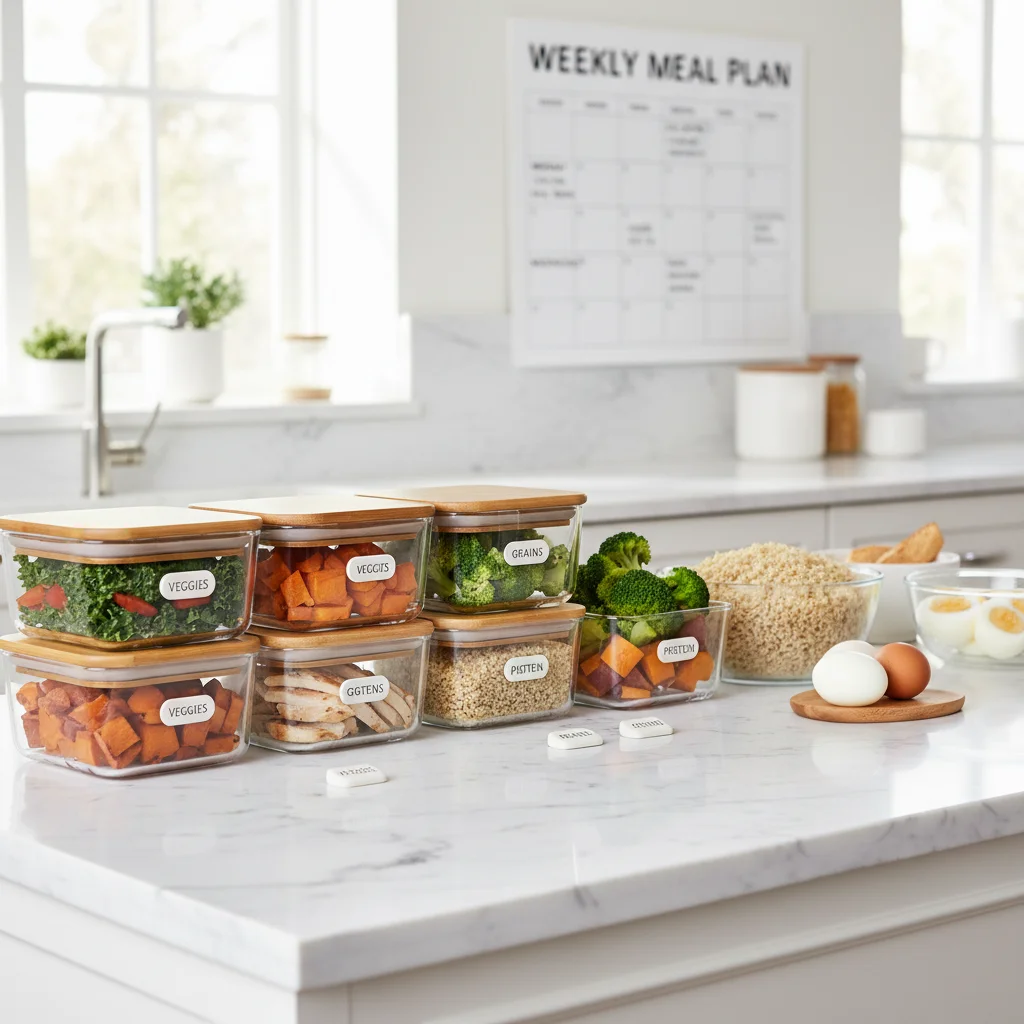
Instead of cooking entire meals, one of the most effective meal prep strategies involves batch cooking individual components. This method offers unparalleled flexibility and prevents your meals from feeling repetitive. Think about preparing:
- Proteins: Cook a large batch of grilled chicken, roasted chickpeas, hard-boiled eggs, or ground turkey. These can be easily incorporated into various dishes throughout the week.
- Grains: Prepare a big pot of quinoa, brown rice, or farro. These versatile bases can be used for bowls, salads, or as a side dish.
- Vegetables: Roast a medley of seasonal vegetables, chop raw veggies for salads, or steam greens. Having these on hand makes it easy to add a healthy component to any meal.
By having these foundational components ready, you can mix and match them daily to create fresh and exciting meals without much effort. This approach is perfect for those who enjoy variety and want to avoid eating the exact same meal multiple times.
Theme Nights and Recipe Rotation
To keep things interesting and simplify decision-making, consider implementing theme nights into your weekly meal plan. For example, ‘Meatless Monday,’ ‘Taco Tuesday,’ ‘Pasta Wednesday,’ ‘Stir-fry Thursday,’ and ‘Pizza Friday’ can provide a framework for your cooking. Within these themes, you can rotate different recipes to ensure variety. This is a brilliant way to maintain excitement and prevent boredom, which can often derail meal prep efforts.
Strategy 2: Efficient Cooking Techniques and Equipment
Once your planning is complete, the next step is efficient execution. In 2026, this means leveraging smart cooking techniques and utilizing modern kitchen equipment to maximize your time and effort.
One-Pot and Sheet Pan Meals
These cooking methods are a meal prepper’s best friend. One-pot and sheet pan meals minimize cleanup and often require less active cooking time. You can combine proteins, vegetables, and sometimes even grains all on a single sheet pan or in one pot, pop it in the oven or on the stove, and let it cook. This approach is fantastic for batch cooking and creating balanced meals with minimal fuss. Examples include sheet pan chicken and veggies, one-pot pasta dishes, or skillet fajitas.
Embracing Smart Kitchen Appliances
Modern kitchen appliances are designed to make cooking easier and faster, making them invaluable for meal prep strategies. Consider investing in:
- Instant Pot/Pressure Cooker: Drastically reduces cooking time for grains, legumes, and even entire meals. You can cook a whole chicken or dried beans in a fraction of the traditional time.
- Air Fryer: Perfect for quickly crisping up vegetables, proteins, and even reheating prepped food, offering a healthier alternative to deep frying.
- Slow Cooker: Ideal for ‘set it and forget it’ meals. Prepare ingredients in the morning, and come home to a ready-to-eat dinner. Great for stews, chilis, and pulled meats.
- Food Processor: A lifesaver for chopping, slicing, and dicing large quantities of vegetables in minutes, saving significant prep time.
These appliances not only save time but also expand your culinary possibilities, making your meal prep journey more enjoyable and less laborious.
Mise en Place: The Professional Chef’s Secret
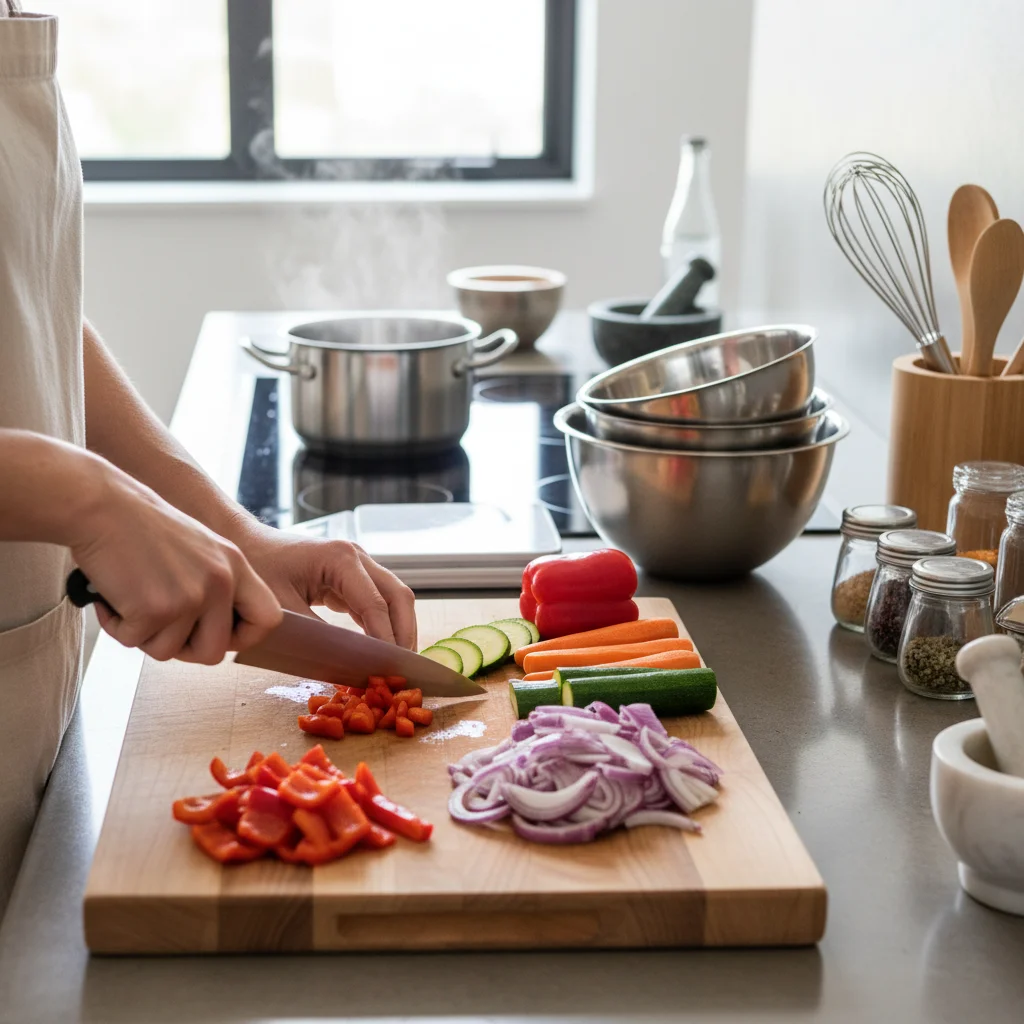
Adopt the ‘mise en place’ philosophy – a French culinary term meaning ‘everything in its place.’ Before you start cooking, gather and prepare all your ingredients. This means chopping all vegetables, measuring out spices, and having all necessary tools within reach. This simple but powerful technique streamlines the cooking process, prevents frantic searching for ingredients, and allows for a smooth, uninterrupted flow in the kitchen. It reduces stress and makes cooking a more enjoyable experience.
Strategy 3: Advanced Storage and Food Preservation
Even the most perfectly planned and cooked meals are wasted if they aren’t stored correctly. In 2026, advanced storage solutions and preservation techniques are key to ensuring your prepped meals stay fresh, safe, and delicious throughout the week.
Choosing the Right Containers
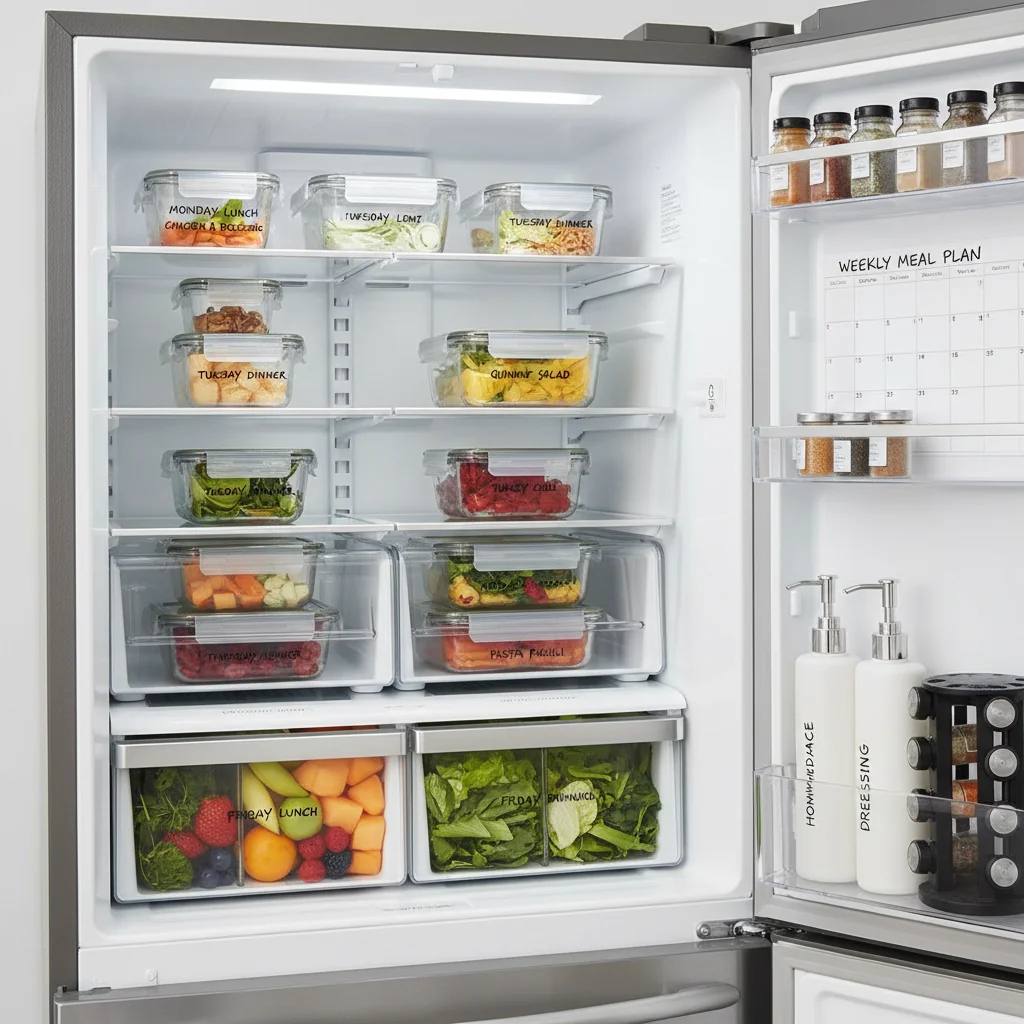
The type of containers you use significantly impacts the longevity and convenience of your prepped meals. Look for:
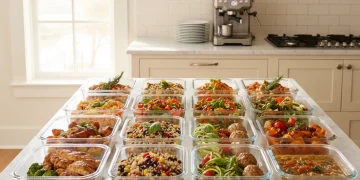
- Airtight and Leak-Proof: Essential for preventing spoilage and messy spills. Glass containers are often preferred for their durability, non-reactivity, and ease of cleaning, plus they are microwave and oven safe.
- Portion-Controlled: Containers with dividers or specific portion sizes help with calorie control and make grabbing a meal effortless.
- Stackable: Maximize refrigerator and freezer space with containers that stack neatly.
- BPA-Free: Always opt for food-safe materials, especially if using plastic.
Investing in a good set of high-quality containers is a foundational aspect of effective meal prep strategies.
Freezing for Extended Freshness
Freezing is an excellent strategy for extending the life of your prepped meals, especially if you’re cooking for more than a few days or want to have emergency meals on hand. Not all foods freeze equally well, but many do:
- Soups and Stews: Freeze beautifully in individual portions.
- Cooked Grains: Rice, quinoa, and other grains can be frozen and reheated.
- Cooked Proteins: Chicken, beef, and plant-based proteins can be frozen in meal-sized portions.
- Baked Goods: Muffins, breakfast burritos, and even some casseroles can be frozen.
When freezing, ensure food is completely cooled before placing it in airtight, freezer-safe containers or bags. Label with the date to keep track of freshness. Proper freezing techniques can dramatically reduce food waste and expand your meal prep capacity.
Vacuum Sealing Technology
For those serious about maximizing food freshness, vacuum sealing is a game-changer. Vacuum sealers remove air from food packaging, significantly slowing down oxidation and bacterial growth. This can extend the shelf life of refrigerated foods by days and frozen foods by months or even years. While an initial investment, a vacuum sealer can pay for itself in reduced food waste over time, making it one of the more advanced meal prep strategies for 2026.
Beyond the Basics: Advanced Meal Prep Hacks for 2026
Once you’ve mastered the foundational meal prep strategies, you can explore more advanced techniques to further optimize your routine.
Ingredient Prep vs. Full Meal Prep
Sometimes, simply prepping ingredients is enough. This might mean washing and chopping all your vegetables for the week, making a large batch of salad dressing, or marinating proteins. This ‘ingredient prep’ approach offers flexibility for those who enjoy cooking fresh daily but want to cut down on the most time-consuming steps. It’s a fantastic middle-ground for busy individuals who don’t want to commit to full meal assembly.
Building a Meal Prep Pantry
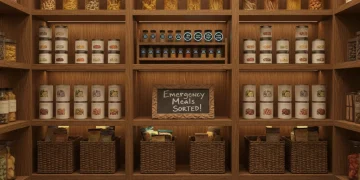
A well-stocked pantry is crucial for efficient meal prep. Keep staples like grains, pasta, canned goods, spices, and healthy oils on hand. This reduces the number of items you need to buy weekly and ensures you always have the basics for spontaneous cooking or last-minute meal adjustments. Regularly inventorying your pantry can also prevent duplicate purchases and food waste.
Creative Use of Leftovers (Planned-overs)
Instead of thinking of them as mere leftovers, consider them ‘planned-overs.’ Strategically cook extra portions of certain components knowing they will be repurposed into a completely different meal. For example, roasted chicken from Sunday dinner can become chicken salad sandwiches on Monday or chicken tacos on Tuesday. This minimizes cooking from scratch and adds variety to your week.
Snack Prep for All-Day Fuel
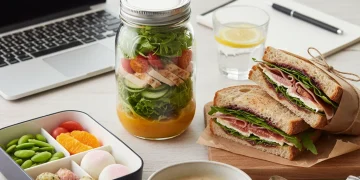
Meal prep isn’t just for dinners. Extend your meal prep strategies to include snacks. Portion out nuts, fruits, chopped veggies with hummus, or homemade energy bites. Having healthy snacks readily available prevents unhealthy impulse eating and keeps your energy levels stable throughout the day.
Common Meal Prep Challenges and Solutions
Even with the best meal prep strategies, challenges can arise. Here’s how to overcome them:
- Boredom with repetitive meals: Implement theme nights, batch cook components for mix-and-match meals, and use a diverse recipe rotation.
- Food spoilage: Invest in high-quality airtight containers, master proper cooling and storage techniques, and utilize freezing or vacuum sealing.
- Lack of time: Start small (e.g., prep only lunches), use smart appliances, and dedicate a specific block of time each week for prep.
- Overwhelm: Don’t try to do everything at once. Begin with one or two meals, then gradually expand as you become more comfortable.
- Unsure what to cook: Use meal planning apps, explore online recipe communities, and build a repertoire of go-to recipes.
Remember, meal prep is a journey, not a destination. It’s about finding what works best for you and continuously refining your approach.
The Future of Meal Prep: What to Expect Beyond 2026
As technology continues to advance and our understanding of nutrition deepens, meal prep strategies will undoubtedly continue to evolve. We can anticipate even greater integration of AI in personalized meal planning, smart refrigerators that track inventory and suggest recipes, and perhaps even automated kitchen robots that assist with prep tasks. Sustainability will remain a key focus, with innovations in biodegradable packaging and hyper-local sourcing becoming more prevalent. The goal will always be the same: to make healthy eating effortless and enjoyable.
Conclusion: Embrace the Power of Meal Prep
Adopting effective meal prep strategies in 2026 is more than just a trend; it’s a lifestyle choice that empowers you to take control of your health, finances, and time. By embracing smart planning, efficient cooking techniques, and advanced storage solutions, you can transform your dinner routine from a source of stress into an opportunity for creativity and nourishment.
Start small, be patient with yourself, and celebrate every step of your meal prep journey. The benefits — from healthier eating habits and reduced food waste to significant time and cost savings — are well worth the effort. So, roll up your sleeves, choose your strategies, and get ready to enjoy a future filled with delicious, stress-free dinners, all thanks to the power of thoughtful meal preparation.
Embrace these meal prep strategies and discover a more organized, healthier, and happier you in 2026 and beyond!