
Meal Planning for 2026: A 4-Week Guide to Stress-Free Weeknight Dinners
Are you tired of the daily dinner dilemma? Do you find yourself scrambling for ideas, resorting to takeout, or wasting food because you didn’t have a plan? If so, you’re not alone. The hustle and bustle of modern life often leave little room for thoughtful meal preparation, but what if 2026 could be different? What if you could reclaim your evenings, save money, and enjoy delicious, healthy meals without the stress? This comprehensive meal planning guide is designed to help you do just that.
Welcome to your ultimate resource for mastering weeknight dinners in 2026! We’ve crafted a detailed 4-week meal planning guide that will transform your kitchen routine, boost your culinary confidence, and bring a sense of calm back to your dinner table. Whether you’re a seasoned home cook or a kitchen novice, this guide provides actionable strategies, practical tips, and a flexible framework to make meal planning an enjoyable and sustainable part of your life.
Why Embrace Meal Planning in 2026?
Before we dive into the nitty-gritty of our 4-week meal planning guide, let’s explore the undeniable benefits of adopting this powerful habit. Understanding the ‘why’ behind meal planning can be a significant motivator, helping you stay committed even when life gets hectic.
1. Save Time and Reduce Stress
Imagine coming home after a long day knowing exactly what’s for dinner, with most of the prep already done. No more staring blankly into the fridge, no more last-minute grocery runs. Meal planning streamlines your entire week, consolidating grocery trips and decision-making. This frees up precious time in your evenings, allowing you to relax, pursue hobbies, or spend quality time with loved ones. The mental load of ‘what’s for dinner?’ is lifted, leading to a significant reduction in daily stress.
2. Save Money and Reduce Food Waste
Impulse buys at the grocery store and forgotten ingredients rotting in the back of the fridge are major culprits of wasted money and food. With a solid meal planning guide, you buy only what you need, reducing unnecessary purchases and ensuring that every ingredient serves a purpose. This intentional approach to grocery shopping can lead to substantial savings over time, contributing to a healthier budget and a more sustainable lifestyle.
3. Eat Healthier and Achieve Nutritional Goals
When you plan your meals, you have complete control over the ingredients, cooking methods, and portion sizes. This makes it significantly easier to incorporate more fruits, vegetables, lean proteins, and whole grains into your diet. If you have specific dietary goals, such as weight management, reducing processed foods, or managing allergies, meal planning becomes an indispensable tool. Our meal planning guide emphasizes balanced and wholesome meals, helping you nourish your body effectively.
4. Expand Your Culinary Repertoire
Falling into a rut of cooking the same few dishes is common. Meal planning encourages you to explore new recipes, ingredients, and cooking techniques. Each week can be an opportunity to try something different, adding excitement and variety to your meals. This guide will introduce you to diverse ideas and inspire you to get creative in the kitchen, making cooking an adventure rather than a chore.
Getting Started: Essential Tools and Mindset
Before embarking on our 4-week meal planning guide, let’s ensure you have the right tools and a positive mindset. These foundational elements will set you up for success.
Tools for Effective Meal Planning:
- A Calendar or Planner: Whether digital (Google Calendar, Trello, dedicated meal planning apps) or physical (a whiteboard, a notebook), a visual representation of your weekly meals is crucial.
- Recipe Sources: Cookbooks, trusted food blogs, Pinterest, or family recipes. Start building a collection of go-to recipes.
- Grocery List Template: A pre-organized list (by store aisle, perhaps) saves time at the supermarket.
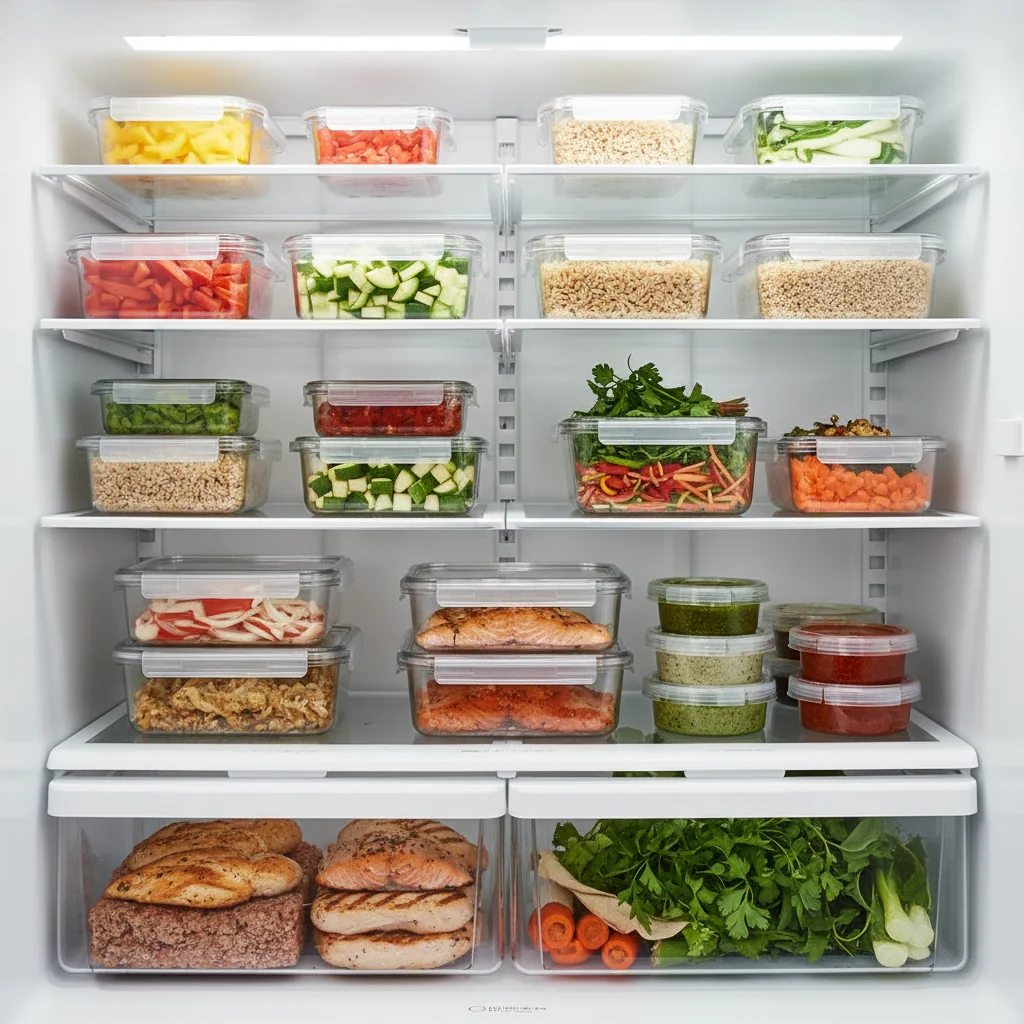
- Food Storage Containers: Essential for leftovers, prepped ingredients, and batch cooking. Glass containers are excellent for durability and ease of cleaning.
- Basic Kitchen Equipment: A good set of knives, cutting boards, pots, pans, and perhaps a slow cooker or instant pot can make meal prep much easier.
Cultivating the Right Mindset:
- Be Flexible: Life happens! Don’t view your meal plan as rigid. It’s a guide, not a dictator. Adjust as needed.
- Start Small: If 4 weeks feels overwhelming, begin with planning just 3-4 dinners a week and gradually increase.
- Embrace Leftovers: Leftovers are your friend! Plan for them for lunches or future dinners.
- Involve the Family: Get input from everyone on favorite meals or new things they’d like to try. This boosts buy-in.
- Celebrate Small Wins: Each successful week of meal planning is an achievement. Acknowledge your efforts!
The 4-Week Meal Planning Guide: Your Journey Begins
This meal planning guide provides a structured yet flexible framework. Each week builds on principles of efficiency, variety, and healthy eating. Remember to adapt these suggestions to your family’s preferences and dietary needs. We’ll focus on dinner, but many principles can be extended to breakfast and lunch.
Week 1: Foundation and Observation
The goal of Week 1 is to establish a baseline and observe your current habits. Don’t aim for perfection, just consistency.
Step 1: Inventory and Brainstorm (Day 1)
- Pantry/Fridge Inventory: What do you already have on hand? This saves money and prevents waste.
- Family Favorites: List 5-7 meals your family genuinely loves. These will be your comfort zone meals.
- New Ideas: Browse a few recipes you’ve been wanting to try. Pick one or two for the week.
Step 2: Create Your Week 1 Plan (Day 1)
- Draft Dinners: Slot in your favorite meals for busier nights and new recipes for nights with more cooking time. Consider theme nights (Meatless Monday, Taco Tuesday, etc.).
- Plan for Leftovers: Can one meal stretch into two? Or provide lunch the next day?
- Factor in Social Engagements: Eating out? Visiting friends? Mark these days.
Step 3: Build Your Grocery List (Day 1 or 2)
- Go through each planned meal, ingredient by ingredient.
- Check against your inventory.
- Add missing items to your organized grocery list.

Step 4: Shop and Prep (Day 2 or 3)
- Grocery Shopping: Stick to your list! Avoid impulse buys.
- Initial Prep: Dedicate 1-2 hours to ‘power prepping.’ Wash and chop vegetables, portion proteins, cook grains (quinoa, rice) that can be used in multiple meals.
Sample Week 1 Meal Plan:
- Monday: Sheet Pan Chicken & Veggies (easy cleanup)
- Tuesday: Black Bean Burgers with Sweet Potato Fries (vegetarian option)
- Wednesday: Pasta with Marinara & Meatballs (comfort food, make extra sauce)
- Thursday: Leftover Pasta
- Friday: Homemade Pizza Night (fun, customizable)
- Saturday: Slow Cooker Pulled Pork Sandwiches with Coleslaw
- Sunday: Family Roast Chicken with Roasted Root Vegetables
Week 2: Efficiency and Repetition
Now that you have a basic routine, Week 2 focuses on refining your process and introducing strategic repetition.
Step 1: Review and Adjust (Day 1)
- What worked well last week? What didn’t?
- Any recipes you loved and want to repeat? Any duds?
- Did you run out of time for prep? Adjust your prep schedule.
Step 2: Theme Nights & Batch Cooking (Day 1)
- Theme Nights: Solidify 2-3 theme nights that simplify decision-making (e.g., ‘Taco Tuesday,’ ‘Fish Friday’).
- Batch Cooking: Identify components that can be cooked in larger quantities and used in different meals. For example, cook a large batch of chicken breast to be used in tacos, salads, and pasta.
Step 3: Advanced Prep Strategies (Day 2 or 3)
- Marinades: Marinate meats or tofu the night before or on prep day.
- Dressings/Sauces: Make salad dressings or simple sauces ahead of time.
- Breakfast/Lunch Prep: Extend your planning to these meals. Overnight oats, pre-portioned salads, or hard-boiled eggs can save even more time.
Sample Week 2 Meal Plan:
- Monday: Lentil Soup (make a big batch) with Crusty Bread
- Tuesday: Sheet Pan Shrimp Fajitas (quick cook)
- Wednesday: Leftover Lentil Soup
- Thursday: Chicken & Vegetable Stir-Fry (using pre-cooked chicken from batch)
- Friday: Homemade Burgers with Roasted Potatoes
- Saturday: Salmon with Asparagus and Quinoa (pre-cooked quinoa)
- Sunday: Leftover Salmon/Burgers or simple Omelets
Week 3: Variety and Dietary Needs
With a solid routine in place, Week 3 is about expanding your culinary horizons and fine-tuning for specific dietary considerations. This is where your meal planning guide truly starts to shine as a personalized tool.
Step 1: Explore New Cuisines (Day 1)
- Challenge yourself to try 1-2 recipes from a different cuisine this week (e.g., Thai curry, Indian dahl, Mediterranean bowls).
- Look for recipes that use similar ingredients to what you already buy to minimize new grocery items.
Step 2: Incorporate Dietary Goals (Day 1)
- More Vegetables: Aim to add an extra serving of vegetables to each dinner.
- Meatless Meals: Increase your plant-based meals if that’s a goal.
- Balanced Macros: Ensure a good mix of protein, healthy fats, and complex carbohydrates in most meals.
Step 3: Utilize Your Freezer (Day 2 or 3)
- Freezer Meals: Identify meals that freeze well (soups, stews, casseroles, burritos). Double a recipe this week and freeze half for a future ’emergency’ meal.
- Pre-portioned Ingredients: Freeze chopped onions, peppers, or berries for smoothies.
Sample Week 3 Meal Plan:
- Monday: Chicken & Veggie Skewers with Couscous
- Tuesday: Vegetarian Chili (make extra for freezing)
- Wednesday: Fish Tacos with Cabbage Slaw
- Thursday: Leftover Chili or a quick Scrambled Eggs & Toast
- Friday: Homemade Chicken Curry with Rice (using pre-cooked chicken)
- Saturday: Salmon with Asparagus and Quinoa (pre-cooked quinoa)
- Sunday: Big Salad with Grilled Halloumi and a hearty dressing
Week 4: Optimization and Long-Term Strategy
By Week 4, you’re a meal planning pro! This week is about fine-tuning your system and creating a sustainable long-term approach. Your meal planning guide has now become a personalized toolkit.
Step 1: Create a Recipe Bank (Day 1)
- Categorize your successful recipes: ‘Quick & Easy,’ ‘Batch Cook,’ ‘Weekend Project,’ ‘Vegetarian,’ etc.
- Keep notes on what you liked/disliked about each recipe, and any modifications you made.
Step 2: Refine Your Shopping Routine (Day 1)
- Optimal Shopping Day: Have you found the best day for your grocery run?
- Favorite Stores: Do you need to visit multiple stores, or can you get everything at one?
- Online Ordering: Explore grocery delivery or pickup services to save even more time.
Step 3: Plan for Flexibility (Day 1)
- Always have 1-2 ‘back-up’ meals in your pantry or freezer for unexpected changes. Think pasta, canned soup, frozen pizza, or ingredients for a quick omelet.
- Designate one night a week as ‘flex night’ for leftovers, eating out, or a simple, no-cook meal.
Sample Week 4 Meal Plan:
- Monday: Turkey Meatloaf with Mashed Potatoes and Green Beans
- Tuesday: Sheet Pan Sausage and Peppers
- Wednesday: Quinoa Salad with Roasted Vegetables and Feta (use leftover roasted veggies)
- Thursday: Quick & Easy Tuna Melts with a side salad
- Friday: Homemade Sushi Bowls or Poke Bowls (fresh and customizable)
- Saturday: Family Pizza Night (a beloved repeat)
- Sunday: Leftovers or a ‘Clean Out the Fridge’ Frittata
Advanced Meal Planning Tips for 2026
Once you’ve mastered the basics of our meal planning guide, consider these advanced strategies to elevate your game:
1. Theme Your Weeks
Beyond theme nights, consider themed weeks. For instance, ‘Mediterranean Week,’ ‘Global Flavors Week,’ or ‘Comfort Food Week.’ This adds excitement and helps you explore specific culinary styles.
2. Master Ingredient Repurposing
Think about how one ingredient can be transformed. Cook a whole chicken and use it for roasted chicken dinner, then in sandwiches, then in a soup. This minimizes waste and maximizes efficiency.
3. Embrace Seasonality
Plan your meals around seasonal produce. It’s often fresher, more flavorful, and more affordable. Visit local farmer’s markets for inspiration.
4. Keep a ‘Master List’ of Recipes
Beyond your weekly plan, maintain a running list of your family’s favorite recipes, categorized by cooking time, main ingredient, or dietary preference. This makes future planning a breeze.
5. Don’t Forget Snacks and Breakfasts
While our meal planning guide focuses on dinner, extending your planning to other meals and snacks can further optimize your nutrition and time. Prep yogurt parfaits, chop fruit, or bake healthy muffins.
6. Utilize Technology
Explore meal planning apps (e.g., Paprika, Mealime, Plan to Eat) that can help you store recipes, generate grocery lists, and even adjust serving sizes. Many offer advanced features that can simplify your routine.
7. Learn from Your Successes and Failures
After each week, take a few minutes to reflect. What went well? What could be improved? Did you cook everything you planned? Why or why not? Continuous learning is key to making meal planning a truly effective habit.
Troubleshooting Common Meal Planning Challenges
Even with the best meal planning guide, you might encounter bumps along the road. Here’s how to navigate common challenges:
Challenge 1: Lack of Motivation
- Solution: Start small. Plan only 2-3 dinners. Reward yourself for sticking to the plan. Remember the ‘why’ – less stress, more savings.
- Solution: Involve others. Make meal planning a family activity.
Challenge 2: Running Out of Time for Prep
- Solution: Designate a specific ‘prep time’ block in your schedule. Even 30 minutes can make a huge difference.
- Solution: Choose simpler recipes for busy weeks. Utilize pre-cut vegetables or rotisserie chicken.
Challenge 3: Getting Bored with Meals
- Solution: Actively seek new recipes each week.
- Solution: Rotate through your ‘master list’ of favorites to ensure variety.
- Solution: Experiment with different spices and cooking methods for familiar ingredients.
Challenge 4: Unexpected Changes to the Plan
- Solution: Build in flexibility. Have a ‘flex night’ or a few ’emergency meals’ on hand.
- Solution: Don’t beat yourself up! Adjust and move on. The goal is progress, not perfection.
Challenge 5: Family Members Not Liking the Meals
- Solution: Involve them in the planning process. Let them pick a meal or two each week.
- Solution: Offer components of a meal separately (e.g., deconstructed tacos) so everyone can customize their plate.
- Solution: Gradually introduce new foods alongside familiar favorites.
Conclusion: Your Stress-Free 2026 Awaits!
Congratulations! You’ve just completed a comprehensive journey through our 4-week meal planning guide. By implementing these strategies, you’re not just planning meals; you’re planning for a calmer, more organized, and healthier 2026. This habit, once established, will pay dividends in time saved, money conserved, and the sheer joy of knowing that delicious, home-cooked meals are always within reach.
Remember, meal planning is a skill that improves with practice. Don’t be afraid to experiment, adapt, and personalize this guide to fit your unique lifestyle. Embrace the process, celebrate your successes, and look forward to a year of stress-free weeknight dinners. Happy planning!