Tech-Infused Textiles: 3 Smart Fabric Discoveries Revolutionizing Everyday Wear in 2026

The textile industry, traditionally rooted in centuries-old practices, is currently undergoing a profound metamorphosis. What was once solely about aesthetics, comfort, and protection is rapidly evolving into a dynamic fusion of fashion and cutting-edge engineering. We are standing at the precipice of a new era, one where our clothing will do far more than just cover us; it will monitor, adapt, communicate, and even generate energy. This isn’t science fiction; this is the reality of smart fabric technology, and its impact is set to revolutionize everyday wear in ways we can only begin to imagine.
For decades, the concept of ‘wearable technology’ was largely confined to clunky gadgets strapped onto our bodies. Think early smartwatches or fitness trackers that felt more like accessories than integral parts of our attire. However, the true revolution lies in integrating technology directly into the very fibers of our clothing – creating textiles that are inherently ‘smart.’ This seamless integration promises a future where functionality is invisible, comfort is paramount, and our garments become powerful extensions of ourselves, enhancing our health, safety, and daily experiences.
The pace of innovation in this field is breathtaking. Researchers and engineers worldwide are pushing the boundaries of material science, nanotechnology, and artificial intelligence to create fabrics with unprecedented capabilities. From self-cleaning materials to garments that can monitor vital signs, the possibilities are seemingly endless. But among the myriad of exciting developments, three particular discoveries in smart fabric technology stand out as truly revolutionary, poised to redefine our wardrobes and daily lives by 2026. These aren’t just incremental improvements; they represent fundamental shifts in how we interact with our clothing and the world around us.
This article delves deep into these three groundbreaking advancements, exploring their underlying science, potential applications, and the transformative impact they are expected to have. We will examine how these innovations are not only enhancing convenience and performance but also addressing critical global challenges like sustainability and health. Prepare to embark on a journey into the future of fashion, where every thread tells a story of innovation, and every garment is a testament to human ingenuity.
Advertisements
1. Energy-Harvesting Textiles: Powering Your Life, One Thread at a Time
Imagine a world where your jacket charges your phone as you walk, your shirt powers your fitness tracker, and your curtains generate electricity for your home. This is not a distant dream; it’s the imminent reality brought forth by energy-harvesting textiles, a cornerstone of advanced smart fabric technology. These revolutionary materials are designed to capture ambient energy from their surroundings – be it solar, kinetic, or thermal – and convert it into usable electrical power.
The science behind energy-harvesting textiles is multifaceted, drawing on principles of photovoltaics, triboelectricity, and thermoelectrics. Photovoltaic textiles, for instance, integrate miniature, flexible solar cells directly into the fabric weave. Unlike rigid, bulky solar panels, these textile-based versions are lightweight, conformable, and can be seamlessly incorporated into a wide range of garments and products without compromising aesthetics or comfort. Recent breakthroughs have focused on improving the efficiency and durability of these flexible solar cells, making them robust enough to withstand washing and everyday wear.
Kinetic energy harvesting is another incredibly promising avenue. As we move, our bodies generate kinetic energy. Triboelectric nanogenerators (TENGs) embedded in fabrics can convert this mechanical energy, generated from friction and movement, into electricity. Picture a shirt that charges your smart device simply by the motion of your arms as you walk or run. The potential applications for athletes, outdoor enthusiasts, and even everyday commuters are immense, offering a continuous, self-sustaining power source for their portable electronics.
Furthermore, thermoelectric materials integrated into fabrics can convert temperature differences – for example, between your body and the ambient air – into electrical energy. While still in earlier stages of development compared to solar and kinetic methods, thermoelectric textiles hold significant promise for niche applications where consistent temperature gradients exist. The synergy of these different harvesting methods within a single garment could create a truly self-sufficient power ecosystem.
The implications of energy-harvesting textiles extend far beyond personal electronics. Consider the humanitarian potential: clothing that can power medical sensors in remote areas, tents that provide off-grid lighting and communication, or even smart bandages that monitor and power themselves. In the realm of sustainable living, these fabrics offer a path towards reducing our reliance on traditional power grids and disposable batteries, contributing to a greener future. By 2026, we can expect to see early commercial applications of these textiles, perhaps in high-end outdoor gear or specialized professional uniforms, paving the way for broader adoption in everyday apparel. The integration of such robust smart fabric technology will fundamentally alter our relationship with power and portability, making our clothing an active participant in our energy needs.
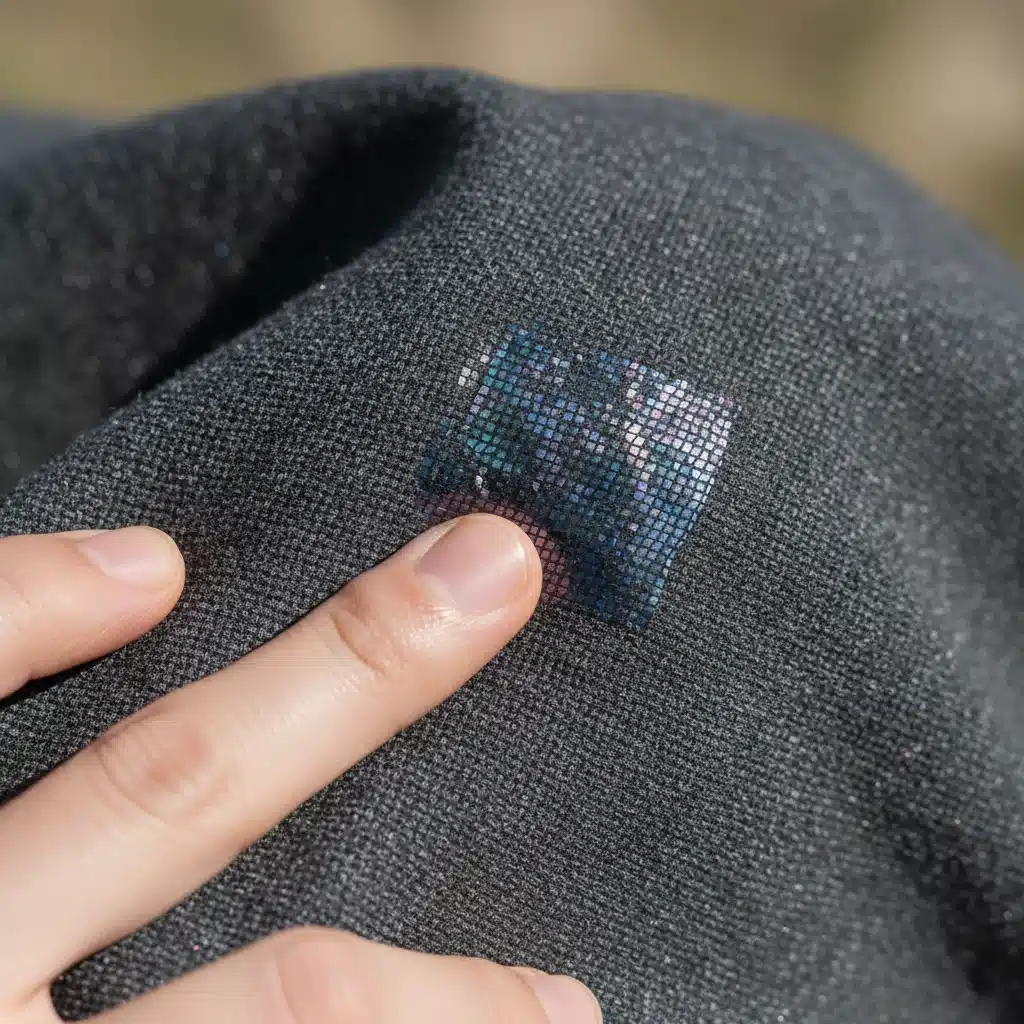
2. Adaptive Climate Control Fabrics: Your Personal Microclimate, Anywhere, Anytime
One of the most persistent challenges in clothing design is adapting to fluctuating environmental conditions. Whether it’s sudden changes in temperature, unexpected rain, or varying activity levels, traditional garments often leave us either too hot, too cold, or uncomfortably damp. Enter adaptive climate control fabrics, a revolutionary leap in smart fabric technology designed to autonomously regulate body temperature and moisture, creating a personalized microclimate for the wearer.
These intelligent textiles leverage a combination of advanced materials and responsive structures. One key innovation involves phase-change materials (PCMs) embedded within the fabric fibers. PCMs can absorb, store, and release latent heat as they transition between solid and liquid states. For example, when your body temperature rises, the PCM melts, absorbing excess heat and providing a cooling sensation. Conversely, when the temperature drops, the PCM solidifies, releasing stored heat to keep you warm. This dynamic thermal regulation ensures optimal comfort across a broader range of external conditions.
Another groundbreaking approach involves ‘smart’ membranes and coatings that can dynamically open and close pores in response to environmental cues. Imagine a fabric whose breathability increases automatically as you start to sweat, allowing moisture vapor to escape more rapidly, and then tightens its weave when the temperature drops, trapping warmth. These responsive structures often utilize electro-responsive polymers or humidity-sensitive fibers that change their conformation based on external stimuli, providing unparalleled control over moisture management and airflow.
Beyond temperature and moisture, some adaptive fabrics are being developed to offer protection against various environmental threats. This includes materials that can stiffen on impact to prevent injury, or fabrics with integrated sensors that detect harmful UV radiation, automatically adjusting their opacity or providing alerts to the wearer. The goal is to create a truly protective ‘second skin’ that intelligently responds to its surroundings.
The applications for adaptive climate control fabrics are vast and diverse. Athletes could benefit from garments that optimize performance by maintaining ideal body temperature, preventing overheating or chilling. Outdoor enthusiasts would find unprecedented comfort and safety in rapidly changing weather. For everyday wear, these fabrics promise an end to the discomfort of transitioning between indoor and outdoor environments, making commuting and daily activities far more pleasant. By 2026, we anticipate seeing these technologies integrated into high-performance sportswear, work uniforms for extreme conditions, and even everyday fashion, setting a new standard for comfort and functionality in clothing. This intelligent response to environmental factors solidifies its place as a pivotal advancement in smart fabric technology.
3. Bio-Integrated Health Monitoring Textiles: Your Wearable Wellness Companion
The intersection of healthcare and fashion is perhaps one of the most exciting frontiers of smart fabric technology. Bio-integrated health monitoring textiles are revolutionizing personal wellness by seamlessly embedding sophisticated sensors and diagnostic capabilities directly into our clothing. These garments move beyond simple step counting; they are becoming sophisticated, always-on health companions, providing continuous, non-invasive monitoring of vital physiological parameters.
The core innovation here lies in the development of highly conductive and flexible electronic components that can be woven, knitted, or printed onto fabric without compromising its natural drape, feel, or washability. These components include electrodes for electrocardiogram (ECG) monitoring, temperature sensors, respiration rate sensors, and even microfluidic channels for sweat analysis. The data collected by these embedded sensors can then be transmitted wirelessly to smartphones, smartwatches, or cloud-based platforms for analysis by individuals, caregivers, or healthcare professionals.
Consider the profound impact on preventive healthcare. A shirt capable of continuously monitoring heart rate variability, sleep patterns, and stress levels could provide early warnings of potential health issues, allowing for timely intervention. For individuals with chronic conditions such as cardiovascular disease or diabetes, these textiles offer a discreet and comfortable way to track key indicators, providing invaluable data for disease management and personalized treatment plans. The ability to monitor vital signs during exercise or daily activities offers athletes and fitness enthusiasts unprecedented insights into their performance and recovery.
Beyond basic physiological monitoring, advancements are being made in integrating more complex diagnostic capabilities. Researchers are developing smart bandages that can detect infection markers in wounds and even release medication automatically. Fabrics with embedded glucose sensors that can analyze sweat for blood sugar levels offer a less invasive alternative for diabetes management. The potential for these textiles to revolutionize remote patient monitoring, especially for the elderly or those in underserved areas, is immense, reducing the need for frequent clinic visits and improving quality of life.
The ethical considerations surrounding data privacy and security are paramount in this field, and significant efforts are being made to ensure robust protection for sensitive health information. However, the benefits of proactive, continuous health monitoring are undeniable. By 2026, we can anticipate the widespread adoption of bio-integrated health monitoring textiles, initially in specialized medical applications and high-performance sportswear, gradually expanding into everyday apparel. This sophisticated application of smart fabric technology promises to empower individuals with greater control over their health and well-being, transforming our clothing into a powerful tool for longevity and vitality.

The Broader Impact and Future Outlook of Smart Fabric Technology
The three revolutionary advancements discussed – energy-harvesting textiles, adaptive climate control fabrics, and bio-integrated health monitoring textiles – represent just a fraction of the incredible potential within smart fabric technology. Their individual impacts are significant, but their combined synergy promises a future where our clothing is not merely an inert covering but an active, intelligent, and indispensable part of our lives.
Beyond these specific innovations, the broader implications of smart fabrics are far-reaching. In the realm of sustainability, these technologies offer solutions to reduce waste and resource consumption. Self-cleaning fabrics, for instance, could significantly cut down on laundry cycles, conserving water and energy. Energy-harvesting textiles reduce reliance on disposable batteries and conventional power sources. The ability to precisely monitor health could lead to more personalized and effective treatments, reducing healthcare waste and improving patient outcomes.
Economically, the rise of smart fabric technology is creating entirely new industries and job markets, from material scientists and electrical engineers specializing in textiles to designers who can seamlessly integrate technology with aesthetics. This interdisciplinary field fosters collaboration between fashion houses, tech companies, and research institutions, driving rapid innovation and opening up unprecedented commercial opportunities.
However, the journey is not without its challenges. The scalability of manufacturing processes, ensuring durability and washability of integrated electronics, and addressing data privacy concerns are all critical hurdles that researchers and developers are actively working to overcome. The cost of these advanced materials and technologies will also need to decrease to facilitate widespread consumer adoption.
Looking ahead to 2026 and beyond, we can expect to see an accelerating trend towards the ‘internet of clothes,’ where our garments are interconnected, communicating with each other and with other smart devices in our environment. Imagine a future where your smart shirt detects rising stress levels and automatically signals your smart home system to adjust lighting and play calming music. Or a jacket that communicates with your smart car to pre-condition the cabin temperature based on your body’s thermal preferences.
The evolution of smart fabric technology will also likely lead to more personalized and customizable clothing experiences. With advancements in 3D printing and on-demand manufacturing, consumers could design garments tailored not only to their aesthetic preferences but also to their unique physiological needs and environmental conditions. This level of personalization will redefine luxury and utility in fashion.
Moreover, the integration of artificial intelligence will further enhance the capabilities of smart textiles. AI algorithms can analyze the vast amounts of data collected by health-monitoring garments, providing predictive insights and personalized recommendations for health, fitness, and well-being. AI could also enable adaptive fabrics to learn and anticipate individual preferences, making them even more responsive and intuitive.
In conclusion, the revolution in smart fabric technology is not just about adding gadgets to our clothes; it’s about fundamentally rethinking what clothing is and what it can do. By 2026, the three discoveries highlighted in this article will be at the forefront of transforming everyday wear, making our garments more intelligent, responsive, and seamlessly integrated into our digital lives. As these innovations mature, they promise a future where fashion is not just about looking good, but about living better, healthier, and more sustainably. The textile landscape is changing, and the threads of tomorrow are already being woven today, promising a future that is truly woven with intelligence.