Mastering End-of-Season Sales: Your Smart Shopping Checklist for 2026
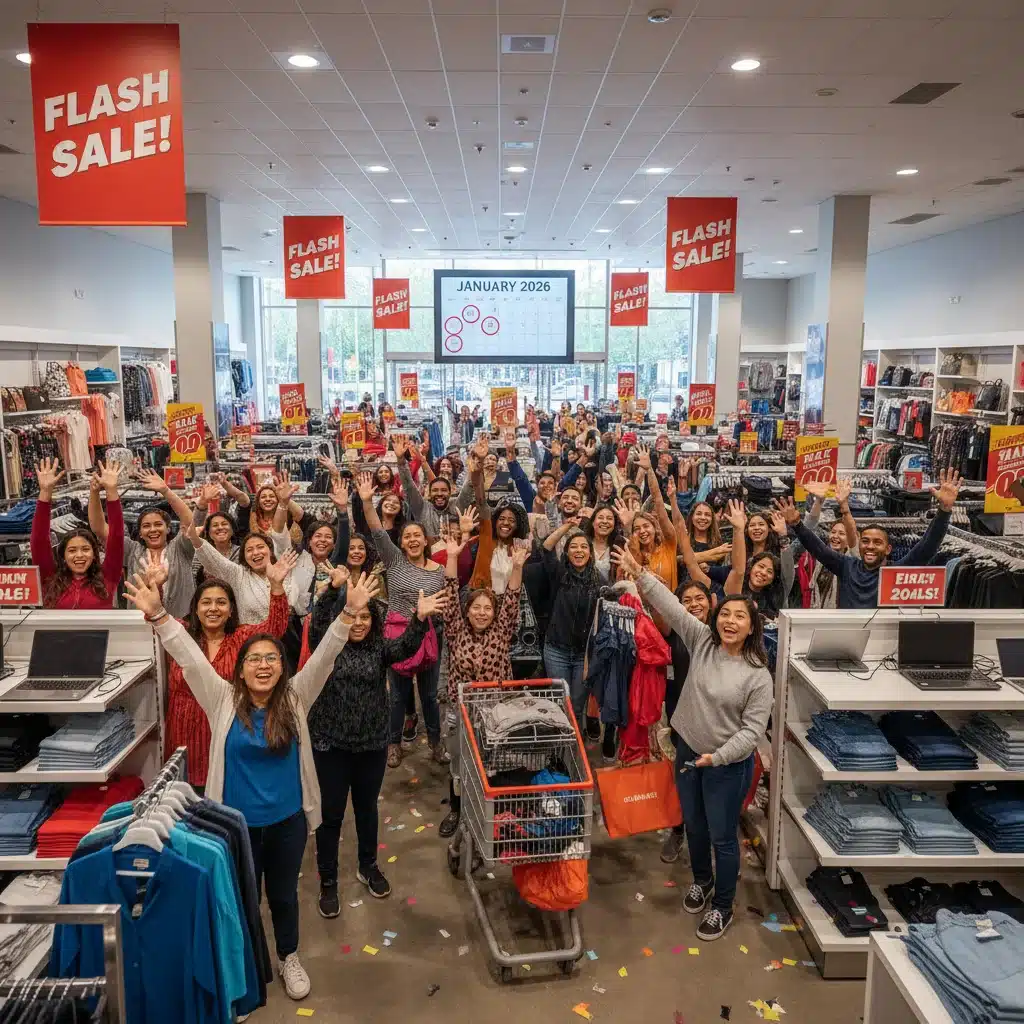
As the calendar flips to early 2026, a familiar and exciting retail phenomenon begins: the end-of-season sales. This period offers an unparalleled opportunity to snag incredible deals on everything from fashion to home goods, electronics, and more. However, without a strategic approach, these sales can quickly turn into a trap of impulse buys and buyer’s remorse. That’s why we’ve crafted the ultimate end-of-season sales checklist – your essential guide to smart, effective, and budget-friendly shopping.
Navigating the bustling aisles and overwhelming online portals of end-of-season sales requires more than just a keen eye for a bargain; it demands preparation, discipline, and a clear understanding of what you truly need versus what you merely want. This comprehensive checklist will empower you to maximize your savings, avoid common pitfalls, and emerge from the sales season with high-quality purchases that genuinely enhance your life, not just clutter your home.
Whether you’re looking to refresh your wardrobe, upgrade your home essentials, or get a head start on gifts, following this end-of-season sales checklist will transform your shopping experience. We’ll delve into everything from setting a budget and creating a wish list to understanding return policies and checking product quality. By the end of this guide, you’ll be well-equipped to tackle the early 2026 sales with confidence and intelligence, ensuring every purchase is a smart investment.
Understanding the Dynamics of End-of-Season Sales
Before diving into the checklist, it’s crucial to understand why end-of-season sales happen and what makes them unique. Retailers use these sales to clear out inventory from the previous season to make space for new arrivals. This necessity creates a win-win situation: stores can liquidate stock, and consumers can purchase items at significantly reduced prices. Early 2026, for example, will see retailers eager to offload winter collections to make way for spring and summer lines.
The discounts can be substantial, often ranging from 30% to 70% or even more. However, stock can be limited, especially in popular sizes or colors, and items might be final sale. Understanding these dynamics is the first step in mastering your end-of-season sales checklist.
Advertisements
Why Early 2026 is Prime for Deals
Early 2026 presents a fantastic opportunity for savvy shoppers. The post-holiday lull combined with the natural cycle of inventory turnover means retailers are highly motivated to move products. This period is particularly good for:
- Winter Apparel and Accessories: Think coats, sweaters, boots, scarves, and gloves. While the cold might still linger, purchasing these items now means you’re prepared for the next winter season at a fraction of the original cost.
- Holiday Decorations and Gift Sets: Although the holidays are over, many stores will still have lingering stock of festive items, often at rock-bottom prices.
- Home Goods and Linens: As people settle into the new year, retailers often push sales on home decor, bedding, and kitchenware to encourage refreshes.
- Electronics: New models are often announced in early spring, leading to discounts on previous generations of electronics.
Armed with this knowledge, let’s explore the strategic steps in our end-of-season sales checklist.
Your 7-Step End-of-Season Sales Checklist for Smart Shopping in Early 2026
Step 1: Set a Realistic Budget and Stick to It
The excitement of a sale can easily lead to overspending. Before you even think about browsing, establish a clear and firm budget. This isn’t just about a total amount; it’s also about allocating funds to specific categories if you have multiple shopping goals. For instance, you might decide to spend $100 on clothing, $50 on home decor, and $30 on gifts.
How to do it:
- Review your finances: Look at your income and expenses for the month to determine how much disposable income you genuinely have.
- Allocate funds: Decide how much you’re willing to spend in total and then break it down by item type or category.
- Use cash or a dedicated card: If you struggle with overspending, consider taking only cash for in-store shopping or using a prepaid card for online purchases.
- Track your spending: Keep a running tally as you shop to ensure you stay within your limits. Many banking apps offer real-time spending notifications.
A well-defined budget is the cornerstone of responsible shopping during any sale, and it’s the first crucial item on your end-of-season sales checklist.
Step 2: Create a Detailed Wish List (and Prioritize It)
Impulse purchases are the arch-nemesis of smart shopping. A detailed wish list acts as your shopping compass, guiding you towards items you genuinely need or have been wanting. Don’t just list vague categories; be specific about items, sizes, colors, and even brands if you have preferences.
How to do it:
- Inventory your current possessions: What do you truly need? What’s worn out? What’s missing from your wardrobe or home?
- Be specific: Instead of "new shirt," write "navy blue long-sleeve cotton shirt, size M."
- Prioritize: Rank your wish list items from "must-have" to "nice-to-have." This helps you make tough decisions if your budget is limited or if a desired item isn’t on sale.
- Consider future needs: End-of-season sales are perfect for buying items you’ll need next year. For example, winter coats in January or summer dresses in August.
Your wish list, especially when prioritized, will prevent aimless browsing and ensure your purchases are intentional and valuable. This step is vital for any effective end-of-season sales checklist.
Step 3: Research and Compare Prices Before You Buy
Just because an item is on sale doesn’t mean it’s the best deal. Retailers sometimes inflate original prices to make discounts seem more significant. Always do your due diligence before making a purchase.
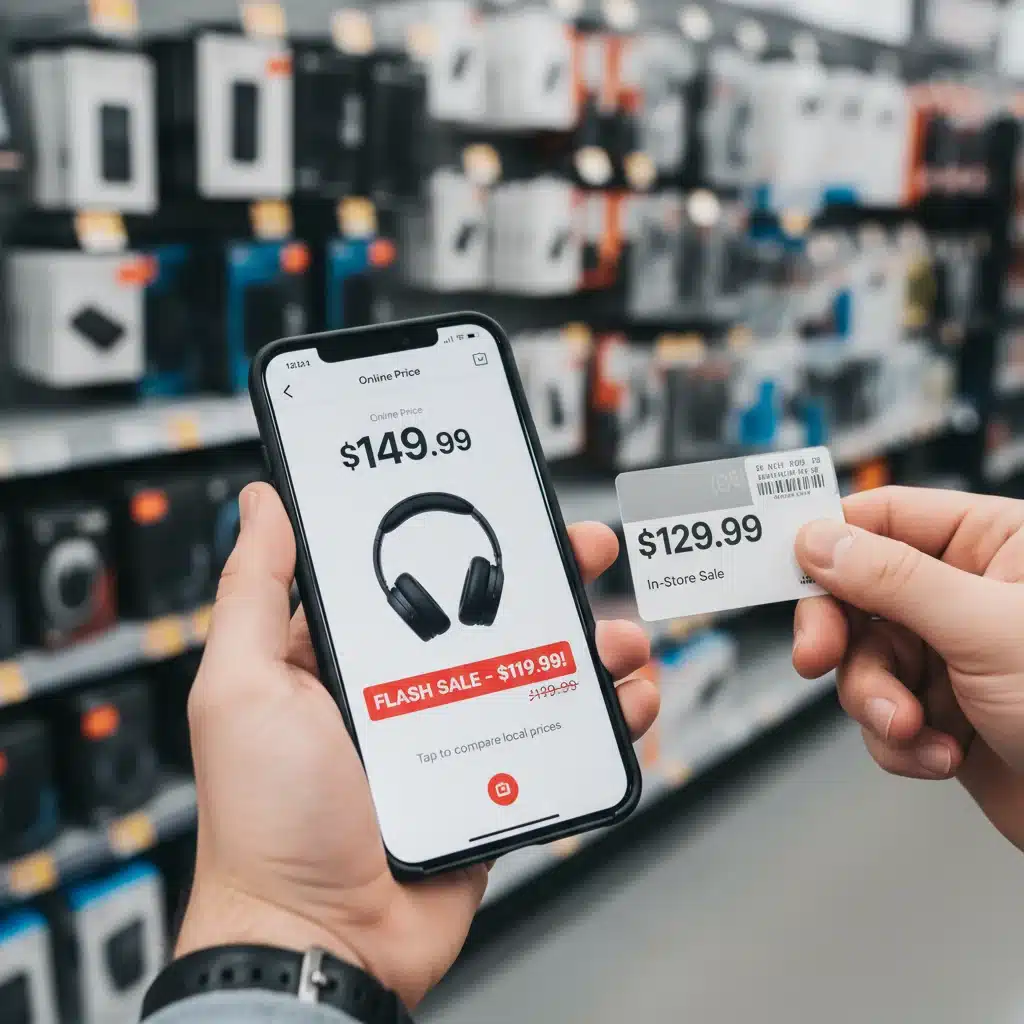
How to do it:
- Check price history: Use online tools or browser extensions that track price fluctuations to see if the "sale price" is genuinely a good deal or if the item has been cheaper previously.
- Compare across retailers: Don’t assume one store has the best price. Check competitors, both brick-and-mortar and online, for the same item.
- Read reviews: Before committing to a purchase, especially for higher-ticket items, read customer reviews to assess quality and performance.
- Factor in shipping costs: For online purchases, always add shipping fees to the total cost to get an accurate comparison.
This research step is a non-negotiable part of your end-of-season sales checklist, ensuring you get true value for your money.
Step 4: Inspect Quality and Check Return Policies Carefully
Sale items, especially those with steep discounts, sometimes have a catch. This could be minor defects, or a stricter return policy. Don’t let the allure of a low price blind you to potential issues.
How to do it:
- For in-store purchases: Thoroughly inspect items for rips, stains, missing buttons, or any other damage. Try on clothing to ensure fit and comfort.
- For online purchases: Read product descriptions meticulously. Pay attention to materials, dimensions, and any disclaimers about imperfections.
- Understand return policies: Many sale items are "final sale" or have a very limited return window. Know the store’s policy before you buy. Can you return for a refund, store credit, or exchange? Are there restocking fees?
- Keep receipts: Always keep your physical and digital receipts organized. They are essential for returns or exchanges.
Prioritizing quality and understanding return terms will save you from future headaches and is a critical component of your end-of-season sales checklist.
Step 5: Shop Strategically: Timing and Online vs. In-Store
When and where you shop can significantly impact your success. There’s an art to timing your purchases and choosing the right channel.
Timing:
- Early bird gets the worm: For popular items or specific sizes, shopping early in the sale (or even during pre-sale events for loyalty members) can give you the best selection.
- Patience pays off: If your desired items aren’t high-demand, waiting until the very end of the sale might yield even deeper discounts, though selection will be limited.
- Mid-week shopping: Stores are often less crowded on weekdays, allowing for a more relaxed shopping experience.
Online vs. In-Store:
- Online advantages: Wider selection, easy price comparison, no crowds, often exclusive online-only deals. Sign up for email newsletters to get early access or special codes.
- In-store advantages: Ability to physically inspect items, try on clothing, immediate gratification, avoiding shipping costs.
- Hybrid approach: Browse online to identify items, then visit the store to check quality and fit, or vice versa.
Strategic shopping is a key element of an effective end-of-season sales checklist.
Step 6: Think Long-Term and Beyond the Current Season
End-of-season sales are not just about immediate gratification; they’re an excellent opportunity to plan for the future. Buying items that transcend seasons or that you’ll need in the coming year is a smart move.
How to do it:
- Invest in classics: Timeless pieces like a well-made trench coat, a classic pair of jeans, or neutral-colored sweaters will always be in style.
- Seasonal staples for next year: If winter coats are heavily discounted in early 2026, consider buying one for next winter. The same applies to summer items at the end of summer.
- Gift closet: Stock up on versatile gifts for birthdays, holidays, or other occasions throughout the year.
- Home essentials: Items like quality towels, bedding, or kitchen gadgets don’t usually go out of style and can be great buys during sales.

This forward-thinking approach ensures your purchases are both timely and enduring, making it a valuable addition to your end-of-season sales checklist.
Step 7: Avoid Impulse Buys and Distractions
This is often the hardest step, but arguably the most important. Retailers are masters at creating an environment that encourages impulse purchases. Stay focused on your budget and wish list.
How to do it:
- Stick to your list: Refer back to your wish list frequently. If an item isn’t on it, seriously question if you truly need it.
- The "24-hour rule": For any item not on your list that catches your eye, give yourself 24 hours before buying. Often, the urge passes.
- Beware of "bundle deals" or "buy one, get one free": These can be great, but only if you genuinely need both items. Don’t buy something just because it’s part of a deal.
- Shop alone: Sometimes, well-meaning friends can encourage extra spending. If you’re easily swayed, consider shopping solo.
- Unsubscribe from excessive marketing emails: During sale season, your inbox can be flooded. Unsubscribe from stores you don’t genuinely plan to shop at to reduce temptation.
Mastering impulse control is the final, crucial element of your end-of-season sales checklist, ensuring your shopping remains smart and satisfying.
Beyond the Checklist: Maximizing Your Savings
While our 7-step end-of-season sales checklist provides a robust framework, there are additional strategies you can employ to further enhance your savings and shopping experience in early 2026.
Sign Up for Loyalty Programs and Email Lists
Many retailers offer exclusive early access to sales, additional discounts, or special coupons to their loyalty program members or email subscribers. Signing up a few weeks before the sales begin can give you a significant advantage, allowing you to snag the best items before they’re gone.
Utilize Cash-Back Apps and Credit Card Rewards
Don’t forget to leverage financial tools that offer rewards. Cash-back apps and websites can give you a percentage back on your purchases, while using a credit card with a good rewards program can accumulate points or miles that translate into future savings or benefits. Just ensure you pay off your credit card balance to avoid interest charges that would negate any savings.
Shop Off-Peak Hours
If you’re shopping in brick-and-mortar stores, try to go during off-peak hours, typically early mornings on weekdays. This allows for a less stressful experience, more attentive customer service, and easier access to fitting rooms, making it easier to thoroughly inspect items as per your end-of-season sales checklist.
Consider Second-Hand and Outlet Stores
While not strictly "end-of-season sales" in the traditional sense, early 2026 is also a great time to visit outlet malls or high-end consignment shops. Many of these stores receive new inventory or offer additional discounts around the same time as mainstream retailers clear their stock. You might find designer items at an even steeper discount.
Be Mindful of "Fast Fashion" Traps
While deeply discounted items from fast fashion brands might seem appealing, consider the longevity and ethical implications. Focus on durable, well-made pieces that will last, aligning with the "quality over quantity" principle embedded in your end-of-season sales checklist. Investing in fewer, higher-quality items often proves more economical and sustainable in the long run.
Don’t Be Afraid to Walk Away
Sometimes, despite all your planning and research, the deal just isn’t there, or the item isn’t quite right. Don’t feel pressured to buy something just because it’s on sale. Walking away from a mediocre deal is often the smartest financial decision you can make. Patience and discipline are your best allies.
Common Pitfalls to Avoid During End-of-Season Sales
Even with the best intentions and a solid end-of-season sales checklist, it’s easy to fall into common traps. Being aware of these can help you sidestep them.
- Buying the wrong size: "It’s so cheap, I’ll make it work!" – a common refrain that leads to unworn clothes. Stick to your size.
- Ignoring care instructions: A beautiful silk blouse might be a steal, but if it requires dry cleaning and you prefer machine washables, it might become a costly burden.
- Forgetting about storage: Where will you put these new items? Especially for larger purchases like furniture or seasonal decor, ensure you have adequate storage space.
- Getting caught up in the hype: The urgency created by sales ("limited time!", "only X left!") can be overwhelming. Take a breath and refer to your checklist.
- Not checking for defects: As mentioned, sale items can sometimes have minor flaws. Always inspect thoroughly.
The Environmental Impact of Smart Shopping
Adhering to an end-of-season sales checklist isn’t just good for your wallet; it’s also better for the planet. By making intentional, well-researched purchases of items you truly need and will use, you contribute to reducing waste and the environmental footprint of consumption. Avoiding impulse buys and focusing on quality over quantity means fewer items ending up in landfills and a more sustainable approach to shopping. When you buy a classic, durable piece on sale, you’re investing in longevity and reducing the demand for new production cycles.
Conclusion: Shop Smarter, Not Harder, in Early 2026
End-of-season sales in early 2026 offer an incredible opportunity to revitalize your wardrobe, refresh your home, and stock up on essentials without breaking the bank. However, the key to success lies in a disciplined and strategic approach. By diligently following this 7-step end-of-season sales checklist – from setting a budget and creating a detailed wish list to researching prices, checking quality, and avoiding impulse buys – you’ll transform your shopping experience.
Remember, the goal isn’t just to buy discounted items, but to make smart investments that serve your needs and bring lasting value. Armed with this comprehensive guide, you are now ready to confidently navigate the sales, secure the best deals, and enjoy the satisfaction of intelligent shopping. Happy hunting, and may your early 2026 sales be filled with savvy finds and significant savings!