
Avoiding Impulse Buys: A 4-Step Practical Solution to Save You 30% Annually on Unplanned Fashion Purchases
In a world brimming with fast fashion, enticing sales, and the ‘buy now, pay later’ culture, resisting the urge to make impulse purchases has become a Herculean task. We’ve all been there: scrolling through social media, a perfectly styled outfit catches our eye, and before we know it, it’s in our cart, and then at our doorstep. While a new item can bring a temporary thrill, the cumulative effect of these unplanned purchases can significantly dent our wallets, leaving us with buyer’s remorse and a closet full of clothes we barely wear. The good news? You can take control. This comprehensive guide will introduce you to a practical 4-step solution designed to help you effectively avoid impulse buys, particularly in the realm of fashion, and potentially save up to 30% of your annual spending on these unplanned splurges.
Imagine what you could do with an extra 30% of your fashion budget! That’s a vacation, a significant investment, or simply a much-needed financial cushion. By understanding the psychology behind impulse buying and implementing strategic countermeasures, you can transform your spending habits from reactive to intentional. This isn’t about depriving yourself; it’s about empowering yourself to make smarter choices that align with your financial goals and personal style.
Understanding the Impulse: Why We Struggle to Avoid Impulse Buys
Before we dive into the solution, it’s crucial to understand the ‘why’ behind our tendency to avoid impulse buys. Impulse buying is often driven by a complex interplay of psychological, emotional, and environmental factors. Recognizing these triggers is the first step towards developing effective strategies to counteract them.
Advertisements
The Psychology of Instant Gratification
Our brains are hardwired for instant gratification. The act of purchasing, especially something new and exciting, releases dopamine, a neurotransmitter associated with pleasure and reward. This immediate ‘high’ can override our rational decision-making processes, making it difficult to resist the allure of a quick purchase. Retailers are masters at exploiting this, creating environments and marketing campaigns designed to trigger these dopamine hits.
Emotional Triggers and Retail Therapy
Many of us turn to shopping as a coping mechanism for stress, boredom, sadness, or even celebration. This phenomenon, often termed ‘retail therapy,’ provides a temporary escape or mood boost. While occasional treats are harmless, relying on shopping to regulate emotions can lead to a cycle of impulse buying, debt, and regret. Learning to identify these emotional triggers is vital if you want to avoid impulse buys effectively.
Fear of Missing Out (FOMO) and Scarcity Tactics
Limited-time offers, flash sales, and phrases like ‘only a few left!’ or ‘sale ends soon!’ are powerful scarcity tactics designed to create a sense of urgency and FOMO. The fear of missing out on a ‘good deal’ or a popular item can pressure us into making quick decisions without proper consideration. Social media further amplifies FOMO, as we constantly see what others are buying and wearing, fueling the desire to keep up.
Accessibility and Convenience
The rise of e-commerce, one-click purchasing, and mobile shopping has made buying easier than ever. Items are just a tap away, removing the physical barriers that once provided a natural pause before purchase. This unparalleled convenience, while beneficial in many ways, also makes it incredibly challenging to avoid impulse buys.
Social Influence and Advertising
Influencers, celebrities, and even our friends and family can significantly sway our purchasing decisions. Seeing others with desirable items can create a strong desire to acquire them ourselves. Coupled with sophisticated advertising that targets our specific interests and vulnerabilities, it’s easy to fall prey to the idea that we ‘need’ something we never knew existed.
By understanding these underlying mechanisms, we can approach the problem of impulse buying with a more informed and strategic mindset. It’s not about willpower alone; it’s about building a system that supports intentional spending.
The 4-Step Practical Solution to Avoid Impulse Buys
Now, let’s delve into the actionable steps you can take to curb those unplanned fashion purchases and start saving. This isn’t a magic bullet, but a consistent application of these steps will significantly improve your financial health and wardrobe management.
Step 1: Implement the 72-Hour Rule (The Delay Tactic)
The most powerful weapon against impulse buying is time. The 72-hour rule is simple yet incredibly effective: when you feel the urge to buy a non-essential fashion item, wait 72 hours before making the purchase. This delay serves several critical purposes:
- Emotional Detachment: The initial excitement and dopamine rush associated with seeing an item often fade within a few days. This allows your rational brain to catch up with your emotional brain.
- Needs Assessment: During the waiting period, ask yourself: ‘Do I truly need this item? Does it fit into my existing wardrobe? Do I already own something similar? Will I still want this in a week, a month, a year?’
- Budget Check: Use this time to genuinely assess if the purchase aligns with your budget. Where will the money come from? Will it impact other financial goals?
- Research and Alternatives: The delay provides an opportunity to research the item further, compare prices, check reviews, and even consider if a more sustainable or affordable alternative exists.
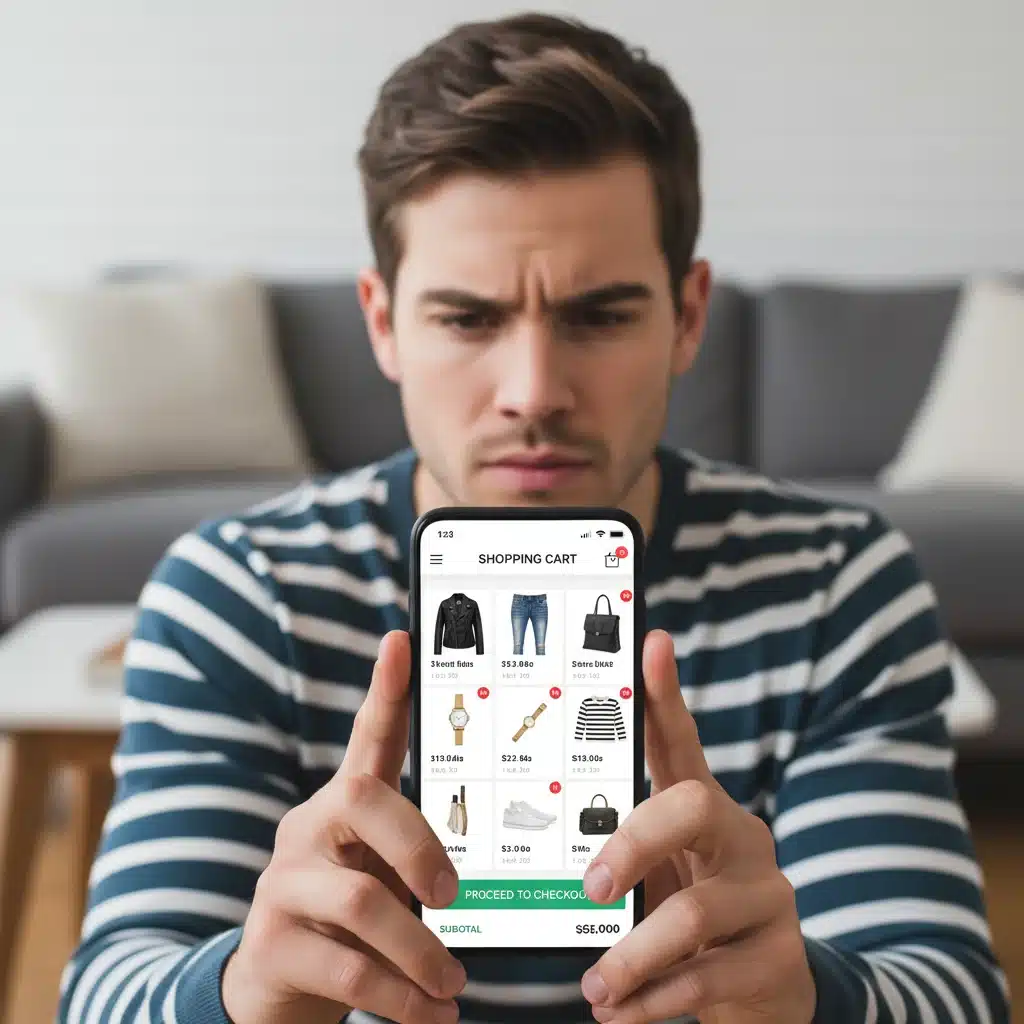
How to implement: Add the item to your online cart, or take a photo of it in a physical store. Then, walk away. Set a reminder on your phone for 72 hours later. If, after three days, you still genuinely want and can afford the item, then proceed. You’ll be surprised how often the desire wanes.
Step 2: Create a ‘Wants vs. Needs’ Wardrobe Inventory (The Clarity Tactic)
A significant reason for impulse fashion buys is a lack of clarity about what we already own and what our wardrobe genuinely needs. Creating a detailed inventory can illuminate gaps and prevent redundant purchases.
- Audit Your Current Wardrobe: Go through every single item of clothing, shoes, and accessories you own. Be honest: when was the last time you wore it? Does it fit? Does it make you feel good?
- Categorize and Declutter: Separate items into ‘Keep,’ ‘Donate/Sell,’ and ‘Repair/Alter.’ This decluttering process is therapeutic and provides a clear view of your actual usable wardrobe.
- Identify Gaps (Needs): Based on your lifestyle, climate, and personal style, identify specific items that would genuinely enhance your wardrobe and fill functional gaps. For example, ‘a versatile black blazer,’ ‘comfortable everyday walking shoes,’ or ‘a warm winter coat.’ These are your ‘needs.’
- List Your ‘Wants’: Create a separate list for items you ‘want’ but don’t necessarily ‘need.’ These might be trendy pieces, luxury items, or duplicates of what you already own.
How to implement: Use a spreadsheet or a dedicated app to track your inventory. Refer to your ‘Needs’ list whenever you consider a new purchase. If an item isn’t on your ‘Needs’ list, it automatically falls into the ‘Want’ category, triggering a stricter evaluation, perhaps even the 72-hour rule from Step 1. This tactic helps you to consciously avoid impulse buys by providing a framework of what is truly essential.
Step 3: Establish a Dedicated Fashion Budget and Tracking System (The Control Tactic)
Without a clear budget, it’s easy for impulse purchases to chip away at your financial goals. A dedicated fashion budget provides boundaries and accountability.
- Determine Your Fashion Allowance: Based on your income and overall financial goals, decide on a realistic monthly or quarterly budget for fashion. Be honest about what you can comfortably afford without compromising other necessities or savings.
- Track Every Purchase: This is non-negotiable. Whether you use a budgeting app (like Mint, YNAB, or your bank’s app), a spreadsheet, or a simple notebook, meticulously record every fashion-related expense.
- Review Regularly: At the end of each month, review your spending. Where did your money go? Did you stick to your budget? Were there any impulse buys that could have been avoided? This review process is crucial for learning and adjusting your habits.
- Allocate for ‘Wants’: If you have items on your ‘Wants’ list (from Step 2) that you truly desire, create a separate savings goal for them within your budget. This turns an impulse into a planned, saved-for purchase, making it more meaningful and less financially disruptive.
How to implement: Set up automatic transfers to a ‘Fashion Savings’ account if you’re saving for larger items. The act of manually tracking purchases makes you more aware of your spending patterns and acts as a deterrent against making frivolous purchases, significantly helping you to avoid impulse buys.
Step 4: Cultivate Mindful Shopping Habits and Alternative Rewards (The Mindset Tactic)
Ultimately, to truly avoid impulse buys, you need to shift your mindset and develop new habits that prioritize conscious consumption over instant gratification.
- Unsubscribe and Unfollow: Reduce your exposure to marketing triggers. Unsubscribe from retail newsletters and unfollow social media accounts that constantly promote new products and fuel your desire to spend.
- Shop with a Purpose: Always go shopping (online or in-store) with a specific list derived from your ‘Needs’ inventory. Avoid browsing aimlessly, as this is a prime breeding ground for impulse purchases.
- Question the ‘Why’: Before any purchase, pause and ask yourself: ‘Why do I want this? Is it because I genuinely need it, or am I feeling bored, stressed, or influenced by external factors?’ Understanding your motives empowers you to make a different choice.
- Find Alternative Rewards: If you often use shopping as a mood booster, find healthier, non-financial alternatives. Engage in hobbies, spend time with loved ones, exercise, read a book, or learn a new skill. These activities provide lasting satisfaction without the financial cost.
- Practice Delayed Gratification: Actively embrace the feeling of waiting for something you desire. The anticipation can often be more satisfying than the immediate purchase, and it strengthens your ability to resist impulsive urges.
- Embrace Sustainable Fashion: Shift your focus from quantity to quality. Investing in fewer, well-made, sustainable pieces can reduce the constant urge to buy new things and aligns with a more mindful consumption philosophy.
How to implement: Dedicate specific ‘no-spend’ days or weeks to challenge yourself. When you feel the urge to shop, immediately engage in one of your alternative reward activities. The goal is to rewire your brain’s association of pleasure with spending.
The Cumulative Impact: Saving 30% Annually
You might be thinking, ‘Can I really save 30%?’ The answer is a resounding yes, especially if impulse buys currently make up a significant portion of your discretionary spending. Let’s consider a hypothetical scenario:
- Average Monthly Fashion Spending: $200
- Estimated Impulse Buy Percentage: 40% (a common figure for many consumers)
- Monthly Impulse Spending: $80 ($200 * 0.40)
- Annual Impulse Spending: $960 ($80 * 12)
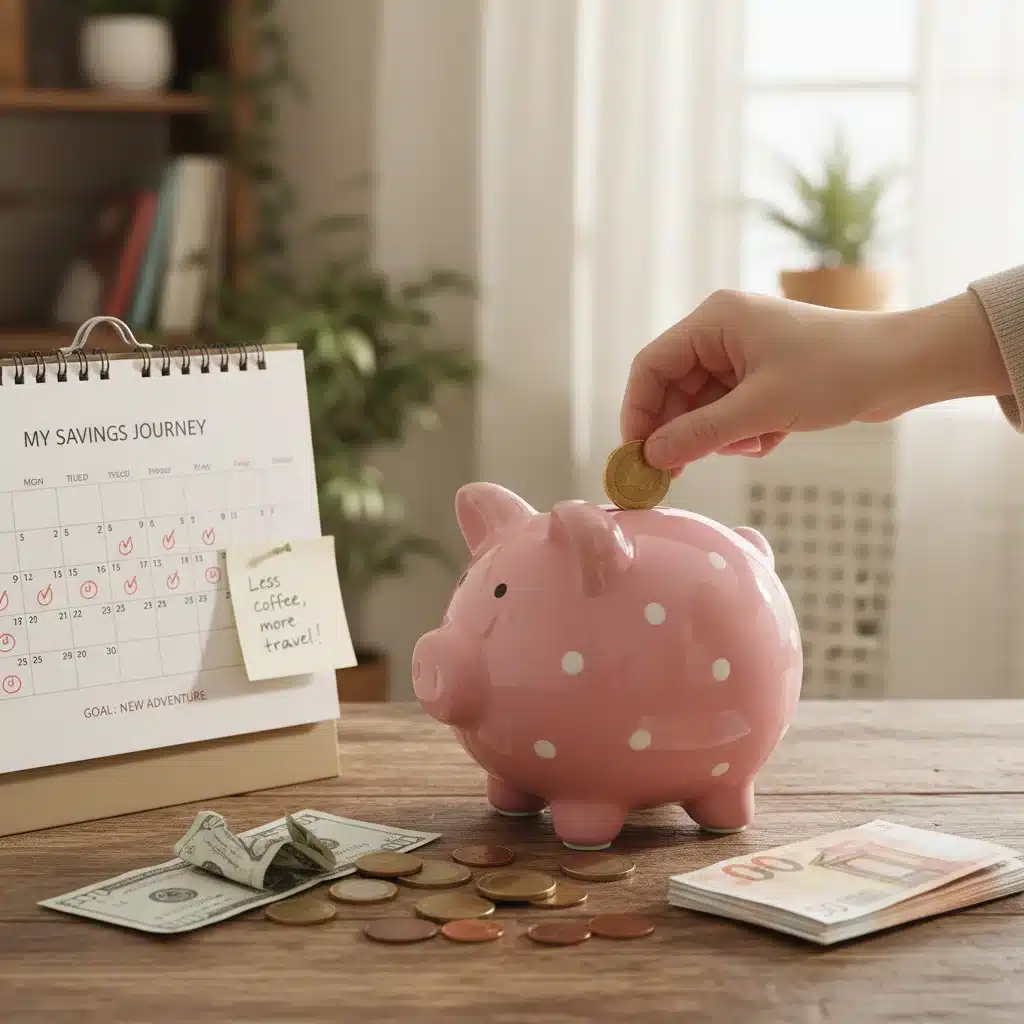
By effectively implementing these 4 steps to avoid impulse buys, even if you only reduce your impulse spending by 75%, you’d save $720 annually. If your initial impulse spending was higher, or you manage to eliminate most of it, the savings can easily reach or exceed 30% of your total fashion budget.
This saved money can then be redirected towards:
- Debt Repayment: Accelerate paying off high-interest credit card debt.
- Emergency Fund: Build a stronger financial safety net.
- Investments: Grow your wealth over time.
- Experiences: Fund a memorable trip or a new hobby.
- Quality Purchases: Save up for a truly high-quality, ethically produced fashion item that will last for years, rather than many cheap, throwaway pieces.
The financial benefits are just one part of the equation. Reducing impulse buys also leads to a more organized wardrobe, less decision fatigue, and a greater sense of control and peace of mind regarding your finances. You’ll develop a more intentional relationship with your possessions, valuing quality and longevity over fleeting trends.
Beyond Fashion: Applying the 4 Steps to Other Categories
While this guide focuses on fashion, the 4-step solution to avoid impulse buys is highly versatile and can be applied to almost any spending category:
- Electronics: Tempted by the latest gadget? Apply the 72-hour rule.
- Home Goods: Before buying that decorative item, check if it truly fits your home’s aesthetic and if you have a place for it (Clarity Tactic).
- Groceries: Shop with a list and avoid browsing aisles where you know you’re prone to impulse snacks (Mindful Shopping).
- Subscriptions: Regularly review your subscriptions to ensure you’re using them and they align with your budget (Budget and Tracking).
The core principles remain the same: delay gratification, gain clarity on your true needs, set financial boundaries, and cultivate mindful consumption habits. By extending these practices, you can achieve comprehensive financial control across all areas of your life.
Common Challenges and How to Overcome Them
Implementing new habits is rarely without its challenges. Here are some common hurdles you might face when trying to avoid impulse buys and how to overcome them:
Challenge 1: The ‘But It’s On Sale!’ Trap
Solution: Remember that a sale is only a good deal if you were going to buy the item anyway and it fulfills a genuine need. If it’s an impulse purchase driven solely by the discount, you’re not saving money; you’re spending money you wouldn’t have otherwise. Apply the 72-hour rule even more rigorously to sale items. Often, the ‘deal’ isn’t as good as it seems, or a similar item will be on sale again in the future.
Challenge 2: Peer Pressure and Social Media Influence
Solution: Curate your social media feed. Unfollow accounts that trigger excessive spending. Remember that people often only showcase their ‘best’ and newest acquisitions online, not their financial struggles or buyer’s remorse. Cultivate a strong sense of personal style that isn’t dictated by fleeting trends or what others are wearing. Your financial well-being is more important than keeping up with appearances.
Challenge 3: Emotional Shopping Relapses
Solution: This is where the ‘Alternative Rewards’ tactic becomes crucial. When you feel a negative emotion or boredom creeping in, consciously choose a non-shopping activity. Keep a list of these alternatives handy. If you do slip up, don’t beat yourself up. Acknowledge it, learn from it, and recommit to your plan. Progress, not perfection, is the goal.
Challenge 4: Overwhelm and Giving Up
Solution: Start small. You don’t have to implement all four steps perfectly from day one. Begin with the 72-hour rule. Once that feels comfortable, add the wardrobe inventory, and so on. Celebrate small victories. Every avoided impulse buy is a win. Consistency over intensity is key to lasting change.
Conclusion: Reclaim Your Wardrobe and Wallet by Learning to Avoid Impulse Buys
Learning to avoid impulse buys is more than just a money-saving strategy; it’s a journey towards greater financial literacy, mindfulness, and personal empowerment. By systematically applying the 4-step solution – the 72-hour rule, a ‘Wants vs. Needs’ inventory, a dedicated budget, and mindful shopping habits – you can significantly reduce unplanned fashion purchases and redirect those savings towards more meaningful goals.
Imagine the freedom of a well-curated wardrobe filled with pieces you love and actually wear, free from the clutter of impulse buys. Envision the peace of mind that comes from knowing your finances are under control, growing steadily towards your aspirations. This isn’t just about saving 30% annually; it’s about investing in a more conscious, financially secure, and fulfilling lifestyle.
Start today. Pick one step, implement it, and watch as your relationship with shopping transforms. Your wallet, your wardrobe, and your peace of mind will thank you.