The Insider’s Guide to Predicting Fashion Markdowns 3 Months in Advance for Savvy Shoppers
Are you tired of buying that must-have item only to see it go on sale a few weeks later? Imagine if you could consistently anticipate when your favorite fashion pieces would be significantly reduced. For the savvy shopper, understanding how to predict fashion markdowns isn’t just a dream; it’s a learnable skill that can save you hundreds, if not thousands, of dollars each year. This comprehensive guide will equip you with the knowledge and strategies to forecast fashion sales up to three months in advance, transforming you into a true markdown master.
In the competitive world of retail, timing is everything. Retailers meticulously plan their inventory, pricing strategies, and promotional calendars. By deciphering these patterns, you can position yourself to snatch up incredible deals before the general public even knows they exist. This isn’t about guesswork; it’s about informed decision-making based on industry insights, seasonal cycles, and a keen eye for detail. We’ll delve deep into the mechanics of fashion retail, revealing the triggers that lead to those coveted price drops.
Why Predicting Fashion Markdowns Matters
Beyond the obvious financial savings, being able to predict fashion markdowns offers several key advantages. Firstly, it allows for strategic budgeting. Instead of impulse buys, you can plan your purchases around anticipated sales, ensuring you get more for your money. Secondly, it reduces buyer’s remorse. Knowing you got an item at its lowest price point brings a certain satisfaction and confidence to your wardrobe choices. Thirdly, it grants you access to higher-quality items that might otherwise be out of your budget. Imagine acquiring designer pieces or premium fabrics at a fraction of their original cost simply by knowing when to strike.
Moreover, in today’s fast-paced fashion cycle, new collections arrive almost monthly. This constant influx necessitates clearing out older inventory, creating predictable markdown opportunities. Understanding this rhythm is crucial for anyone looking to maximize their fashion budget and build a stylish, high-quality wardrobe without breaking the bank. Let’s embark on this journey to decode the retail calendar and become a master of the fashion markdown.
Advertisements
Understanding the Fashion Retail Calendar: The Foundation of Prediction
The cornerstone of learning to predict fashion markdowns lies in understanding the cyclical nature of the fashion retail calendar. Unlike other industries, fashion operates on distinct seasons: Spring/Summer (SS) and Autumn/Winter (AW). Each season has a predictable lifecycle, from initial launch to eventual clearance.
The Seasonal Cycle Explained:
- New Arrivals (Early Season): Typically, Spring/Summer collections begin arriving in stores as early as January/February, with the bulk in March. Autumn/Winter collections start appearing in July/August, with September being a major launch month. During this period, prices are at their highest, and discounts are rare.
- Mid-Season Refresh (Peak Season): Around April/May for SS and October/November for AW, retailers might introduce smaller capsule collections or new colorways to keep interest high. Prices generally remain full, but loyalty programs or limited-time promotions might appear.
- First Markdowns (Transition Period): This is where the magic begins. As the peak of the current season starts to wane and retailers prepare for the next wave of inventory, initial markdowns occur. For SS, this is often late May to mid-June. For AW, it’s late November to mid-December. These are usually 20-30% off.
- Deep Markdowns/Clearance (End of Season): To make way for entirely new collections, significant price drops happen. For SS, this is typically July/August. For AW, it’s January/February. Discounts can range from 50-70% or even more. This is prime time for bargain hunting if you can wait.
By internalizing this basic calendar, you can already start to see patterns. If you want a summer dress, expecting a deep discount in March is unrealistic. But targeting July? That’s a smart move. This foundational knowledge is key to knowing when to expect retailers to predict fashion markdowns.
Key Periods and Their Predictable Markdowns
While the seasonal cycle provides a broad framework, specific times of the year are universally known for significant sales events. Aligning your shopping strategy with these periods will dramatically increase your chances of scoring a deal.
Major Sale Events to Watch For:
- Post-Holiday Sales:
- After Christmas/New Year (January): This is arguably the biggest markdown period globally. Retailers need to clear out holiday inventory and make space for new spring collections. Expect deep discounts on winter wear, party attire, and gift items.
- After Easter (April): While not as dramatic as January, you’ll often find markdowns on spring-themed items, pastels, and some transitional clothing as retailers prepare for true summer stock.
- Mid-Season Sales:
- Memorial Day (Late May): The unofficial start of summer often brings sales on lighter apparel, swimwear, and accessories. It’s a good time for initial markdowns on SS collections.
- Fourth of July (Early July): Another prime time for summer clearances. Expect significant reductions on remaining SS stock as retailers look to bring in AW collections soon.
- Labor Day (Early September): Marks the end of summer. Look for final deep discounts on summer clothing, and sometimes early promotions on transitional fall items.
- Black Friday/Cyber Monday (Late November): While often associated with electronics, fashion retailers participate heavily. These sales are unique because they often include new arrivals or popular items that rarely go on sale, though the discounts might not be as deep as end-of-season clearance. It’s a strategic time to buy items you need for the upcoming winter.
Understanding these predictable windows allows you to refine your ability to predict fashion markdowns. If you’re eyeing a winter coat, January is your best bet. If it’s a swimsuit, target July.

Retailer-Specific Strategies and How to Decode Them
Beyond the general calendar, individual retailers have their own markdown rhythms. Learning to identify these can give you an even sharper edge in your quest to predict fashion markdowns.
1. The "Magic Number" or "Magic Day":
Many large retailers have specific days of the week or dates each month when they process markdowns. For example, some stores might do their first markdown on a Tuesday and subsequent markdowns on Thursdays. Others might have a specific date, like the 15th of every month, for price adjustments. How do you find this out? Observation and asking (politely!).
- Observe: Pay attention to when new sale tags appear. If you frequent a store, you’ll start to notice a pattern.
- Ask: Casually inquire with sales associates. "When do you typically get new markdowns in?" or "Do you have a specific day for price adjustments?" You’d be surprised how often they’ll share this information.
2. Inventory Management and Overstock:
Retailers markdown items for one primary reason: to clear inventory. If a particular style isn’t selling well, or if a store has an excess of a certain item, it’s a prime candidate for a markdown. Keep an eye out for:
- Abundant Stock: If you see many units of the same item on the racks, especially towards the end of a season, it’s likely to be marked down soon.
- Discontinued Lines: Sometimes, a brand will discontinue a specific line or collaboration. These items are often heavily discounted to clear them out quickly.
3. Brand-Specific Markdown Cycles:
High-end designer brands often have a slightly different markdown schedule than fast-fashion retailers. Luxury brands tend to have two major sale periods: one around June/July for Spring/Summer collections and another around December/January for Autumn/Winter. These sales are often less frequent but offer deeper discounts on premium items. Knowing when your favorite luxury brands typically hold their sales is a powerful tool to predict fashion markdowns.
4. Online vs. In-Store Markdowns:
Sometimes, online and in-store markdowns don’t align perfectly. Online retailers might have flash sales or online-exclusive discounts. Conversely, brick-and-mortar stores might have clearance racks with items not available online. Check both channels to maximize your chances.
Advanced Strategies to Predict Fashion Markdowns 3 Months Out
Now that we’ve covered the basics, let’s dive into more advanced techniques that can help you forecast sales with even greater precision, allowing you to predict fashion markdowns up to three months in advance.
1. Track New Arrivals and "Aging" Inventory:
Start tracking items you’re interested in from the moment they arrive. Most fashion pieces follow a general lifecycle:
- Month 1-2 (Full Price): New arrivals.
- Month 2-3 (First Markdown): Typically 20-30% off, as new items for the next micro-season start to arrive.
- Month 3-4 (Second/Deeper Markdown): 40-50% off, as the end of the main season approaches.
- Month 4+ (Clearance): 60-70%+ off, to make way for the next major seasonal collection.
By noting when an item first appears, you can roughly estimate its markdown trajectory. If an item launched in March, expect its first markdown around late May/early June, and deeper discounts by July. This systematic approach is crucial to effectively predict fashion markdowns.
2. Leverage Price Tracking Tools and Browser Extensions:
Several online tools and browser extensions can help you track prices. Websites like Honey, Keepa (for Amazon but similar concepts apply), or specific fashion deal aggregators allow you to set price alerts for items you’re watching. When the price drops to your desired level, you’ll receive a notification. This automates a significant part of the prediction process.
3. Sign Up for Email Lists and Loyalty Programs:
Retailers often reward their most loyal customers with early access to sales or exclusive discount codes. Being on their email list means you’ll be among the first to know about upcoming promotions, flash sales, and markdown events. Loyalty programs can also offer special birthday discounts or points that translate into savings, giving you another layer of advantage.
4. Follow Influencers and Fashion News Outlets:
Fashion influencers often get early access to sales or are privy to upcoming promotional calendars. Following key fashion news outlets and deal blogs can also provide early warnings about major sales events across multiple retailers. They often have insider information about when certain brands are expected to clear inventory.
5. Understand Color and Size Markdowns:
Sometimes, only specific colors or sizes of an item will go on sale first. Retailers often markdown less popular colors or sizes that are either very small or very large. If you’re flexible with color or wear a less common size, you might find deals earlier than someone looking for a popular size in a trending color. This nuanced understanding helps you to predict fashion markdowns with greater precision.
6. The "Odd Price Point" Indicator:
Keep an eye out for items priced oddly, like $19.97 instead of $19.99, or ending in 0.88. These are often indicators of final markdown prices or clearance items that won’t be reduced further. While not a prediction of future markdowns, it tells you that the current price is likely the lowest it will go, allowing you to buy with confidence.
Putting It All Together: Your 3-Month Prediction Plan
Let’s synthesize these strategies into a practical, actionable plan to help you predict fashion markdowns three months in advance.
Month 1: Research and Identification
- Identify Desired Items: Make a list of the fashion pieces you want to purchase. Be specific about brand, style, and even color if possible.
- Track New Arrivals: Note the original launch date of these items. Use this to estimate their lifecycle.
- Observe Retailer Patterns: Pay attention to your favorite stores’ typical markdown days or weeks.
- Sign Up & Follow: Join email lists, loyalty programs, and follow relevant influencers/deal sites.
- Calendar Mapping: Mark down major seasonal sale events (e.g., Memorial Day, 4th of July, Black Friday) that fall within your 3-month window.
Month 2: Monitoring and Initial Action
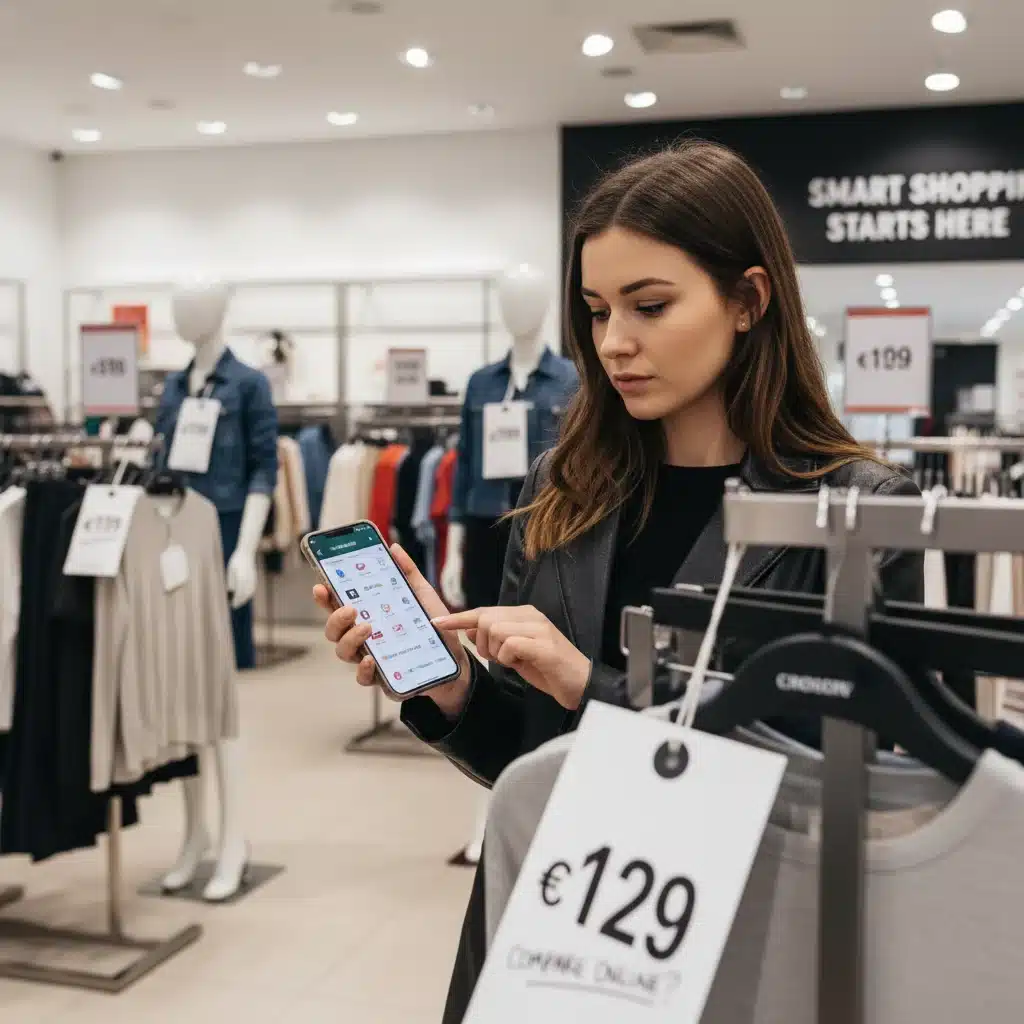
- Set Price Alerts: Use price tracking tools for your identified items.
- Check for First Markdowns: Based on the item’s launch date and seasonal cycles, expect initial 20-30% markdowns to begin. This is often when you can grab popular items before they sell out in your size.
- Assess Inventory Levels: Continually check if the items you want are plentiful or scarce. High inventory suggests deeper future markdowns.
- Review Email Offers: Pay close attention to promotional emails for early access or special discounts.
Month 3: Strategic Purchase and Deep Dive
- Anticipate Deeper Discounts: This is when you expect 40-50%+ markdowns as the season progresses. If your item hasn’t hit this level, be patient (unless it’s very low in stock).
- Compare Across Retailers: If multiple stores carry the item, compare their markdown percentages.
- Look for "Extra Percentage Off" Sales: Often, retailers will offer an additional percentage off already reduced items (e.g., "Take an extra 25% off all sale items"). This is your prime opportunity.
- Final Clearance: Towards the end of the 3-month window, you should be seeing the deepest discounts as new season items are about to arrive or have just landed. This is the time to pounce on those final deals.
By consistently applying this 3-month plan, you will drastically improve your ability to predict fashion markdowns and become a much more efficient and economical shopper.
Common Pitfalls to Avoid When Predicting Markdowns
While the strategies above are powerful, there are a few common mistakes that savvy shoppers should avoid:
- Waiting Too Long: Sometimes, waiting for the absolute lowest price means missing out entirely. If an item is very popular, limited edition, or a wardrobe staple, it might sell out before the deepest markdowns. Assess the risk vs. reward.
- Impulse Buying During "Fake Sales": Not all sales are created equal. Some retailers inflate original prices just to "discount" them. Always know the true original price and compare it across different retailers if possible.
- Buying Just Because It’s on Sale: A deal isn’t a deal if you don’t truly love or need the item. Stick to your list and avoid buying things simply because they are cheap. This leads to wardrobe clutter and wasted money in the long run.
- Ignoring Return Policies: Always check the return policy for sale items. Final sale items cannot be returned, so be extra cautious with these purchases.
- Not Considering Quality: While saving money is great, prioritize quality. A heavily discounted item of poor quality is still a poor investment.
The Future of Fashion Markdowns: What to Expect
The retail landscape is constantly evolving, and so are markdown strategies. E-commerce and data analytics play an increasingly significant role. Retailers are using sophisticated algorithms to optimize pricing, personalize discounts, and predict demand. This means that while broad seasonal patterns will remain, individual item markdowns might become even more dynamic and targeted.
The rise of sustainable fashion and slower fashion movements might also influence markdown cycles, potentially leading to fewer, but perhaps more significant, clearance events. However, the fundamental need for retailers to clear inventory will always create opportunities for savvy shoppers who know how to predict fashion markdowns.
Embracing technology, staying informed about industry trends, and continuously refining your observation skills will keep you ahead of the curve. The principles outlined in this guide – understanding seasonal cycles, decoding retailer behaviors, and leveraging tools – will remain foundational, regardless of how the industry shifts.
Conclusion: Become a Fashion Markdown Master
Mastering the art of predicting fashion markdowns is an empowering skill for any shopper. By understanding the intricate dance between fashion seasons, retailer strategies, and consumer behavior, you can transform your shopping habits from reactive to proactive. No longer will you be at the mercy of random sales; instead, you’ll be strategically planning your purchases, securing your desired items at the best possible prices.
Remember, patience and observation are your greatest allies. Start by tracking a few key items, familiarize yourself with the seasonal calendar, and pay attention to the subtle cues retailers provide. Over time, you’ll develop an intuitive sense for when and where the best deals will emerge. Armed with this knowledge, you are now ready to confidently predict fashion markdowns up to three months in advance, saving money, elevating your style, and becoming the ultimate savvy shopper. Happy hunting!