Mastering Agile Project Management: Strategies for Success

Mastering Agile Project Management: Strategies for Success
In today’s fast-paced business landscape, the ability to adapt, innovate, and deliver value quickly is paramount. Traditional project management methodologies, while still relevant in certain contexts, often struggle to keep pace with evolving requirements and dynamic market demands. This is where agile project management shines, offering a flexible, iterative, and highly collaborative approach that has revolutionized how teams develop products and services. But simply “doing agile” isn’t enough; true agile project success requires a deep understanding of its principles, a commitment to continuous improvement, and the implementation of effective strategies.
This comprehensive guide will delve into the core tenets of agile, explore various methodologies, and provide actionable strategies to help your team achieve unparalleled agile project success. Whether you’re new to agile or looking to refine your existing practices, this article will equip you with the knowledge and tools to navigate the complexities of modern project delivery.
Understanding the Core Principles of Agile
At its heart, agile is not just a methodology but a mindset. It’s a philosophy built on a set of values and principles outlined in the Agile Manifesto. Before diving into specific strategies for agile project success, it’s crucial to internalize these foundational elements:
- Individuals and Interactions over Processes and Tools: While processes and tools are important, agile emphasizes the power of human collaboration and communication. Effective teamwork and strong interpersonal relationships are key drivers of success.
- Working Software over Comprehensive Documentation: The primary measure of progress in agile is working software (or a functional product/service), not extensive documentation. This doesn’t mean documentation is absent, but it’s lean and focused on what’s truly necessary.
- Customer Collaboration over Contract Negotiation: Agile values continuous engagement with the customer throughout the project lifecycle. This ensures that the product being built genuinely meets their needs and expectations, leading to higher satisfaction.
- Responding to Change over Following a Plan: In a world of constant flux, rigid plans can quickly become obsolete. Agile embraces change, allowing teams to adapt to new information and pivot directions as needed, ultimately enhancing agile project success.
These principles form the bedrock upon which all agile methodologies are built. Adhering to them fosters an environment of transparency, adaptability, and continuous value delivery, all crucial for achieving agile project success.
Key Agile Methodologies and Their Applications
While the principles are universal, several methodologies provide frameworks for implementing agile in practice. Understanding their nuances can help you choose the best fit for your project and team, significantly contributing to agile project success.
Scrum: The Most Popular Agile Framework
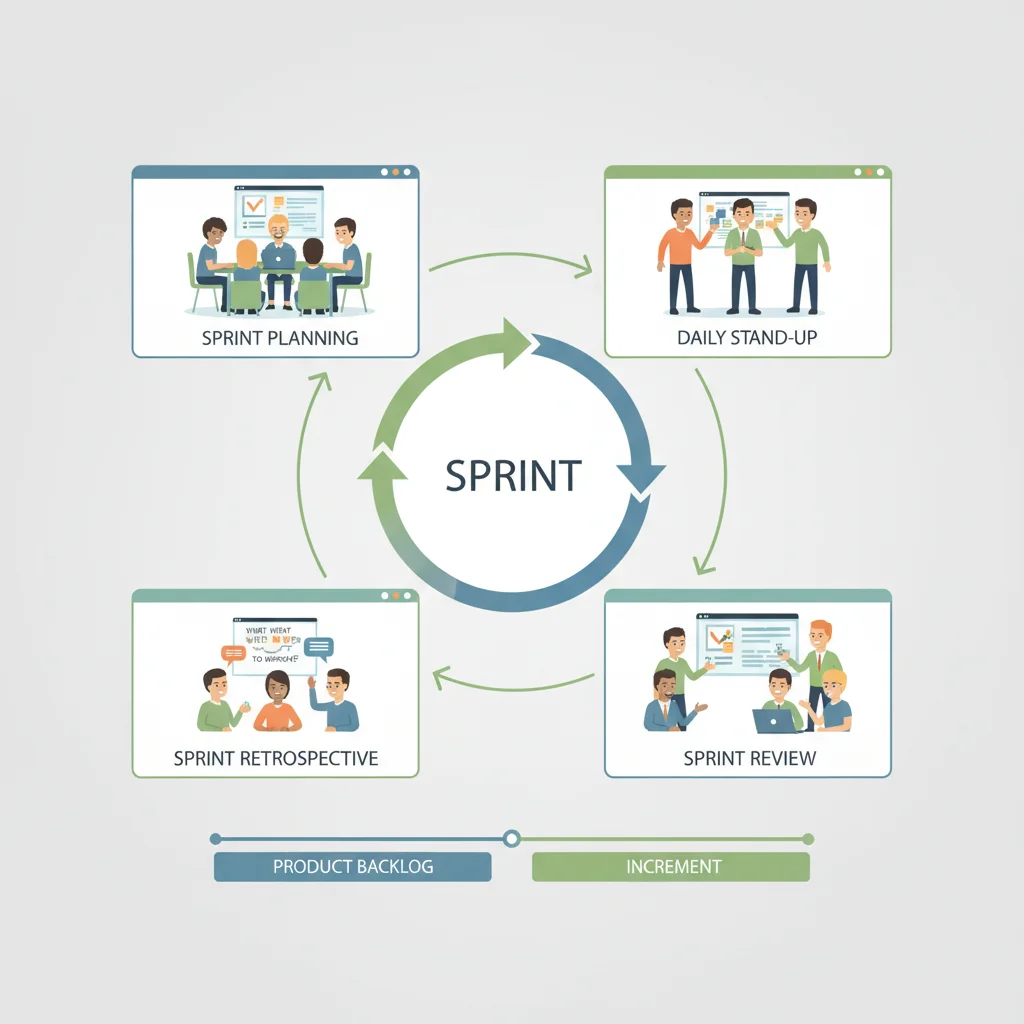
Scrum is arguably the most widely adopted agile framework. It’s an iterative and incremental approach that organizes work into short, time-boxed periods called ‘sprints’ (typically 1-4 weeks). Key roles, events, and artifacts define Scrum:
- Roles:
- Product Owner: Represents the voice of the customer, defines product vision, and manages the product backlog.
- Scrum Master: Facilitates the Scrum process, removes impediments, and coaches the team on agile practices.
- Development Team: Self-organizing and cross-functional, responsible for delivering increments of working software.
- Events (Ceremonies):
- Sprint Planning: The team plans the work to be done in the upcoming sprint.
- Daily Scrum (Stand-up): A short daily meeting for the team to synchronize activities and identify impediments.
- Sprint Review: The team demonstrates the completed work to stakeholders and gathers feedback.
- Sprint Retrospective: The team reflects on the past sprint and identifies improvements for the next.
- Artifacts:
- Product Backlog: A prioritized list of features, functions, requirements, enhancements, and fixes.
- Sprint Backlog: A subset of the product backlog selected for a specific sprint.
- Increment: The sum of all product backlog items completed during a sprint and all previous sprints, ready for release.
Scrum’s structured yet flexible nature makes it highly effective for complex projects requiring frequent feedback and adaptation. Implementing Scrum effectively is a direct path to boosting agile project success.
Kanban: Visualizing Workflow for Efficiency
Kanban, originating from Lean manufacturing, focuses on visualizing workflow, limiting work in progress (WIP), and maximizing efficiency. Unlike Scrum’s time-boxed sprints, Kanban is a continuous flow system. Its core practices include:
- Visualize the Workflow: Using a Kanban board (physical or digital) to represent different stages of work.
- Limit Work in Progress (WIP): Setting explicit limits on the number of items in each workflow stage to prevent bottlenecks and improve focus.
- Manage Flow: Continuously monitoring and improving the flow of work from start to finish.
- Make Process Policies Explicit: Clearly defining how work moves through the system.
- Implement Feedback Loops: Regular reviews to discuss performance and identify areas for improvement.
- Improve Collaboratively, Evolve Experimentally: Encouraging continuous improvement through small, iterative changes.
Kanban is particularly well-suited for maintenance teams, operational support, or projects where work arrives continuously and priorities can shift frequently. Its emphasis on efficiency and reducing waste directly supports agile project success.
Lean Software Development: Eliminating Waste
Lean principles, also stemming from manufacturing, are deeply embedded in agile. The core idea is to maximize customer value while minimizing waste. Key principles include:
- Eliminate Waste: Identifying and removing anything that doesn’t add value to the customer (e.g., unnecessary features, excessive documentation, waiting time).
- Amplify Learning: Fostering a culture of continuous learning and experimentation.
- Decide as Late as Possible: Deferring decisions until the last responsible moment to allow for more information gathering.
- Deliver Fast: Focusing on rapid delivery of value to the customer.
- Empower the Team: Giving teams the autonomy and resources to make decisions.
- Build Integrity In: Ensuring quality is built into every stage of the development process.
- See the Whole: Understanding the entire value stream and optimizing for the system as a whole, not just individual parts.
Applying Lean principles helps teams streamline processes, reduce costs, and accelerate delivery, all vital components of agile project success.
Strategies for Achieving Agile Project Success
Beyond understanding the methodologies, specific strategies can significantly enhance your team’s ability to achieve agile project success.
1. Foster a Culture of Transparency and Trust
Agile thrives on open communication and trust. Teams that are transparent about progress, challenges, and decisions are better equipped to self-organize and resolve issues quickly. This involves:
- Open Communication Channels: Encouraging honest and direct communication among team members and with stakeholders.
- Visible Progress: Using tools like Kanban boards, burndown charts, and shared dashboards to make work visible to everyone.
- Psychological Safety: Creating an environment where team members feel safe to express ideas, admit mistakes, and take risks without fear of reprisal.
Building trust takes time, but it’s a critical investment for sustainable agile project success.
2. Prioritize Relentlessly and Continuously
In agile, the product backlog is a living document. Effective prioritization ensures that the most valuable features are always at the top and are delivered first. This requires:
- Clear Product Vision: A well-defined vision guides prioritization decisions and keeps the team aligned.
- Value-Driven Prioritization: Using techniques like MoSCoW (Must-have, Should-have, Could-have, Won’t-have) or Weighted Shortest Job First (WSJF) to prioritize based on business value, risk, and effort.
- Regular Backlog Refinement: Continuously grooming the backlog to ensure items are clear, estimated, and correctly ordered.
Relentless prioritization ensures that your team is always working on what matters most, directly contributing to agile project success.
3. Empower Self-Organizing Teams
Agile teams are most effective when they are empowered to make decisions about how they will achieve their goals. This means:
- Autonomy: Giving teams the freedom to choose their tools, processes, and approaches within defined boundaries.
- Cross-functionality: Ensuring teams have all the skills necessary to complete their work without external dependencies.
- Servant Leadership: Leaders focus on supporting and enabling the team, rather than dictating tasks.
Empowered teams are more motivated, innovative, and ultimately more productive, leading to greater agile project success.
4. Embrace Continuous Feedback and Adaptation
Agile’s iterative nature is designed for continuous learning and improvement. Regular feedback loops are essential for adapting to changing requirements and refining processes:
- Frequent Demos/Reviews: Regularly showcasing working increments to stakeholders to gather early feedback.
- Retrospectives: Dedicated sessions for the team to reflect on what went well, what could be improved, and how to implement those improvements.
- Customer Engagement: Involving customers throughout the development process to ensure the product meets their evolving needs.
The ability to inspect and adapt quickly is a hallmark of agile project success.
5. Focus on Delivering Value Incrementally
Instead of waiting for a big-bang release, agile emphasizes delivering small, functional increments of value frequently. This provides several benefits:
- Early Value Realization: Customers can start using parts of the product sooner.
- Reduced Risk: Issues are identified and addressed earlier in the development cycle.
- Faster Feedback: Continuous delivery provides more opportunities for feedback, allowing for quicker adjustments.
This incremental approach ensures that value is consistently being delivered, which is a key indicator of agile project success.
Essential Tools for Agile Project Success
While tools should never dictate your agile process, the right ones can significantly enhance collaboration, visibility, and efficiency. Here are some categories of tools crucial for agile project success:
Project Management Software
These tools help teams manage backlogs, track progress, visualize workflows, and facilitate communication.
- Jira: A powerful and highly customizable tool for Scrum, Kanban, and other agile methodologies, popular for software development.
- Asana: Offers flexible task management, project tracking, and workflow automation suitable for various team types.
- Trello: A simple, visual Kanban-style tool ideal for smaller teams or specific project components.
- Azure DevOps: A comprehensive suite of development tools, including agile planning, source control, and CI/CD pipelines.
Communication and Collaboration Tools
Effective communication is the backbone of agile. These tools facilitate real-time interaction and information sharing.
- Slack/Microsoft Teams: For instant messaging, group discussions, and file sharing.
- Zoom/Google Meet: For video conferencing, especially for remote or distributed teams.
- Confluence/Notion: For documentation, knowledge sharing, and creating a centralized source of truth.
Version Control and CI/CD Tools
For software development projects, these tools are indispensable for maintaining code quality and enabling continuous delivery.
- Git (GitHub, GitLab, Bitbucket): For version control, collaboration on code, and managing repositories.
- Jenkins/GitHub Actions/GitLab CI: For Continuous Integration and Continuous Delivery (CI/CD) pipelines, automating builds, tests, and deployments.
Choosing the right combination of tools, and ensuring the team is proficient in using them, significantly contributes to overall agile project success.
Measuring Agile Project Success
How do you know if your agile efforts are truly successful? While delivering working software is a primary indicator, several metrics and qualitative assessments can provide a more holistic view of agile project success.
Key Agile Metrics
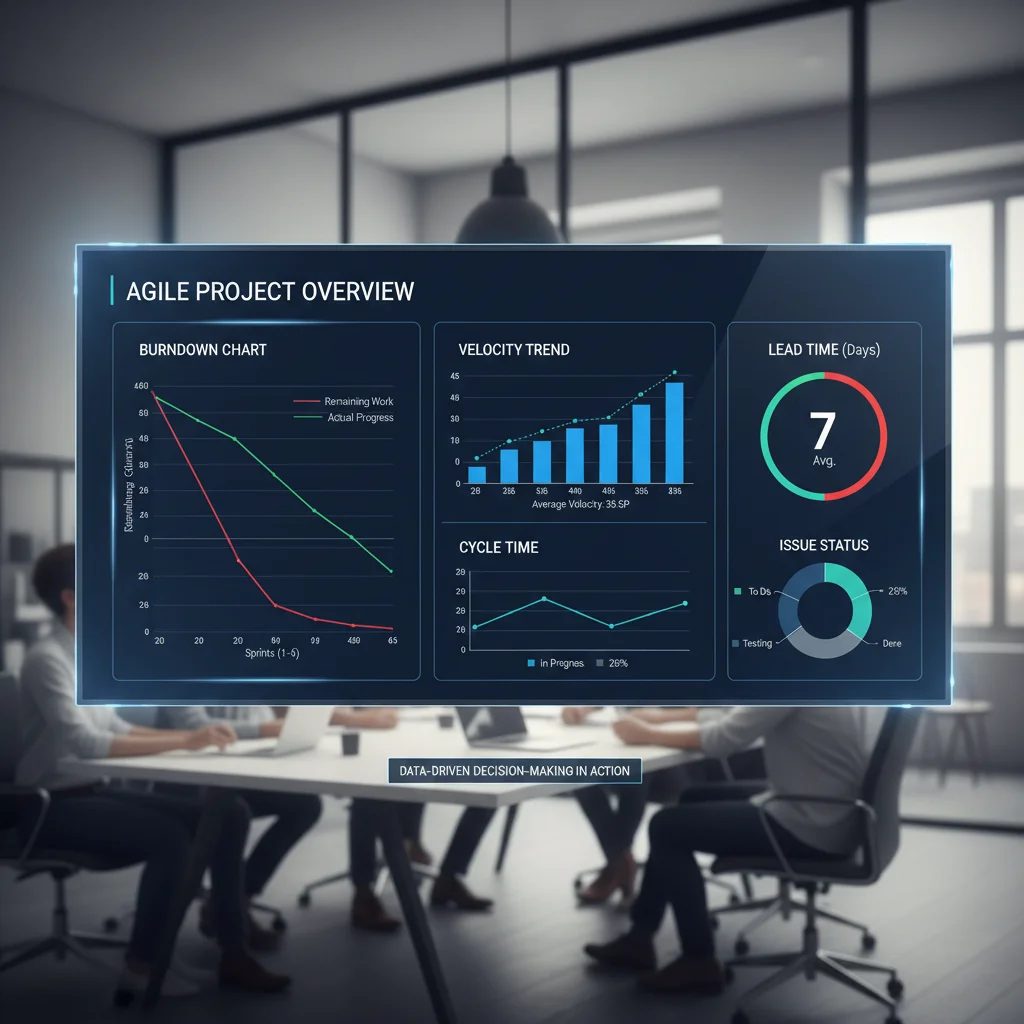
- Velocity: The amount of work a team can complete in a sprint, typically measured in story points. It helps with forecasting and capacity planning.
- Burndown/Burnup Charts: Visual representations of work remaining (burndown) or work completed (burnup) over time, indicating progress towards a sprint or release goal.
- Lead Time: The total time elapsed from when a request is made until it is delivered to the customer. Shorter lead times generally indicate better efficiency.
- Cycle Time: The time it takes for a work item to move from the start of active work to its completion. Lower cycle times mean faster delivery.
- Defect Density: The number of defects per unit of code or functionality. A lower defect density indicates higher quality.
- Customer Satisfaction: Often measured through surveys or direct feedback, this is a crucial indicator of whether the delivered product meets user needs.
It’s important to use these metrics not for individual performance evaluations, but as tools for the team to inspect and adapt, continuously improving their processes and ultimately enhancing agile project success.
Qualitative Assessment
Beyond numbers, qualitative factors play a huge role in agile project success:
- Team Morale and Engagement: A happy, engaged team is more productive and innovative.
- Stakeholder Satisfaction: Are stakeholders happy with the transparency, communication, and delivered value?
- Adaptability to Change: How well does the team respond to new requirements or shifts in priority?
- Product Quality: Beyond defects, does the product truly delight users and meet business objectives?
- Learning and Growth: Is the team continuously learning, experimenting, and improving its skills and processes?
A balanced approach combining both quantitative metrics and qualitative observations provides the most accurate picture of agile project success.
Common Challenges and How to Overcome Them
While agile offers immense benefits, its implementation is not without challenges. Recognizing and addressing these common hurdles is crucial for sustaining agile project success.
Resistance to Change
Many organizations and individuals are comfortable with traditional methods. Shifting to an agile mindset can be daunting. Overcome this by:
- Clear Communication: Explain the ‘why’ behind the agile adoption and its benefits.
- Leadership Buy-in: Ensure leaders champion agile and model the desired behaviors.
- Training and Coaching: Provide adequate training and ongoing coaching to help teams and individuals adapt.
- Start Small: Begin with pilot projects to demonstrate early wins and build confidence.
Lack of Stakeholder Engagement
Without active stakeholder involvement, agile projects can drift. Address this by:
- Early and Frequent Collaboration: Involve stakeholders from the beginning and keep them engaged through regular reviews and feedback sessions.
- Clear Expectations: Set realistic expectations about their role and commitment.
- Showcasing Value: Consistently demonstrate working increments to highlight progress and build trust.
Difficulty in Prioritization
Deciding what to build next can be challenging, especially with competing demands. Improve prioritization by:
- Dedicated Product Owner: Ensure a single, empowered Product Owner is responsible for the backlog.
- Transparent Prioritization Criteria: Define clear, agreed-upon criteria for ranking backlog items.
- Data-Driven Decisions: Use market research, user feedback, and business value analysis to inform priorities.
Scaling Agile Effectively
Applying agile principles across multiple teams or large organizations introduces new complexities. Strategies for scaling include:
- Scaled Agile Frameworks: Consider frameworks like SAFe (Scaled Agile Framework), LeSS (Large-Scale Scrum), or Nexus.
- Common Vision and Goals: Ensure all teams are aligned with a shared organizational vision.
- Cross-Team Coordination: Establish mechanisms for communication and dependency management between teams.
Addressing these challenges proactively will significantly increase your chances of achieving sustained agile project success.
The Future of Agile Project Management
Agile is not a static concept; it’s continuously evolving. As technology advances and business environments become even more complex, agile will continue to adapt. Trends to watch include:
- AI and Machine Learning in Agile: Using AI to analyze project data, predict risks, and optimize workflows.
- DevOps Integration: Further blurring the lines between development and operations for faster, more reliable delivery.
- Agile in Non-Software Contexts: Increasing adoption of agile principles in marketing, HR, finance, and other business functions.
- Focus on Business Agility: Moving beyond just project agility to transform entire organizations to be more adaptive and responsive.
- Remote and Hybrid Agile: Continued refinement of practices and tools to support distributed agile teams effectively.
Staying abreast of these trends and continuously learning will ensure your approach to project management remains cutting-edge and contributes to long-term agile project success.
Conclusion
Achieving agile project success is a journey, not a destination. It requires a fundamental shift in mindset, a commitment to continuous improvement, and the disciplined application of agile principles and practices. By fostering transparency, empowering teams, prioritizing relentlessly, embracing feedback, and leveraging the right tools, organizations can unlock the full potential of agile.
Remember, agile is about delivering value to the customer quickly and adapting to change. It’s about people, collaboration, and creating an environment where teams can thrive and innovate. Embrace these strategies, learn from your experiences, and you’ll be well on your way to mastering agile project management and consistently achieving exceptional results.
The path to agile project success is paved with iterative learning, open communication, and a relentless focus on delivering what truly matters. Start implementing these strategies today and transform your project delivery capabilities.