Winter Warmers 2026: Optimize Your Holiday Meal Planning for 20 Guests with These 6 Seasonal Strategies
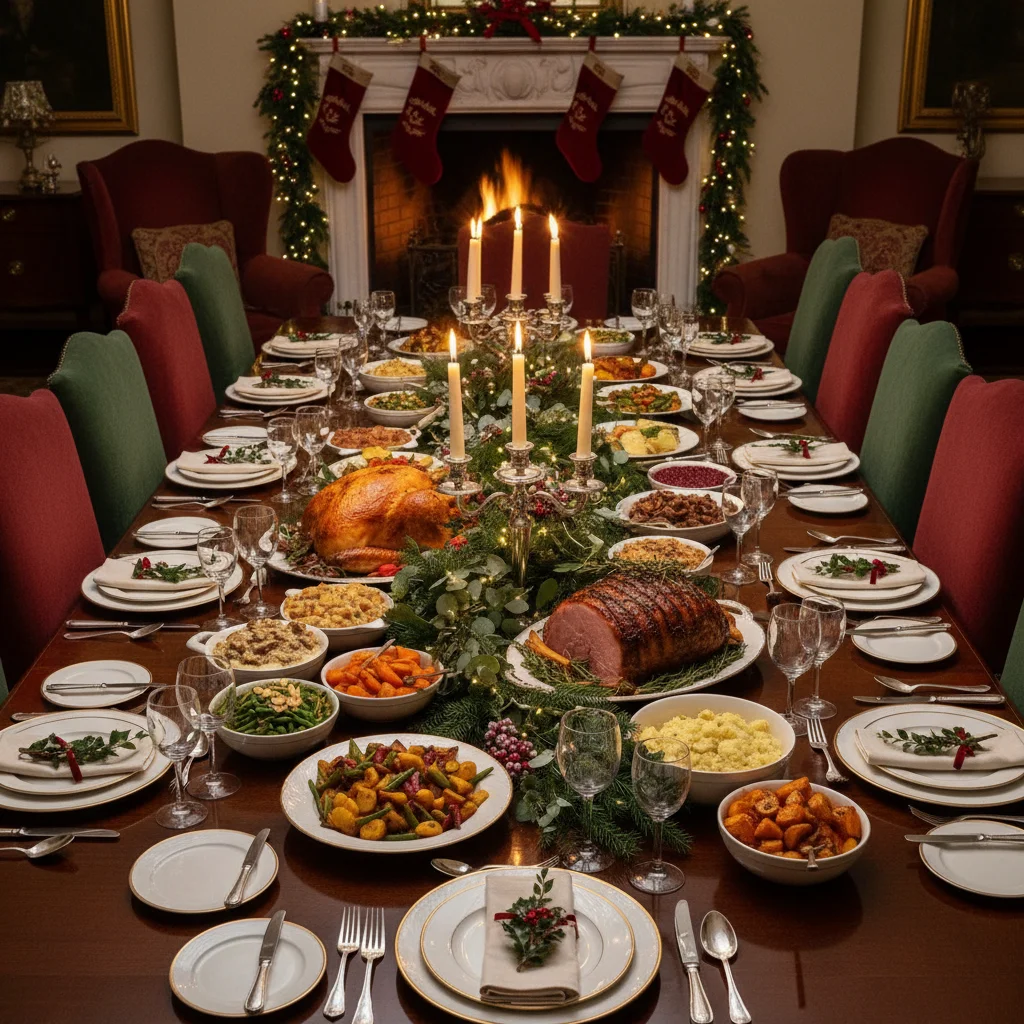
The holiday season of 2026 is fast approaching, and with it comes the joyous, albeit sometimes daunting, task of hosting large gatherings. For many, the thought of orchestrating a magnificent meal for 20 or more guests can feel overwhelming. However, with strategic holiday meal planning, this can be transformed from a stressful chore into a truly delightful experience. This comprehensive guide will equip you with six essential strategies to ensure your Winter 2026 holiday feast is not only delicious and memorable but also remarkably stress-free.
Hosting a large holiday dinner is more than just cooking; it’s about creating an atmosphere, managing logistics, and most importantly, enjoying the company of your loved ones. The key to success lies in meticulous planning and smart execution. From selecting the perfect seasonal menu to delegating tasks and managing your time effectively, each step plays a crucial role in the overall success of your event. Let’s dive into how you can master holiday meal planning for your upcoming festivities.
1. Master Your Guest List and Dietary Needs Early
Before you even think about recipes, the absolute first step in effective holiday meal planning for a large group is to finalize your guest list and understand any dietary restrictions or preferences. Sending out invitations well in advance (think 6-8 weeks before the event) will give you a solid headcount. When you RSVP, include a polite request for any allergies, intolerances, or dietary choices (vegetarian, vegan, gluten-free, nut allergies, etc.). This information is gold and will dictate your menu choices from the outset.
Why is this so critical? Imagine preparing a lavish meal only to find out half your guests are vegetarian, and you’ve focused solely on meat dishes. Or worse, encountering a severe allergy on the day of the event. Early communication prevents last-minute panic and ensures everyone can enjoy the meal safely and comfortably. Create a simple spreadsheet to track RSVPs and dietary notes. This will be your foundational document for all subsequent holiday meal planning decisions.
Consider offering at least one main dish and a few side dishes that cater to common dietary needs. For example, a roasted vegetable medley can often be made vegan and gluten-free. Clearly label dishes on your buffet or table, especially if there are allergens present. This small gesture shows thoughtfulness and responsibility, making all your guests feel valued and safe.
2. Craft a Seasonal and Balanced Menu with Make-Ahead Options
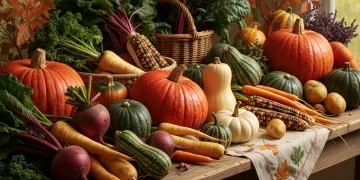
Once you have your guest list and dietary requirements, it’s time to design your menu. For a Winter 2026 holiday feast, embrace seasonal ingredients that are at their peak. Think root vegetables, winter squashes, cranberries, pomegranates, and hearty greens. A seasonal menu often tastes better, is more cost-effective, and aligns perfectly with the festive spirit.
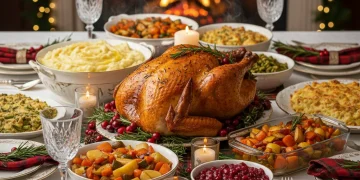
When planning for 20 guests, balance is key. You don’t need 10 different side dishes. Focus on 1-2 main proteins, 3-4 diverse side dishes, a festive salad, a bread option, and 1-2 desserts. The goal is variety, not an overwhelming number of choices. For example:
- Main: Roasted Turkey or Ham (or both if you’re ambitious and have the oven space)
- Vegetarian/Vegan Main Option: Hearty Mushroom Wellington or a Stuffed Butternut Squash
- Starchy Side: Creamy Mashed Potatoes or a Sweet Potato Casserole
- Vegetable Side 1: Roasted Brussels Sprouts with Bacon (or pecans for vegetarian)
- Vegetable Side 2: Green Bean Casserole (classic or elevated)
- Salad: Winter Greens with Pomegranate, Candied Pecans, and a Citrus Vinaigrette
- Bread: Artisan Dinner Rolls with Butter
- Dessert 1: Classic Pumpkin Pie or Pecan Pie
- Dessert 2: Apple Crumble with Vanilla Ice Cream
The secret weapon for large-scale holiday meal planning is prioritizing make-ahead dishes. Identify components that can be prepared days in advance. Gravy can be made and frozen. Cranberry sauce is always better homemade and can be prepared a week ahead. Many casseroles can be assembled the day before and baked on the day of. Desserts like pies often benefit from being made the day before to allow flavors to meld. Even chopping vegetables for roasting can be done the morning before and stored in airtight containers.
Categorize your menu items into: ‘Make Ahead (3+ days)’, ‘Make Ahead (1 day)’, and ‘Day Of’. This detailed breakdown will significantly reduce your stress on the actual holiday.
3. Create a Detailed Timeline and Shopping List
Once your menu is set, a detailed timeline is your next best friend in holiday meal planning. Break down every task, from grocery shopping to setting the table, into manageable steps with assigned dates and times. This timeline should start at least two weeks out, if not more.
Two Weeks Out:
- Finalize guest list and dietary needs.
- Confirm menu.
- Create a comprehensive shopping list, categorized by store section (produce, dairy, pantry, frozen, meat).
- Order any specialty items or large cuts of meat that need advance booking.
- Check inventory of serving dishes, cutlery, glassware, and linens. Rent or borrow if necessary.
One Week Out:
- Do your major grocery run for non-perishables and ingredients that keep well.
- Start making freezer-friendly items (gravy, some desserts).
- Clean and organize your refrigerator and freezer to make space.
- Confirm any help you might have (family, friends, hired help).
3-4 Days Out:
- Purchase fresh produce and perishable items.
- Thaw frozen meats (e.g., turkey) in the refrigerator.
- Prepare cranberry sauce, salad dressings, and any other components that benefit from sitting.
- Chop vegetables for dishes that will be cooked later in the week.
The Day Before:
- Set the table, including linens, plates, glasses, and cutlery.
- Prepare any casseroles or side dishes that can be assembled and refrigerated.
- Bake pies or other desserts.
- Clean the house and guest bathrooms.
- Lay out serving dishes and assign a dish to each, if possible, to avoid last-minute scrambling.
The Day Of:
- Follow your cooking schedule, starting with items that take the longest.
- Delegate tasks to helpers (e.g., carving, pouring drinks, refilling water).
- Enjoy your guests!
A well-organized shopping list is equally vital. Group items by where they are in the grocery store to minimize time and trips. Don’t forget non-food items like aluminum foil, parchment paper, extra ice, and cleaning supplies. This meticulous approach to holiday meal planning will save you hours and untold stress.
4. Leverage Your Kitchen Appliances and Space Strategically
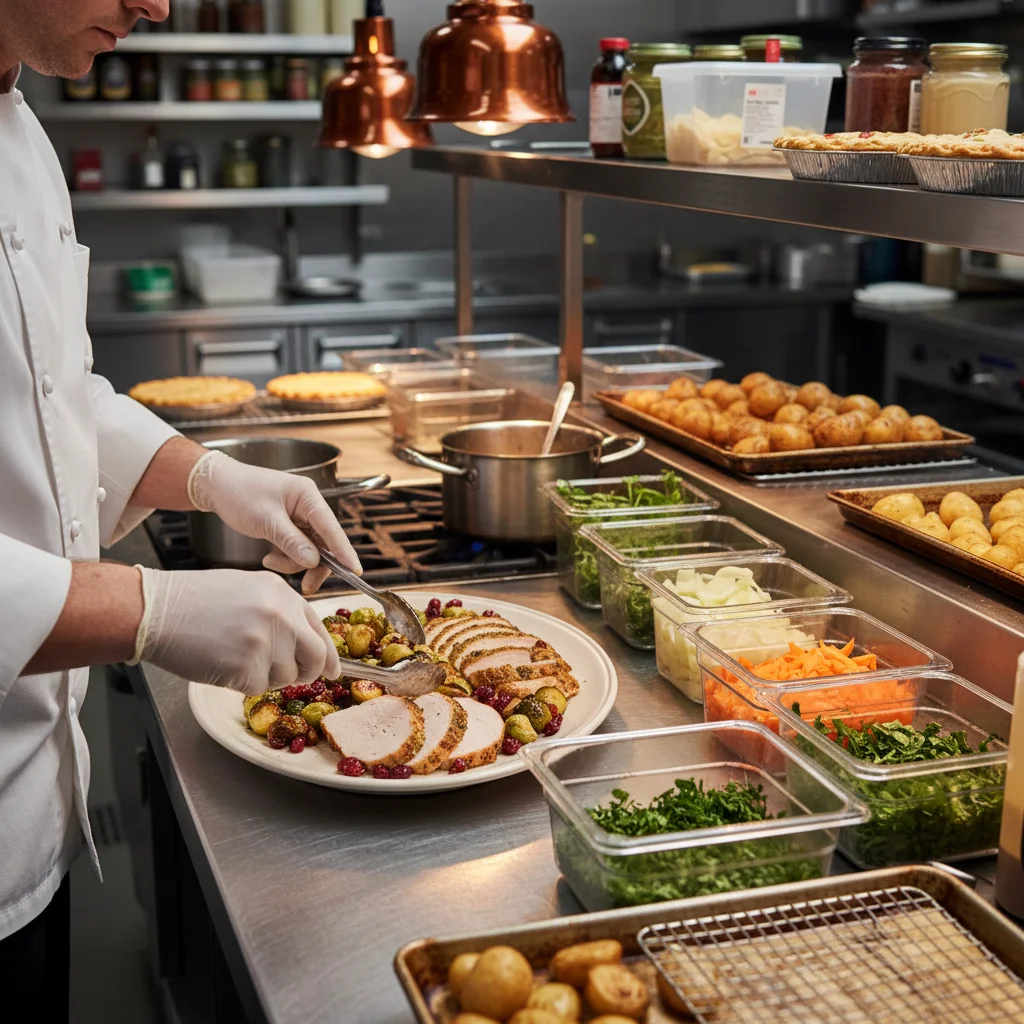
When cooking for 20 guests, your kitchen is going to be a battlefield if not managed properly. Think about how you can best utilize all your appliances and available space. Your oven, stovetop, microwave, slow cooker, and even an outdoor grill can become invaluable tools in your holiday meal planning arsenal.
Oven Management: This is often the biggest challenge. Plan dishes that bake at similar temperatures or can be cooked in stages. For instance, roast your turkey, then use the residual heat to warm side dishes. Or, consider roasting some vegetables at a higher temperature before the main course goes in. If you have a double oven, rejoice! If not, prioritize oven-baked items and find stovetop or slow-cooker alternatives for others.
Slow Cookers: These are lifesavers for side dishes like mashed potatoes (keep them warm and creamy), green bean casserole, or even a hearty vegetarian stew. They free up oven and stovetop space and can keep food warm for hours without drying out.
Instant Pot/Pressure Cooker: Great for quick cooking of certain vegetables, making stock, or even speeding up the cooking time for some braised meats.
Grill: If weather permits, use your outdoor grill for certain vegetables or even a smoked turkey. This completely frees up oven space and adds a unique flavor profile.
Counter Space: Clear as much counter space as possible. Designate zones for prep, plating, and dirty dishes. Consider setting up a separate beverage station or dessert table to alleviate congestion in the main kitchen area. For holiday meal planning, thinking vertically with shelving or tiered serving platters can also save space.
5. Don’t Be Afraid to Delegate and Accept Help
One of the biggest mistakes hosts make is trying to do everything themselves. For a party of 20, this is a recipe for exhaustion and stress. Effective holiday meal planning includes a robust delegation strategy. Your guests and family often want to help, so let them!
Assign Specific Tasks: Instead of a general plea for help, give specific, actionable tasks. Examples:
- "Could you bring a bottle of your favorite red wine?"
- "Would you mind making your famous green bean casserole?" (This is great if you know someone has a signature dish).
- "Can you come an hour early to help set up drinks and appetizers?"
- "During dinner, could you help clear plates and load the dishwasher?"
- "Could you be in charge of the music playlist?"
Potluck Elements: While you’re hosting, you don’t have to cook every single dish. A "potluck-style" side dish or dessert can be a wonderful way to involve guests and lighten your load. Just make sure to coordinate so you don’t end up with five pumpkin pies and no savory sides.
Pre-Party Help: If family or close friends offer to help with prep a day or two before, take them up on it! Chopping vegetables, running errands, or even just keeping you company can be incredibly helpful. This collaborative approach makes holiday meal planning a shared joy rather than a solitary burden.
6. Plan for Leftovers and Post-Meal Cleanup
A successful holiday feast for 20 guests will inevitably lead to an abundance of delicious leftovers – and a significant amount of cleanup. Incorporating these aspects into your holiday meal planning beforehand will save you a lot of hassle after the festivities wind down.
Leftover Strategy:
- Containers: Have plenty of airtight containers on hand. Consider buying some inexpensive disposable containers for guests to take home portions of their favorite dishes. This not only clears your fridge but also provides a lovely parting gift.
- Repurposing Ideas: Think about what you’ll do with leftovers. Turkey sandwiches are classic, but what about turkey soup, or a stir-fry? Having a few ideas in mind will make post-holiday meals exciting.
- Storage Plan: Designate space in your fridge and freezer for leftovers. Label containers with contents and dates.
Cleanup Strategy:
- Dishwasher Management: Run the dishwasher throughout the day if possible, especially during cooking lulls. Don’t let dishes pile up.
- Soaking Stations: Have a sink or large basin filled with hot, soapy water for immediate soaking of pots and pans, especially those with baked-on food.
- Trash and Recycling: Set up multiple trash cans and recycling bins (clearly labeled) to encourage guests to dispose of their waste properly. This minimizes mess and makes sorting easier later.
- Team Effort: Again, don’t be afraid to ask for help! Many guests will offer to assist with cleanup. Accept the help for clearing the table, wiping down surfaces, or loading the dishwasher. Even 15-20 minutes of collective effort can make a huge difference.
- Pre-Clean: A quick wipe-down of surfaces and sweeping before guests arrive can make the post-meal cleanup feel less daunting.
Embracing the Spirit of Winter Warmers 2026
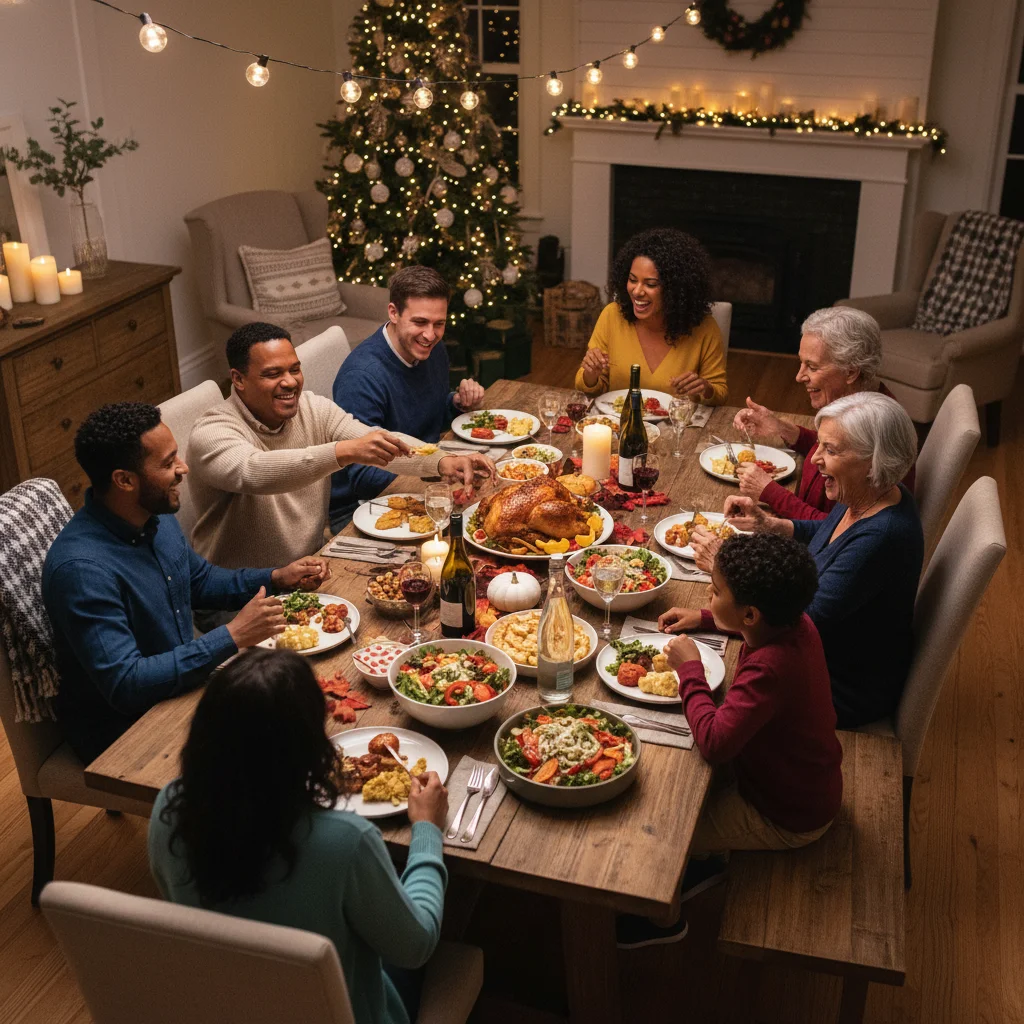
Ultimately, the goal of all this meticulous holiday meal planning is not just to feed your guests, but to create a warm, inviting, and joyful atmosphere. The holiday season is about connection, gratitude, and making lasting memories. While the food is a central component, it’s the shared experience that truly matters.
By implementing these six strategies – mastering your guest list, crafting a balanced and make-ahead menu, creating detailed timelines and shopping lists, leveraging your kitchen strategically, delegating tasks, and planning for leftovers and cleanup – you’ll transform the often-stressful endeavor of hosting a large holiday dinner into a smooth and enjoyable event. Remember to take a deep breath, embrace the festive spirit, and allow yourself to enjoy the fruits of your labor and the company of your loved ones.
The Winter 2026 holidays are an opportunity to showcase your hospitality and culinary skills, but more importantly, to gather around a table filled with good food and great company. With these tips, your meal planning will be on point, leaving you more time to cherish those precious moments. Happy hosting!