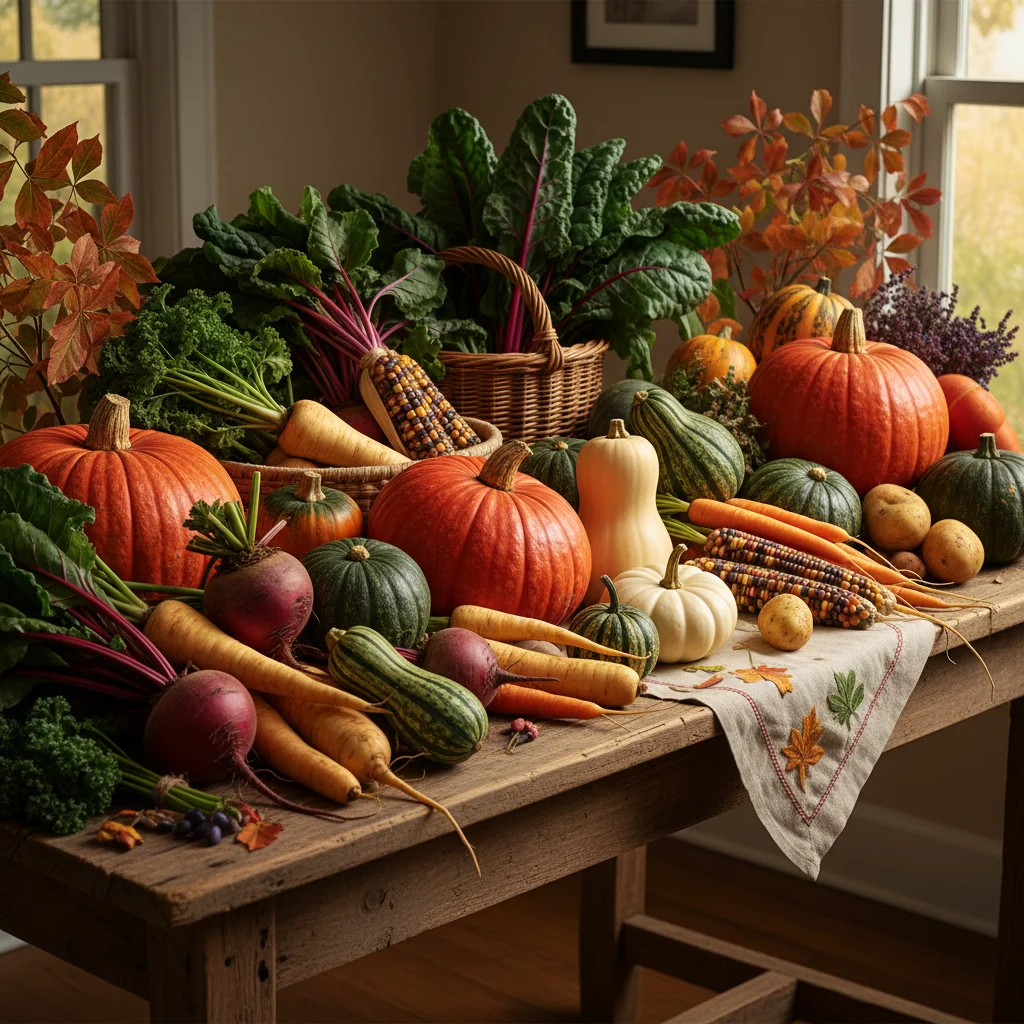
As the days grow shorter and the air turns crisp, gardeners across the globe are faced with a delightful challenge: making the most of their late-season vegetables. The period leading up to December 1st often marks the final push for harvesting, a time when root vegetables, sturdy greens, and hardy squashes reach their peak. But what do you do with this abundance once it’s gathered? Beyond the usual roasts and salads, there are countless creative and delicious ways to ensure not a single precious sprout goes to waste. This comprehensive guide will explore 8 innovative approaches to transform your late-season vegetables into culinary triumphs and pantry staples, extending the taste of your garden well into the colder months.
Embracing late-season vegetables is not just about reducing waste; it’s about savoring the unique flavors and nutritional benefits these resilient crops offer. From the earthy sweetness of parsnips to the robust bitterness of kale, each vegetable brings its own character to the table. By thinking creatively, we can unlock their full potential, turning what might seem like a daunting surplus into an exciting opportunity for culinary experimentation and sustainable living. So, grab your harvest basket, and let’s dive into the wonderful world of late-season vegetable utilization!
1. Transform into Hearty Soups and Stews
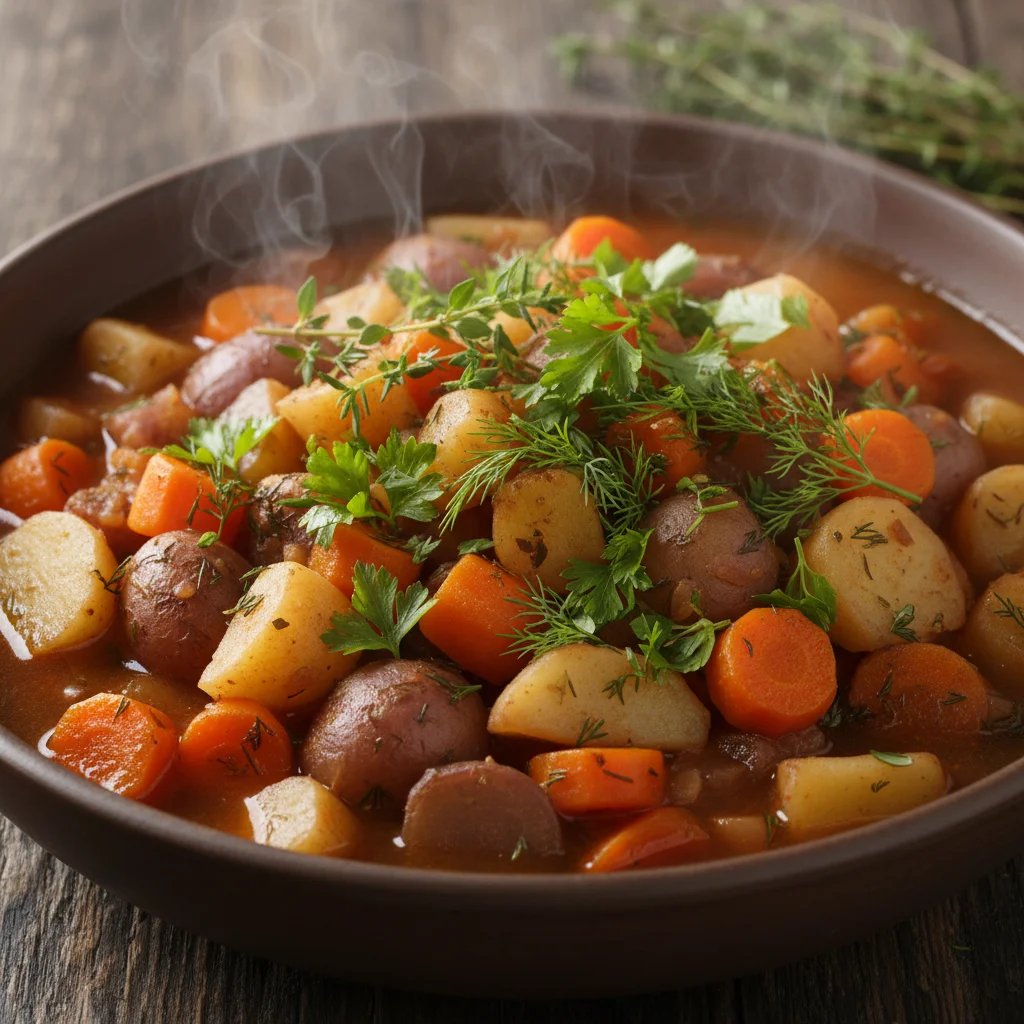
One of the most comforting and efficient ways to use a large quantity of late-season vegetables is by incorporating them into hearty soups and stews. These dishes are perfect for batch cooking, freezing, and providing nourishing meals throughout the week. Root vegetables like carrots, potatoes, parsnips, and turnips are stars in these preparations, offering a depth of flavor and satisfying texture. But don’t stop there! Kale, Swiss chard, and even Brussels sprouts can be added for extra nutrition and a pleasant bitterness that balances the sweetness of other ingredients.
Consider a classic minestrone, packed with seasonal goodness, or a robust beef stew elevated by chunks of butternut squash and tender leeks. For a vegetarian option, a creamy roasted vegetable soup, made with puréed sweet potatoes, carrots, and a hint of ginger, can be incredibly warming. The beauty of soups and stews lies in their versatility; almost any combination of your late-season vegetables can be harmonized with the right herbs, spices, and broth. Don’t be afraid to experiment with different flavor profiles, from Mediterranean-inspired lentil stews to Asian-infused vegetable broths.
To maximize efficiency, chop all your vegetables at once. Sauté aromatic vegetables like onions, garlic, and celery as a base. Then, add harder vegetables first, followed by softer ones, ensuring everything cooks evenly. A slow cooker can be your best friend for stews, allowing flavors to meld beautifully over several hours with minimal effort. Remember that many late-season vegetables, especially root vegetables, hold up exceptionally well to long cooking times, developing richer, more complex flavors.
2. Pickle and Ferment for Long-Term Storage
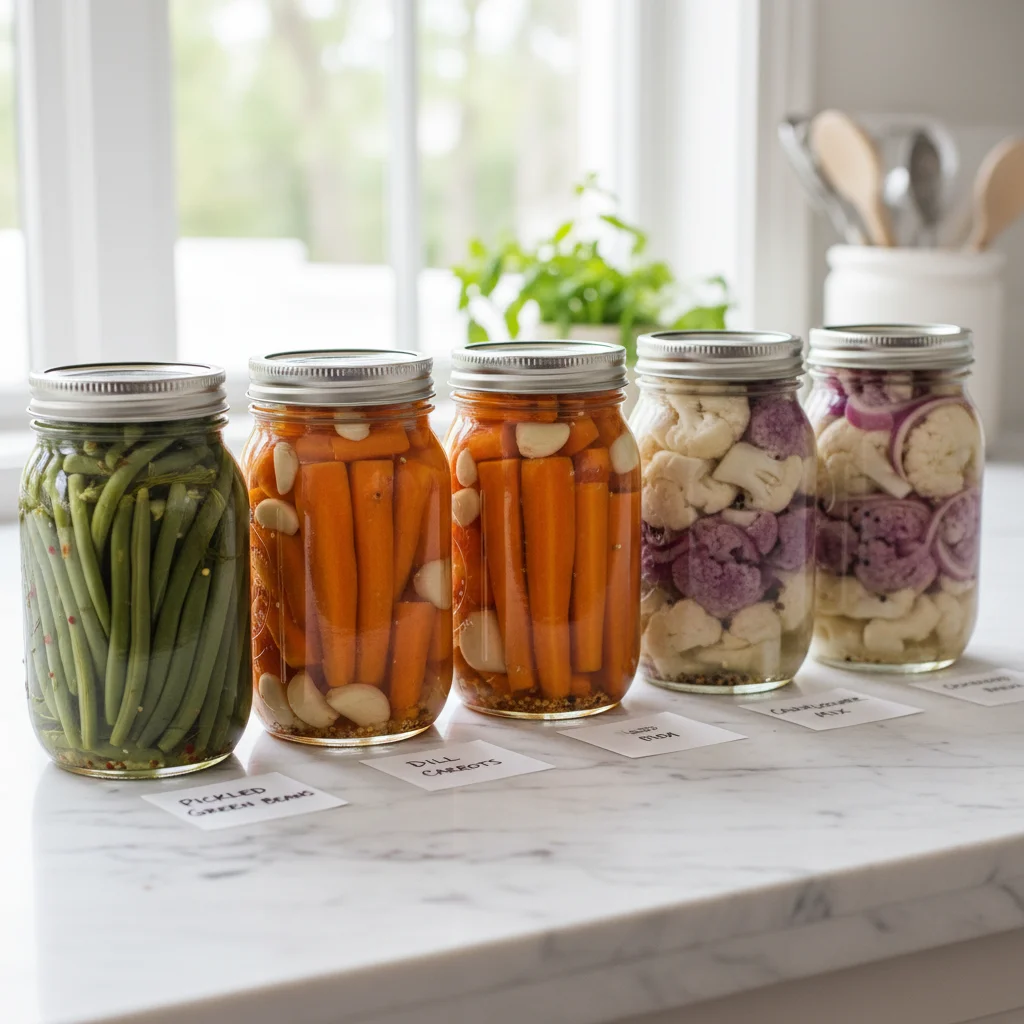
Preservation is key when dealing with an abundant harvest, and pickling and fermenting are ancient techniques that are experiencing a modern resurgence. These methods not only extend the shelf life of your late-season vegetables but also introduce exciting new flavors and beneficial probiotics to your diet. Almost any vegetable can be pickled, from crisp green beans and cauliflower florets to sturdy carrots and even Brussels sprouts. Fermentation, on the other hand, involves controlled microbial growth, transforming vegetables into tangy, probiotic-rich foods like sauerkraut and kimchi.
For quick pickling, a simple brine of vinegar, water, salt, and sugar, along with your choice of spices (dill, mustard seeds, peppercorns), is all you need. Pack your cleaned and chopped vegetables into sterilized jars, pour over the hot brine, and seal. After a few days in the refrigerator, you’ll have delicious pickled vegetables ready to enjoy as a snack, side dish, or addition to sandwiches and salads. These quick pickles offer a bright, acidic counterpoint to richer dishes and are an excellent way to use up smaller quantities of various late-season vegetables.
Fermentation requires a bit more patience but offers profound flavor development and health benefits. Cabbage is the classic choice for sauerkraut, but you can also ferment carrots, radishes, and even turnip greens. The process typically involves massaging vegetables with salt to draw out moisture, then packing them tightly into jars and allowing them to ferment at room temperature for several days or weeks. The resulting tangy, crunchy ferments are fantastic for gut health and add a unique zing to meals. Both pickling and fermenting are excellent ways to capture the essence of your late-season vegetables and enjoy them long after the growing season has ended.
3. Roast and Caramelize for Enhanced Flavor
Roasting is perhaps one of the simplest yet most transformative ways to prepare late-season vegetables. The high heat of the oven caramelizes their natural sugars, bringing out an incredible sweetness and depth of flavor that raw or steamed vegetables often lack. This method works exceptionally well for root vegetables like potatoes, sweet potatoes, parsnips, carrots, and beets, as well as cruciferous vegetables such as Brussels sprouts, cauliflower, and broccoli.
The process is straightforward: chop your vegetables into uniform pieces, toss them with a generous amount of olive oil, salt, pepper, and your favorite herbs (rosemary, thyme, sage work wonderfully with late-season vegetables). Spread them in a single layer on a baking sheet and roast in a hot oven (around 400°F or 200°C) until tender and beautifully caramelized. You can roast a single type of vegetable or create a colorful medley. Roasted vegetables make a fantastic side dish, a flavorful addition to grain bowls, or even a base for puréed soups.
For an extra layer of flavor, try drizzling your roasted vegetables with balsamic glaze, a touch of maple syrup, or a sprinkle of Parmesan cheese towards the end of cooking. The slightly charred edges and tender interiors of roasted late-season vegetables are utterly irresistible and a testament to how simple preparation can yield extraordinary results. This method is also excellent for meal prepping, as roasted vegetables reheat well and can be incorporated into various dishes throughout the week.
4. Create Nutritious Pestos and Spreads
While basil pesto is a summer classic, late-season vegetables, particularly leafy greens, can be used to create equally delicious and nutritious pestos and spreads. Think beyond the traditional and consider pestos made from kale, Swiss chard, or even beet greens. These greens offer a robust flavor profile that stands up well to strong cheeses, nuts, and garlic.
A kale pesto, for instance, can be made by blending blanched kale with toasted walnuts or pecans, garlic, Parmesan cheese, lemon juice, and olive oil. This vibrant green spread is fantastic tossed with pasta, spread on toast, dolloped onto roasted vegetables, or used as a flavorful base for pizzas and sandwiches. Similarly, beet greens, often discarded, can be transformed into a earthy and slightly sweet pesto that pairs beautifully with roasted root vegetables or goat cheese.
Beyond pestos, many late-season vegetables can be roasted and then puréed into creamy, flavorful spreads. Roasted carrot and ginger dip, smoky eggplant dip (baba ghanoush with a late-season twist), or a vibrant beet hummus are all excellent ways to use up your harvest. These spreads are perfect for entertaining, healthy snacks, or adding a burst of flavor to your lunch. They also freeze well, allowing you to enjoy the taste of your late-season vegetables for months to come.
5. Bake into Savory Tarts and Gratins
When you have an abundance of late-season vegetables, baking them into savory tarts, quiches, and gratins is a wonderfully elegant and delicious solution. These dishes are perfect for brunch, dinner, or even packed lunches, and they allow you to showcase the beauty and flavor of your harvest in a comforting, wholesome way.
A classic vegetable gratin, layered with thinly sliced potatoes, sweet potatoes, parsnips, or even thinly sliced Brussels sprouts, bathed in a creamy sauce and topped with cheese, is the epitome of cold-weather comfort food. The slow baking process tenderizes the vegetables and allows their flavors to meld beautifully. For a healthier twist, you can use a lighter béchamel sauce or even a vegetable broth base.
Savory tarts and quiches offer even more versatility. A beautiful tart crust can be filled with a medley of sautéed late-season vegetables like leeks, mushrooms, kale, and roasted squash, bound together with an egg and cream custard. These dishes are excellent for using up smaller quantities of various vegetables that might not be enough for a standalone recipe. They also present beautifully, making them ideal for sharing with friends and family. Experiment with different cheese pairings, from sharp cheddar to creamy goat cheese, to complement the natural flavors of your late-season vegetables.
6. Freeze for Future Convenience
Freezing is arguably the easiest and most effective way to preserve large quantities of late-season vegetables for long-term use. While some vegetables freeze better than others, most can be successfully stored in the freezer for several months, allowing you to enjoy your harvest long after December 1st. This method is particularly useful for vegetables that you know you’ll want to use in soups, stews, casseroles, or stir-fries later on.
For most vegetables, blanching before freezing is recommended. Blanching involves briefly cooking the vegetables in boiling water, then rapidly cooling them in ice water. This process helps to preserve their color, texture, and nutritional value by deactivating enzymes that cause spoilage. Root vegetables like carrots, parsnips, and turnips, as well as cruciferous vegetables like broccoli and cauliflower, benefit greatly from blanching. Leafy greens like spinach and kale can also be blanched and then squeezed dry before freezing in portions.
Squash, such as butternut or acorn, can be roasted or steamed until tender, then puréed and frozen in individual portions for easy use in soups, baked goods, or risottos. Freezing not only prevents waste but also significantly cuts down on meal prep time in the future. Imagine having pre-chopped, blanched late-season vegetables ready to toss into a weeknight meal! Ensure your vegetables are properly cooled and sealed in airtight containers or freezer bags to prevent freezer burn.
7. Dry and Dehydrate for Concentrated Flavors
Drying and dehydrating are ancient preservation techniques that concentrate the flavors of late-season vegetables, making them incredibly versatile for future cooking. While it requires a dehydrator or a very low oven, the results are well worth the effort, yielding shelf-stable ingredients that can be rehydrated or used directly in various dishes.
Root vegetables like carrots, beets, and parsnips can be thinly sliced and dehydrated to create crispy vegetable chips or rehydrated for soups and stews. Leafy greens such as kale and spinach can be dried to make nutritious powders that can be added to smoothies, sauces, or baked goods for an extra boost of vitamins. Even onions and garlic can be dehydrated and ground into powders for homemade seasoning blends.
Dried tomatoes, often made from late-season varieties, are a classic example of this method’s success. They offer an intense, umami-rich flavor that enhances pasta dishes, salads, and sandwiches. When dehydrating, ensure vegetables are sliced uniformly for even drying and are completely dry before storing in airtight containers to prevent mold. Dried late-season vegetables are lightweight, take up minimal storage space, and provide a convenient way to enjoy garden flavors year-round.
8. Incorporate into Baked Goods and Desserts
While it might sound unconventional, many late-season vegetables lend themselves beautifully to baked goods and even desserts, adding moisture, nutrients, and a subtle sweetness. Think beyond carrot cake and zucchini bread, and explore the possibilities with other root vegetables and squashes.
Sweet potatoes and pumpkin (which is botanically a fruit but culinarily treated as a vegetable) are classic additions to pies, muffins, and quick breads. Their natural sweetness and creamy texture make them ideal for enriching baked goods. But don’t overlook beets! Grated raw beets can add a beautiful crimson hue and earthy sweetness to chocolate cakes, brownies, or even red velvet cupcakes, often going unnoticed by even the pickiest eaters.
Parsnips, with their delicate sweetness, can be grated into spice cakes or muffins for a unique flavor profile. Even certain squashes, when roasted and puréed, can be incorporated into custards, cheesecakes, or puddings. These creative uses are fantastic for subtly increasing vegetable intake, adding complex flavors to your baking, and ensuring that no part of your late-season vegetables harvest goes to waste. It’s a delightful way to surprise your taste buds and impress your guests with innovative culinary creations.
Maximizing Your Late-Season Harvest: A Sustainable Approach
The period leading up to December 1st is a crucial time for gardeners and home cooks alike. It’s the grand finale of the growing season, offering a final opportunity to gather and utilize the hardy bounty of late-season vegetables. By employing the creative strategies outlined above, you can not only prevent food waste but also enrich your diet with nutrient-dense, flavorful produce that will sustain you through the colder months. Each method, from transforming vegetables into comforting soups to preserving them through pickling or freezing, contributes to a more sustainable and economically sound approach to food consumption.
Beyond the practical benefits, there’s immense satisfaction in knowing that you’ve honored your harvest by making the most of every carrot, every kale leaf, and every squash. These late-season vegetables, often overlooked in favor of their summer counterparts, possess a unique character and resilience that shines through in these diverse preparations. They remind us of the cyclical nature of the garden and the continuous opportunities for culinary innovation.
So, as you survey your garden beds or browse the farmers’ market in these waning weeks before December 1st, remember the vast potential held within those humble late-season vegetables. Embrace the challenge, get creative in the kitchen, and enjoy the delicious rewards of a well-utilized harvest. Your palate, your pantry, and your commitment to sustainability will all thank you.
Tips for Success with Late-Season Vegetables:
- Inspect Thoroughly: Before storing or processing, carefully inspect all late-season vegetables for any signs of damage or spoilage. Remove any compromised parts to prevent further deterioration.
- Clean Properly: Wash and dry your vegetables thoroughly. For root vegetables, a good scrub is often sufficient. For leafy greens, a gentle wash and spin can remove dirt and pests.
- Store Appropriately: Understand the best storage conditions for each vegetable type. Root vegetables generally prefer cool, dark, and humid environments, while greens need to be kept cool and moist.
- Batch Process: Dedicate a specific time to process a large batch of vegetables. This could involve chopping for freezing, preparing brine for pickling, or setting up your dehydrator.
- Label and Date: Always label your preserved foods with the contents and the date of preparation. This helps in inventory management and ensures you use items within their optimal freshness window.
- Experiment with Flavors: Don’t be afraid to try new spice combinations or culinary techniques. The robust flavors of late-season vegetables can stand up to bold seasonings.
- Share the Bounty: If you find yourself with more than you can possibly use, consider sharing your late-season vegetables with neighbors, friends, or local food banks.
By integrating these creative uses and practical tips into your post-harvest routine, you’ll discover that late-season vegetables are not just a final offering from the garden, but a treasure trove of culinary possibilities. Enjoy the process of transforming your harvest, and look forward to a season of delicious, home-grown flavors!