8 Niche Fashion Aesthetics Dominating the U.S. Market by Q3 2026
Exploring 8 Niche Fashion Aesthetics Gaining Traction in the U.S. Market by Q3 2026
The fashion landscape is in a constant state of flux, ever-evolving with new inspirations, cultural shifts, and the pervasive influence of digital communities. While mainstream trends often capture immediate attention, it’s the burgeoning niche fashion aesthetics that truly drive innovation and reflect deeper societal movements. By Q3 2026, the U.S. market is poised to see several distinct and captivating aesthetics move from the fringes to become significant players, influencing everything from high fashion runways to everyday street style. Understanding these emerging trends is crucial for designers, retailers, and fashion enthusiasts alike who wish to stay ahead of the curve in a rapidly diversifying industry.
This article delves into eight such niche fashion aesthetics, examining their unique characteristics, historical roots (if any), cultural significance, and the reasons behind their growing popularity. From the intellectual allure of Dark Academia to the rugged practicality of Gorpcore, each aesthetic offers a unique perspective on style and identity. As consumers increasingly seek ways to express their individuality and align their wardrobes with their values and interests, these specialized styles provide a rich tapestry of options. We will explore how social media platforms, sustainability concerns, and a desire for authenticity are fueling the rise of these distinct fashion subcultures, shaping the future of American style.
1. Dark Academia: The Allure of Intellectual Elegance
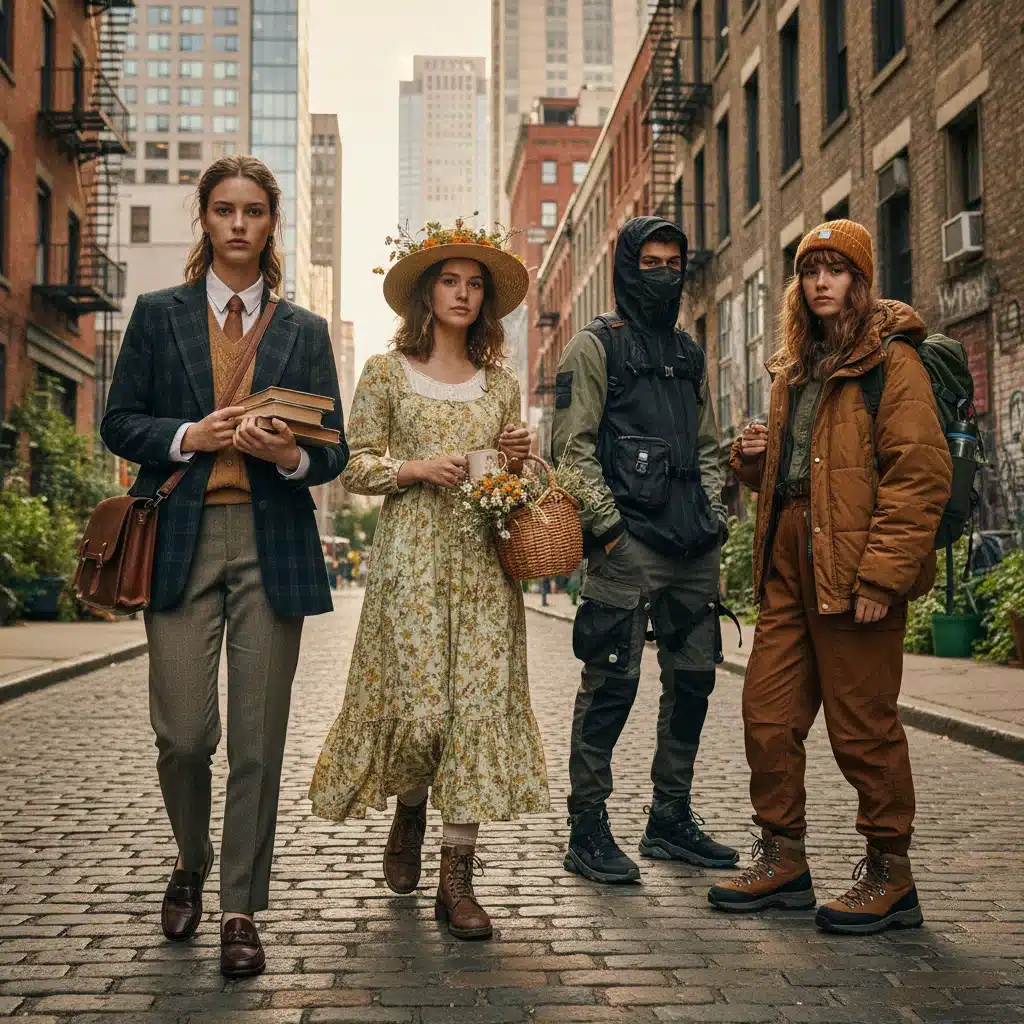
Dark Academia is more than just a style; it’s a cultural movement centered around a romanticized view of higher education, literature, and the arts. Drawing inspiration from 19th and early 20th-century European boarding schools and universities, this aesthetic evokes a sense of intellectual curiosity, mystery, and nostalgia. Key elements include tweed blazers, plaid skirts, cable-knit sweaters, collared shirts, loafers, oxfords, and often, spectacles. The color palette is typically muted, featuring deep browns, forest greens, burgundy, navy, and charcoal grey. Materials like wool, corduroy, and velvet are prominent, adding to the classic, scholarly feel.
Advertisements
The appeal of Dark Academia lies in its celebration of knowledge, reading, and a contemplative lifestyle. In a fast-paced digital world, it offers an escape into a world of timeless elegance and intellectual pursuit. Social media platforms like TikTok and Instagram have been instrumental in its rise, with users creating elaborate mood boards, short films, and outfit-of-the-day posts that embody the aesthetic. Beyond clothing, Dark Academia extends to interior design, music, and even academic pursuits, fostering a holistic lifestyle. Its growing traction in the U.S. market reflects a broader yearning for depth, history, and a touch of old-world charm amidst modern complexities. Expect to see more mainstream brands incorporating elements of this sophisticated aesthetic into their collections, solidifying its place among prominent niche fashion aesthetics.
2. Cottagecore: Romanticizing Rural Simplicity
Emerging as a powerful counter-narrative to urban hustle and digital overload, Cottagecore is an aesthetic that romanticizes an idealized rural life. It embraces themes of simplicity, self-sufficiency, harmony with nature, and traditional crafts. Think whimsical dresses, puff sleeves, floral prints, gingham, delicate embroidery, knitwear, and natural fabrics like linen and cotton. The color scheme is soft and earthy, featuring pastels, creams, whites, and muted greens and blues. Accessories often include straw hats, woven baskets, and handmade jewelry.
Cottagecore gained significant momentum during periods of lockdown, as people sought comfort and an imaginative escape to a simpler existence. It champions a slower pace of life, encouraging activities like baking, gardening, foraging, and picnicking. The aesthetic resonates deeply with those who value sustainability, ethical consumption, and a connection to nature. Its gentle, nostalgic charm offers a sense of tranquility and a rejection of fast fashion’s fleeting trends. As consumers continue to prioritize comfort, sustainability, and personal well-being, Cottagecore’s influence as a leading niche fashion aesthetic is set to expand, inspiring a return to artisanal quality and natural beauty in American wardrobes.
3. Techwear: Functional Fashion for the Urban Future
Techwear is a highly functional and futuristic aesthetic that prioritizes utility, performance, and durability, especially for urban environments. It’s characterized by innovative materials, ergonomic designs, and a sleek, often monochromatic color palette. Key features include water-resistant or waterproof fabrics, breathable membranes, multiple pockets, modular components, and adjustable straps. Garments often incorporate advanced textiles like Gore-Tex, Schoeller, and ripstop nylon, designed to protect against the elements while maintaining comfort and mobility.
Inspired by military wear, outdoor gear, and cyberpunk aesthetics, Techwear is favored by those who value practicality and a minimalist, utilitarian look. Its rise is fueled by the increasing demand for versatile clothing that can adapt to changing weather conditions and urban challenges. Brands specializing in Techwear often blend high-performance features with cutting-edge design, creating pieces that are both stylish and supremely functional. As urban living becomes more dynamic and environmental concerns grow, the appeal of Techwear as a prominent niche fashion aesthetic is undeniable. Its focus on innovation and adaptability makes it a compelling choice for the modern, tech-savvy consumer in the U.S. market.
The proliferation and growing influence of these niche fashion aesthetics are not accidental; they are driven by several powerful societal and technological forces. Understanding these drivers is key to appreciating their market impact and predicting future trends.
4. Gorpcore: Outdoor Utility Meets Urban Style
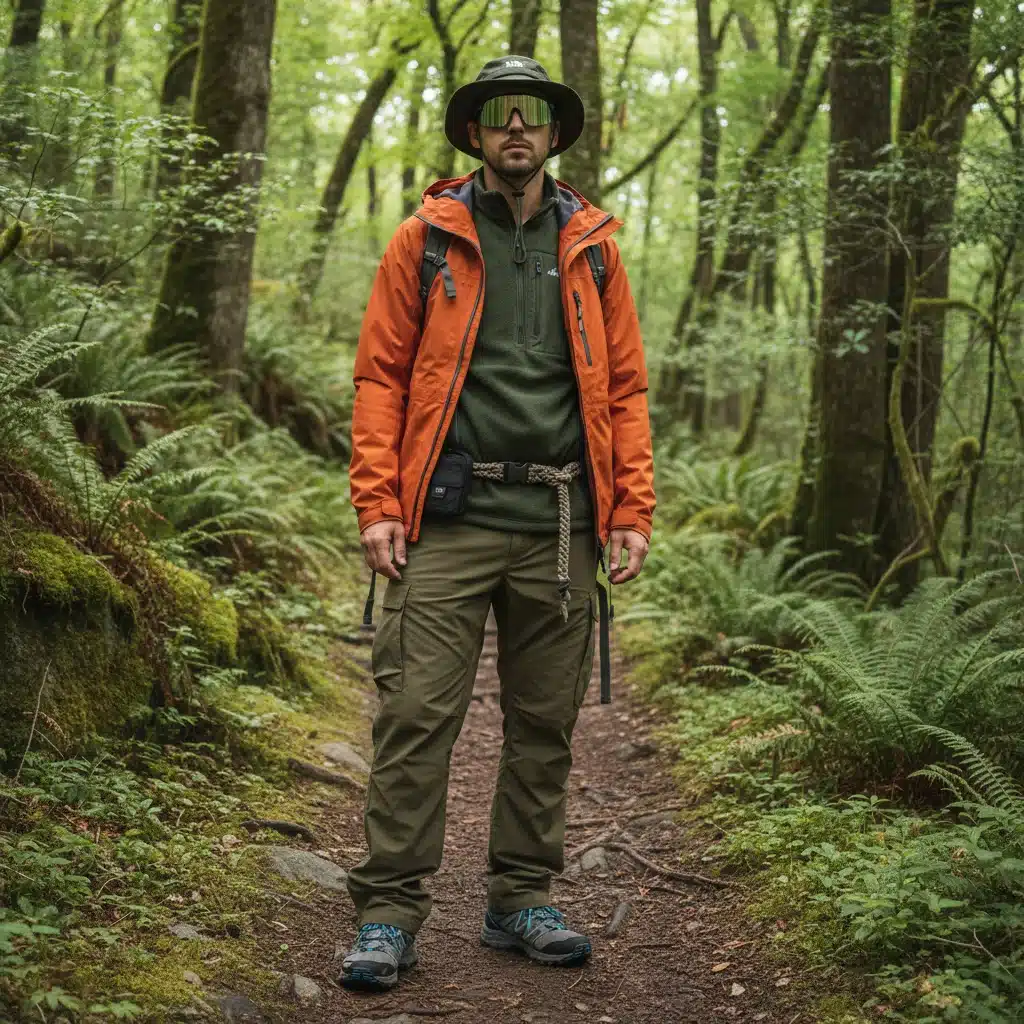
Similar to Techwear in its emphasis on functionality but with a distinct aesthetic, Gorpcore derives its name from the acronym for ‘Good Old Raisins and Peanuts’ – a classic trail mix. This aesthetic embraces practical, outdoor-focused apparel, bringing hiking and camping gear into everyday urban fashion. Think puffer jackets, fleece pullovers, cargo pants, trail shoes, technical backpacks, and beanies. Brands like Patagonia, The North Face, Arc’teryx, and Salomon are central to this style.
Gorpcore celebrates comfort, durability, and a rugged, adventurous spirit. It’s about looking ready for an outdoor excursion, even if you’re just navigating city streets. The aesthetic appeals to a growing segment of consumers who value authenticity, practicality, and a connection to nature. Its popularity surged as people sought more comfortable and versatile clothing during and after the pandemic, blurring the lines between activewear and casual wear. The blending of high-performance outdoor apparel with everyday styling has made Gorpcore a highly influential niche fashion aesthetic, reflecting a desire for functional yet fashionable clothing that can withstand various environments, from mountain trails to city parks.

5. Avant-Garde Minimalism: Stripped-Down Sophistication
Avant-Garde Minimalism is an aesthetic that challenges conventional notions of beauty by focusing on clean lines, unconventional silhouettes, and a restrained color palette. It’s a sophisticated style that prioritizes form, texture, and structural integrity over ornamentation. Designers associated with this aesthetic often experiment with deconstruction, asymmetry, and oversized proportions, using fabrics that drape beautifully or hold their shape dramatically. The color scheme is typically stark, featuring black, white, grey, and occasionally muted earth tones.
This aesthetic appeals to individuals who appreciate intellectual design, artistic expression, and a subtle yet powerful statement. It’s about quiet confidence and a rejection of overtly flashy trends. The rise of Avant-Garde Minimalism in the U.S. market reflects a growing appreciation for thoughtful design and high-quality, long-lasting garments. It’s a move away from fast fashion towards investment pieces that transcend seasonal trends. As consumers become more discerning and seek unique expressions of personal style, this sophisticated and artful niche fashion aesthetic is poised for significant growth, offering a refreshing alternative to more traditional minimalist styles.
6. Kidcore: Embracing Playfulness and Nostalgia
Kidcore is a vibrant and playful aesthetic that draws heavily from childhood nostalgia, particularly from the late 1980s, 1990s, and early 2000s. It’s characterized by bright primary colors, cartoon graphics, playful patterns, chunky sneakers, overalls, tie-dye, mismatched accessories, and DIY elements. Think Nickelodeon cartoons, brightly colored plastic toys, and classic children’s television shows. The overall vibe is cheerful, innocent, and deliberately whimsical.
This aesthetic offers a joyful escape from adult responsibilities and a celebration of youthful exuberance. It resonates with a generation that grew up with these cultural touchstones and now seeks to re-engage with that sense of carefree fun. Social media platforms have been key to its spread, with users embracing its lighthearted approach to fashion. As mental well-being and escapism become more valued, Kidcore provides a colorful and optimistic outlet for self-expression. Its increasing presence in the U.S. market signifies a desire for comfort, joy, and a playful rebellion against conventional adult fashion, making it a unique and impactful niche fashion aesthetic.
7. Regencypunk: Historical Romance with a Modern Edge
Inspired by the Regency era (early 19th-century England), particularly popularized by shows like ‘Bridgerton,’ Regencypunk takes historical romanticism and infuses it with a modern, sometimes rebellious, twist. While traditional Regencycore focuses on historical accuracy (empire-waist dresses, delicate embroidery, corsetry), Regencypunk allows for more creative interpretation. It might feature Regency silhouettes in unexpected fabrics (e.g., leather, denim), incorporate punk elements like chains or piercings with delicate gowns, or blend historical pieces with contemporary streetwear.
This aesthetic appeals to those who love historical drama, fantasy, and a touch of subversive elegance. It’s about reimagining the past through a modern lens, creating a unique fusion that is both beautiful and edgy. The rise of Regencypunk highlights a broader trend of consumers seeking fantasy and escapism in their fashion choices, allowing them to embody characters and narratives. As historical dramas continue to capture public imagination, this innovative niche fashion aesthetic is set to gain more ground in the U.S. market, offering a fresh take on period-inspired fashion that is both accessible and exciting.
8. Solarpunk: Sustainable Style for a Hopeful Future
Solarpunk is an aesthetic and movement that envisions an optimistic, sustainable future where technology and nature coexist harmoniously. In fashion, this translates to styles that are eco-conscious, functional, and aesthetically pleasing, often incorporating natural elements, upcycled materials, and designs inspired by renewable energy and lush biomes. Think earthy tones combined with vibrant greens and blues, utilitarian garments made from sustainable fabrics, botanical motifs, and perhaps subtle technological accents like solar-powered accessories or smart textiles.
The core of Solarpunk fashion lies in its commitment to environmental responsibility and a hopeful outlook. It’s a direct response to dystopian narratives and promotes a vision of a greener, more equitable future. This aesthetic resonates strongly with environmentally conscious consumers who want their clothing choices to reflect their values. As climate change concerns intensify and the demand for sustainable fashion grows, Solarpunk is poised to become a highly influential niche fashion aesthetic. It offers a stylish and practical way for individuals to express their commitment to a better planet, solidifying its place in the U.S. market as a trendsetter for conscious consumption and design.
The Driving Forces Behind Niche Fashion Aesthetics
The proliferation and growing influence of these niche fashion aesthetics are not accidental; they are driven by several powerful societal and technological forces. Understanding these drivers is key to appreciating their market impact and predicting future trends.
Social Media and Digital Communities
Platforms like TikTok, Instagram, Pinterest, and Tumblr have become fertile ground for the birth and dissemination of niche aesthetics. These platforms allow individuals to connect with like-minded people, share inspiration, and collectively define and refine a style. Hashtags and algorithm-driven content creation mean that even obscure aesthetics can quickly find a global audience. This democratization of fashion influence means that trends no longer solely originate from traditional fashion houses but can bubble up organically from online subcultures. The visual nature of these platforms is particularly conducive to sharing mood boards, outfit posts, and stylistic guides, making it easier for new aesthetics to gain traction and followers.
Individuality and Identity Expression
In an increasingly interconnected world, there’s a growing desire for individuals to express their unique identity and stand out from the crowd. Niche fashion aesthetics offer a powerful means of self-expression, allowing people to align their external appearance with their internal values, interests, and aspirations. Whether it’s the intellectual depth of Dark Academia, the whimsical escapism of Cottagecore, or the forward-thinking sustainability of Solarpunk, these aesthetics provide a clear framework for building a personal style that feels authentic and meaningful. This shift away from mass-produced, homogenous fashion towards more personalized and identity-driven choices is a fundamental driver of these trends.
Sustainability and Ethical Consumption
A significant portion of the younger generation, in particular, is highly conscious of the environmental and social impact of their consumption choices. Many niche fashion aesthetics inherently promote sustainability, whether through their emphasis on vintage and second-hand clothing (e.g., Dark Academia, Cottagecore), durable and long-lasting garments (e.g., Techwear, Gorpcore), or explicitly eco-friendly materials and practices (e.g., Solarpunk). This alignment with ethical values makes these aesthetics particularly appealing to consumers who are actively seeking alternatives to fast fashion and its detrimental effects. The desire for transparency, ethical production, and a reduced environmental footprint is increasingly influencing purchasing decisions.
Escapism and Nostalgia
In times of uncertainty and rapid change, many people seek comfort in escapism and nostalgia. Aesthetics like Cottagecore, Kidcore, and Regencypunk offer a temporary retreat into idealized pasts or imaginative futures. They provide a sense of comfort, joy, and a break from the stresses of modern life. This emotional connection to fashion is a powerful motivator, allowing individuals to use their clothing as a form of fantasy and self-care. The yearning for simpler times or more hopeful futures is beautifully manifested through these distinct stylistic choices, making them resonate deeply with a broad audience.
Intersectionality and Hybridization
The beauty of niche fashion aesthetics is their fluidity and potential for hybridization. It’s not uncommon to see elements from different aesthetics blending, creating even more personalized and unique styles. For example, a touch of Techwear functionality might be incorporated into a Gorpcore outfit, or a Dark Academia silhouette might be reinterpreted with Solarpunk’s sustainable fabrics. This intersectionality allows for continuous evolution and innovation within the fashion landscape, ensuring that these aesthetics remain dynamic and relevant. As designers and consumers continue to experiment, the boundaries between these styles will likely blur and new hybrid aesthetics will emerge, further enriching the U.S. fashion market.
Conclusion: The Future of Fashion is Niche
The U.S. fashion market by Q3 2026 will be characterized by an increased appreciation for individuality, authenticity, and diverse forms of self-expression. The rise of these eight niche fashion aesthetics—Dark Academia, Cottagecore, Techwear, Gorpcore, Avant-Garde Minimalism, Kidcore, Regencypunk, and Solarpunk—underscores a significant shift away from monolithic trends towards a more fragmented, yet richer, stylistic landscape. These aesthetics are not just fleeting fads; they represent deeper cultural currents, values, and aspirations that resonate with specific communities.
For brands and retailers, understanding and catering to these specialized tastes will be paramount for success. It means moving beyond a one-size-fits-all approach and embracing more targeted marketing, product development, and community engagement. For consumers, this era of niche fashion offers an unprecedented opportunity to explore and define their personal style in ways that are truly meaningful and reflective of who they are. As we move further into the 2020s, the future of fashion in the U.S. is undoubtedly diverse, dynamic, and deeply rooted in the captivating world of niche fashion aesthetics.