Print Power: Top 6 Patterns & Motifs Dominating US Fashion Through 2026
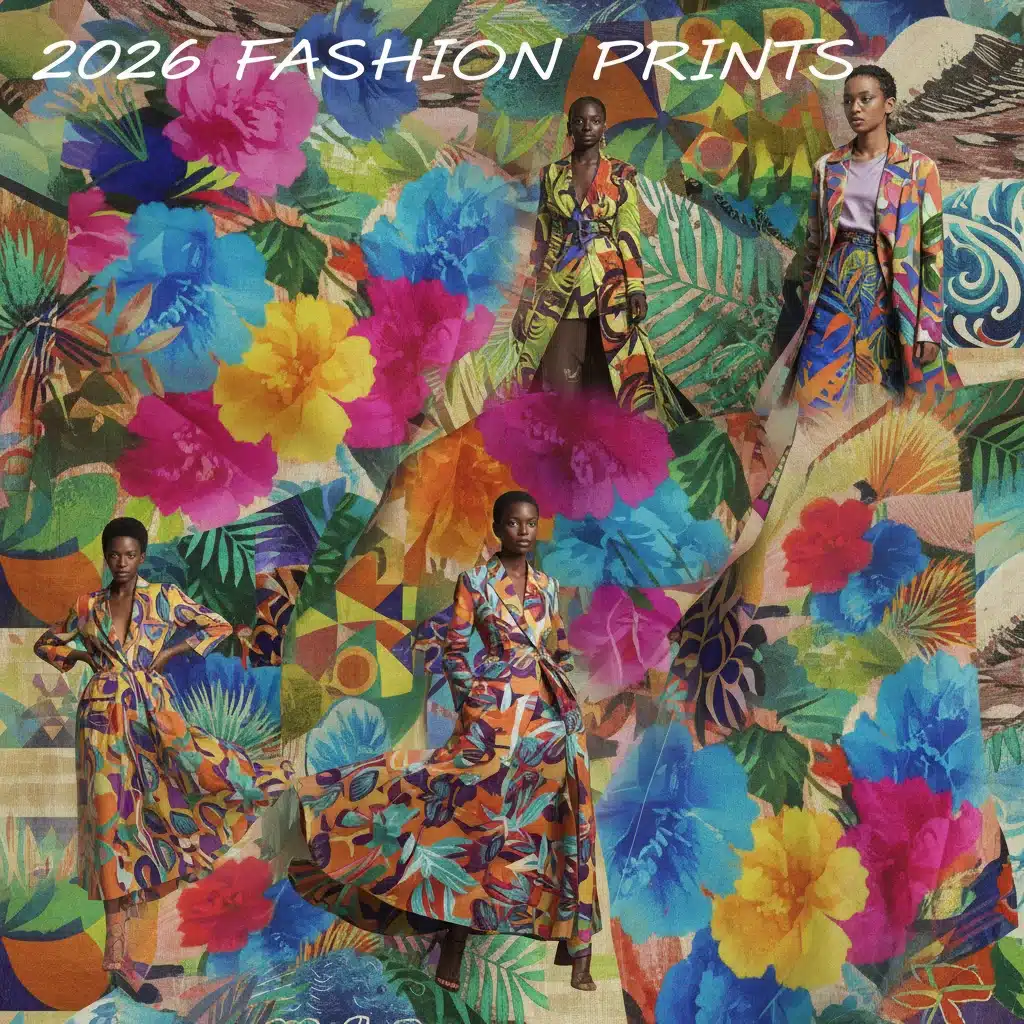
In the dynamic world of fashion, prints and patterns are more than just decorative elements; they are powerful statements, reflections of cultural shifts, and indicators of prevailing moods. As we navigate through the mid-2020s, the US fashion landscape is evolving rapidly, driven by a blend of nostalgia, innovation, and a growing emphasis on individuality and sustainability. Understanding the fashion print trends that are set to dominate through 2026 is crucial for designers, retailers, and fashion enthusiasts alike. These trends not only dictate what we see on runways and in retail stores but also influence how we express ourselves through clothing.
The upcoming years promise a rich tapestry of visual narratives, ranging from the ethereal and organic to the bold and graphic. Consumer preferences are shifting towards unique, expressive designs that tell a story, moving beyond fleeting fads to embrace more enduring and versatile motifs. This comprehensive guide delves into the top six fashion print trends and motifs expected to leave an indelible mark on US fashion through 2026. We’ll explore the aesthetics, cultural influences, and practical applications of each trend, providing a roadmap for staying ahead in an ever-changing industry.
From the resurgence of classic patterns with a modern twist to the emergence of entirely new artistic expressions, the future of fashion prints is vibrant and diverse. Get ready to immerse yourself in the world of captivating designs that will define the next few years of style.
Advertisements
1. Blurred Florals and Painterly Botanicals: The Art of Subtlety
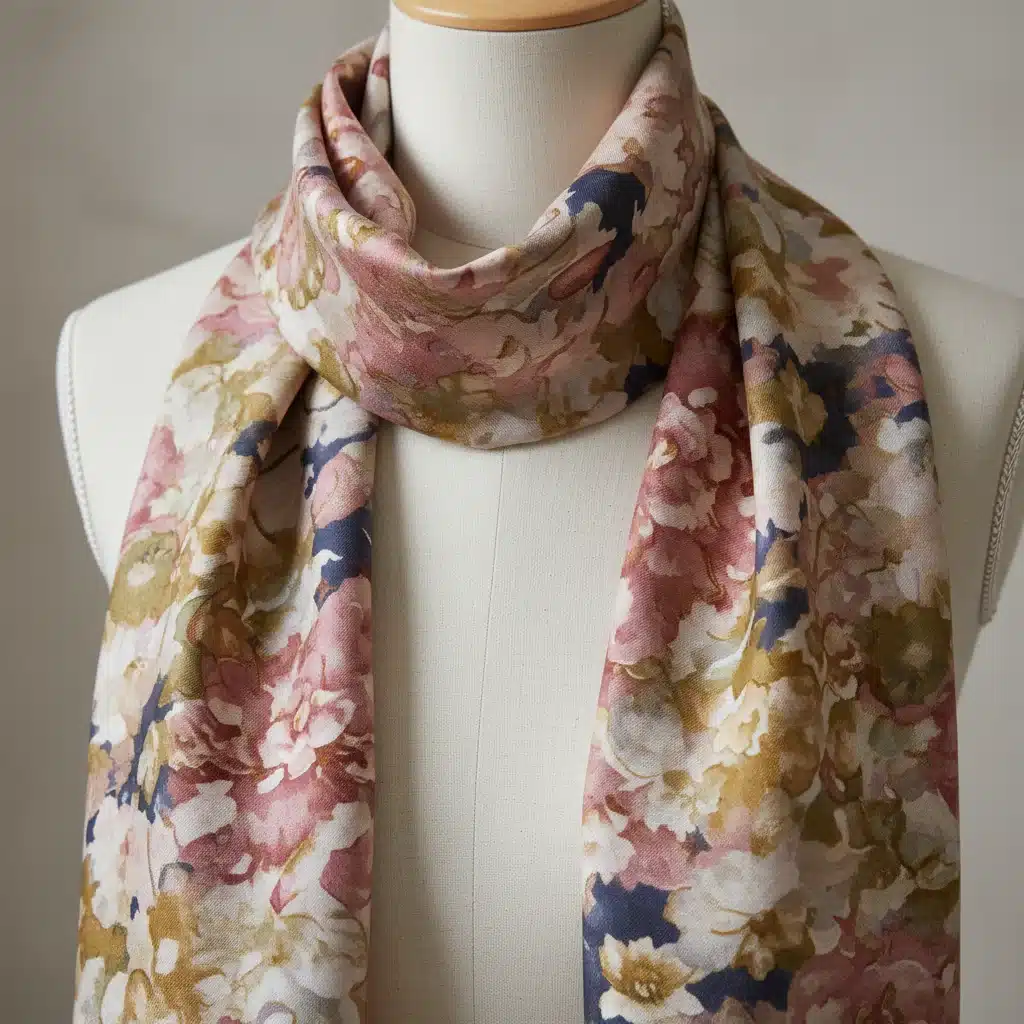
Gone are the days of sharp, hyper-realistic floral prints dominating every season. Through 2026, one of the most prominent fashion print trends will be the evolution of florals into a more abstract, painterly realm. Blurred florals and painterly botanicals offer a softer, more ethereal aesthetic, evoking a sense of romance, dreaminess, and artistic expression. This trend moves away from literal interpretations, embracing instead the impressionistic beauty of nature.
The Aesthetic Appeal
This trend is characterized by softened edges, watercolor-like effects, and a focus on color blending rather than distinct outlines. Imagine flowers that appear to be painted onto fabric with broad, expressive strokes, or botanical elements that subtly merge into one another. The color palettes often lean towards muted pastels, sophisticated jewel tones, or earthy natural hues, allowing for a versatile application across various garments and accessories. This gives a sense of depth and movement, making the prints feel more organic and less structured.
Cultural and Design Influences
The rise of blurred florals can be attributed to several factors. There’s a growing appreciation for artisanal craftsmanship and bespoke art, which these prints beautifully emulate. Furthermore, a desire for comfort and escapism, amplified by recent global events, has led to a preference for designs that feel gentle and calming. Designers are drawing inspiration from classical art movements like Impressionism and Romanticism, reinterpreting them for contemporary fashion. This trend also aligns with the broader movement towards sustainable fashion, as these prints often use natural dyes and evoke a connection to nature without being overly literal.
Application in US Fashion
Expect to see blurred florals gracing everything from flowing maxi dresses and skirts to sophisticated blouses and tailored blazers. They will be particularly popular in occasion wear, adding a touch of understated elegance, but also in elevated casual wear, bringing a refined softness to everyday looks. Fabrics like silk, satin, chiffon, and even soft cottons will carry these prints beautifully, enhancing their fluidity and drape. Accessories such as scarves, handbags, and footwear will also feature these artistic botanical designs, offering a subtle way to incorporate the trend.
2. Geometric Precision and Optical Illusions: The Return of Structure
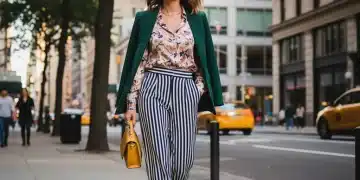
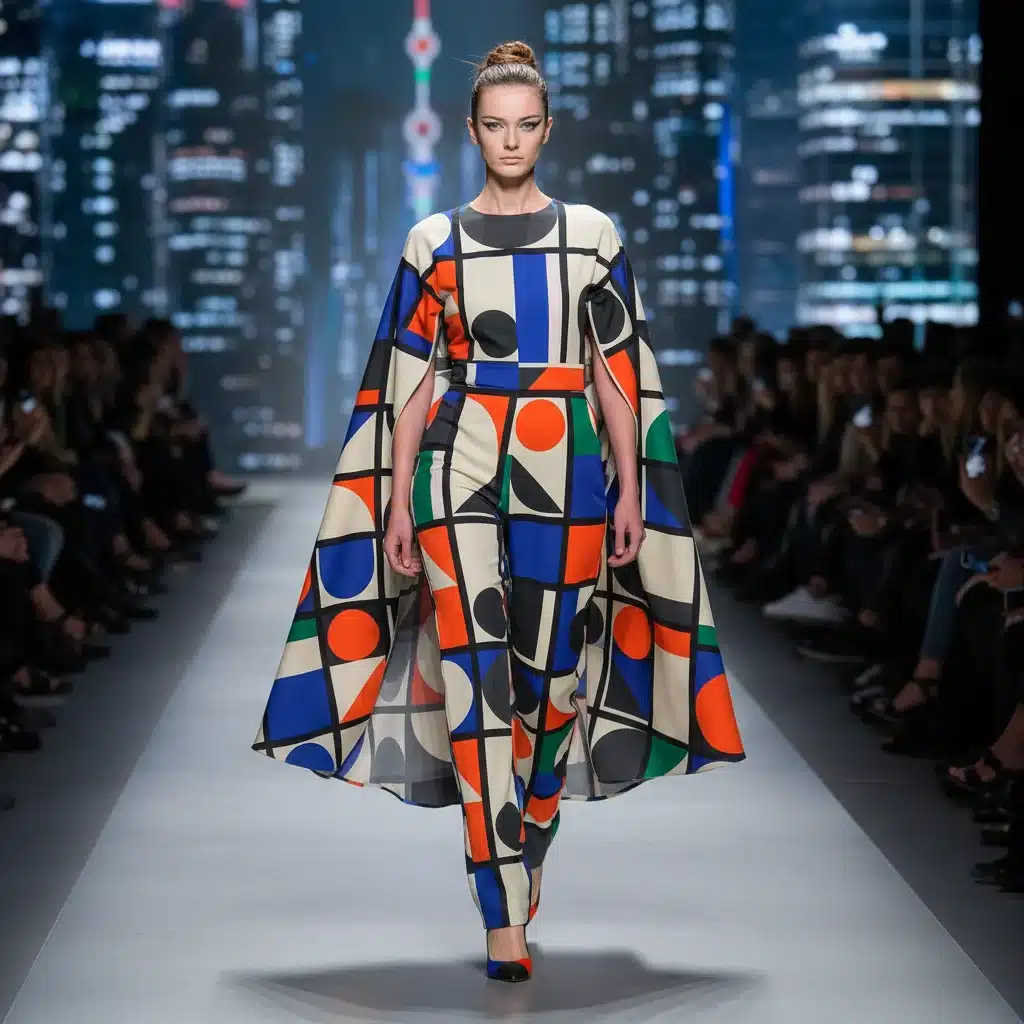
Contrasting with the softness of blurred botanicals, geometric prints are making a powerful resurgence, bringing with them a sense of order, modernity, and dynamic energy. This is one of the most impactful fashion print trends for those who appreciate structure and bold statements. Through 2026, we’ll see an emphasis on precise lines, repetitive patterns, and clever optical illusions that play with perception.
The Aesthetic Appeal
This trend encompasses a wide array of geometric forms, from classic stripes, checks, and polka dots reimagined with fresh color combinations and scales, to more complex tessellations, fractals, and abstract shapes. The key is precision and often, a sense of movement created through repetition or distortion. Optical illusions, such as moiré patterns or three-dimensional effects, add an intriguing layer, making garments appear to shift and change with the wearer’s movement. Color palettes can range from monochromatic and minimalist to vibrant and clashing, depending on the desired impact.
Cultural and Design Influences
The renewed interest in geometric prints reflects a broader cultural fascination with technology, architecture, and mathematical beauty. Art movements like Op Art and Bauhaus continue to inspire designers, who are now leveraging digital tools to create increasingly intricate and precise patterns. There’s also a nod to retrofuturism, with designs that feel both classic and forward-thinking. The desire for order and clarity in a complex world can also contribute to the appeal of well-defined geometric forms.
Application in US Fashion
Geometric prints will be ubiquitous, appearing on everything from sharply tailored suits and contemporary workwear to casual streetwear and athletic apparel. They are particularly effective on structured fabrics that can hold their shape, allowing the patterns to remain crisp and impactful. Dresses, skirts, and blouses will feature bold graphic statements, while accessories like statement bags, shoes, and jewelry will incorporate geometric motifs as focal points. Layering different geometric prints, or combining them with solid blocks of color, will be a popular styling technique, showcasing the versatility of this fashion print trends.
3. Abstract Artistry and Expressionism: Wearable Canvases
Moving further into artistic expression, abstract prints are set to become a dominant force in US fashion through 2026. This trend transforms clothing into wearable canvases, allowing for boundless creativity and individual interpretation. It’s about celebrating spontaneity, emotion, and the beauty of the undefined.
The Aesthetic Appeal
Abstract artistry in fashion prints is characterized by non-representational forms, expressive brushstrokes, splatters, drips, and fluid shapes. There’s often a sense of improvisation and raw energy, where colors blend, clash, or stand alone in captivating compositions. Think of modern art museum pieces translated onto fabric – bold and unconventional. The beauty lies in their uniqueness; no two abstract prints feel exactly alike, even if they share a common theme. Color plays a crucial role, with palettes ranging from vibrant and audacious to subdued and moody, often with unexpected combinations.
Cultural and Design Influences
This trend is deeply rooted in the appreciation for fine art and the desire for personal expression. In a world saturated with mass-produced goods, abstract prints offer a sense of individuality and artistic value. Contemporary artists and digital art forms are major inspirations, pushing the boundaries of what can be printed on fabric. There’s also a psychological aspect, as abstract art can evoke different emotions and interpretations from each viewer, making the clothing a conversation starter. The move towards more sustainable and unique fashion choices also fuels this trend, as abstract pieces often feel more handcrafted and less disposable.
Application in US Fashion
Abstract prints will be found on statement pieces such as flowing dresses, avant-garde jackets, and wide-leg trousers. They are ideal for creating impact and showcasing a bold personal style. While often seen in high fashion and designer collections, this trend will trickle down to mainstream retail, particularly in pieces designed for artistic expression and individuality. Fabrics with good drape and texture, such as silk, rayon, and even some heavier cotton blends, will be perfect canvases for these expressive designs. Abstract prints can also be used as accent pieces, on scarves, handbags, or even footwear, to add an artistic touch to a simpler outfit. This fashion print trends allows for significant creative freedom.
4. Nature-Inspired and Biophilic Motifs: Connecting with the Earth
As environmental consciousness continues to grow, so does the fashion industry’s embrace of nature-inspired and biophilic motifs. This trend is not just about floral prints; it delves deeper into the intricate beauty of the natural world, fostering a connection between the wearer and the environment. It is a significant fashion print trends for the coming years.
The Aesthetic Appeal
Beyond traditional flowers, this trend features elements like lush foliage, serene landscapes, intricate animal prints (often reimagined or stylized), geological textures, and microscopic patterns found in nature. Think of mossy textures, bark patterns, delicate insect wings, ocean currents, or celestial formations. The designs often have an organic flow and a harmonious color palette inspired directly by the earth, sky, and sea. There’s a strong emphasis on sustainability and authenticity, making these prints feel grounded and reassuring. The prints can range from realistic depictions to highly stylized or abstract interpretations of natural elements.
Cultural and Design Influences
The biophilic design movement, which seeks to connect humans with nature within built environments, directly influences this fashion trend. There’s a collective desire to reconnect with the natural world, driven by concerns about climate change and a longing for tranquility. Indigenous art, ancient botanical illustrations, and scientific diagrams of flora and fauna also serve as rich sources of inspiration. Designers are using these motifs to highlight biodiversity and promote a sense of ecological responsibility, often partnering with organizations that champion environmental causes. The trend also aligns with a broader wellness movement, as nature-inspired patterns can evoke feelings of peace and well-being.
Application in US Fashion
Nature-inspired prints will be prevalent across all categories, from outdoor and activewear to bohemian-chic casual wear and even sophisticated evening attire. They will appear on flowing fabrics like linen, organic cotton, and hemp, emphasizing their connection to natural materials. Expect to see dresses, tunics, resort wear, and accessories like scarves and bags adorned with these earthy and serene patterns. Even footwear and jewelry will incorporate natural textures and forms. This trend is particularly strong in brands that prioritize sustainability and ethical production, making it a powerful statement about values as well as style.
5. Digital Distortion and Pixelation: The Tech-Infused Aesthetic
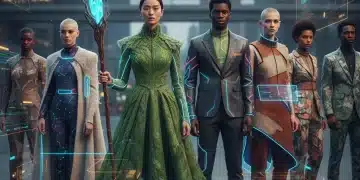
In an increasingly digital world, it’s only natural that technology would influence fashion print trends. Through 2026, digital distortion and pixelation will emerge as a cutting-edge motif, blending the physical and virtual realms. This trend celebrates the aesthetics of glitches, data, and the digital interface, offering a futuristic and edgy appeal.
The Aesthetic Appeal
This trend manifests in prints that mimic the effects of digital screens, such as pixelated images, blurred or distorted graphics, QR code-like patterns, circuit board designs, and abstract representations of data streams. Colors can be vibrant and neon, reminiscent of digital displays, or more subdued and monochromatic, playing with texture and light. The prints often have a fragmented or glitchy quality, intentionally disrupting traditional patterns to create something new and unexpected. It’s a visual language that speaks to our immersion in technology, turning digital imperfections into artistic statements.
Cultural and Design Influences
The rise of virtual reality, augmented reality, NFTs, and the metaverse are significant drivers behind this trend. As our lives become more intertwined with digital spaces, fashion naturally reflects this shift. Designers are drawing inspiration from video games, coding aesthetics, cyber art, and the visual glitches that occur in digital media. There’s also a rebellious, anti-establishment undertone, as these prints challenge conventional beauty standards by embracing the ‘imperfect’ nature of digital errors. This trend appeals to a younger, tech-savvy demographic that values innovation and forward-thinking design.
Application in US Fashion
Digital distortion and pixelation will primarily be seen in streetwear, athleisure, and avant-garde collections. Think oversized hoodies, graphic tees, tracksuits, and innovative outerwear featuring these tech-inspired prints. Fabrics with a smooth, synthetic finish, or those that can hold sharp, crisp prints, will be ideal for showcasing these designs. Accessories like sneakers, backpacks, and even smartwatches will incorporate pixelated details. This trend is about making a bold statement and signaling an engagement with contemporary culture and technology. It’s a way for individuals to express their connection to the digital age through their wardrobe.
6. Heritage Reimagined and Global Craftsmanship: A Nod to Tradition
Finally, balancing the futuristic and abstract, the US fashion scene through 2026 will also see a strong emphasis on heritage prints and global craftsmanship, but with a fresh, reimagined perspective. This trend celebrates cultural richness, traditional techniques, and the timeless appeal of classic patterns, updated for the modern era.
The Aesthetic Appeal
This category includes a broad spectrum of patterns: updated plaids, sophisticated houndstooth, reinvented paisleys, intricate tapestries, and motifs inspired by traditional textiles from around the world – African wax prints, Japanese Shibori, Indian block prints, and indigenous patterns from various cultures. The ‘reimagined’ aspect comes from unexpected color combinations, altered scales, deconstructed elements, or fusion with contemporary graphics. It’s about respecting tradition while injecting new life into classic designs. The quality of craftsmanship, whether actual or simulated, is paramount, giving these prints a sense of depth and authenticity.
Cultural and Design Influences
The growing interest in cultural identity, ethical sourcing, and supporting artisan communities worldwide fuels this trend. Consumers are increasingly seeking authenticity and stories behind their purchases. Designers are traveling, researching historical archives, and collaborating with artisans to bring these rich visual narratives into modern fashion. There’s a strong educational component, as these prints often carry cultural significance and history. The trend also taps into a sense of nostalgia and a desire for enduring style over fleeting trends, aligning with the slow fashion movement.
Application in US Fashion
Heritage-reimagined prints will be versatile, appearing in both formal and casual settings. Expect to see them on tailored coats, blazers, skirts, and dresses, offering a sophisticated and timeless appeal. In casual wear, they will manifest in bohemian blouses, comfortable trousers, and unique accessories. Fabrics with rich textures such as wool, tweed, jacquard, and embroidered cottons will enhance the depth and feel of these patterns. This fashion print trends provides an opportunity to blend classic elegance with contemporary flair, allowing for personal expression through culturally rich designs.
Conclusion: The Evolving Canvas of US Fashion
The landscape of US fashion prints and motifs through 2026 is set to be extraordinarily diverse and captivating. From the soft, artistic allure of blurred florals to the sharp, modern edge of geometric precision, and from the expressive freedom of abstract art to the grounded connection of nature-inspired motifs, each trend offers a unique visual language. The influence of technology brings digital distortion to the forefront, while a deep respect for cultural heritage reimagines classic patterns for a new generation.
For designers, these fashion print trends present a wealth of inspiration and opportunities for innovation. For retailers, understanding these shifts is key to curating collections that resonate with evolving consumer tastes. And for the fashion-conscious individual, these trends offer exciting new ways to express personal style and engage with the broader cultural conversation.
Ultimately, the dominating prints and motifs of the next few years reflect a complex interplay of artistic movements, technological advancements, environmental concerns, and a renewed appreciation for cultural authenticity. By embracing these trends, the US fashion industry can continue to evolve, inspire, and lead the way in global style. Stay tuned, as the canvas of fashion continues to be painted with ever-more imaginative and meaningful designs.