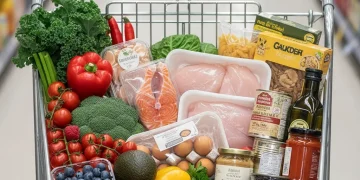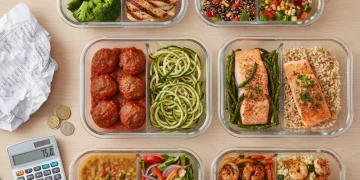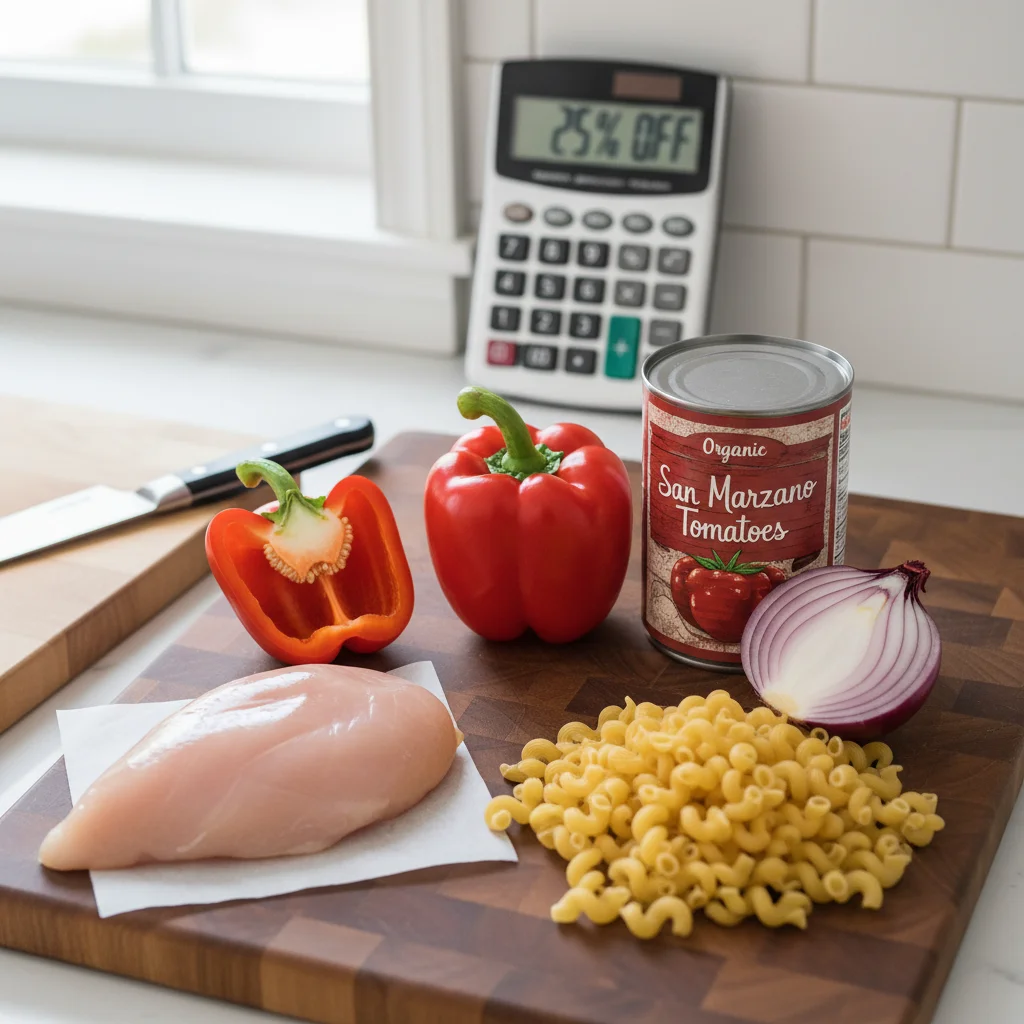
Insider Tips: How 5-Ingredient Recipes Save You 25% on Groceries This Month
In today’s economic climate, every penny counts. The rising cost of living, particularly for groceries, has many of us searching for innovative ways to stretch our budgets further. Imagine cutting your grocery bill by a significant 25% this month, all while enjoying delicious, wholesome meals. Sound too good to be true? It’s not, and the secret lies in mastering the art of 5-ingredient grocery savings. This isn’t just about cutting corners; it’s about smart planning, strategic shopping, and simplifying your cooking process to achieve remarkable financial and culinary benefits.
For many, the thought of reducing grocery spending conjures images of bland, repetitive meals or sacrificing quality. However, embracing 5-ingredient recipes challenges this notion entirely. By focusing on a core set of versatile ingredients, you not only streamline your shopping list and reduce impulse buys but also foster creativity in the kitchen. This approach minimizes food waste, optimizes your pantry, and, most importantly, puts a substantial dent in your monthly food expenses. This comprehensive guide will walk you through the transformative power of 5-ingredient grocery savings, providing actionable strategies, recipe ideas, and a mindset shift that will empower you to save big without compromising on taste or nutrition.
The Power of Simplicity: Why Fewer Ingredients Mean More Savings
The correlation between fewer ingredients and greater savings is direct and profound. When you commit to recipes with only five primary components, several cost-saving mechanisms kick into gear:
- Reduced Impulse Buys: A shorter, more focused shopping list naturally leads to fewer deviations in the grocery store. You’re less likely to be tempted by unnecessary items when you know exactly what you need for your chosen recipes. This directly contributes to 5-ingredient grocery savings.
- Minimized Food Waste: How often do you buy a specialty ingredient for one recipe, only for the rest of the package to languish in your fridge until it spoils? With fewer ingredients, you’re more likely to use up everything you buy, drastically cutting down on food waste – a silent budget killer.
- Bulk Buying Opportunities: When you identify your core versatile ingredients, you can often buy them in larger, more economical quantities. Staples like rice, pasta, beans, and certain proteins become prime candidates for bulk purchases, leading to significant long-term savings.
- Less Decision Fatigue: Simplifying your ingredient list also simplifies your mental load. Less time spent agonizing over complex recipes or extensive shopping lists means more time and energy for other aspects of your life, and less chance of making expensive, last-minute food decisions.
- Focus on Versatility: 5-ingredient recipes force you to think about ingredients that can be used in multiple ways across different meals. This versatility is key to maximizing your budget and ensuring you get the most out of every purchase.
Embracing this minimalist approach to cooking isn’t just a trend; it’s a strategic financial move that empowers you to take control of your food budget. The consistent application of 5-ingredient grocery savings principles can lead to substantial reductions in your monthly expenses, making that 25% target not just achievable, but sustainable.
Strategic Meal Planning for Maximum 5-Ingredient Grocery Savings
Effective meal planning is the cornerstone of any successful budget-cutting strategy, especially when aiming for significant 5-ingredient grocery savings. Without a plan, you’re susceptible to expensive takeout, impulse purchases, and food waste. Here’s how to plan your meals to maximize your savings:
1. Inventory Your Pantry and Fridge
Before you even think about new recipes, take stock of what you already have. This prevents duplicate purchases and ensures you utilize existing ingredients. Build your meal plan around items that are nearing their expiration date or those you have in abundance. This simple step is fundamental to achieving robust 5-ingredient grocery savings.
2. Choose Versatile Core Ingredients
When selecting your five ingredients for a week’s worth of meals, prioritize versatility. Think about items that can be transformed into different dishes. For example:
- Chicken breast: Can be grilled for salads, shredded for tacos, or cubed for stir-fries.
- Canned tomatoes: Forms the base for pasta sauces, soups, or stews.
- Eggs: Breakfast, lunch, or dinner – omelets, frittatas, or additions to salads.
- Potatoes: Baked, roasted, mashed, or added to curries.
- Spinach: Wilts into almost any savory dish, great in salads or smoothies.
By focusing on these adaptable components, you inherently reduce the need for a multitude of single-use items, reinforcing your 5-ingredient grocery savings objective.
3. Theme Your Meals (Optional but Recommended)
Some people find it helpful to theme their meals to simplify planning. For instance, ‘Meatless Monday,’ ‘Taco Tuesday,’ or ‘Pasta Thursday.’ This can guide your ingredient choices and make the 5-ingredient constraint feel less restrictive. For example, ‘Taco Tuesday’ might involve tortillas, ground meat/beans, a vegetable, cheese, and a sauce – easily fitting the 5-ingredient model.
4. Batch Cooking and Leftovers
Prepare larger quantities of adaptable components. Cook a big batch of rice or quinoa, roast a tray of vegetables, or grill extra chicken. These pre-cooked items can then be assembled into different 5-ingredient meals throughout the week, saving time and preventing food waste. Leftovers are your best friend when it comes to 5-ingredient grocery savings; plan for them to become lunch the next day.
5. Create a Detailed Shopping List
Once your meal plan is set, create a precise shopping list. Stick to it rigorously at the store. Avoid browsing aisles where you know you’re prone to impulse buys. A clear list is your shield against unnecessary spending and a direct path to realizing your 5-ingredient grocery savings goals.
Top 5-Ingredient Recipe Ideas to Kickstart Your Savings
To truly embrace 5-ingredient grocery savings, you need a repertoire of simple, delicious, and budget-friendly recipes. Here are a few categories and examples to get you started:
Pasta Dishes: The Ultimate Comfort & Cost-Saver
Pasta is incredibly versatile and cheap. Combine it with a few key ingredients for a satisfying meal.
- Garlic & Oil Pasta: Pasta, olive oil, garlic, red pepper flakes, Parmesan cheese.
- Tomato & Basil Pasta: Pasta, canned crushed tomatoes, fresh basil, garlic, olive oil.
- Tuna & Lemon Pasta: Pasta, canned tuna, lemon, olive oil, parsley (optional, but a great flavor booster if you have it).
Hearty Soups & Stews: Warm, Filling, and Frugal
Soups and stews are excellent for using up ingredients and can be incredibly nourishing with minimal components.
- Lentil Soup: Lentils, vegetable broth, carrots, celery, onion.
- Black Bean Soup: Canned black beans, vegetable broth, onion, garlic, cumin.
- Creamy Tomato Soup: Canned crushed tomatoes, vegetable broth, onion, heavy cream/milk, basil.
Quick & Easy Protein-Packed Meals
Protein doesn’t have to be expensive. Focus on eggs, beans, and affordable cuts of meat.
- Sheet Pan Sausage & Veggies: Sausage, bell peppers, onions, olive oil, seasoning (e.g., Italian herbs).
- Chicken & Rice Skillet: Chicken breast, rice, chicken broth, frozen mixed vegetables, soy sauce.
- Egg & Veggie Scramble: Eggs, spinach, onion, cheese, olive oil.
Salads & Bowls: Freshness with Simplicity
Salads don’t need a million ingredients to be flavorful and filling.
- Chickpea Salad: Canned chickpeas, cucumber, tomato, red onion, lemon-tahini dressing (tahini, lemon, water).
- Quick Quinoa Bowl: Cooked quinoa, black beans, corn, avocado, salsa.
These examples demonstrate that delicious and diverse meals are entirely possible within the 5-ingredient framework, directly contributing to your 5-ingredient grocery savings.

Smart Shopping Strategies to Enhance Your 5-Ingredient Grocery Savings
Beyond meal planning, how you shop plays a crucial role in achieving that 25% reduction. Integrate these smart shopping strategies into your routine:
1. Embrace Store Brands and Generic Products
Often, store brands are manufactured in the same facilities as name brands but sold at a fraction of the cost. For staples like canned goods, pasta, rice, and frozen vegetables, opting for generic can lead to significant 5-ingredient grocery savings without sacrificing quality.
2. Shop the Perimeter of the Store First
The freshest and often healthiest (and sometimes cheapest) items are typically found around the perimeter of the grocery store: produce, dairy, and meat. Stick to your list and avoid the center aisles, which are usually filled with processed, higher-priced items that don’t align with the 5-ingredient philosophy.
3. Utilize Sales and Coupons Wisely
While 5-ingredient recipes inherently reduce spending, keeping an eye on weekly flyers and digital coupons for your core ingredients can amplify your 5-ingredient grocery savings. Only buy what’s on sale if it fits into your meal plan and is an item you regularly use. Don’t buy something just because it’s cheap if it will go to waste.
4. Buy in Season and Locally
Produce is almost always cheaper and more flavorful when it’s in season. Visit local farmer’s markets for even better deals and to support local producers. This practice not only saves money but also encourages healthier eating habits that complement your 5-ingredient grocery savings efforts.
5. Avoid Shopping When Hungry
This is a classic but critical tip. Shopping on an empty stomach makes you more susceptible to impulse buys and expensive cravings. Eat a snack or a small meal before heading to the store to maintain focus on your list and budget.
6. Compare Unit Prices
Don’t just look at the overall price; check the unit price (price per ounce, per pound, etc.). This will help you determine if a larger package is truly a better deal, especially for your frequently used 5-ingredient staples.
Beyond the Plate: The Broader Benefits of 5-Ingredient Cooking
While the primary goal here is to achieve substantial 5-ingredient grocery savings, the benefits extend far beyond your wallet. Adopting this cooking style can positively impact several other areas of your life:
Time Efficiency
With fewer ingredients to prep and combine, cooking time is drastically reduced. This is a huge advantage for busy individuals and families. Imagine spending less time in the kitchen and more time enjoying your evenings, all while still eating homemade meals. The simplicity of 5-ingredient recipes translates directly into more free time.
Reduced Stress and Decision Fatigue
Meal planning and cooking can often feel like a chore, especially after a long day. By limiting your ingredients, you simplify the entire process – from planning to shopping to cooking. This reduction in mental load can significantly lower stress levels associated with daily meal preparation, making your journey towards 5-ingredient grocery savings more enjoyable.
Healthier Eating Habits
When you cook with fewer ingredients, you tend to focus on whole, unprocessed foods. This naturally leads to a healthier diet, as you’re less reliant on pre-packaged meals or ingredients loaded with additives. The emphasis on fresh produce, lean proteins, and simple carbohydrates supports a balanced nutritional intake, making 5-ingredient grocery savings a win-win for both your finances and your health.
Increased Culinary Creativity
Paradoxically, having fewer ingredients can spark more creativity. When you’re limited, you’re forced to think outside the box and find new ways to combine and flavor your core items. This can lead to exciting discoveries and a deeper appreciation for the versatility of common ingredients, enhancing your overall cooking experience.
Environmental Impact
Minimizing food waste is not just good for your wallet; it’s also good for the planet. Food waste contributes significantly to greenhouse gas emissions. By embracing the 5-ingredient philosophy and using up everything you buy, you’re actively reducing your environmental footprint, adding another layer of positive impact to your 5-ingredient grocery savings journey.
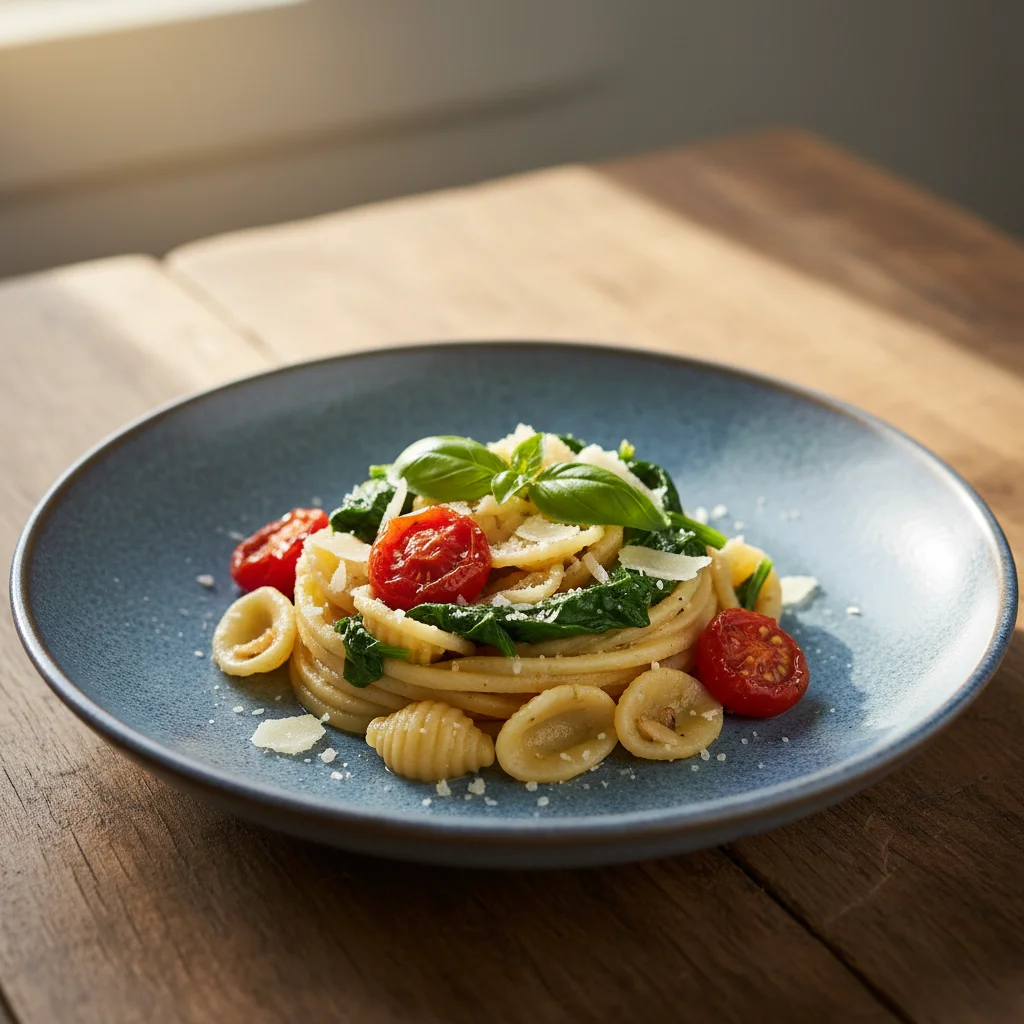
Overcoming Challenges and Staying Motivated for 5-Ingredient Grocery Savings
Like any new habit, sticking to 5-ingredient grocery savings might present some challenges. Here’s how to overcome them and stay motivated:
1. Start Small and Gradually Expand
Don’t try to overhaul your entire cooking routine overnight. Begin by planning just 2-3 5-ingredient meals a week. Once you get comfortable, gradually increase the number. This incremental approach makes the transition smoother and more sustainable.
2. Embrace Seasonings and Spices
While the core ingredients are limited to five, your spice cabinet is your secret weapon. Don’t count salt, pepper, herbs, and spices towards your five ingredients. These flavor enhancers can transform simple dishes and prevent monotony, ensuring your 5-ingredient grocery savings don’t come at the cost of taste.
3. Keep a Running List of Favorite 5-Ingredient Recipes
As you discover new recipes that work well for you, keep a master list. This will save you time during meal planning and provide a reliable source of inspiration when you’re feeling uninspired. Building this personal library is crucial for long-term 5-ingredient grocery savings.
4. Track Your Savings
Seeing the tangible results of your efforts can be incredibly motivating. Keep a simple spreadsheet or use a budgeting app to track your grocery spending before and after implementing the 5-ingredient strategy. Witnessing that 25% (or more!) reduction in your bill will reinforce your commitment to 5-ingredient grocery savings.
5. Don’t Be Afraid to Experiment
Once you understand the principles, feel free to swap ingredients based on what’s on sale or what you have on hand. If a recipe calls for bell peppers but carrots are cheaper, make the swap! This flexibility is key to truly maximizing your 5-ingredient grocery savings.
6. Involve the Family
If you have a family, get them involved in the meal planning and cooking process. When everyone contributes, it becomes a shared goal, and they are more likely to embrace the meals. Kids can help choose ingredients or simple tasks, fostering a sense of ownership over the 5-ingredient grocery savings initiative.
Conclusion: Your Path to Sustainable 5-Ingredient Grocery Savings
Achieving a 25% reduction in your grocery bill this month is not an insurmountable challenge; it’s a strategic goal made entirely possible through the disciplined and creative application of 5-ingredient grocery savings principles. By simplifying your ingredient list, embracing smart meal planning, and adopting savvy shopping habits, you’ll discover a world where delicious, wholesome meals coexist with a significantly healthier budget.
This approach is more than just a temporary fix; it’s a sustainable lifestyle change that offers a multitude of benefits, from saving money and time to reducing stress and food waste. It empowers you to be more intentional with your food choices and become a more resourceful home cook. Start today by choosing a few simple 5-ingredient recipes, planning your shopping trip, and watch as your grocery savings grow. Your wallet and your taste buds will thank you.
Are you ready to transform your grocery shopping and cooking habits? Share your favorite 5-ingredient recipes and tips in the comments below! Let’s build a community focused on smart, sustainable 5-ingredient grocery savings!