Save 15% on Groceries in 2026: Practical Solutions for Healthy Eating on a Budget

In an era where the cost of living continues to rise, finding innovative ways to manage household expenses is more crucial than ever. For many families, groceries represent one of the most significant variable costs. The good news is that with strategic planning and consistent effort, it’s entirely possible to make substantial savings without compromising on nutrition or taste. This comprehensive guide will equip you with practical solutions to help you save 15% on groceries in 2026, ensuring you can maintain healthy eating habits on a budget.
We understand that the idea of cutting down on grocery expenses might conjure images of bland meals and restrictive diets. However, our focus is on smart shopping, efficient meal planning, and maximizing every dollar spent, all while prioritizing wholesome and delicious food. By implementing the strategies outlined here, you’ll not only save money but also gain a deeper understanding of your food consumption patterns, reduce waste, and potentially discover new culinary delights.
The journey to save 15% on groceries begins with a shift in mindset. It’s about becoming a conscious consumer, making informed choices, and adopting habits that promote both financial well-being and a healthy lifestyle. Let’s dive into the actionable steps you can take starting today to transform your grocery budget.
Understanding Your Current Grocery Spending to Save on Groceries
Before you can effectively cut costs, you need to know where your money is currently going. Many people are surprised to learn how much they spend on groceries each month. Tracking your expenses for a few weeks or even a month can provide invaluable insights.
The Power of Tracking
Start by collecting all your grocery receipts. Categorize your purchases: fresh produce, dairy, meat, pantry staples, snacks, beverages, and impulse buys. Use a spreadsheet, a budgeting app, or even a simple notebook. This exercise will highlight areas where you might be overspending and identify opportunities to save on groceries.
- Identify Patterns: Do you frequently buy convenience foods? Are certain categories consistently high?
- Spot Waste: How much of what you buy actually gets eaten? Food waste is money wasted.
- Set a Baseline: Once you know your average spending, you can set a realistic goal for a 15% reduction.
For example, if you currently spend $800 a month on groceries, a 15% reduction means aiming for $680. This $120 saving can significantly impact your overall budget over a year.
Strategic Meal Planning: The Cornerstone of Saving
One of the most effective ways to save on groceries is through meticulous meal planning. This isn’t just about deciding what to eat; it’s about planning around sales, utilizing ingredients efficiently, and minimizing food waste.
Weekly Meal Planning for Success
Dedicate a specific time each week to plan your meals. Consider the following:
- Check Your Pantry and Fridge First: Before making a shopping list, see what you already have. This prevents duplicate purchases and ensures you use up existing ingredients.
- Build Meals Around Sale Items: Browse weekly flyers from your local supermarkets. Plan your meals around proteins, produce, and pantry staples that are on sale. This is a game-changer for reducing costs.
- Plan for Leftovers: Cook larger batches of certain dishes that can be repurposed for lunches or another dinner. This saves time and money.
- Theme Nights: “Meatless Mondays,” “Taco Tuesdays,” or “Pasta Thursdays” can simplify planning and often incorporate more budget-friendly ingredients.
- Incorporate Plant-Based Meals: Legumes, grains, and vegetables are generally less expensive than meat and can be incredibly nutritious and filling. Aim for at least 2-3 plant-based meals per week to significantly save on groceries.
A well-planned week can reduce impulse buys and the dreaded “what’s for dinner?” panic, which often leads to expensive takeout.
Smart Shopping Strategies to Save on Groceries
Your approach to shopping itself can have a profound impact on your grocery bill. Adopt these smart shopping habits to maximize your savings.
Making a Detailed Shopping List (and Sticking to It!)
Once your meal plan is set, create a comprehensive shopping list. Organize it by supermarket aisle to save time and prevent backtracking. The golden rule: stick to your list. Impulse purchases are notorious budget busters.
Comparing Prices and Utilizing Sales
Don’t be loyal to just one supermarket. Different stores have different strengths. Some might offer better prices on produce, while others excel in dairy or bulk items.
- Weekly Flyers: As mentioned, these are your best friends. Always check them before planning and shopping.
- Unit Pricing: Pay attention to the “unit price” (price per ounce, per pound, etc.) displayed on shelf tags. This helps you compare different sizes and brands to find the best value. Larger quantities aren’t always cheaper.
- Store Brands Vs. Name Brands: Store brands have come a long way in quality and are almost always more affordable. Give them a try; you might be pleasantly surprised.
Embracing Bulk Buying (Wisely)
Buying in bulk can lead to significant savings, but only if done correctly. Only buy bulk items you know you’ll use before they expire or spoil. Excellent bulk buys include:
- Grains (rice, oats, quinoa)
- Dried beans and lentils
- Nuts and seeds
- Frozen fruits and vegetables
- Non-perishable pantry staples (canned goods, pasta)
Ensure you have proper storage solutions (airtight containers) to keep bulk items fresh.
Shopping Seasonally
Produce is always cheaper and tastier when it’s in season. Learn what fruits and vegetables are in season in your region and plan your meals around them. This is a simple yet effective way to save on groceries and enjoy fresher food.
Leveraging Coupons and Loyalty Programs
Don’t let food go to waste! Get creative in the kitchen.
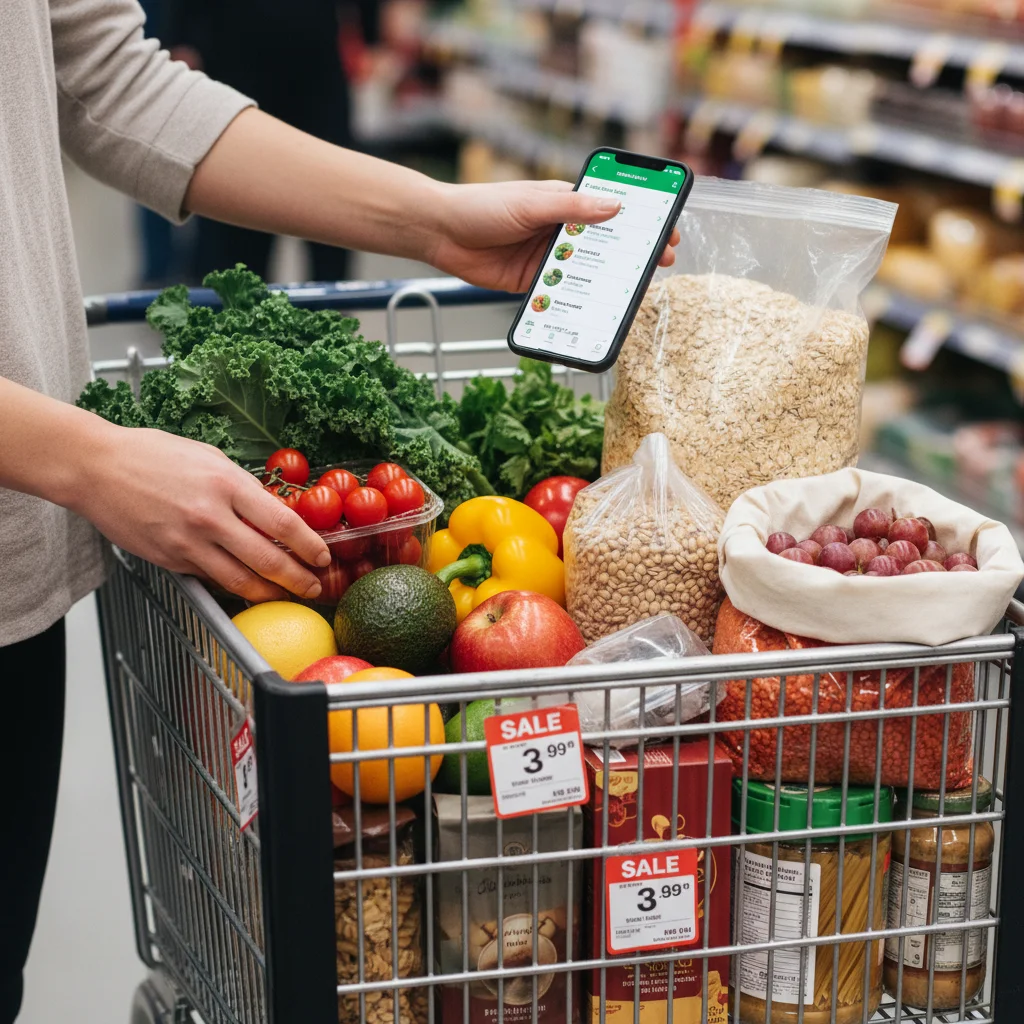
Coupons are not just for extreme savers. Even a few dollars saved here and there add up. Many supermarkets offer digital coupons through their apps, making them easy to use.
- Digital Coupons: Check store apps before you shop. Load coupons directly to your loyalty card.
- Loyalty Programs: Sign up for every supermarket’s loyalty program. They often provide exclusive discounts, personalized offers, and fuel points.
- Cashback Apps: Apps like Ibotta, Fetch Rewards, or Checkout 51 offer cashback on specific purchases, further reducing your out-of-pocket expenses.
Reducing Food Waste: Saving Money and the Planet
Food waste is a huge drain on both your wallet and the environment. By minimizing what you throw away, you directly save on groceries.
Proper Food Storage
Understanding how to store different foods correctly can extend their shelf life significantly.
- Produce: Store fruits and vegetables in the right places (fridge, counter, pantry) and separate ethylene-producing fruits (like apples and bananas) from other produce to prevent premature ripening.
- Leftovers: Store leftovers in clear, airtight containers in the fridge, and label them with the date. Aim to eat them within 3-4 days.
- Freezing: The freezer is your best friend. Freeze excess produce, cooked meals, bread, and even dairy products nearing their expiration date.
Creative Cooking with Leftovers and Scraps
Don’t let food go to waste! Get creative in the kitchen.
- Vegetable Scraps: Keep a bag of vegetable scraps (onion peels, carrot tops, celery ends) in the freezer to make homemade vegetable broth.
- Stale Bread: Turn stale bread into croutons, breadcrumbs, or a delicious panzanella salad.
- Wilting Produce: Use slightly wilting vegetables in soups, stews, stir-fries, or smoothies.
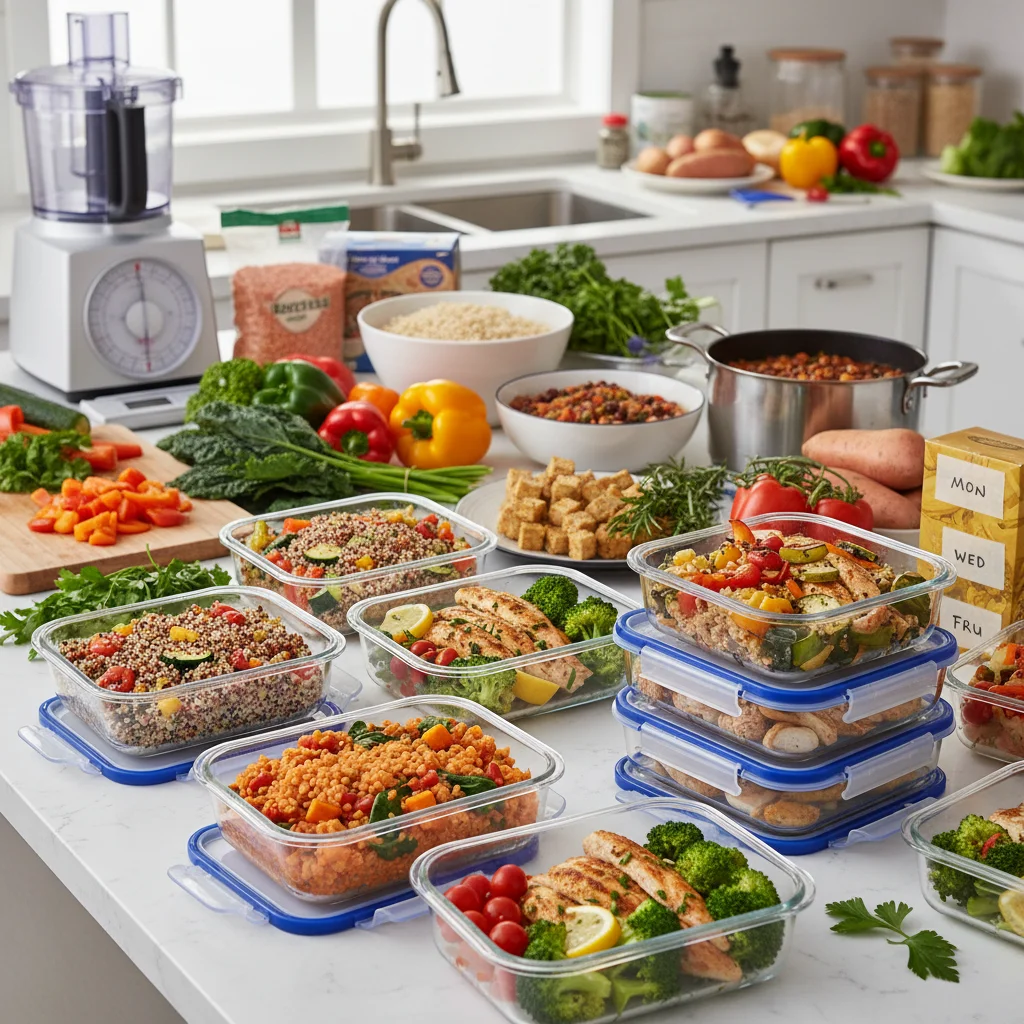
- Batch Cooking: Cook large portions of versatile ingredients like roasted chicken or quinoa, and use them in different meals throughout the week.
Budget-Friendly Recipes and Cooking Techniques
Eating healthy on a budget doesn’t mean sacrificing flavor. Many nutritious ingredients are incredibly affordable.
Embrace Affordable Proteins
- Legumes: Dried beans, lentils, and chickpeas are incredibly cheap, versatile, and packed with protein and fiber.
- Eggs: A powerhouse of nutrition and very economical.
- Canned Fish: Tuna, salmon, and sardines are affordable sources of omega-3s and protein.
- Chicken Thighs/Drumsticks: Often cheaper than breasts and full of flavor.
- Ground Meat: Can be stretched further with vegetables and grains in dishes like chili or tacos.
Mastering Basic Cooking Skills
Cooking from scratch is almost always cheaper and healthier than buying pre-made or processed foods. Learning a few basic cooking techniques can open up a world of budget-friendly meals.
- Stir-Frying: Quick, healthy, and perfect for using up leftover vegetables.
- Roasting: Brings out the natural sweetness in vegetables and is great for sheet pan meals.
- Soup Making: An excellent way to use up odds and ends from your fridge and create comforting, inexpensive meals.
- Baking Your Own Bread: Can be a significant saver if you consume a lot of bread.
Utilizing Your Freezer Effectively
Your freezer is a powerful tool in your quest to save on groceries. Use it to:
- Store Sale Items: Stock up on meat, poultry, or fish when they are on a deep discount.
- Freeze Leftovers: Portion out cooked meals into individual servings for quick, healthy lunches or dinners.
- Preserve Produce: Freeze fruits for smoothies and vegetables for future cooking.
Beyond the Supermarket: Alternative Shopping Options
Sometimes, the best deals aren’t found in traditional grocery stores.
Farmers’ Markets (Strategically)
While often perceived as expensive, farmers’ markets can offer great deals, especially towards the end of the market day when vendors are looking to sell off remaining produce. You might also find better prices on seasonal items directly from the growers, and the produce is typically fresher.
Ethnic Markets and Discount Stores
These stores often specialize in specific ingredients and can offer significantly lower prices on spices, international foods, and certain produce items. Explore them to find hidden gems and expand your culinary repertoire without breaking the bank.
Community Supported Agriculture (CSA)
Consider joining a CSA program. You pay an upfront fee to a local farm and receive a weekly share of fresh, seasonal produce. This can encourage you to cook with new vegetables and often provides excellent value for money while supporting local agriculture.
Mindful Eating and Lifestyle Changes
Saving money on groceries isn’t just about where and how you shop; it’s also about your relationship with food.
Avoid Shopping When Hungry
This is a classic tip for a reason. Shopping on an empty stomach leads to impulsive, often unhealthy, and expensive purchases. Eat a meal or a snack before heading to the store.
Limit Processed Foods and Sugary Drinks
These items are often expensive, offer little nutritional value, and contribute to higher grocery bills. Focusing on whole, unprocessed foods is not only healthier but also more economical in the long run.
Grow Your Own (Even a Little)
If you have the space, consider starting a small herb garden or growing a few easy-to-grow vegetables like lettuce, tomatoes, or peppers. Even a small yield can significantly reduce your need to buy these items, adding up to savings over time.
Setting Yourself Up for Success in 2026
Achieving your goal to save 15% on groceries in 2026 requires consistency and a willingness to adapt. Here’s how to ensure long-term success:
- Review and Adjust: Periodically review your grocery spending and meal plans. What worked well? What didn’t? Adjust your strategies as needed.
- Educate Yourself: Continuously learn about nutrition, cooking techniques, and smart shopping hacks. The more knowledgeable you are, the easier it becomes to make budget-friendly choices.
- Involve the Family: Get everyone on board with the goal. Children can help with meal planning, shopping lists, and even simple cooking tasks, making it a family effort.
- Celebrate Small Wins: Acknowledge your progress. Did you stick to your budget this week? Did you successfully use up all your leftovers? Celebrate these achievements to stay motivated.
The Long-Term Benefits of Saving on Groceries
Beyond the immediate financial relief, adopting these strategies to save on groceries offers a multitude of long-term benefits:
- Improved Health: Focusing on whole foods, cooking from scratch, and reducing processed items naturally leads to a healthier diet.
- Reduced Stress: Financial stability around food expenses can significantly lower stress levels.
- Environmental Impact: Reducing food waste and making conscious purchasing decisions contribute to a more sustainable lifestyle.
- Enhanced Culinary Skills: You’ll become a more confident and creative cook, able to whip up delicious meals with whatever ingredients you have on hand.
- Greater Financial Freedom: The money saved can be redirected towards other financial goals, such as debt reduction, savings, or investments.
By committing to these practical solutions, you’re not just cutting down on your grocery bill; you’re investing in your health, your finances, and a more sustainable future. Make 2026 the year you master the art of healthy eating on a budget and proudly declare that you can indeed save 15% on groceries!
Remember, every small change adds up. Start with one or two strategies that resonate most with you, and gradually incorporate more. Consistency is key. Happy saving, and happy healthy eating!