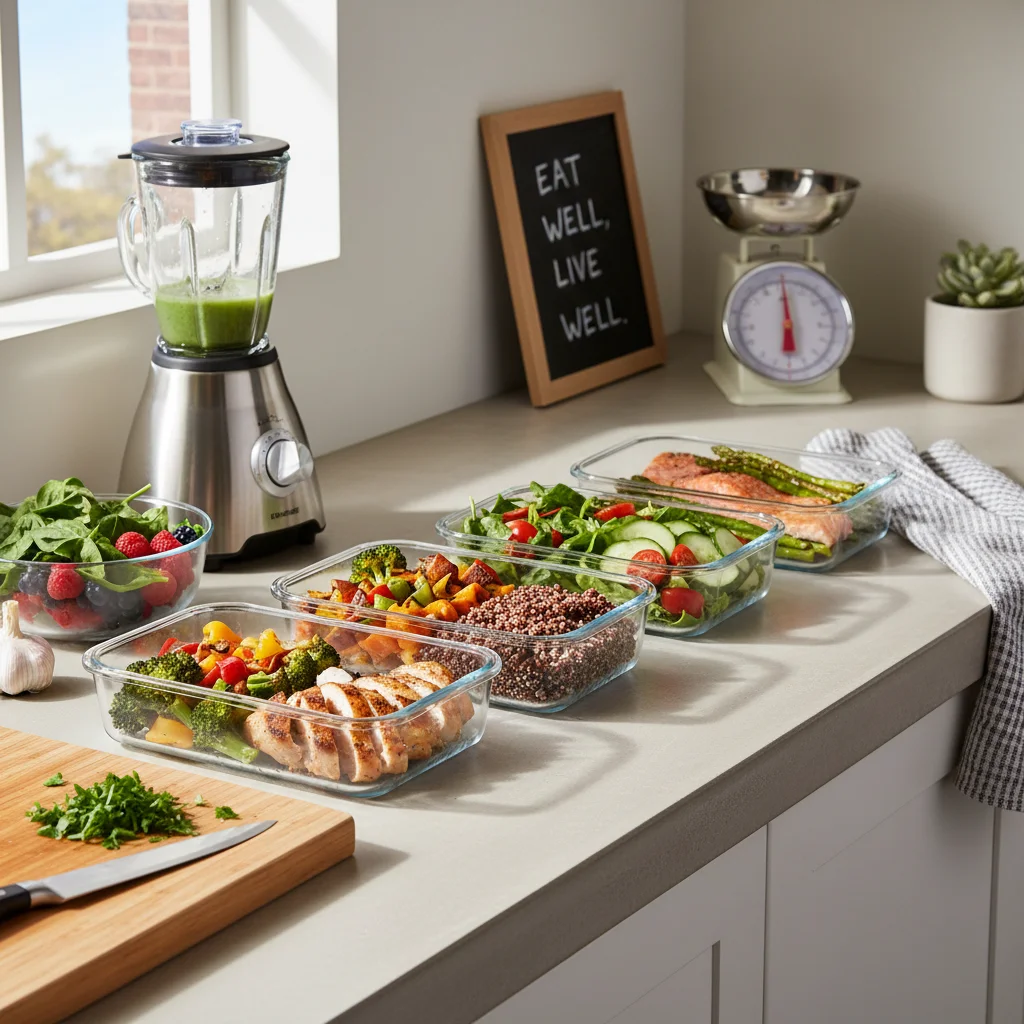
Master Meal Prep: 3 Hours, 7 Days of Healthy Eating for Busy Americans
In the relentless rhythm of modern life, where deadlines loom and schedules overflow, the quest for healthy eating often feels like an insurmountable challenge. For busy Americans, the idea of preparing nutritious meals consistently can seem like a luxury reserved for those with endless free time. However, what if we told you that with just three dedicated hours a week, you could revolutionize your eating habits, ensuring seven days of delicious, healthy, and budget-friendly meals? Welcome to the world of efficient meal prep strategies, a game-changer for anyone looking to reclaim their kitchen and their health.
The allure of convenience foods and takeout is undeniable when time is short. Yet, these options often come with a hidden cost: higher expenses, questionable nutritional value, and a general feeling of being out of control of one’s diet. This is where strategic meal preparation steps in, offering a powerful antidote to the chaos. By investing a small fraction of your week, you can create a culinary roadmap that supports your health goals, saves money, and significantly reduces daily stress.
This comprehensive guide will delve deep into the art and science of meal prep strategies, specifically tailored for the fast-paced American lifestyle. We’ll cover everything from foundational principles to advanced techniques, ensuring that by the end, you’ll be equipped with the knowledge and confidence to transform your weekly food routine. Prepare to discover how three hours can truly change your entire week.
Understanding the ‘Why’ Behind Effective Meal Prep Strategies
Before diving into the ‘how,’ it’s crucial to grasp the profound benefits of adopting robust meal prep strategies. It’s more than just cooking ahead; it’s a lifestyle choice that impacts multiple facets of your well-being.
1. Health and Nutrition Optimization
When you prepare your meals in advance, you gain complete control over the ingredients. This means you can easily minimize processed foods, unhealthy fats, excessive sodium, and added sugars. Instead, you can prioritize lean proteins, whole grains, fresh fruits, and an abundance of vegetables. For individuals with specific dietary needs or health goals—whether it’s weight management, managing blood sugar, or improving athletic performance—meal prep becomes an indispensable tool. You can meticulously track macros, ensure adequate nutrient intake, and avoid impulsive, unhealthy food choices driven by hunger and lack of time.
2. Significant Time Savings
Imagine coming home after a long, exhausting day and not having to think about what to cook. No more staring blankly into the refrigerator, no more last-minute grocery runs, and certainly no more waiting for delivery. With meals prepped, you simply reheat and eat. This liberation of time, especially during busy weeknights, is perhaps one of the most compelling advantages of effective meal prep strategies. Those precious minutes saved can be redirected towards family, hobbies, exercise, or simply unwinding.
3. Financial Benefits
Eating out, even occasionally, adds up quickly. Takeout and restaurant meals are notoriously more expensive than home-cooked food. By planning and preparing your meals, you drastically cut down on these expenses. Bulk buying ingredients, utilizing sales, and minimizing food waste (a common issue when cooking spontaneously) all contribute to substantial savings. Over weeks and months, the financial impact of smart meal prep strategies can be truly remarkable, freeing up funds for other priorities.
4. Reduced Stress and Decision Fatigue
The mental load of daily meal planning and cooking can be surprisingly heavy. Deciding what to eat, shopping for ingredients, and then the actual cooking and cleanup – it all contributes to decision fatigue. Meal prep eliminates much of this daily burden. With a clear plan and ready-to-eat meals, you remove a significant source of stress, allowing you to approach your week with greater calm and focus.
5. Portion Control and Mindful Eating
Pre-portioned meals are a cornerstone of effective meal prep strategies. This makes it incredibly easy to manage your caloric intake and avoid overeating. When you know exactly how much you’re consuming, you can eat more mindfully and stay on track with your health objectives without constant vigilance.
The 3-Hour Weekly Meal Prep Blueprint: Your Step-by-Step Guide
Now that we understand the immense value, let’s break down how to execute these meal prep strategies in just three hours a week. This blueprint is flexible and can be adapted to your specific needs and preferences.
Phase 1: Planning (30-45 Minutes)
This is arguably the most critical phase. Proper planning is the foundation of successful meal prep.
- Choose Your Meals (10-15 minutes): Don’t overcomplicate it. Start with 3-4 main dishes that you enjoy and that are relatively easy to scale. Think about versatile components: a protein, a complex carbohydrate, and a vegetable. For example: grilled chicken, roasted sweet potatoes, and steamed broccoli; or ground turkey chili; or lentil soup with whole-wheat bread. Consider meals that can be repurposed (e.g., leftover chicken can become a salad or a wrap). Look for recipes that use similar ingredients to minimize your shopping list.
- Check Your Inventory (5-10 minutes): Before you write your shopping list, check your pantry, fridge, and freezer. What do you already have? This prevents unnecessary purchases and helps reduce food waste.
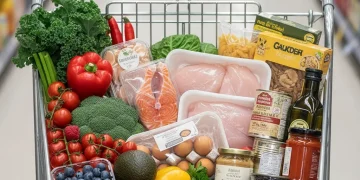
- Create a Detailed Shopping List (10-15 minutes): Organize your list by grocery store sections (produce, dairy, meat, dry goods, frozen). This will make your shopping trip much faster and more efficient. Be specific about quantities.
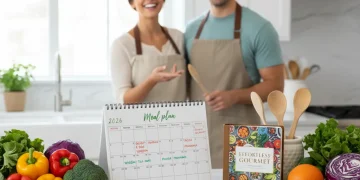
- Schedule Your Prep Time (5 minutes): Pick a consistent time each week. Sunday afternoon is a popular choice for many, but choose what works best for your schedule. Treat it like an important appointment.
Phase 2: Shopping (45-60 Minutes)
With a well-organized list, your grocery trip should be swift and focused.
- Stick to Your List: Avoid impulse buys, especially in the middle aisles where processed foods often reside. Focus on the perimeter of the store for fresh produce, lean proteins, and dairy.
- Buy in Bulk Strategically: If you have storage space, consider buying non-perishables like grains, pasta, and canned goods in larger quantities when they are on sale. For perishables, only buy what you know you’ll use to avoid waste.
- Consider Online Grocery Shopping/Pickup: If available in your area, this can be a huge time-saver. You build your cart online, and either pick it up or have it delivered, cutting out the in-store browsing time entirely.
Phase 3: Preparation & Cooking (60-90 Minutes)
This is where the magic happens. Efficiency is key here. Think of it as an assembly line.
- Pre-Prep Your Ingredients (15-20 minutes):
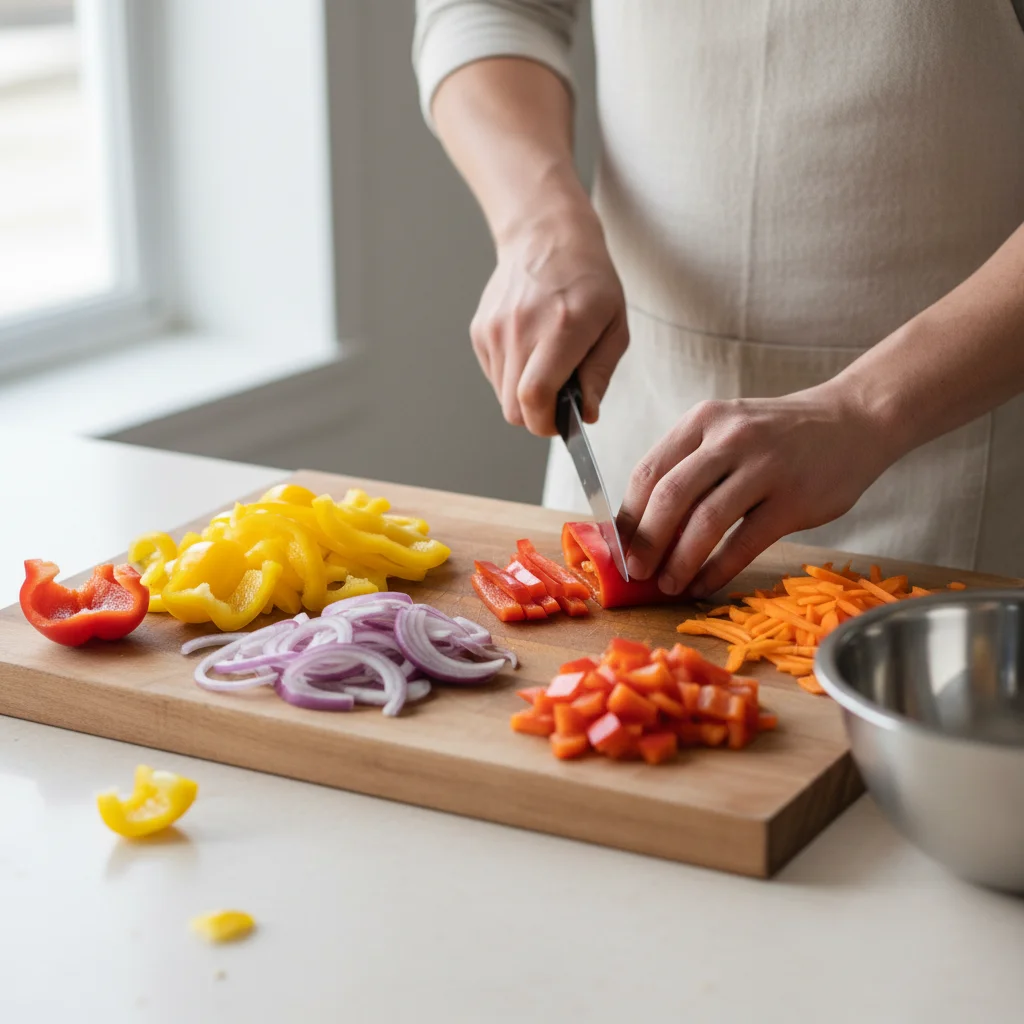
- Wash and Chop: Wash all fruits and vegetables. Chop onions, garlic, peppers, carrots, and any other vegetables you’ll need for multiple dishes. Store chopped veggies in airtight containers.
- Portion Proteins: Trim and portion raw meats (chicken breasts, fish fillets). You can marinate some at this stage if desired.
- Measure Dry Goods: Measure out grains, pasta, or spices for easy access during cooking.
- Batch Cooking (45-60 minutes): This is the core of efficient meal prep strategies. Cook multiple things simultaneously.
- Oven Power: Utilize your oven. Roast several trays of vegetables (broccoli, Brussels sprouts, bell peppers, sweet potatoes) at once. You can also bake chicken breasts or fish fillets alongside them.
- Stovetop Multitasking: While the oven is busy, use your stovetop. Cook a large batch of grains (quinoa, brown rice, farro) in one pot. In another, sauté ground meat or simmer a soup/chili.
- Slow Cooker/Instant Pot: These appliances are meal prep superstars. Use them for hands-off cooking of stews, chilis, pulled meats, or large batches of beans.
- Hard-Boil Eggs: A quick and easy protein source for breakfasts or snacks.
Phase 4: Assembly & Storage (15-30 Minutes)
Once everything is cooked, it’s time to assemble and store.
- Cool Down: Allow cooked food to cool completely before portioning and sealing. This prevents condensation and bacterial growth, preserving freshness.
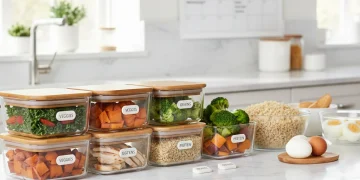
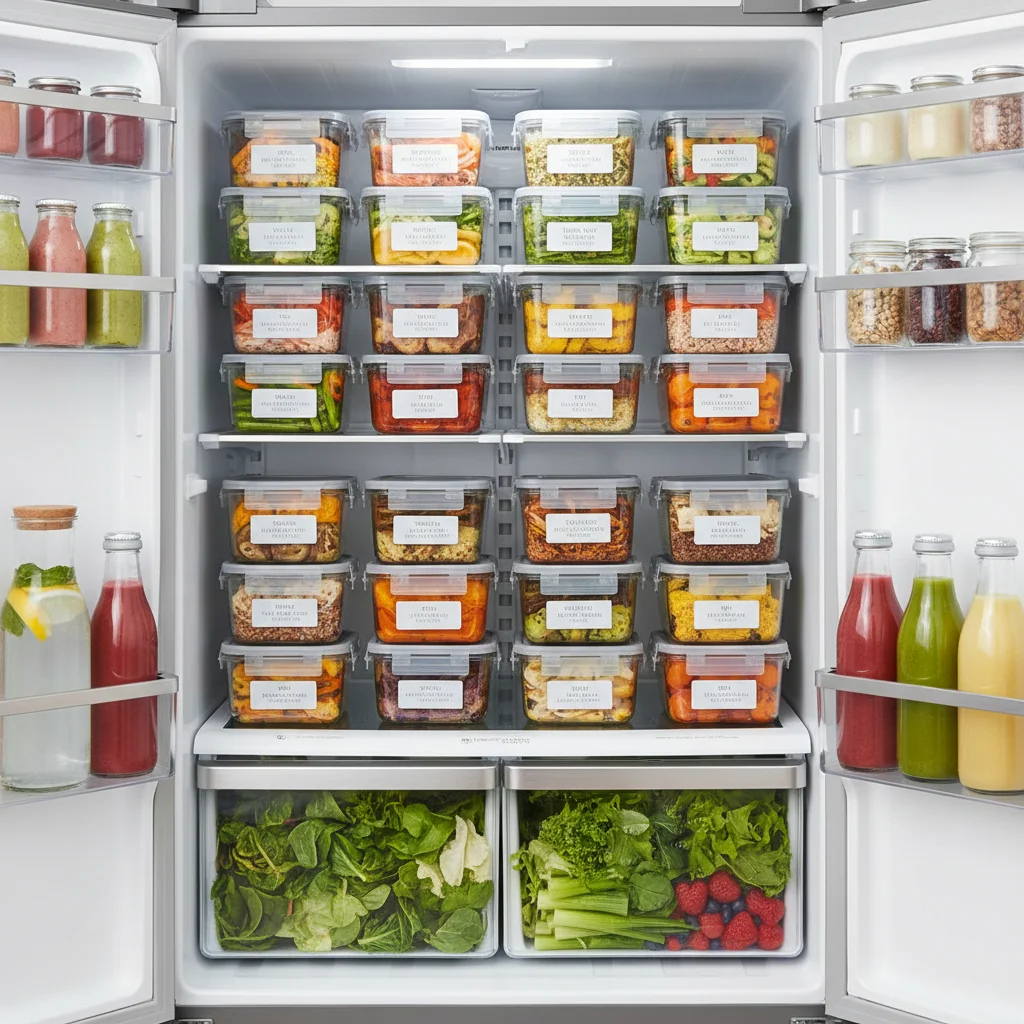
- Portioning: Use high-quality, airtight meal prep containers. Glass containers are excellent as they are microwave-safe, durable, and don’t absorb odors. Plastic is also fine, but ensure it’s BPA-free. Portion out individual meals for each day.
- Labeling (Optional but Recommended): Label containers with the meal and the date it was prepared. This is especially helpful if you’re prepping a variety of meals or for different family members.
- Refrigerate or Freeze: Most cooked meals can be safely refrigerated for 3-4 days. For meals intended for later in the week or for future weeks, freeze them. Ensure they are completely cooled before freezing.
Advanced Meal Prep Strategies for the Savvy Prepper
Once you’ve mastered the basics, consider these advanced meal prep strategies to further refine your routine.
1. Theme Days
Assigning a theme to each day can simplify meal planning. For example: ‘Meatless Monday,’ ‘Taco Tuesday,’ ‘Pasta Wednesday.’ This framework helps narrow down recipe choices and makes grocery shopping more predictable.
2. Component Prep vs. Full Meals
You don’t always have to prep full, ready-to-eat meals. Sometimes, simply prepping components is more flexible. Cook a large batch of protein (chicken, ground beef, lentils), a grain (quinoa, rice), and roasted vegetables. Then, mix and match these components throughout the week to create different meals (e.g., chicken and rice one day, chicken salad the next, chicken stir-fry with prepped veggies).
3. Freezer-Friendly Meals
Embrace your freezer! Many meals freeze beautifully: soups, stews, chilis, casseroles, burritos, and even some cooked grains and proteins. Batch cook these items and freeze individual portions for busy weeks when even 3 hours feels like too much. This is a core element of robust meal prep strategies.
4. Overnight Oats and Breakfast Prep
Don’t forget breakfast! Overnight oats, pre-made smoothie packs (frozen fruit, spinach, protein powder in a baggie), or baked egg muffins can be prepared in advance to ensure a healthy start to your day without any morning rush.
5. Utilize Herbs and Spices
To prevent meal prep fatigue and keep things interesting, master the art of seasoning. A simple protein and vegetable combo can taste entirely different with a change of spices (e.g., Italian herbs one day, Mexican seasoning another, curry powder the next). This is a vital part of keeping your meal prep strategies exciting and sustainable.
6. Invest in Quality Tools
While not strictly necessary to start, certain kitchen tools can significantly enhance your meal prep efficiency: a good set of sharp knives, a large cutting board, quality meal prep containers, a powerful food processor, and perhaps a slow cooker or Instant Pot. These investments pay dividends in time saved and enjoyment.
Common Challenges and How to Overcome Them
Even the best meal prep strategies can encounter hurdles. Here’s how to navigate them:
1. Boredom with Repetitive Meals
Solution: Vary your proteins, carbs, and vegetables. Experiment with different seasonings and sauces. As mentioned, component prep offers more flexibility. Plan for one or two ‘freestyle’ meals a week where you cook something fresh and different.
2. Food Spoilage
Solution: Ensure food is properly cooled before storing. Use airtight containers. Don’t overpack your fridge, as proper air circulation is important. Learn which foods last longer (e.g., roasted root vegetables tend to last longer than leafy greens). Consider freezing meals intended for the latter half of the week.
3. Lack of Motivation
Solution: Start small. Prep only 2-3 days’ worth of lunches initially. Find recipes you genuinely enjoy. Involve family members. Listen to music or a podcast while you prep. Remind yourself of the ‘why’ – the health, time, and financial benefits.
4. Not Enough Time for 3 Hours
Solution: Break it down. Perhaps you do 30 minutes of chopping on Saturday evening and 2.5 hours of cooking on Sunday. Or focus on prepping just one or two components (e.g., cook all your protein and grains, but prepare fresh salads daily). Even partial meal prep strategies are better than none.
5. Recipe Inspiration Block
Solution: Utilize online resources like Pinterest, food blogs, and meal prep apps. Look for recipes specifically labeled ‘meal prep friendly.’ Keep a running list of your favorite successful meal prep recipes.
Sample 3-Hour Weekly Meal Prep Schedule
Here’s a hypothetical breakdown of how your 3 hours might look, focusing on diverse and delicious meal prep strategies:
Sunday Afternoon (Example: 2:30 PM – 5:30 PM)
Phase 1: Planning (30 minutes)
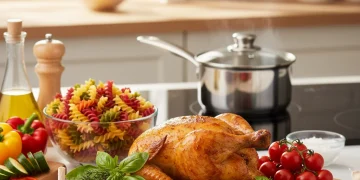
- 10 min: Choose meals: Roasted Chicken & Veggies, Turkey Chili, Quinoa Salad with Chickpeas.
- 5 min: Check pantry for staples (spices, olive oil, canned tomatoes).
- 10 min: Create grocery list: Chicken breasts, bell peppers, zucchini, broccoli, sweet potatoes, ground turkey, kidney beans, crushed tomatoes, onions, garlic, quinoa, chickpeas, cucumber, cherry tomatoes, feta/avocado.
- 5 min: Confirm prep time slot.
Phase 2: Shopping (45 minutes)
- Efficient trip to the grocery store with organized list.
Phase 3: Preparation & Cooking (90 minutes)
- 15 min (Pre-Prep):
- Wash all produce.
- Chop onions and garlic for chili and roasted veggies.
- Chop bell peppers, zucchini, broccoli, sweet potatoes for roasting.
- Trim chicken breasts.
- 75 min (Batch Cooking – Multitasking is Key!):
- Oven (Simultaneously): Preheat oven to 400°F (200°C).
- Sheet Pan 1: Toss chopped sweet potatoes, broccoli, zucchini, and bell peppers with olive oil and seasonings. Roast for 25-30 minutes.
- Sheet Pan 2: Place seasoned chicken breasts. Roast for 20-25 minutes until cooked through.
- Stovetop (Simultaneously):
- Pot 1: Cook a large batch of quinoa (about 2 cups dry) according to package directions.
- Pot 2: Brown ground turkey for chili. Drain fat. Add chopped onions, garlic, and cook until fragrant. Stir in crushed tomatoes, kidney beans, chili powder, cumin, and other desired seasonings. Simmer for 30-40 minutes.
- Oven (Simultaneously): Preheat oven to 400°F (200°C).
Phase 4: Assembly & Storage (15 minutes)
- Allow all cooked food to cool completely.
- Roasted Chicken & Veggies: Portion chicken and roasted vegetables into 3-4 containers for lunches/dinners.
- Turkey Chili: Portion chili into 3-4 containers.
- Quinoa Salad: In a large bowl, combine cooked quinoa, canned chickpeas (rinsed), chopped cucumber, cherry tomatoes. Dress with a simple lemon-herb vinaigrette. Portion into 2-3 containers. Add feta/avocado fresh before eating.
- Store all containers in the refrigerator.
This sample schedule demonstrates how diverse meals can be created within the 3-hour window by strategically utilizing kitchen appliances and multitasking. The key is to be organized and follow your plan.
Making Meal Prep Sustainable for the Long Haul
Consistency is the true measure of successful meal prep strategies. To ensure it becomes a lasting habit, consider these points:
- Start Simple: Don’t try to prep every single meal for the entire week from day one. Begin with lunches, then add dinners, then breakfasts. Build up gradually.
- Find Your Rhythm: Experiment with different prep days, times, and recipes until you find what truly works for your lifestyle.
- Be Flexible: Life happens. If you miss a prep day, don’t throw in the towel. Adjust, perhaps do a smaller prep session, or rely on a few healthy convenience items for that week.
- Track Your Progress: Notice the benefits – the extra time, the money saved, how much better you feel. This positive reinforcement will fuel your motivation.
- Involve Others: If you live with family or roommates, involve them in the planning or even the prep process. Shared responsibility can make it more enjoyable and less daunting.
- Celebrate Small Wins: Every week you successfully prep is a victory. Acknowledge your efforts and the positive impact on your health and well-being.
Conclusion: Empowering Your Week with Smart Meal Prep Strategies
The notion that healthy eating requires endless hours in the kitchen is a myth. For busy Americans, embracing efficient meal prep strategies is not just a trend; it’s a practical, powerful solution to a common modern dilemma. By dedicating a mere three hours a week, you gain control over your diet, your budget, and your precious time.
From optimizing your nutrition and saving money to reducing daily stress and enjoying consistent, delicious meals, the benefits are profound and far-reaching. This guide has provided you with a comprehensive blueprint, from meticulous planning and strategic shopping to efficient cooking and smart storage. Remember, the journey of successful meal prep begins with a single step: committing to yourself and your health.
So, gather your ingredients, sharpen your knives, and set aside those three hours. You’re not just cooking food; you’re crafting a healthier, more organized, and ultimately more fulfilling week. Dive into the world of smart meal prep strategies and discover the incredible difference it can make in your busy life.