Decoding Fashion Retailer Pricing Strategies: An Insider’s Look at Saving You 20% on New Arrivals in 2026
Ever wondered why that stylish new jacket costs what it does? Or how some shoppers always seem to snag the latest trends without breaking the bank? The world of fashion retail is a complex ecosystem, and at its heart lies a sophisticated web of fashion pricing strategies. For the savvy consumer, understanding these strategies isn’t just about curiosity; it’s about empowerment. It’s about transforming you from a passive buyer into an informed shopper who can consistently save money, especially on those coveted new arrivals. In this comprehensive guide, we’ll pull back the curtain on how fashion retailers determine their prices and, more importantly, equip you with the knowledge to save a significant 20% on new arrivals in 2026 and beyond.
The fashion industry is dynamic, driven by trends, seasons, and consumer psychology. Retailers employ a myriad of tactics to maximize profits, manage inventory, and attract customers. From the initial design concept to the final price tag, every step is carefully calculated. By dissecting these fashion pricing strategies, we can identify opportunities for you to make smarter purchasing decisions. This isn’t about waiting for end-of-season sales; it’s about strategically navigating the market to get the best value, even when items are fresh off the runway or new in store.
The Foundation of Fashion Pricing: Cost-Plus and Value-Based Approaches
At the most fundamental level, fashion retailers typically start with two primary approaches to setting prices: cost-plus pricing and value-based pricing.
Advertisements
Cost-Plus Pricing: The Basic Calculation
Cost-plus pricing is straightforward. Retailers calculate the total cost of producing or acquiring an item – including materials, labor, manufacturing, shipping, and overhead – and then add a predetermined profit margin. For example, if a dress costs $50 to produce and the retailer aims for a 100% markup, the selling price would be $100. While simple, this approach doesn’t always account for market demand or competitive pricing.
Value-Based Pricing: What the Market Will Bear
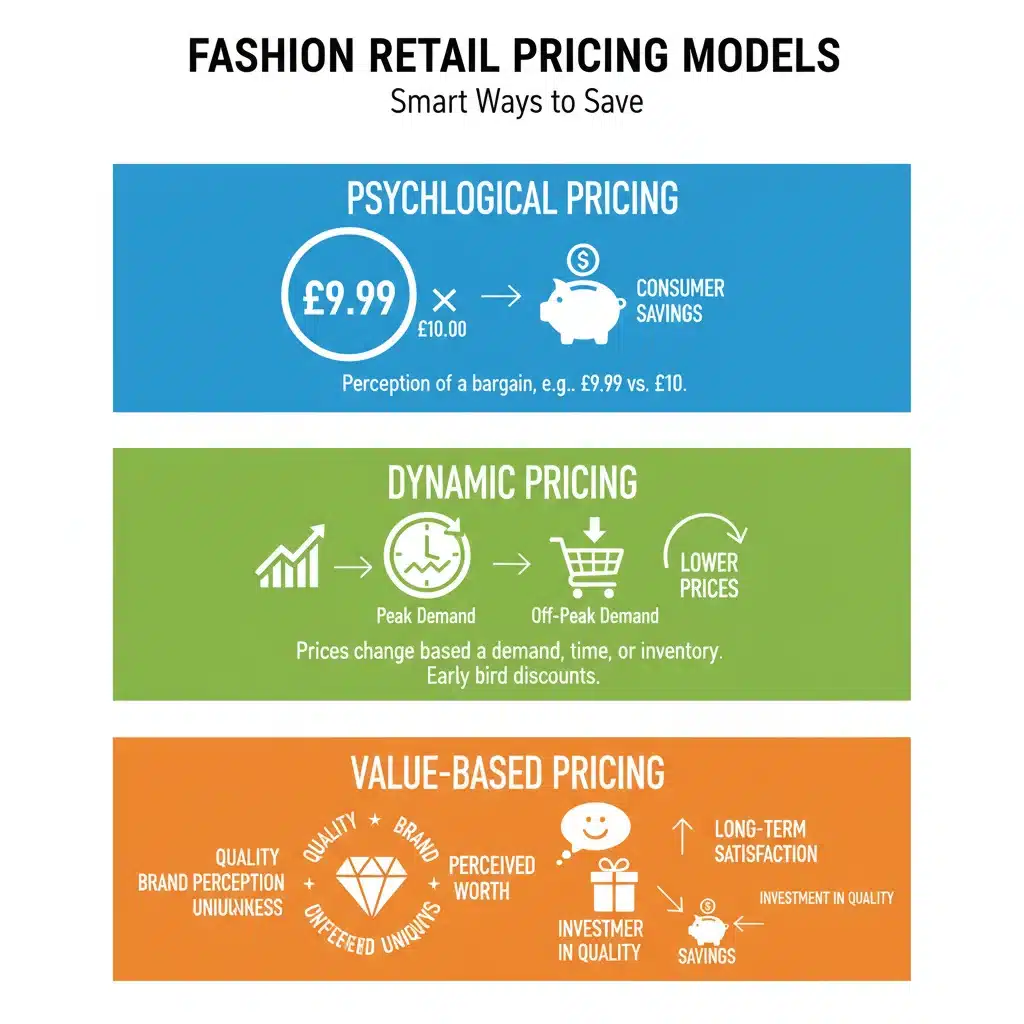
Value-based pricing, on the other hand, is far more sophisticated. Here, the price is determined by what customers are willing to pay, based on the perceived value of the product. This perceived value can be influenced by brand reputation, design aesthetics, quality of materials, exclusivity, and even the emotional connection a customer has with the brand. Luxury brands are masters of value-based pricing, where the brand name itself adds significant perceived value. Understanding this distinction is crucial because it highlights that prices aren’t just about production costs; they’re heavily influenced by marketing, branding, and consumer psychology.
Psychological Pricing: Playing on Perception
Beyond the basic calculations, fashion retailers extensively utilize psychological pricing tactics to influence buying decisions. These subtle yet powerful techniques can significantly impact how consumers perceive a deal.
Charm Pricing: The Power of .99
The classic example is charm pricing, where prices end in .99 or .95 instead of a round number. A shirt priced at $49.99 feels significantly cheaper than one at $50.00, even though the difference is minimal. Our brains tend to focus on the leftmost digit, making the lower number more appealing. This is a cornerstone of many fashion pricing strategies, especially in fast fashion and mid-range retail.
Prestige Pricing: The Higher, The Better
Conversely, luxury brands often use prestige pricing, where higher prices are set to signal superior quality, exclusivity, and status. A $1,000 handbag isn’t just about its materials; it’s about the statement it makes. Lowering the price might actually decrease its perceived value in the eyes of the target consumer. This strategy targets a different psychological need – aspiration and exclusivity.
Anchoring and Decoy Pricing: Shaping Perceptions of Value
Retailers also use anchoring, where a higher-priced item is shown first to make subsequent, slightly lower-priced items seem more reasonable. Decoy pricing involves introducing a third, less attractive option to make one of the other two options appear more appealing. For instance, a retailer might offer a basic jacket for $150, a premium version for $300, and a slightly better premium version for $320. The $320 option acts as a decoy, making the $300 premium jacket seem like a much better deal.
Dynamic Pricing and Algorithmic Adjustments
In the digital age, fashion pricing strategies have evolved significantly with the advent of dynamic pricing. This involves adjusting prices in real-time based on various factors, including demand, inventory levels, competitor pricing, time of day, and even individual customer browsing history. E-commerce platforms are particularly adept at this.
How Algorithms Influence Your Shopping Cart
Sophisticated algorithms analyze vast amounts of data to determine the optimal price for each item at any given moment. If a particular size or color is selling quickly, its price might increase. If an item is stagnant, it might see a price drop. Personalization also plays a role; some retailers might show different prices to different customers based on their past purchasing behavior or perceived willingness to pay. This means that the price you see for a new arrival might not be the same as what another shopper sees.
The Role of Scarcity and Urgency
Dynamic pricing often goes hand-in-hand with tactics that create a sense of scarcity and urgency. “Only 3 left in stock!” or “Sale ends in 2 hours!” prompts are designed to encourage immediate purchases, preventing customers from waiting for potential price drops. For new arrivals, this can be particularly effective, as the desire to be among the first to own a trending item is strong.
Promotional Pricing: Luring You In
Promotional pricing is perhaps the most visible of all fashion pricing strategies. These are the sales, discounts, and special offers designed to stimulate demand and clear inventory.
Seasonal Sales and Holiday Discounts
The most common promotions revolve around seasons (end-of-season sales), holidays (Black Friday, Cyber Monday, Christmas), and special events. While these are great opportunities to save, new arrivals often don’t see significant discounts during these periods initially. The key is to understand the cycle.
Bundling and Multi-Buy Offers
Retailers also use bundling, where multiple items are sold together at a reduced price (e.g., “buy one, get one 50% off”), or multi-buy offers (e.g., “3 for the price of 2”). These encourage customers to purchase more than they initially intended, increasing the average transaction value.
Loyalty Programs and Exclusive Member Discounts
Loyalty programs are increasingly popular, offering exclusive discounts, early access to sales, or special promotions to members. These programs are goldmines for saving on new arrivals, as they often provide a window of opportunity before items are publicly discounted.
Saving 20% on New Arrivals in 2026: Your Action Plan
Now that we’ve demystified the various fashion pricing strategies, let’s turn our attention to the actionable steps you can take to consistently save 20% or more on new arrivals in 2026. This isn’t about luck; it’s about strategic shopping.
1. Master the Art of Pre-Sale and Early Access
Many retailers offer pre-sales or early access to new collections for their most loyal customers or newsletter subscribers. Sign up for email lists of your favorite brands. Join their loyalty programs. These often grant you a 24-48 hour window to shop new arrivals before the general public, sometimes with an exclusive discount code (often 10-20% off) as a perk for your loyalty. In 2026, personalized early access offers are expected to become even more prevalent, leveraging AI to target specific customer segments.
2. Leverage Loyalty Programs and Credit Card Perks
Don’t underestimate the power of loyalty programs. Accumulate points, reach higher tiers, and unlock better rewards. Many programs offer birthday discounts, anniversary perks, or special promotions for reaching spending thresholds, which can easily translate to a 20% saving on a new item. Additionally, certain credit cards offer cash back or points on fashion purchases, or even brand-specific discounts, which can effectively reduce your net cost by 20% or more.
3. Price Tracking and Alert Tools
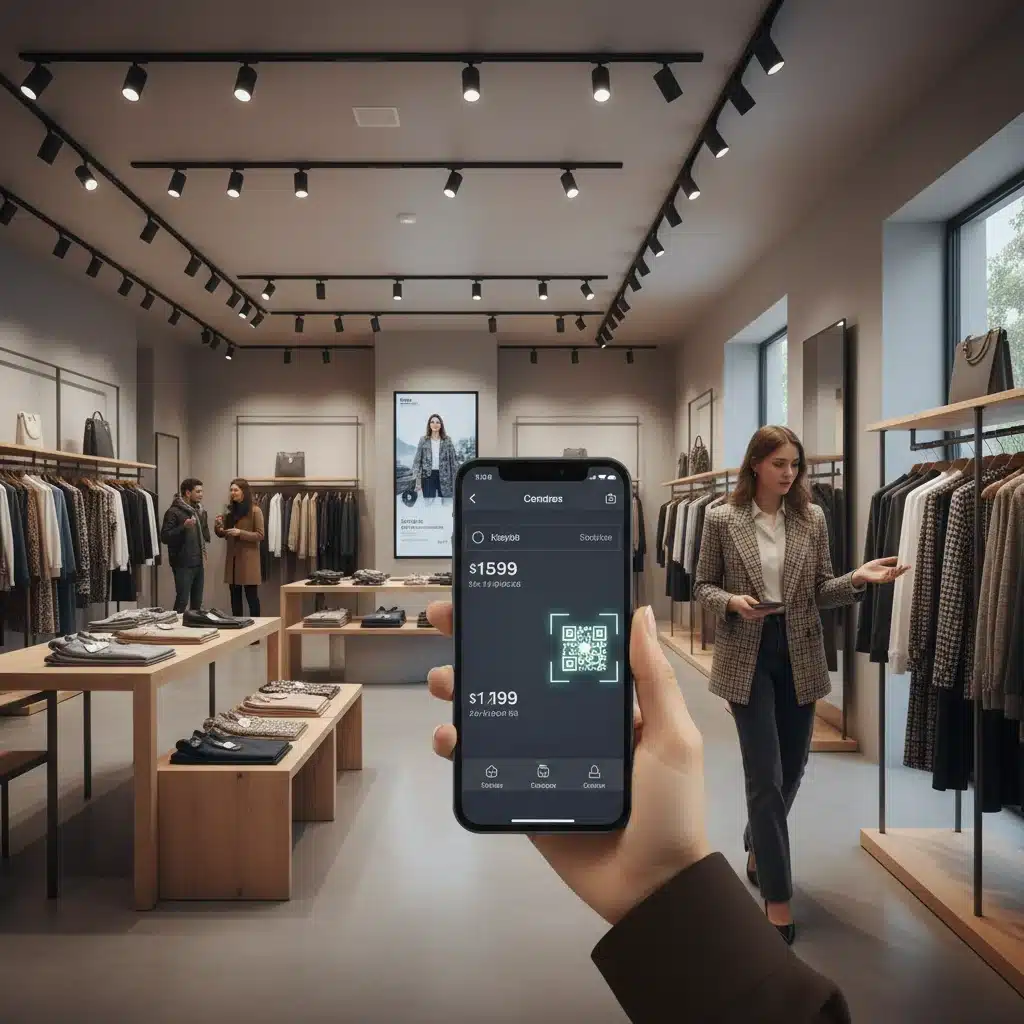
Technology is your friend. Utilize price tracking websites and browser extensions that monitor prices of specific items across various retailers. While new arrivals might not drop immediately, these tools can alert you the moment a discount (even a small one that, combined with a loyalty discount, hits your 20% goal) is applied. In 2026, expect AI-powered personal shopping assistants to offer even more sophisticated price prediction and alert capabilities.
4. Strategic Timing: The Micro-Season Approach
Gone are the days of just two main seasons. Fashion now operates on micro-seasons and constant drops. Observe your favorite brands’ release schedules. Often, the initial wave of new arrivals might be full price, but subsequent drops or mid-season refreshes might include similar styles at slightly lower price points or be subject to flash sales to maintain momentum. Learning these patterns is key to understanding fashion pricing strategies specific to a brand.
5. Harness the Power of Social Media and Influencer Codes
Follow your favorite brands and fashion influencers on social media. Many brands release exclusive discount codes through these channels, especially for new collections, to generate buzz. Influencers often have unique codes that can offer 10-20% off, which can be applied to new arrivals. Keep an eye out for these collaborations and promotions.
6. Understand the Return Policy Game
This is a less direct saving but a crucial one. Some retailers offer price adjustments if an item you bought goes on sale within a certain window (e.g., 7-14 days). If you buy a new arrival at full price and it gets a 20% discount a week later, you might be eligible for a refund of the difference. Always check the return and price adjustment policies before purchasing.
7. Consider Off-Season or Pre-Order Discounts
While this focuses on future new arrivals, some high-end or designer brands offer pre-order discounts for upcoming collections. This is a commitment, but if you’re certain about a piece, it can be a way to get a significant saving before it even hits the shelves. Similarly, shopping for “new arrivals” that are technically from the very end of the previous season but still very much in style can yield savings.
The Future of Fashion Pricing in 2026
As we look towards 2026, fashion pricing strategies are set to become even more sophisticated. Artificial intelligence and machine learning will play a larger role in personalized pricing, inventory optimization, and demand forecasting. Augmented reality (AR) and virtual try-on experiences might influence perceived value, potentially affecting price points.
Sustainability and Ethical Sourcing Impact on Pricing
There’s also a growing consumer demand for transparency and ethical production. Brands that prioritize sustainability and fair labor practices may command higher prices, and consumers, in turn, may be willing to pay a premium for these values. This shift will add another layer to how prices are justified and perceived. As a savvy shopper, you’ll need to weigh these factors against your savings goals.
Subscription Models and Rental Services
Subscription boxes and fashion rental services are also gaining traction, offering alternative ways to access new styles without the full upfront cost. While not a direct “purchase saving,” they represent a shift in how consumers engage with new fashion, potentially offering a cost-effective way to refresh your wardrobe with new arrivals without committing to ownership.
Becoming a Master of Fashion Retail Savings
Navigating the intricate world of fashion pricing strategies requires a blend of awareness, patience, and strategic action. By understanding the psychological triggers, algorithmic adjustments, and promotional cycles retailers employ, you empower yourself to make informed decisions.
Remember, saving 20% on new arrivals in 2026 isn’t about sacrificing style or waiting indefinitely for deep discounts. It’s about being proactive: signing up for early access, leveraging loyalty programs, using price tracking tools, and understanding the brand’s specific pricing rhythm. It’s about being a smart consumer in an increasingly complex retail landscape.
The fashion industry will continue to evolve, but the core principles of supply, demand, and perceived value will remain. By staying informed and applying these insider tips, you can confidently approach your next fashion purchase, knowing you’re getting the best possible value. Happy shopping, and here’s to a stylish and financially savvy 2026!