Cooking for One or Two: 5 Efficient Weeknight Meal Ideas
Cooking for one or two can often feel like a culinary conundrum. You want delicious, healthy meals, but the thought of excessive leftovers, complicated recipes, and wasted ingredients can be daunting. Many recipes are designed for larger families, leaving solo diners or couples feeling overwhelmed by portion control and meal planning. But what if there was a way to enjoy diverse, flavorful, and efficient weeknight meals without the hassle? What if you could master Cooking for Small Households and transform your kitchen experience?
This comprehensive guide is tailored specifically for those who find themselves in this delightful challenge. We understand the unique needs of Cooking for Small Households: minimizing waste, maximizing flavor, and simplifying preparation. Whether you’re a single professional, an empty-nester couple, or simply someone who appreciates perfectly portioned meals, this article will equip you with the strategies and recipes to make weeknight cooking a joy, not a chore. We’ll delve into the common pitfalls of cooking for one or two and, more importantly, provide actionable solutions and five incredibly efficient weeknight meal ideas that are both delicious and easy to scale.
Our goal is to empower you to create culinary masterpieces, big or small, that fit your lifestyle. Say goodbye to endless Tupperware containers of the same meal and hello to fresh, exciting dinners every night. Get ready to discover how smart planning and clever cooking techniques can make Cooking for Small Households an incredibly rewarding experience. Let’s dive in and transform your weeknight dinners!
The Unique Challenges of Cooking for Small Households
Before we jump into delicious recipes, let’s acknowledge the elephant in the room: Cooking for Small Households comes with its own set of challenges. Understanding these hurdles is the first step towards overcoming them and making your kitchen more efficient.
Portion Control and Food Waste
One of the most significant issues is portion control. Most recipes are written for four to six servings, leaving individuals or couples with an abundance of leftovers. While leftovers can be convenient, eating the same meal for days on end can lead to meal fatigue, and ultimately, food waste if not consumed. Buying ingredients in bulk, which often seems more economical, can also contribute to waste if you can’t use them up before they spoil. This cycle of over-buying and over-cooking can be frustrating and costly.
Lack of Variety and Meal Fatigue
When faced with the task of scaling down recipes, it’s easy to fall into a rut of preparing the same few dishes repeatedly. This lack of variety can make mealtime feel monotonous rather than exciting. The effort required to find or adapt recipes for smaller portions often deters people from experimenting, leading to a limited rotation of meals. This can also mean missing out on essential nutrients if your diet lacks diversity.
Time and Effort Investment
Sometimes, the time and effort invested in cooking a meal seem disproportionate to the small yield. Why spend an hour chopping and simmering for a single serving? This perception can lead to relying on takeout or pre-packaged meals, which might be convenient but often lack the nutritional value and cost-effectiveness of home-cooked food. The desire for quick, easy meals is universal, but it’s particularly acute when Cooking for Small Households.
Ingredient Availability and Cost
Supermarkets are often geared towards larger families, making it challenging to buy small quantities of certain ingredients. For instance, a recipe might call for a small amount of a specialty herb or vegetable, but you’re forced to buy a larger bunch, leading to potential waste. Similarly, buying smaller packages of meat or produce can sometimes be more expensive per unit than larger family packs, creating a dilemma for budget-conscious cooks.
By recognizing these challenges, we can now strategically approach Cooking for Small Households with solutions that address these pain points directly. The key is to shift your mindset and embrace smart planning and adaptable techniques.
Strategies for Efficient Cooking for Small Households
Overcoming the challenges of Cooking for Small Households requires a strategic approach. Here are some invaluable tips and tricks to make your weeknight meals efficient, delicious, and waste-free.
Smart Grocery Shopping
- Buy in Smaller Quantities: Look for stores that offer bulk bins for grains, nuts, and spices, allowing you to buy exactly what you need. Utilize salad bars for small amounts of chopped vegetables or specialty items.
- Utilize Frozen Produce: Frozen fruits and vegetables are a game-changer for small households. They’re often cheaper, pre-chopped, and you can use only what you need, storing the rest without spoilage.
- Shop the Perimeter: Focus on fresh produce, dairy, and meats, where smaller portions are more readily available.
- Plan Your Meals: Before heading to the store, have a clear idea of what you’ll cook for the week. This prevents impulse buys and ensures you only purchase necessary ingredients.
Mastering Portion Control
- Halve or Quarter Recipes: Most recipes can be easily scaled down. Start by halving ingredients and adjust as needed. For baking, this can be trickier, but for savory dishes, it’s usually straightforward.
- Cook Once, Eat Twice (Smartly): Instead of making a huge batch of the same meal, consider cooking a base ingredient (like chicken breast, quinoa, or roasted vegetables) that can be incorporated into two different meals. For example, roasted chicken for dinner one night, and leftover chicken shredded into a salad or sandwich the next.
- Invest in Small Cookware: A small saucepan, a 6-inch skillet, and a small baking dish can make a huge difference in cooking appropriate portions and preventing food from drying out.
Batch Cooking Components, Not Entire Meals
Instead of cooking large batches of a single dish, focus on preparing individual components that can be mixed and matched throughout the week. This strategy is perfect for Cooking for Small Households because it offers variety and flexibility.
- Grains: Cook a batch of quinoa, rice, or farro at the beginning of the week. These can be used as bases for bowls, sides for proteins, or mixed into salads.
- Proteins: Roast a couple of chicken breasts, grill some fish, or hard-boil a few eggs. These cooked proteins can be added to salads, wraps, or quick stir-fries.
- Roasted Vegetables: Chop and roast a tray of your favorite vegetables (broccoli, bell peppers, sweet potatoes). They’re delicious on their own, added to pasta, or as a side.
Utilizing Your Freezer Wisely
Your freezer is your best friend when Cooking for Small Households. Don’t just store leftovers; actively use it for meal prep.
- Freeze Individual Portions: If you do make a larger batch of soup, stew, or chili, freeze it in single-serving containers. This provides instant, healthy meals for future busy nights.
- Pre-portioned Ingredients: Freeze leftover tomato paste in tablespoon dollops, herbs in ice cube trays with olive oil, or individual chicken breasts.
- Homemade Frozen Meals: Consider making and freezing components like homemade pasta sauce, meatballs, or even small burritos.
Embracing One-Pan and One-Pot Meals
These types of meals are a lifesaver for small households. They minimize cleanup and often involve simple assembly and baking or simmering. The recipes we’ll explore later will heavily feature these efficient cooking methods.
By integrating these strategies into your routine, Cooking for Small Households will become less about compromise and more about creative, enjoyable, and sustainable eating.
5 Efficient Weeknight Meal Ideas for Small Households
Now for the exciting part! Here are five delicious and efficient weeknight meal ideas, perfectly suited for Cooking for Small Households. Each recipe focuses on ease of preparation, minimal waste, and maximum flavor.
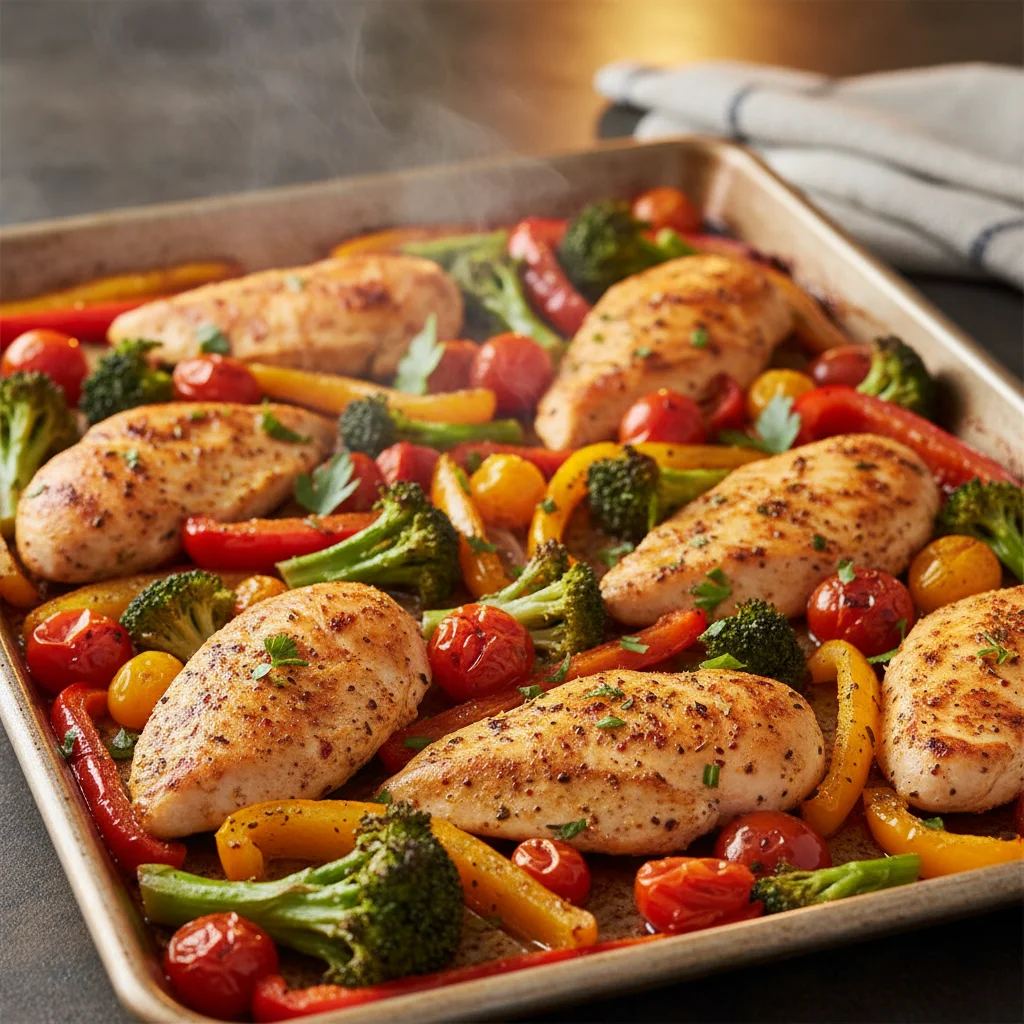
1. Speedy Sheet Pan Chicken & Veggies
Sheet pan meals are the quintessential solution for efficient cooking. They require minimal active cooking time, easy cleanup, and are incredibly versatile. This recipe is designed for one or two servings and can be easily adapted with your favorite proteins and vegetables.
Ingredients (for 1-2 servings):
- 1-2 boneless, skinless chicken thighs or breasts, cut into 1-inch pieces
- 1 cup chopped broccoli florets
- 1/2 cup chopped bell pepper (any color)
- 1/4 cup cherry tomatoes, halved
- 1 small sweet potato, peeled and diced into 1/2-inch cubes
- 1-2 tbsp olive oil
- 1/2 tsp dried Italian seasoning (or your preferred blend: paprika, garlic powder, onion powder)
- Salt and black pepper to taste
- Optional: 1/4 lemon, sliced, for serving
Instructions:
- Preheat your oven to 400°F (200°C). Line a small baking sheet with parchment paper for easy cleanup.
- In a medium bowl, combine the chopped chicken, broccoli, bell pepper, cherry tomatoes, and sweet potato.
- Drizzle with olive oil and sprinkle with Italian seasoning, salt, and pepper. Toss well to ensure all ingredients are evenly coated.
- Spread the mixture in a single layer on the prepared baking sheet. Ensure there’s enough space for everything to roast, not steam.
- Roast for 20-25 minutes, or until the chicken is cooked through (internal temperature of 165°F/74°C) and the vegetables are tender-crisp and slightly caramelized. Flip ingredients halfway through for even cooking.
- Serve immediately, perhaps with a squeeze of fresh lemon juice.
Why it’s great for small households: This meal is incredibly flexible. Use whatever vegetables you have on hand, and swap chicken for sausage, firm tofu, or even chickpeas. The cleanup is minimal, making it perfect for busy weeknights.
2. Quick & Creamy Single-Serving Pasta
Pasta is a classic comfort food, and making a single serving is surprisingly easy and quick. This recipe focuses on a creamy, flavorful sauce that comes together in minutes.
Ingredients (for 1 serving):
- 1/2 cup (about 2 oz) dry pasta (e.g., spaghetti, penne, fusilli)
- 1 tbsp olive oil
- 1 clove garlic, minced
- 1/4 cup vegetable or chicken broth
- 1/4 cup heavy cream or half-and-half
- 2 tbsp grated Parmesan cheese, plus more for serving
- Salt and black pepper to taste
- Optional: 1/4 cup cooked shrimp, shredded chicken, or spinach for added protein/veg
- Fresh parsley, chopped, for garnish
Instructions:
- Cook pasta according to package directions in a small pot of salted boiling water until al dente. Reserve about 1/4 cup of the pasta water before draining.
- While pasta cooks, heat olive oil in a small skillet or saucepan over medium heat. Add minced garlic and cook for 30 seconds until fragrant, being careful not to burn it.
- Pour in the broth and cream. Bring to a gentle simmer and cook for 2-3 minutes, allowing the sauce to slightly thicken.
- Stir in the Parmesan cheese until melted and smooth. Season with salt and pepper. If adding optional protein/veg, stir it in now and heat through.
- Add the drained pasta to the sauce. Toss to coat thoroughly. If the sauce is too thick, add a tablespoon or two of the reserved pasta water until it reaches your desired consistency.
- Serve immediately, garnished with fresh parsley and extra Parmesan cheese.
Why it’s great for small households: This recipe is incredibly fast, uses minimal ingredients, and is easily customizable. It’s a perfect example of how Cooking for Small Households doesn’t mean sacrificing flavor or satisfaction.
3. Hearty Black Bean & Avocado Toast with Egg
This isn’t just for breakfast! A loaded toast can be a perfectly satisfying and nutritious weeknight meal. It’s quick, requires no oven, and uses minimal dishes.
Ingredients (for 1 serving):
- 1 slice of your favorite bread (sourdough, whole wheat), toasted
- 1/4 ripe avocado, mashed
- 1/4 cup canned black beans, rinsed and drained
- 1 large egg, cooked to your preference (fried, poached, scrambled)
- Optional toppings: a dash of hot sauce, a sprinkle of fresh cilantro, a pinch of chili flakes, a squeeze of lime juice
- Salt and black pepper to taste
Instructions:
- Toast your bread to your desired crispness.
- While the bread toasts, cook your egg. For a fried egg, heat a small non-stick pan over medium heat, add a tiny bit of oil or butter, and cook until the whites are set and the yolk is to your liking.
- In a small bowl, mash the avocado with a fork. Season with a pinch of salt and pepper.
- Spread the mashed avocado evenly over the toasted bread.
- Top with the rinsed black beans.
- Carefully place the cooked egg on top.
- Add any desired optional toppings like hot sauce, cilantro, or chili flakes.
- Serve immediately for a fresh and filling meal.
Why it’s great for small households: This meal is ideal for using up small amounts of leftover ingredients. It’s incredibly fast, requires minimal cooking skills, and offers a great balance of protein, healthy fats, and fiber, making Cooking for Small Households both simple and nutritious.
4. Deconstructed Chicken & Veggie Bowls
This concept is all about assembling, not complex cooking. It leverages pre-cooked components (which you can batch cook at the start of the week) to create a fresh, customizable meal in minutes. It’s perfect for Cooking for Small Households because it avoids cooking large quantities of a single dish.
Ingredients (for 1 serving):
- 1/2 cup cooked grain (quinoa, brown rice, farro)
- 3-4 oz cooked protein (shredded chicken, pan-seared tofu, canned tuna, or chickpeas)
- 1 cup mixed raw or roasted vegetables (e.g., spinach, shredded carrots, cucumber, bell pepper strips, roasted broccoli, cherry tomatoes)
- 2 tbsp dressing of your choice (e.g., vinaigrette, tahini dressing, hummus)
- Optional garnishes: avocado slices, nuts/seeds, fresh herbs, a sprinkle of feta cheese
Instructions:
- If you haven’t already, cook your grain and protein ahead of time (or use leftovers).
- In a bowl, arrange the cooked grain at the base.
- Artfully arrange the cooked protein and mixed vegetables on top of the grain.
- Drizzle generously with your chosen dressing.
- Add any optional garnishes for extra flavor and texture.
- Serve immediately.
Why it’s great for small households: This is the ultimate flexible meal. It’s excellent for using up small amounts of various ingredients, preventing waste. By having pre-cooked components, you can assemble a fresh, varied meal every night without extensive cooking, making Cooking for Small Households effortlessly diverse.
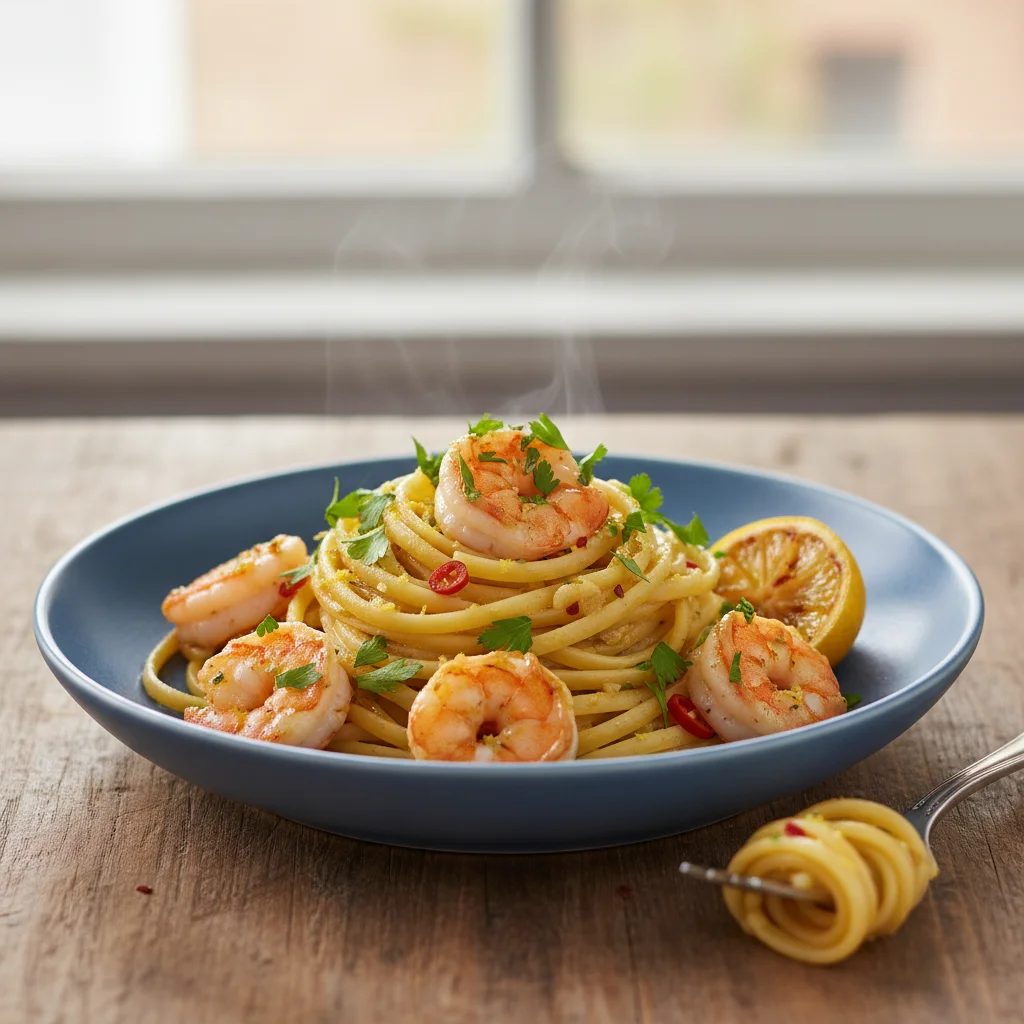
5. Speedy Shrimp Scampi with Zucchini Noodles (or regular pasta)
Shrimp cooks incredibly fast, making it an ideal protein for quick weeknight meals. This scampi recipe is light, flavorful, and can be made with zucchini noodles for a low-carb option or regular pasta.
Ingredients (for 1-2 servings):
- 4-6 oz raw shrimp, peeled and deveined
- 1 tbsp olive oil
- 1 tbsp butter
- 2 cloves garlic, minced
- 1/4 cup dry white wine or chicken broth
- 1 tbsp fresh lemon juice
- 1/4 cup fresh parsley, chopped
- Salt and black pepper to taste
- For serving: 1 medium zucchini, spiralized into noodles, or 1/2 cup cooked pasta
- Optional: a pinch of red pepper flakes
Instructions:
- If using regular pasta, cook it according to package directions and set aside. If using zucchini noodles, you’ll add them directly to the pan later.
- Pat the shrimp dry with a paper towel. Season with salt and pepper.
- Heat olive oil and butter in a medium skillet over medium-high heat.
- Add the shrimp to the hot skillet in a single layer. Cook for 1-2 minutes per side, until pink and opaque. Remove shrimp from the pan and set aside.
- Add minced garlic to the skillet and cook for 30 seconds until fragrant.
- Pour in the white wine (or broth) and lemon juice. Bring to a simmer, scraping up any browned bits from the bottom of the pan. Cook for 1-2 minutes until slightly reduced.
- Return the cooked shrimp to the pan. If using zucchini noodles, add them now and toss for 1-2 minutes until slightly softened but still crisp. If using regular pasta, add the cooked pasta and toss to coat.
- Stir in the fresh parsley and red pepper flakes (if using). Taste and adjust seasoning.
- Serve immediately.
Why it’s great for small households: This recipe is incredibly fast, often taking less than 15 minutes from start to finish. Shrimp is easy to buy in small quantities, and the dish feels elegant while being simple to prepare, making it a fantastic option for efficient Cooking for Small Households.
Beyond the Recipes: Essential Tools and Mindset for Small Household Cooking
While the recipes provide a fantastic starting point, truly mastering Cooking for Small Households also involves having the right tools and adopting a specific mindset. These additional tips will further streamline your cooking process and enhance your overall kitchen experience.
Essential Kitchen Tools for Small Households
You don’t need a sprawling kitchen or a gadget for every task. A few key items will make a world of difference:
- Small Skillet (6-8 inch): Perfect for frying a single egg, searing a small piece of fish, or sautéing a side dish.
- Small Saucepan (1-2 quart): Ideal for cooking small portions of pasta, grains, or sauces without them burning or drying out.
- Small Baking Sheet: Essential for sheet pan meals for one or two, roasting small batches of vegetables, or baking a single cookie.
- Mini Food Processor/Chopper: Great for making small batches of pesto, dressings, or quickly mincing garlic and herbs without dirtying a large processor.
- Digital Kitchen Scale: Crucial for accurate portioning when scaling down recipes, especially in baking.
- Good Quality Storage Containers: Invest in glass containers with airtight lids for storing any small amounts of leftovers or prepped ingredients, ensuring freshness.
Adopting a Flexible and Creative Mindset
The most powerful tool in your kitchen is your mindset. When Cooking for Small Households, flexibility and creativity are paramount:
- Embrace Adaptability: Don’t be afraid to swap ingredients based on what you have or what’s on sale. If a recipe calls for broccoli, but you have cauliflower, make the switch!
- Think ‘Components’ Not ‘Meals’: As discussed, preparing individual elements (cooked grains, roasted veggies, grilled protein) allows for endless combinations and prevents meal boredom.
- Love Your Leftovers (Smartly): Instead of eating the exact same meal, transform leftovers. Leftover roasted chicken can become chicken salad, a stir-fry, or a quesadilla. Leftover rice can be fried rice or a base for a grain bowl.
- Season Generously and Taste Often: When cooking smaller portions, it’s easy to under-season. Taste your food as you go and adjust spices, salt, and acidity to ensure maximum flavor.
- Don’t Fear the Freezer: Become friends with your freezer. It’s a powerful tool for preventing food waste and ensuring you always have healthy options on hand.
- Be Curious: Explore small-batch cookbooks, blogs, and online communities dedicated to cooking for one or two. There’s a wealth of inspiration out there!
Meal Planning for One or Two
Even for small households, a little planning goes a long way. This doesn’t mean rigid meal schedules, but rather a general idea of what you’ll eat:
- Weekly Theme: Assign themes to days (e.g., Meatless Monday, Taco Tuesday, Pasta Wednesday). This narrows down options.
- Ingredient Overlap: Plan meals that share common ingredients. If you buy a bell pepper for one recipe, plan another that uses the rest.
- Inventory Check: Before planning, check your pantry, fridge, and freezer. Build meals around what you already have to reduce waste and save money.
By combining these tools and a flexible mindset with the efficient recipes provided, you’ll find that Cooking for Small Households is not just manageable, but genuinely enjoyable and incredibly rewarding. You’ll eat healthier, save money, and reduce your environmental footprint by minimizing food waste.
Conclusion: Embrace the Joy of Cooking for Small Households
Embarking on the journey of Cooking for Small Households doesn’t have to be a daunting task. As we’ve explored, it’s an opportunity to cultivate mindful eating habits, reduce food waste, and enjoy a diverse array of delicious, home-cooked meals tailored precisely to your needs. The unique challenges of portion control, variety, and effort can be effortlessly overcome with the right strategies and a sprinkle of culinary creativity.
We’ve armed you with practical tips for smart grocery shopping, mastering portion control, and leveraging batch cooking of components rather than entire meals. You’ve discovered the power of your freezer and the simplicity of one-pan and one-pot wonders. Most importantly, you now have five incredibly efficient and flavorful weeknight meal ideas – from Speedy Sheet Pan Chicken & Veggies to Quick & Creamy Single-Serving Pasta, and from Hearty Black Bean & Avocado Toast to Deconstructed Chicken & Veggie Bowls, culminating in Speedy Shrimp Scampi. These recipes are not just guides; they are springboards for your own kitchen adventures, designed to be adaptable and enjoyable.
Remember, the heart of successful Cooking for Small Households lies in a flexible mindset and a few essential tools. Embrace adaptability, think in components, and view your leftovers as opportunities for new creations. By doing so, you’ll not only simplify your weeknight routine but also deepen your appreciation for the food you prepare and consume.
So, take these insights, step into your kitchen with confidence, and transform the way you cook. Say goodbye to culinary frustration and hello to a world where perfectly portioned, delicious, and efficient meals are the norm. Happy cooking!