Mastering Restaurant Menus: Healthy Dining Out Tips 2026
Mastering Restaurant Menus: Your Ultimate Guide to Healthy Dining Out in 2026
In an increasingly fast-paced world, dining out has become more than just an occasional treat; it’s a social cornerstone, a convenience, and often, a necessity. However, for those committed to a healthy lifestyle, navigating restaurant menus can feel like traversing a minefield. The year 2026 brings with it new culinary trends, but the fundamental challenge remains: how do we enjoy the pleasure of dining out without compromising our health and wellness goals? This comprehensive guide offers actionable, expert-backed healthy dining tips to empower you to make informed choices, no matter where you eat. We’ll delve into understanding menu language, making smart substitutions, and maintaining balance, ensuring your dining experiences are both delicious and nutritious.
The culinary landscape is constantly evolving, with restaurants offering an ever-expanding array of global cuisines, innovative cooking methods, and dietary-specific options. While this variety is exciting, it can also be overwhelming. Our goal is to equip you with the knowledge and strategies to confidently approach any menu, turning potential pitfalls into opportunities for delicious, healthy eating. From deciphering nutritional jargon to identifying hidden ingredients, these healthy dining tips are designed to make your next restaurant visit a success.
Understanding the Modern Restaurant Menu: Beyond the Obvious
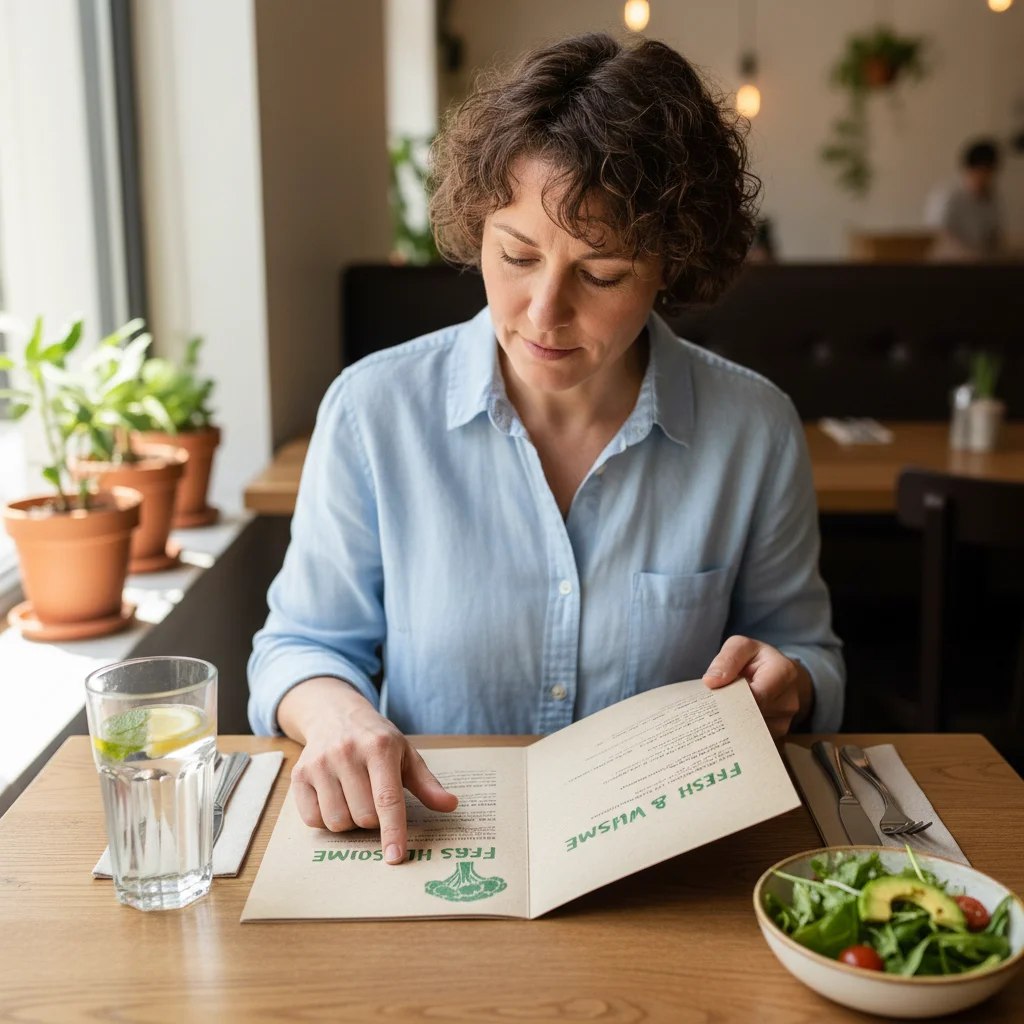
The first step to healthy dining out is to understand what you’re actually looking at when you open a menu. Modern menus are often designed to entice, using evocative language and appealing descriptions. While this enhances the dining experience, it can sometimes obscure the nutritional reality of a dish. Knowing how to read between the lines is a crucial one of our healthy dining tips.
Deciphering Menu Language: Keywords and Red Flags
Restaurants use specific terms that can indicate the cooking method or ingredients, which directly impact a dish’s health profile. Familiarize yourself with these:
- Healthy Indicators: Look for words like ‘grilled,’ ‘baked,’ ‘steamed,’ ‘roasted,’ ‘broiled,’ ‘poached,’ ‘fresh,’ ‘seasonal,’ ‘lean,’ ‘whole grain,’ ‘vegetable-based,’ ‘broth-based,’ and ‘lightly seasoned.’ These generally suggest healthier preparation methods and ingredient choices.
- Potential Pitfalls: Be wary of terms such as ‘fried,’ ‘crispy,’ ‘battered,’ ‘smothered,’ ‘au gratin,’ ‘pan-fried,’ ‘sautéed in butter,’ ‘rich,’ ‘stuffed,’ and ‘extra cheese.’ These often imply higher fat, calorie, and sodium content. While delicious, they should be approached with moderation.
- Portion Clues: Words like ‘platter,’ ‘feast,’ ‘family-style,’ or ‘generous portion’ are clear signals that the dish might be larger than a single serving. Plan to share or ask for a to-go box upfront.
Nutritional Information: A Growing Trend
More and more restaurants, especially larger chains, are providing nutritional information, either on their menus, a separate leaflet, or online. This is an invaluable resource for anyone seeking healthy dining tips. Take advantage of it!
- Check Online Before You Go: Many establishments publish their full nutritional breakdowns on their websites. A quick check before you leave home can help you pre-plan your meal and avoid impulsive, unhealthy choices.
- Focus on Key Metrics: When reviewing nutritional data, pay attention to calories, saturated fat, sodium, and sugar content. These are often the biggest culprits in unhealthy restaurant meals.
- Be Mindful of Serving Sizes: Nutritional information is always based on a specific serving size. Ensure you understand what that serving size is, especially if you plan to eat the entire dish.
Tip 1: Strategic Ordering and Smart Substitutions
Once you’ve deciphered the menu, the next step is to make smart choices. This involves not just picking the ‘right’ dish, but also knowing how to customize it to fit your dietary needs. These healthy dining tips focus on proactive ordering.
Prioritize Lean Proteins and Plenty of Produce
When selecting your main course, aim for dishes centered around lean protein sources and an abundance of vegetables.
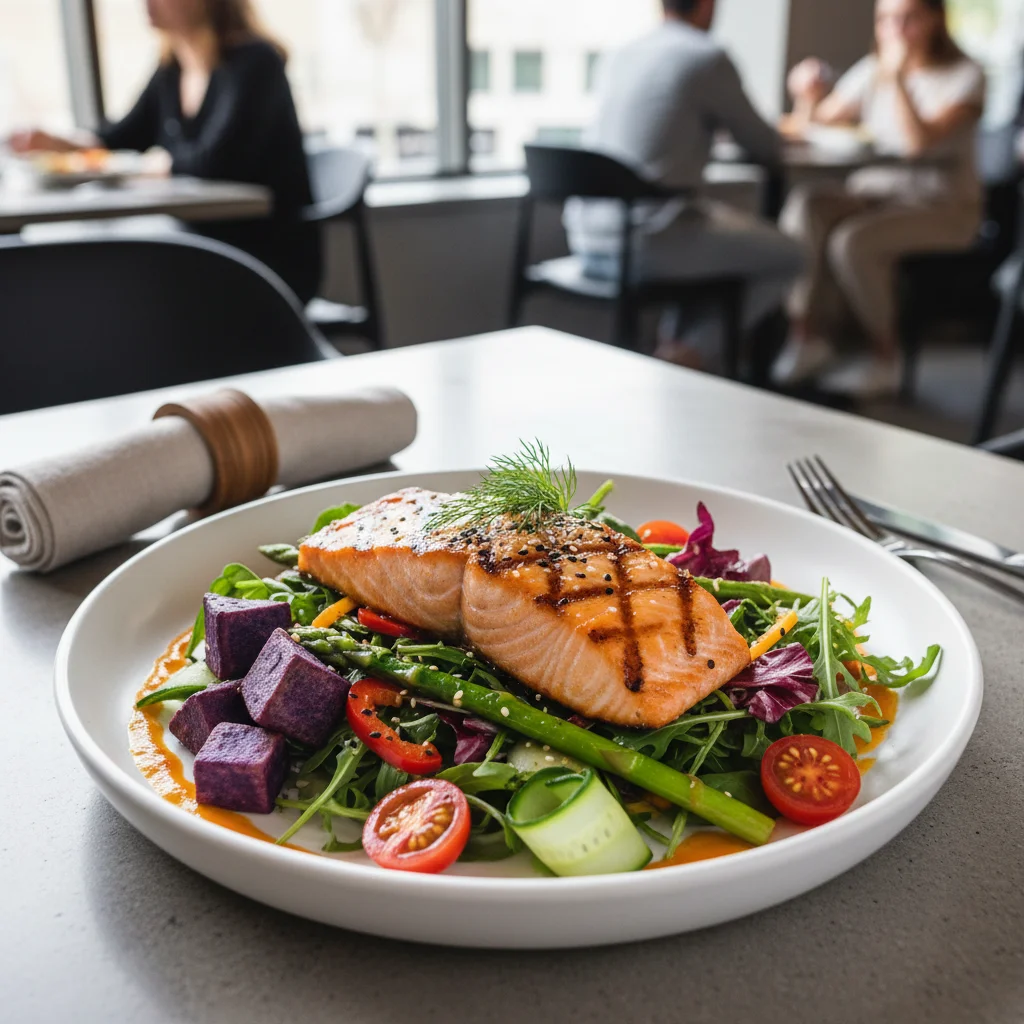
- Lean Protein Power: Opt for grilled chicken breast, fish (like salmon, cod, or tilapia), turkey, or lean cuts of steak. Plant-based proteins such as tofu, tempeh, lentils, and beans are also excellent choices.
- Veggie-Centric Meals: Look for salads (dressing on the side!), vegetable stir-fries, roasted vegetable platters, or ask for extra steamed or grilled vegetables as a side instead of fries or mashed potatoes.
- Avoid Deep-Fried Proteins: Battered and fried chicken, fish, or shrimp can significantly increase calorie and fat intake.
Mastering the Art of Substitution and Customization
Don’t be afraid to ask for modifications. Most restaurants are happy to accommodate reasonable requests, especially when it comes to dietary preferences or health concerns. This is one of the most powerful healthy dining tips.
- Dressings and Sauces on the Side: This is perhaps the easiest and most effective modification. Salad dressings, gravies, and creamy sauces can add hundreds of unnecessary calories and fats. By having them on the side, you control the amount you consume.
- Swap Sides Wisely: Instead of French fries, mashed potatoes, or rice pilaf, ask for a side salad (with light dressing), steamed vegetables, a baked potato (plain), or a fruit cup.
- Go for Whole Grains: If available, request whole-grain bread, pasta, or brown rice over their refined counterparts.
- Hold the Cheese/Bacon/Croutons: Many dishes come with optional high-calorie toppings. Don’t hesitate to ask for these to be omitted.
- Lighter Cooking Methods: If a dish is listed as ‘sautéed’ or ‘pan-fried,’ ask if it can be grilled, baked, or steamed instead.
- Portion Control: Ask for a half portion, or request that half of your meal be boxed up for later before it even reaches your table. This proactive approach helps manage portion sizes effectively.
Tip 2: Mindful Eating and Portion Control
Beyond what you order, how you eat is equally important. Mindful eating practices and effective portion control are vital healthy dining tips that extend beyond the menu itself.
Practice Mindful Eating
Dining out is often a social experience, and it’s easy to get caught up in conversation and eat quickly without truly savoring your food. Mindful eating can help you enjoy your meal more and recognize your body’s fullness cues.
- Slow Down: Take smaller bites, chew thoroughly, and put your fork down between bites. This gives your body time to register fullness.
- Engage Your Senses: Pay attention to the colors, aromas, textures, and flavors of your food. This enhances enjoyment and makes you more aware of what you’re consuming.
- Avoid Distractions: Try to minimize phone use or other distractions during your meal. Focus on the food and the company.
Effective Portion Control Strategies
Restaurant portions are notoriously generous, often exceeding a single healthy serving. Managing these larger portions is a cornerstone of healthy dining tips.
- Share an Entrée: If dining with a companion, consider splitting a main course. Many entrées are large enough for two people, especially when accompanied by an appetizer or side.
- Order from the Appetizer Menu: Often, appetizers or small plates offer more reasonable portion sizes and can serve as a perfectly satisfying main course.
- The ‘Half-to-Go’ Rule: As mentioned, ask your server to box up half of your meal before it’s even served. This removes the temptation to overeat and provides a ready-made healthy lunch for the next day.
- Use Your Hand as a Guide: A simple visual cue can help. A serving of protein is roughly the size of your palm, and a serving of carbohydrates (like rice or pasta) is about the size of your cupped hand.
Tip 3: Beverages and Desserts: The Hidden Calorie Traps
While the main course often gets the most attention, beverages and desserts can significantly derail your healthy eating efforts. Addressing these is crucial for comprehensive healthy dining tips.
Smart Beverage Choices
Many popular drinks are loaded with sugar and empty calories.
- Water is Your Best Friend: Always start with water. It’s calorie-free, hydrating, and can help you feel fuller, potentially reducing overall food intake.
- Unsweetened Options: Opt for unsweetened iced tea, black coffee, or sparkling water with a lemon or lime wedge.
- Beware of Sugary Drinks: Sodas, sweet teas, lemonades, fruit juices (even 100% juice can be high in sugar), and elaborate coffee drinks often contain as many calories as a small meal.
- Alcohol in Moderation: If you choose to drink alcohol, do so in moderation. Stick to lighter options like a glass of wine, a light beer, or a spirit with a calorie-free mixer (e.g., vodka soda). Be mindful of high-calorie cocktails.
Navigating the Dessert Menu
Desserts are often the grand finale of a meal, but they can be calorie bombs. These healthy dining tips help you enjoy a sweet treat without overdoing it.
- Share a Dessert: If you’re craving something sweet, share one dessert with the table. This allows everyone to enjoy a taste without consuming a full portion.
- Opt for Lighter Options: Fresh fruit, sorbet, or a small portion of plain yogurt are often healthier alternatives to rich cakes, pies, and ice cream sundaes.
- Coffee or Tea Instead: Sometimes, the ritual of a hot beverage after a meal is enough to satisfy the desire for something ‘more.’
- Mindful Indulgence: If you truly want a decadent dessert, enjoy a small portion mindfully. Savor every bite and don’t feel guilty. It’s about balance, not deprivation.

Advanced Healthy Dining Tips for Specific Cuisines
Different cuisines present unique challenges and opportunities for healthy eating. Here’s how to apply your healthy dining tips across various culinary styles:
Italian Cuisine
- Pasta: Opt for whole wheat pasta if available, or choose dishes with vegetable-based sauces (marinara, primavera) over creamy ones (Alfredo, carbonara). Ask for a smaller portion.
- Pizza: Go for thin crust, load up on vegetable toppings, and ask for half the cheese.
- Appetizers: Bruschetta, minestrone soup, or a simple green salad are good choices. Avoid fried calamari or cheesy garlic bread.
Asian Cuisine (Chinese, Thai, Japanese)
- Stir-fries: Excellent choice if you ask for extra vegetables and light sauce. Request brown rice instead of white.
- Sushi: Sashimi (plain fish) or nigiri (fish over a small ball of rice) are good. Be mindful of rolls with tempura (fried), cream cheese, or excessive sauces.
- Soups: Miso soup or hot and sour soup (in moderation for sodium) are generally good. Avoid creamy coconut milk-based soups in large quantities.
- Beware: Fried rice, sweet and sour dishes, and anything ‘crispy’ are often high in calories, fat, and sugar.
Mexican Cuisine
- Tacos/Fajitas: Choose soft corn tortillas over fried shells. Load up on lean protein (grilled chicken, fish) and plenty of salsa, pico de gallo, and grilled vegetables. Go easy on cheese and sour cream.
- Burrito Bowls: A great option if you control the toppings. Skip the rice, go for extra beans and veggies, and light on cheese/guacamole/sour cream.
- Appetizers: Guacamole (in moderation as it’s calorie-dense but healthy fats), salsa, and fresh vegetable sticks are better than nachos or queso.
American Cuisine (Diners, Pubs)
- Burgers: Ask for a lettuce wrap instead of a bun, or choose a lean patty (turkey, veggie burger). Load up on fresh veggies.
- Salads: Often large and can be deceivingly unhealthy. Ask for dressing on the side and avoid fried toppings like crispy chicken or bacon bits.
- Sides: Always opt for steamed vegetables, a side salad, or a baked potato over fries or onion rings.
Maintaining Consistency: Healthy Dining Habits for Life
The journey to healthy dining out isn’t about perfection; it’s about consistency and making smart choices most of the time. These final healthy dining tips focus on integrating these practices into your long-term lifestyle.
Plan Ahead
Preparation is key. If you know you’re going to a restaurant, take a few minutes to look up the menu online. This allows you to identify healthy options, plan substitutions, and avoid feeling rushed or pressured when you arrive. Having a strategy significantly increases your chances of making healthy choices.
Don’t Be Afraid to Ask
Servers are there to help. If you have questions about ingredients, cooking methods, or potential substitutions, ask! Most restaurants are accustomed to dietary requests and are happy to accommodate. Clearly communicate your needs without being demanding.
Balance and Indulgence
Healthy eating is about balance, not deprivation. If you know you’re going to a special dinner where you want to indulge a bit, plan your other meals that day to be lighter. And when you do indulge, do so mindfully and enjoy every bite without guilt. It’s the overall pattern of your eating, not a single meal, that defines your health.
Listen to Your Body
Pay attention to your hunger and fullness cues. Eat when you’re hungry, and stop when you’re comfortably full, not stuffed. This intuitive eating approach is one of the most fundamental healthy dining tips and helps prevent overeating.
Stay Hydrated
Drinking plenty of water throughout the day, and especially before and during your meal, can help you feel fuller and prevent you from mistaking thirst for hunger.
Conclusion: Empowering Your Healthy Dining Out Experience
Dining out in 2026 doesn’t have to be a battle between enjoyment and health. By arming yourself with these expert healthy dining tips, you can confidently navigate any restaurant menu, make informed decisions, and savor delicious meals that align with your wellness goals. Remember, it’s about being proactive, strategic, and mindful. With a little planning and the right approach, every dining experience can be a positive step on your healthy living journey. Enjoy your meals, make healthy choices, and thrive!