Optimal Gut Health 2026: Top 5 Daily Foods for Digestion
The 2026 Guide to Gut Health: 5 Foods to Incorporate Daily for Improved Digestion
Welcome to 2026, where the conversation around health and wellness has never been more focused on the incredible power of our gut. It’s no longer just about avoiding discomfort; it’s about understanding that a healthy gut is the cornerstone of overall well-being, influencing everything from our immune system and mood to our energy levels and cognitive function. If you’re looking to optimize your digestive health and unlock a new level of vitality, you’ve come to the right place. This comprehensive guide will delve into the essential role of your gut microbiome and highlight the top 5 foods you should be incorporating into your daily diet to achieve optimal gut health foods in 2026.
The science linking gut health to various aspects of our physical and mental state continues to grow exponentially. Researchers are constantly uncovering new connections, reinforcing the idea that nurturing our gut is one of the most impactful things we can do for our long-term health. But with so much information out there, it can be overwhelming to know where to start. That’s why we’ve distilled the latest research into actionable advice, focusing on specific gut health foods that are both accessible and incredibly effective.
Before we dive into the specific foods, let’s briefly touch upon why your gut is so crucial. Your gut, particularly your large intestine, is home to trillions of microorganisms—bacteria, viruses, fungi, and other microbes—collectively known as the gut microbiome. This intricate ecosystem plays a vital role in digesting food, synthesizing vitamins, protecting against pathogens, and even communicating with your brain. When this ecosystem is balanced and diverse, your body thrives. Conversely, an imbalanced microbiome, known as dysbiosis, can contribute to a host of issues, including digestive problems, weakened immunity, inflammation, and even mental health disorders.
The good news is that you have significant control over the health of your gut microbiome through your dietary choices. By consciously selecting foods that nourish beneficial bacteria and reduce inflammation, you can actively shape a healthier internal environment. This guide is designed to empower you with that knowledge, providing you with a clear roadmap to incorporating powerful gut health foods into your everyday life. So, let’s explore the five superstars that deserve a permanent spot on your plate in 2026.
Understanding Your Gut Microbiome: The Foundation of Health
To truly appreciate the impact of gut health foods, it’s essential to grasp the basics of your gut microbiome. Imagine your gut as a bustling city, teeming with diverse inhabitants. Each type of microbe has a specific job, contributing to the overall function and harmony of the city. Beneficial bacteria, often referred to as probiotics, help break down food, produce short-chain fatty acids (SCFAs) like butyrate (which fuels colon cells and reduces inflammation), and fend off harmful invaders. A diverse microbiome, with many different species present, is generally considered more resilient and beneficial.
Factors like diet, lifestyle, stress, medication (especially antibiotics), and even your environment can influence the composition of your gut microbiome. In today’s fast-paced world, many people consume diets high in processed foods, sugar, and unhealthy fats, which can disrupt this delicate balance. This is where the strategic inclusion of specific gut health foods becomes paramount. By feeding your beneficial bacteria the nutrients they need, you encourage their growth and proliferation, leading to a more robust and resilient gut ecosystem.
The connection between the gut and other bodily systems is also a rapidly expanding area of research. The ‘gut-brain axis,’ for instance, describes the bidirectional communication between the gut and the central nervous system. This means that the state of your gut can influence your mood, stress levels, and cognitive function, and vice versa. Similarly, a healthy gut barrier prevents undigested food particles and toxins from entering the bloodstream, thus reducing systemic inflammation and supporting immune function. It’s clear that investing in your gut health is an investment in your entire body’s well-being.
Top 5 Gut Health Foods to Incorporate Daily in 2026
1. Fermented Foods: The Probiotic Powerhouses
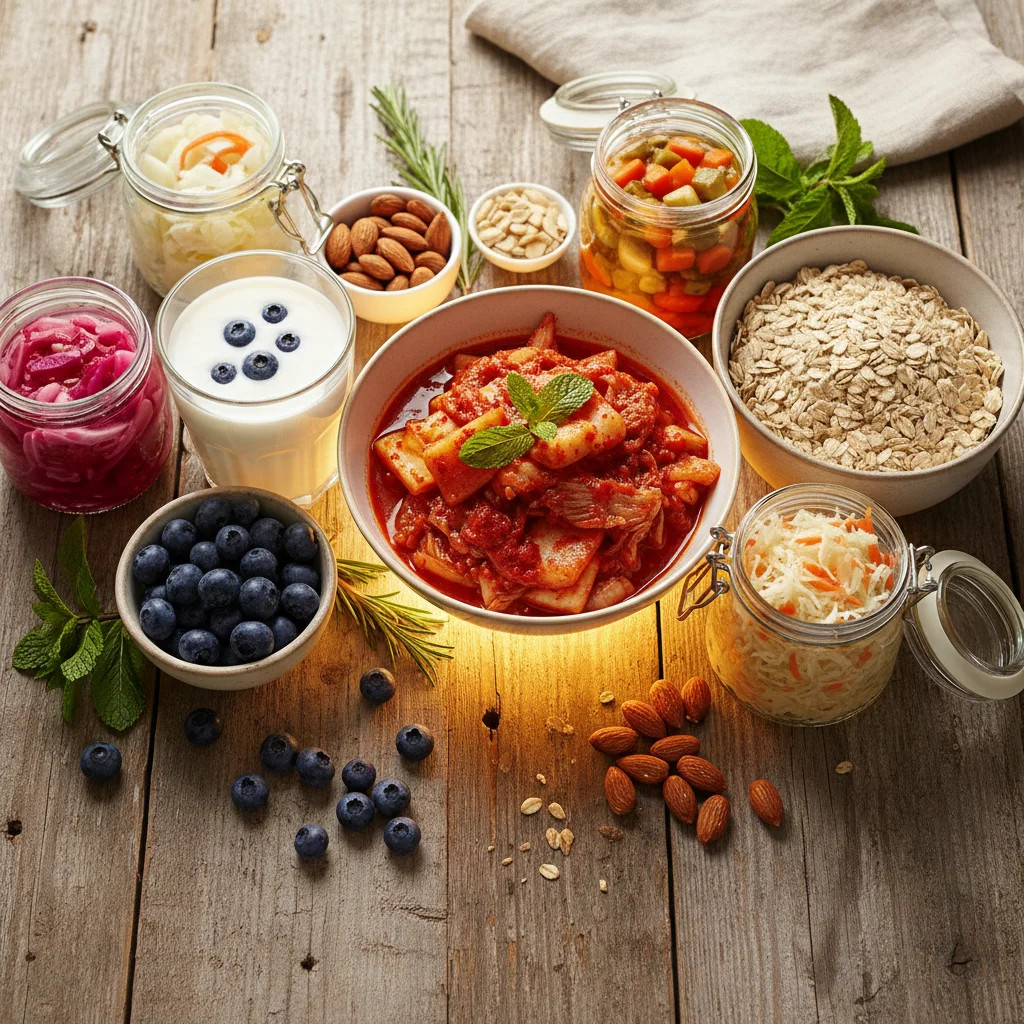
When it comes to gut health foods, fermented items are often at the top of the list, and for good reason. These foods undergo a process where microorganisms (bacteria and yeasts) convert carbohydrates into other compounds, often producing beneficial bacteria in the process. Consuming fermented foods regularly introduces a diverse array of live microorganisms (probiotics) into your gut, helping to replenish and diversify your microbiome.
Key Fermented Foods:
- Kefir: A fermented milk drink, kefir is an excellent source of probiotics, often containing more strains than yogurt. It’s also rich in calcium and B vitamins. For those avoiding dairy, water kefir and coconut milk kefir are excellent alternatives.
- Sauerkraut & Kimchi: These fermented cabbage dishes are packed with probiotics, fiber, and vitamins. Their distinct tangy flavors make them great additions to meals. Ensure you choose unpasteurized versions to get the live cultures.
- Yogurt (with live active cultures): A classic probiotic food, yogurt can be a great daily addition. Look for labels that explicitly state ‘live active cultures’ and avoid those with excessive added sugars.
- Tempeh: A fermented soybean product, tempeh is a fantastic plant-based protein source that also delivers beneficial bacteria.
How to incorporate: Add a dollop of kefir to your morning smoothie, serve sauerkraut alongside your main meal, snack on plain yogurt, or use tempeh in stir-fries and salads. Aim for at least one serving of fermented foods daily to significantly boost your intake of beneficial bacteria and improve your overall gut health foods profile.
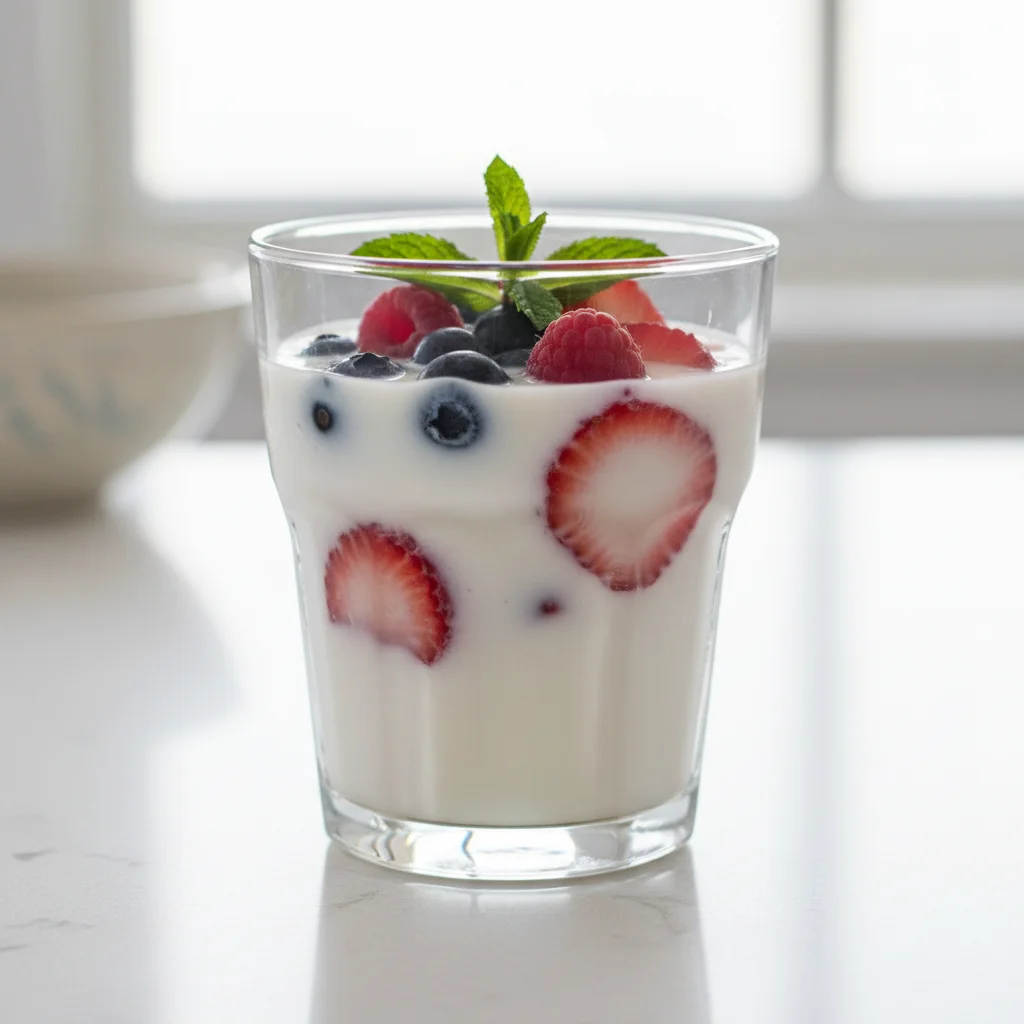
2. High-Fiber Vegetables: Fuel for Your Gut Microbes
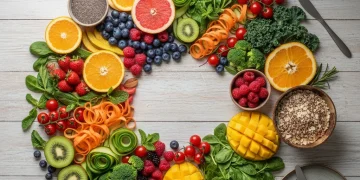
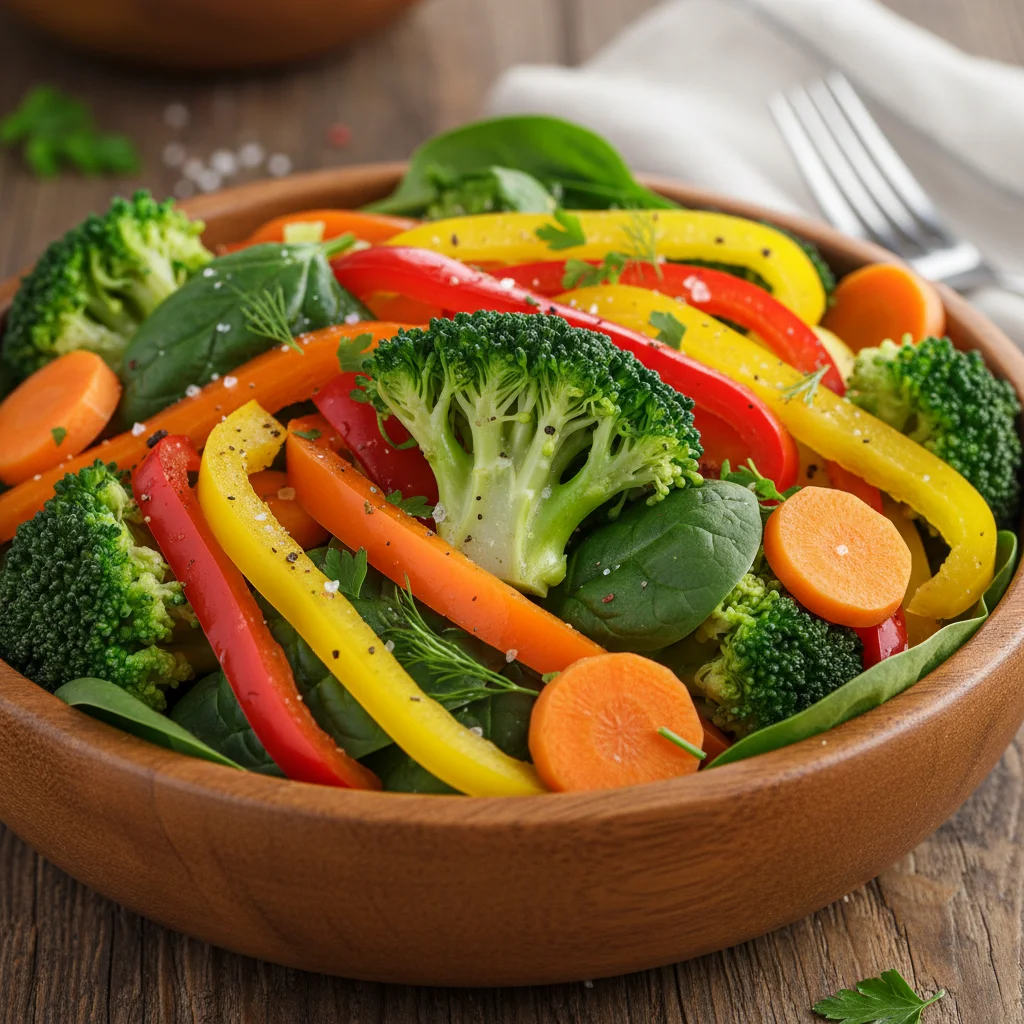
While probiotics introduce beneficial bacteria, prebiotics are the food that nourishes them. High-fiber vegetables are among the best sources of prebiotics. These indigestible fibers pass through your digestive system to the colon, where they are fermented by your gut bacteria. This fermentation process produces beneficial compounds like short-chain fatty acids (SCFAs), which are crucial for gut health and overall well-being.
Key High-Fiber Vegetables:
- Asparagus: Rich in inulin, a type of prebiotic fiber that feeds beneficial bifidobacteria.
- Garlic & Onions: These alliums contain fructans and GOS (galactooligosaccharides), powerful prebiotics that support a healthy gut.
- Leeks: Similar to garlic and onions, leeks are an excellent source of prebiotic fiber.
- Artichokes: Both globe and Jerusalem artichokes are packed with inulin.
- Broccoli & Cauliflower: These cruciferous vegetables are not only high in fiber but also contain compounds that support detoxification pathways.
How to incorporate: Aim for a diverse range of vegetables with every meal. Roast asparagus, sauté onions and garlic as a base for many dishes, add leeks to soups, or steam broccoli as a side. The more variety you include, the broader the spectrum of nutrients and prebiotics your gut microbes will receive, leading to a more diverse and resilient microbiome. These are fundamental gut health foods for a reason.
3. Berries: Antioxidant and Fiber Powerhouses
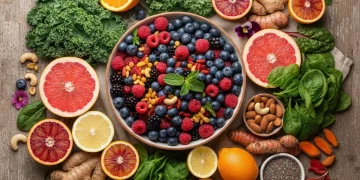
Berries are small but mighty when it comes to supporting gut health. They are exceptionally rich in both soluble and insoluble fiber, which contributes to digestive regularity and feeds beneficial gut bacteria. Beyond fiber, berries are loaded with antioxidants, particularly polyphenols, which have anti-inflammatory properties and can positively influence the gut microbiome composition.
Key Berries:
- Blueberries: Known for their high antioxidant content, blueberries also provide a good dose of fiber.
- Raspberries: One of the highest-fiber fruits, raspberries are excellent for digestive health.
- Blackberries: Another fiber-rich berry packed with antioxidants.
- Strawberries: A good source of vitamin C and fiber, contributing to a healthy gut environment.
How to incorporate: Add them to your morning oatmeal or yogurt, blend them into smoothies, or enjoy them as a healthy snack. Frozen berries are just as nutritious as fresh ones and are perfect for smoothies year-round. Making berries a daily habit is a delicious way to boost your intake of vital gut health foods.
4. Nuts and Seeds: Healthy Fats, Fiber, and Micronutrients
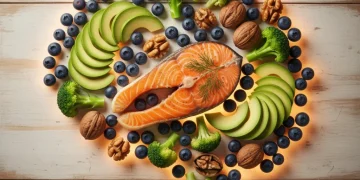
Nuts and seeds are nutritional powerhouses, offering a combination of healthy fats, protein, fiber, and an array of vitamins and minerals. Their fiber content is particularly beneficial for gut health, acting as both prebiotics and aiding in regular bowel movements. The healthy fats, especially omega-3 fatty acids found in some seeds, also play a role in reducing inflammation throughout the body, including the gut.
Key Nuts and Seeds:
- Almonds: Good source of fiber, vitamin E, and magnesium. Studies suggest they can increase beneficial bacteria.
- Chia Seeds: Packed with soluble fiber, omega-3 fatty acids, and protein. They form a gel in water, which can aid digestion.
- Flaxseeds: Another excellent source of fiber and omega-3s, flaxseeds also contain lignans, which have antioxidant properties.
- Walnuts: Rich in omega-3 fatty acids and polyphenols, both beneficial for gut health and reducing inflammation.
- Pumpkin Seeds: Provide fiber, magnesium, zinc, and healthy fats.
How to incorporate: Sprinkle chia or flax seeds over your oatmeal, yogurt, or salads. Snack on a handful of almonds or walnuts. Add pumpkin seeds to your soups or roasted vegetables. A small daily serving of diverse nuts and seeds can significantly enhance your intake of crucial gut health foods.
5. Whole Grains: Complex Carbohydrates for Gut Resilience
While some modern diets vilify carbohydrates, whole grains are a vital component of a gut-healthy diet. Unlike refined grains, whole grains retain their bran, germ, and endosperm, meaning they are rich in fiber, B vitamins, and minerals. The fiber in whole grains acts as a prebiotic, feeding beneficial gut bacteria and promoting the production of SCFAs.
Key Whole Grains:
- Oats: Especially rich in beta-glucan, a soluble fiber that has been shown to improve gut microbiota diversity and lower cholesterol.
- Quinoa: A complete protein and a good source of fiber, magnesium, and phosphorus.
- Brown Rice: A healthier alternative to white rice, providing more fiber and nutrients.
- Barley: High in beta-glucan and other fibers beneficial for gut health.
- Farro: An ancient grain rich in fiber, protein, and minerals.
How to incorporate: Start your day with a bowl of oatmeal. Use quinoa as a base for salads or as a side dish instead of white rice. Incorporate barley into soups and stews. Opt for whole-grain bread and pasta over refined versions. Making these simple swaps can significantly boost your fiber intake and support a thriving gut microbiome, solidifying your commitment to incorporating effective gut health foods.
Beyond Food: Lifestyle Factors for Optimal Gut Health
While focusing on gut health foods is paramount, it’s important to remember that your diet is just one piece of the puzzle. Several lifestyle factors also significantly impact your gut microbiome and overall digestive health. Integrating these habits alongside your dietary changes will provide a holistic approach to gut wellness in 2026:
Stress Management
The gut-brain axis means that chronic stress can have a profound negative impact on your gut. Stress can alter gut motility, increase gut permeability (leading to ‘leaky gut’), and shift the balance of your microbiome. Incorporate stress-reducing practices into your daily routine, such as:
- Mindfulness meditation
- Deep breathing exercises
- Yoga or tai chi
- Spending time in nature
- Ensuring adequate social connection
Regular Physical Activity
Exercise has been shown to positively influence gut microbiota diversity and function. It can increase beneficial bacteria, reduce inflammation, and improve gut motility. Aim for at least 150 minutes of moderate-intensity aerobic activity or 75 minutes of vigorous-intensity activity per week, along with strength training on two or more days.
Adequate Sleep
Sleep deprivation can negatively impact gut health by disrupting circadian rhythms, which in turn can affect the gut microbiome. Prioritize 7-9 hours of quality sleep per night. Establish a consistent sleep schedule, create a relaxing bedtime routine, and optimize your sleep environment for darkness, quiet, and a cool temperature.
Hydration
Water is essential for healthy digestion. It helps to move food through your digestive tract, keeps stools soft, and supports the overall function of your gut. Aim to drink at least 8 glasses of water per day, and more if you are active or in a hot climate. Herbal teas can also contribute to your daily fluid intake.
Mindful Eating
How you eat is almost as important as what you eat. Practicing mindful eating involves paying attention to your food, eating slowly, chewing thoroughly, and listening to your body’s hunger and fullness cues. This can improve digestion, reduce overeating, and enhance your appreciation for the gut health foods you consume.
Putting It All Together: A Daily Gut Health Plan for 2026
Integrating these gut health foods and lifestyle practices into your daily routine doesn’t have to be overwhelming. Start small and gradually build up. Here’s a sample day to inspire you:
- Breakfast: Oatmeal topped with mixed berries, a sprinkle of chia seeds, and a dollop of plain kefir or yogurt.
- Lunch: A large salad with mixed greens, roasted vegetables (like broccoli, asparagus, and bell peppers), a source of protein (e.g., tempeh or chicken), and a handful of walnuts. Dress with olive oil and apple cider vinegar.
- Snack: An apple with a small handful of almonds, or a serving of kimchi.
- Dinner: Baked salmon with a side of quinoa and steamed leeks and garlic.
- Throughout the day: Drink plenty of water and herbal teas.
Consistency is key. It takes time for your gut microbiome to adapt and flourish, so be patient and persistent with your efforts. Listen to your body, and adjust as needed. You might find that some foods work better for you than others, and that’s perfectly normal.
Conclusion: Embrace a Gut-Healthy Future in 2026
The journey to optimal gut health is a continuous one, but the rewards are immense. By consciously choosing to incorporate these 5 powerful gut health foods—fermented foods, high-fiber vegetables, berries, nuts and seeds, and whole grains—into your daily diet, you are actively nourishing your internal ecosystem and laying the foundation for improved digestion, a stronger immune system, enhanced mood, and overall vitality. In 2026, let’s make gut health a priority, not just a trend.
Remember, a healthy gut is a happy gut, and a happy gut contributes to a happy you. Start today by making small, sustainable changes, and watch as your body thanks you with renewed energy and well-being. Your digestive system is a marvel, and by providing it with the right fuel, you empower it to perform at its best. Embrace these gut health foods and transform your health from the inside out!