Top 7 Superfoods for Immune Support in 2026: A Data-Driven Analysis
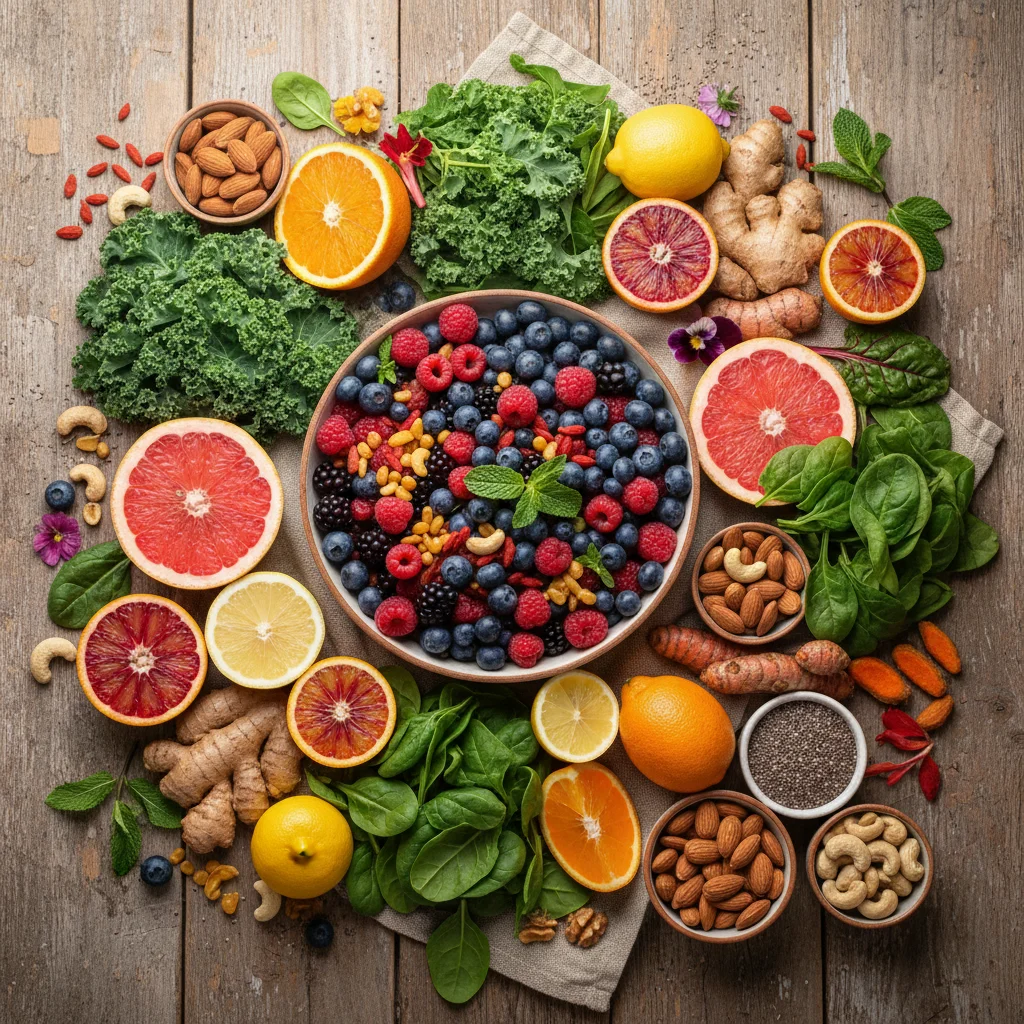
Top 7 Superfoods for Immune Support in 2026: A Data-Driven Analysis
In an increasingly health-conscious world, the quest for optimal well-being has never been more prominent. As we navigate through 2026, the focus on preventative health measures, particularly strengthening our body’s natural defenses, remains paramount. The concept of ‘superfoods’ has evolved from a trendy buzzword to a cornerstone of nutritional science, offering concentrated doses of vitamins, minerals, antioxidants, and other beneficial compounds that can significantly bolster our immune system. This comprehensive guide delves into the top 7 immune support superfoods for 2026, providing a data-driven analysis of their efficacy, nutritional profiles, and practical ways to integrate them into your daily diet. Our aim is to equip you with the knowledge to make informed choices that empower your health and resilience.
The immune system is a complex network of cells, tissues, and organs that work in concert to protect the body from harmful pathogens. Its optimal functioning is crucial for preventing illnesses and recovering quickly when they do strike. While a balanced diet is always the foundation of good health, certain foods stand out due to their exceptional concentration of immune-boosting properties. These are the superfoods that science continues to highlight as vital allies in our ongoing pursuit of robust health.
The selection of these top 7 immune support superfoods is not arbitrary. It’s based on a careful review of recent nutritional research, epidemiological studies, and biochemical analyses that pinpoint specific compounds and their mechanisms of action in supporting immune function. From modulating inflammatory responses to enhancing the production of immune cells, these foods offer a multifaceted approach to fortifying your body’s defenses. Let’s explore these nutritional powerhouses that are set to define immune health in 2026.
1. Elderberries: Nature’s Potent Antiviral
Elderberries (Sambucus nigra) have been revered for centuries in traditional medicine, and modern science continues to validate their impressive immune-boosting capabilities. Rich in anthocyanins, flavonoids, and other polyphenols, elderberries exhibit powerful antioxidant and antiviral properties. Research indicates that elderberry extract can significantly reduce the duration and severity of cold and flu symptoms by inhibiting viral replication and boosting cytokine production, which are signaling molecules crucial for immune responses. In 2026, elderberry continues to be a leading contender for immune support superfoods due to its proven track record and ongoing research.
Nutritional Profile and Benefits:
- Antioxidants: High levels of anthocyanins, quercetin, and phenolic acids combat oxidative stress and inflammation.
- Vitamins: A good source of Vitamin C, a well-known immune enhancer.
- Antiviral Properties: Studies suggest elderberry compounds can block viruses from entering host cells and inhibit their replication.
- Anti-inflammatory Effects: Reduces inflammation, which can otherwise suppress immune function.
How to Incorporate:
Elderberry syrup, tinctures, and teas are popular forms. You can also find elderberry supplements. For culinary use, dried elderberries can be rehydrated and added to baked goods, jams, or smoothies. Always ensure elderberries are cooked, as raw elderberries contain compounds that can cause digestive upset.
2. Turmeric: The Golden Anti-inflammatory Powerhouse
Turmeric, a vibrant yellow spice, is much more than a culinary delight; it’s a potent medicinal herb with a long history of use in Ayurvedic and traditional Chinese medicine. Its primary active compound, curcumin, is responsible for most of its health benefits. Curcumin is a powerful anti-inflammatory and antioxidant agent that plays a crucial role in immune modulation. Chronic inflammation can weaken the immune system, making the body more susceptible to illness. Turmeric’s ability to reduce systemic inflammation makes it an indispensable immune support superfood for 2026.
Nutritional Profile and Benefits:
- Curcumin: The main active ingredient, known for its strong anti-inflammatory and antioxidant effects.
- Immune Modulation: Helps regulate immune cell activity, enhancing beneficial responses while dampening harmful ones.
- Antioxidant Boost: Protects cells from damage caused by free radicals.
- Gut Health: Supports a healthy gut microbiome, which is intrinsically linked to immune function.
How to Incorporate:
Add fresh or powdered turmeric to curries, soups, smoothies, and scrambled eggs. A popular way to consume it is in ‘golden milk’ – a warm drink with turmeric, milk (dairy or plant-based), and other spices. Pairing turmeric with black pepper significantly enhances curcumin absorption due to piperine in pepper.
3. Ginger: The Zesty Immune Stimulator
Ginger, with its pungent aroma and spicy flavor, is another ancient remedy that continues to hold its ground as a top immune support superfood. Rich in gingerols, shogaols, and paradols, ginger possesses strong anti-inflammatory and antioxidant properties. It’s particularly renowned for its ability to soothe digestive issues, which are often interconnected with immune health, and its direct role in fighting infections.
Nutritional Profile and Benefits:
- Gingerols: The main bioactive compounds in fresh ginger, responsible for its medicinal properties, including anti-inflammatory and antioxidant effects.
- Anti-nausea: Effective in alleviating nausea and vomiting.
- Antimicrobial: Exhibits properties that can help fight off various pathogens.
- Circulatory Stimulant: Promotes healthy blood flow, which is vital for distributing immune cells throughout the body.
How to Incorporate:
Fresh ginger can be grated into teas, stir-fries, soups, and dressings. Ginger shots, made by juicing fresh ginger, are a potent way to consume it. Pickled ginger is also a delightful addition to many meals. Experiment with both fresh and powdered forms to discover your preferred applications.
4. Berries (Açaí, Blueberries, Raspberries): Antioxidant Powerhouses
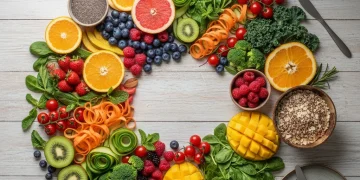
When it comes to immune support superfoods, the berry family consistently ranks high. Açaí, blueberries, and raspberries, in particular, are celebrated for their exceptional antioxidant content, especially anthocyanins. These compounds protect cells from oxidative damage, a key factor in maintaining robust immune function. They also provide essential vitamins and fiber, contributing to overall health and gut integrity.
Nutritional Profile and Benefits:
- Anthocyanins: Powerful antioxidants that give berries their vibrant colors and offer significant anti-inflammatory benefits.
- Vitamin C: Crucial for immune cell function and collagen production.
- Fiber: Supports digestive health and a balanced gut microbiome, which is vital for immunity.
- Manganese: An essential trace mineral involved in antioxidant defense.
How to Incorporate:
Fresh or frozen, berries are incredibly versatile. Add them to smoothies, yogurt, oatmeal, salads, or enjoy them as a standalone snack. Açaí bowls have become a popular way to consume this Amazonian superfood, often blended with other fruits and topped with nuts and seeds.
5. Leafy Green Vegetables (Spinach, Kale, Swiss Chard): Nutrient-Dense Defenders
Leafy green vegetables are non-negotiable for a healthy diet, and their role in immune support is particularly significant. Spinach, kale, and Swiss chard are packed with an impressive array of vitamins, minerals, and phytonutrients that work synergistically to bolster the immune system. Their high content of Vitamin C, Vitamin K, folate, and various antioxidants makes them foundational superfoods.
Nutritional Profile and Benefits:
- Vitamin C: Essential for immune cell production and function.
- Vitamin K: Important for blood clotting and bone health, indirectly supporting overall vitality.
- Folate: Crucial for cell division and DNA synthesis, supporting the rapid production of immune cells.
- Antioxidants: Lutein, zeaxanthin, and beta-carotene protect cells from damage.
- Fiber: Promotes healthy digestion and a thriving gut microbiome.

How to Incorporate:
Leafy greens can be enjoyed raw in salads, blended into smoothies, sautéed as a side dish, or added to soups, stews, and stir-fries. Their versatility makes them easy to include in almost any meal. Steaming or light sautéing helps retain their nutritional value.
6. Fermented Foods (Kimchi, Sauerkraut, Kefir): Gut-Immune Connection
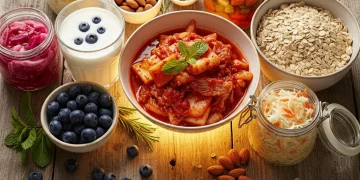
The link between gut health and immune function is undeniable. A healthy gut microbiome, teeming with beneficial bacteria, is crucial for a strong immune system. Fermented foods are excellent sources of probiotics, which are live microorganisms that contribute to a balanced gut flora. Kimchi, sauerkraut, and kefir are stellar examples of immune support superfoods that work from the inside out.
Nutritional Profile and Benefits:
- Probiotics: Introduce beneficial bacteria to the gut, improving gut barrier function and immune response.
- Improved Nutrient Absorption: A healthy gut can better absorb essential vitamins and minerals.
- Short-Chain Fatty Acids (SCFAs): Produced by gut bacteria, SCFAs like butyrate have anti-inflammatory properties and support immune regulation.
- Vitamin K2: Found in some fermented foods, important for bone and cardiovascular health.
How to Incorporate:
Add kimchi or sauerkraut as a pungent side dish to meals, or incorporate them into sandwiches and salads. Kefir can be enjoyed as a drink, in smoothies, or as a base for dressings. Start with small portions to allow your digestive system to adjust to the new influx of probiotics.
7. Nuts and Seeds (Almonds, Walnuts, Chia Seeds, Flax Seeds): Essential Micronutrients
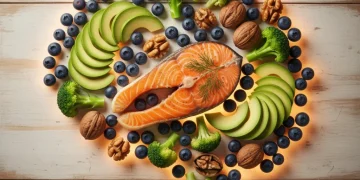
Nuts and seeds are often overlooked, but they are powerhouses of essential micronutrients that play critical roles in immune function. Almonds, walnuts, chia seeds, and flax seeds provide healthy fats, protein, fiber, and vital minerals like zinc, selenium, and Vitamin E. These components are essential for the development and function of immune cells and for protecting the body from oxidative damage.
Nutritional Profile and Benefits:
- Zinc: Crucial for the development and function of immune cells.
- Selenium: A powerful antioxidant that supports immune response.
- Vitamin E: Another potent antioxidant that protects cell membranes.
- Omega-3 Fatty Acids: Found abundantly in walnuts, chia, and flax seeds, these healthy fats have anti-inflammatory properties.
- Protein: Essential building blocks for antibodies and immune cells.
How to Incorporate:
Snack on a handful of mixed nuts and seeds, add them to your oatmeal or yogurt, sprinkle them over salads, or blend them into smoothies. Nut butters (almond, walnut) are also delicious and convenient options. Ensure they are unsalted and unsweetened for the best health benefits.
The Synergy of Superfoods: Beyond Individual Benefits
While each of these immune support superfoods offers distinct advantages, their true power lies in their synergistic effects. A diet rich in a variety of these foods ensures that your body receives a broad spectrum of nutrients and bioactive compounds that work together to create a robust and resilient immune system. It’s not about consuming one superfood in isolation, but rather integrating a diverse range into your regular dietary pattern.
The data consistently shows that a holistic approach to nutrition, emphasizing whole, unprocessed foods, is the most effective strategy for long-term immune health. These superfoods act as catalysts, enhancing the body’s natural defense mechanisms and preparing it to face environmental challenges more effectively. In 2026, understanding this synergy is more important than ever, as it allows for a more comprehensive and effective strategy for maintaining peak health.
Practical Tips for Integrating Immune Support Superfoods
Making dietary changes can seem daunting, but incorporating these immune support superfoods into your routine can be simple and enjoyable:
- Start Small: Begin by adding one or two new superfoods to your diet each week.
- Smoothie Power: Blend berries, leafy greens, ginger, and even a sprinkle of turmeric into your morning smoothie.
- Meal Prep: Prepare large batches of immune-boosting ingredients like roasted vegetables or fermented sides to have on hand.
- Snack Smart: Replace processed snacks with nuts, seeds, or a handful of berries.
- Hydration with a Twist: Add slices of ginger and lemon to your water for a flavorful, immune-boosting drink.
- Experiment with Recipes: Explore new recipes that feature these superfoods to keep things interesting.
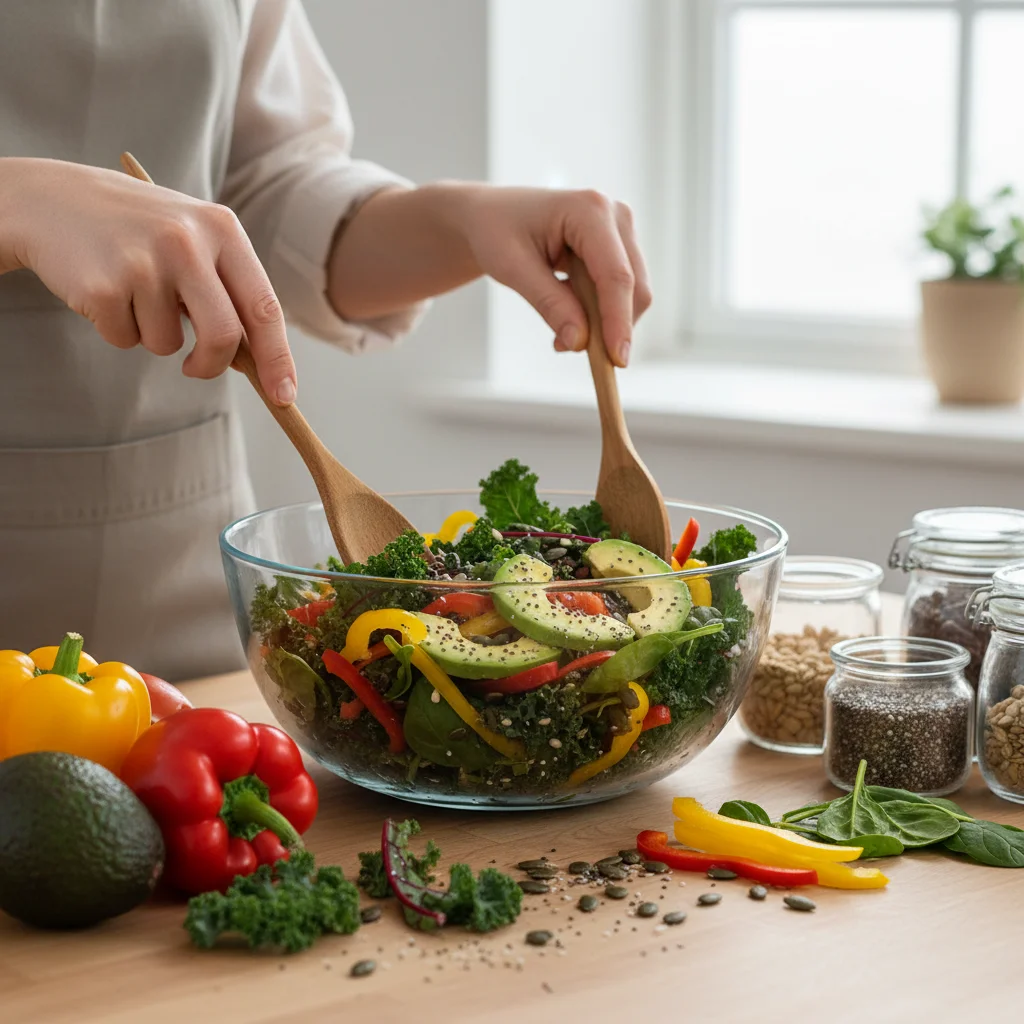
Understanding the Scientific Basis: Why Data Matters
The ‘data-driven’ aspect of this analysis is crucial. In the age of misinformation, relying on scientific evidence helps distinguish genuine health benefits from fleeting trends. Research on these immune support superfoods often involves clinical trials, observational studies, and laboratory experiments that investigate their impact on immune markers, inflammatory pathways, and disease outcomes. For instance, studies on elderberry’s antiviral effects or curcumin’s anti-inflammatory properties provide concrete evidence of their efficacy.
Future research in 2026 and beyond will likely continue to uncover even more intricate details about how these foods interact with our biology, offering further insights into personalized nutrition strategies. Staying informed about these developments is key to harnessing the full potential of superfoods for immune health.
Beyond Superfoods: A Holistic Approach to Immunity
While these 7 immune support superfoods are incredibly beneficial, it’s vital to remember that they are part of a larger picture. A truly robust immune system is supported by a holistic lifestyle that includes:
- Adequate Sleep: 7-9 hours of quality sleep per night is essential for immune cell regeneration and function.
- Regular Physical Activity: Moderate exercise can boost circulation and immune cell activity.
- Stress Management: Chronic stress can suppress immune function; practices like meditation, yoga, or spending time in nature can help.
- Hydration: Drinking plenty of water helps maintain mucous membranes, a first line of defense against pathogens.
- Limiting Processed Foods and Sugar: These can contribute to inflammation and negatively impact gut health, thereby weakening immunity.
By combining these lifestyle factors with a diet rich in the top immune support superfoods, you create an environment where your immune system can thrive, protecting you against illness and promoting overall vitality. This integrated approach ensures that your body is not just surviving, but flourishing, in 2026 and for years to come.
Conclusion: Empowering Your Immune System in 2026
As we look to the future, the emphasis on proactive health management will only grow. The top 7 immune support superfoods for 2026 – elderberries, turmeric, ginger, berries, leafy green vegetables, fermented foods, and nuts and seeds – represent nature’s finest offerings for strengthening your body’s defenses. Each brings a unique set of benefits, from potent antioxidants and anti-inflammatory compounds to essential vitamins and gut-supporting probiotics.
By consciously incorporating these powerhouses into your daily diet, you are not just eating well; you are investing in your long-term health and resilience. Remember that consistency and variety are key. Embrace the delicious diversity these superfoods offer and witness the transformative impact they can have on your immune system and overall well-being. Make 2026 the year you prioritize your immune health, one superfood at a time, guided by the robust data that underpins their incredible benefits.