Boost Brain Health: Top 5 Foods for Cognitive Function in 2026
Boost Brain Health: Top 5 Foods for Cognitive Function in 2026
In our fast-paced world, maintaining peak cognitive function is more crucial than ever. From demanding careers to complex personal lives, our brains are constantly working overtime. As we look towards 2026 and beyond, the science of nutrition continues to uncover powerful links between what we eat and how well our brains perform. This comprehensive guide will delve into the top 5 brain health foods that are poised to make a significant impact on your memory, focus, and overall mental well-being. Understanding and incorporating these foods into your daily diet isn’t just about preventing cognitive decline; it’s about optimizing your brain’s potential, enhancing your problem-solving skills, and boosting your mood. Let’s embark on a journey to nourish your brain and unlock its full capacity with the power of strategic eating.
The Foundation of Brain Health: Why Diet Matters
The human brain is an incredibly complex organ, consuming a disproportionate amount of the body’s energy and nutrient resources. It’s the command center for everything we do – thinking, feeling, remembering, and moving. Just like any high-performance machine, your brain requires premium fuel to operate optimally. The food you consume directly influences brain structure and function, affecting everything from your mood and energy levels to your memory and ability to concentrate. A diet rich in essential nutrients can protect brain cells from damage, reduce inflammation, and support neural pathways, while a diet lacking these vital components can lead to cognitive impairment, mental fatigue, and an increased risk of neurodegenerative diseases.
Research consistently shows that certain dietary patterns, such as the Mediterranean diet, are associated with better cognitive outcomes. These diets emphasize whole, unprocessed foods, healthy fats, lean proteins, and plenty of fruits and vegetables – all elements that contribute to robust healthy eating. Conversely, diets high in processed foods, refined sugars, and unhealthy fats can promote inflammation and oxidative stress, both of which are detrimental to brain function. As we age, the importance of a brain-healthy diet becomes even more pronounced, as it can help mitigate age-related cognitive decline and support neuroplasticity – the brain’s ability to adapt and form new connections.
In 2026, with increasing awareness of personalized nutrition and the power of food as medicine, prioritizing specific brain health foods is not just a trend but a fundamental strategy for long-term well-being. Let’s explore the scientific rationale behind each of our top picks and how they contribute to a sharper, healthier mind.
1. Blueberries: The Tiny Powerhouses of Cognitive Enhancement
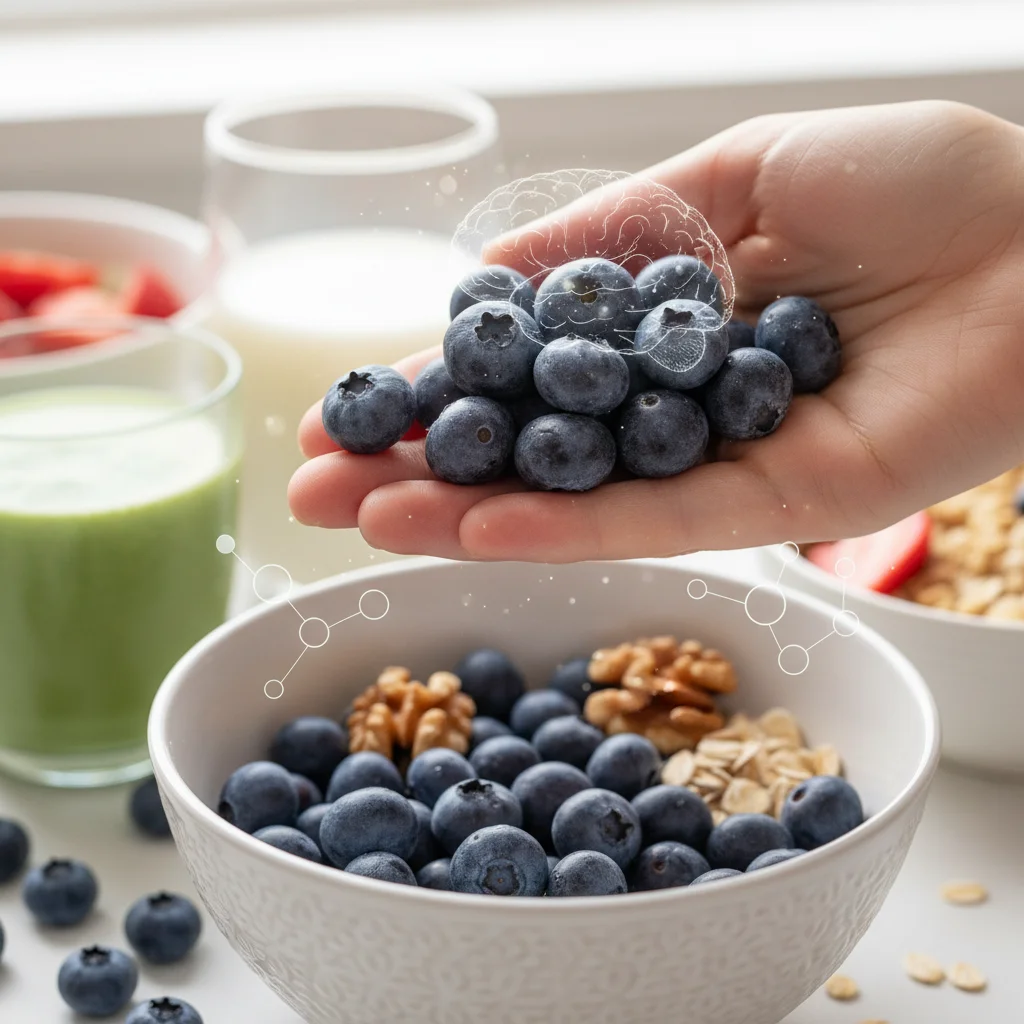
When it comes to brain health foods, blueberries often top the list, and for good reason. These small, sweet berries are packed with antioxidants, particularly flavonoids, which have been shown to have remarkable neuroprotective effects. Flavonoids, such as anthocyanins (which give blueberries their vibrant color), can cross the blood-brain barrier, where they exert their beneficial effects. They help reduce inflammation and oxidative stress, two major culprits in age-related cognitive decline and neurodegenerative diseases.
Studies have indicated that regular consumption of blueberries can improve memory, learning, and overall cognitive function. For instance, research published in the Journal of Agricultural and Food Chemistry found that blueberry supplementation improved memory performance in older adults. The antioxidants in blueberries also enhance communication between brain cells, promote the growth of new brain cells, and improve blood flow to the brain, ensuring it receives adequate oxygen and nutrients. This makes them an invaluable addition to any diet aimed at boosting nutrition.
Beyond their antioxidant prowess, blueberries are also a good source of vitamin C and K, and manganese, all of which play supporting roles in neurological health. Incorporating blueberries into your diet is easy and delicious. Add them to your morning oatmeal or yogurt, blend them into smoothies, or enjoy them as a refreshing snack. For optimal benefits, aim for at least a cup of fresh or frozen blueberries several times a week. Their versatility and potent cognitive benefits make them a cornerstone of any brain-boosting diet.
2. Fatty Fish (Salmon, Mackerel, Sardines): Omega-3 Superstars
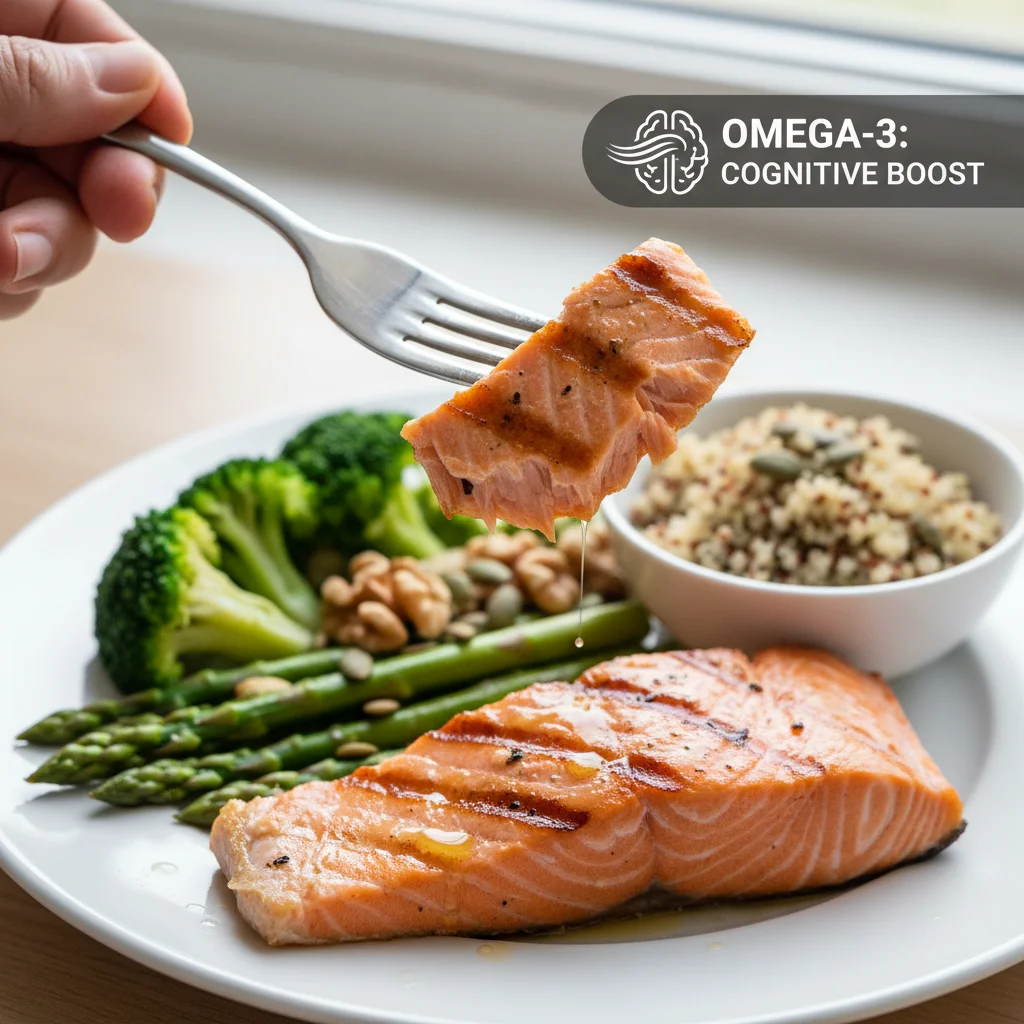
Fatty fish are renowned for their high concentration of omega-3 fatty acids, particularly docosahexaenoic acid (DHA) and eicosapentaenoic acid (EPA). These essential fatty acids are critical building blocks of brain cell membranes and play a vital role in brain function and development. DHA, in particular, is the most abundant omega-3 fatty acid in the brain and is crucial for maintaining the fluidity of cell membranes, which is essential for efficient communication between neurons.
The benefits of omega-3s for immune system are extensive. They have powerful anti-inflammatory effects that can protect the brain from damage and reduce the risk of neurodegenerative diseases like Alzheimer’s. Research has shown that individuals with higher levels of omega-3s tend to have better memory, sharper focus, and a reduced risk of depression and anxiety. A study published in Neurology found that older adults with higher levels of omega-3 fatty acids in their blood had larger brain volumes and performed better on cognitive tests, suggesting that these fats help preserve brain structure and function as we age.
To reap the cognitive benefits, aim to consume fatty fish like salmon, mackerel, sardines, and trout at least twice a week. If you’re not a fan of fish or follow a vegetarian/vegan diet, consider supplementing with high-quality algal oil, which provides DHA and EPA directly. These omega-3 rich foods are not just excellent for your brain; they also support heart health and reduce overall inflammation in the body, making them a true superfood for holistic well-being. Including them regularly in your meals is a proactive step towards long-term cognitive vitality.
3. Walnuts: The Brain-Shaped Nut for a Sharper Mind
It’s almost as if nature intended walnuts to be brain health foods, given their striking resemblance to the human brain. Beyond their appearance, walnuts are nutritional powerhouses for cognitive function. They are unique among nuts for their exceptionally high content of alpha-linolenic acid (ALA), a plant-based omega-3 fatty acid. While ALA needs to be converted into DHA and EPA in the body, it still offers significant brain benefits.
Walnuts are also rich in antioxidants, including polyphenols and vitamin E, which combat oxidative stress and inflammation in the brain. These protective compounds help shield brain cells from damage and support optimal neural communication. Studies have linked regular walnut consumption to improved memory, learning skills, and reduced risk of age-related cognitive decline. For example, research presented at the American Chemical Society highlighted that walnuts might reduce the risk or progression of Alzheimer’s disease.
In addition to omega-3s and antioxidants, walnuts provide a good source of vitamin B6, magnesium, and protein, all of which contribute to overall brain health and energy metabolism. A handful of walnuts (about a quarter-cup) makes for an excellent snack, or you can add them to salads, oatmeal, or baked goods. Their crunchy texture and rich flavor make them a versatile and delicious addition to your daily diet, providing a simple yet effective way to nourish your brain and support cognitive resilience.
4. Avocados: The Healthy Fat Champion for Brain Function
Avocados have gained immense popularity for their creamy texture and impressive nutritional profile, making them a standout among brain health foods. They are primarily known for being rich in monounsaturated fats, particularly oleic acid, which promotes healthy blood flow to the brain. Good blood flow is essential for delivering oxygen and nutrients to brain cells and removing waste products, thereby supporting optimal cognitive function.
Beyond healthy fats, avocados are packed with vitamins and minerals crucial for brain health, including vitamin K, folate, vitamin C, and vitamin B6. Vitamin K helps improve cognitive function by supporting the production of sphingolipids, which are important components of brain cell membranes. Folate (vitamin B9) is vital for neurotransmitter synthesis and protecting against cognitive decline, especially in older adults. B vitamins, in general, are essential for energy production in the brain and for reducing homocysteine levels, an amino acid that, when elevated, has been linked to an increased risk of cognitive impairment and dementia.
The antioxidants present in avocados, such as lutein and zeaxanthin, also play a role in protecting brain cells from oxidative damage. While often associated with eye health, these carotenoids accumulate in brain tissue and may contribute to improved cognitive function. Incorporating avocados into your diet is easy and delicious – add them to salads, make guacamole, spread them on toast, or blend them into smoothies. Their ability to enhance blood flow, provide essential nutrients, and protect brain cells makes them a powerful ally in your quest for superior wellness.
5. Broccoli: The Green Giant of Neuroprotection
Broccoli, a cruciferous vegetable, might not be the first food that comes to mind when you think of brain health foods, but its impressive nutritional profile makes it a true powerhouse for cognitive well-being. It is loaded with antioxidants, anti-inflammatory compounds, and essential nutrients that support brain function and protect against cognitive decline.
One of broccoli’s key brain-boosting components is vitamin K. Broccoli is one of the best vegetable sources of vitamin K, which is essential for the formation of sphingolipids, a type of fat that is densely packed into brain cells. These fats are critical for neuron communication and overall brain health. Additionally, vitamin K has been linked to improved memory and cognitive performance in older adults.
Broccoli also contains a high amount of glucosinolates, which the body breaks down into compounds called isothiocyanates. These compounds have neuroprotective effects, including reducing oxidative stress and inflammation in the brain. Sulforaphane, a particularly potent isothiocyanate found in broccoli, has been shown to protect against neurodegenerative diseases and support brain repair mechanisms. Furthermore, broccoli is rich in choline, a precursor to acetylcholine, a neurotransmitter vital for memory and learning.
The vitamin C content in broccoli also acts as a powerful antioxidant, protecting brain cells from free radical damage. Incorporating broccoli into your diet is simple: steam it, roast it, add it to stir-fries, or blend it into soups. Aim for several servings a week to harness its neuroprotective benefits. Its comprehensive nutrient profile makes broccoli an indispensable food for maintaining and enhancing long-term nutritious food.
Integrating Brain Health Foods into Your Daily Diet
Now that you’re familiar with the top 5 brain health foods for 2026, the next step is to integrate them effectively into your daily routine. It’s not about making drastic changes overnight but rather adopting sustainable habits that nourish your brain consistently. Here are some practical tips:
- Start Your Day Right: Add blueberries and walnuts to your morning oatmeal, yogurt, or smoothie.
- Lunchtime Boost: Include avocado slices in your salads or sandwiches. Opt for a salmon salad if possible.
- Dinner Delights: Make fatty fish like salmon or mackerel a staple for dinner a couple of times a week, served with a generous side of steamed or roasted broccoli.
- Smart Snacking: Keep a handful of walnuts readily available for a quick, brain-boosting snack.
- Variety is Key: While we’ve highlighted 5 key foods, remember that a diverse diet rich in other fruits, vegetables, whole grains, and lean proteins will provide a broader spectrum of nutrients essential for overall health and nutrition.
- Hydration: Don’t forget the importance of water. Dehydration can significantly impact cognitive function, leading to fatigue and poor concentration.
- Mindful Eating: Pay attention to what you eat and how it makes you feel. This can help you identify other foods that positively impact your cognitive function.
Remember, consistency is more important than perfection. Even small, incremental changes can lead to significant improvements in your cognitive function and overall well-being over time. By consciously choosing these brain health foods, you’re investing in a sharper mind and a healthier future.
Beyond Food: A Holistic Approach to Brain Health
While diet plays a pivotal role in brain health, it’s part of a larger picture. To truly optimize your cognitive function, consider a holistic approach that includes:
- Regular Physical Activity: Exercise increases blood flow to the brain, promotes the growth of new brain cells, and reduces inflammation.
- Adequate Sleep: Sleep is crucial for memory consolidation and brain detoxification. Aim for 7-9 hours of quality sleep per night.
- Stress Management: Chronic stress can impair cognitive function. Practice mindfulness, meditation, or engage in hobbies to reduce stress levels.
- Mental Stimulation: Keep your brain active by learning new skills, reading, solving puzzles, or engaging in mentally challenging activities.
- Social Connection: Strong social ties are linked to better cognitive health and a reduced risk of cognitive decline.
By combining these lifestyle factors with a diet rich in brain health foods, you create an optimal environment for your brain to thrive, not just in 2026 but for many years to come.
Conclusion: Your Brain’s Future Starts on Your Plate
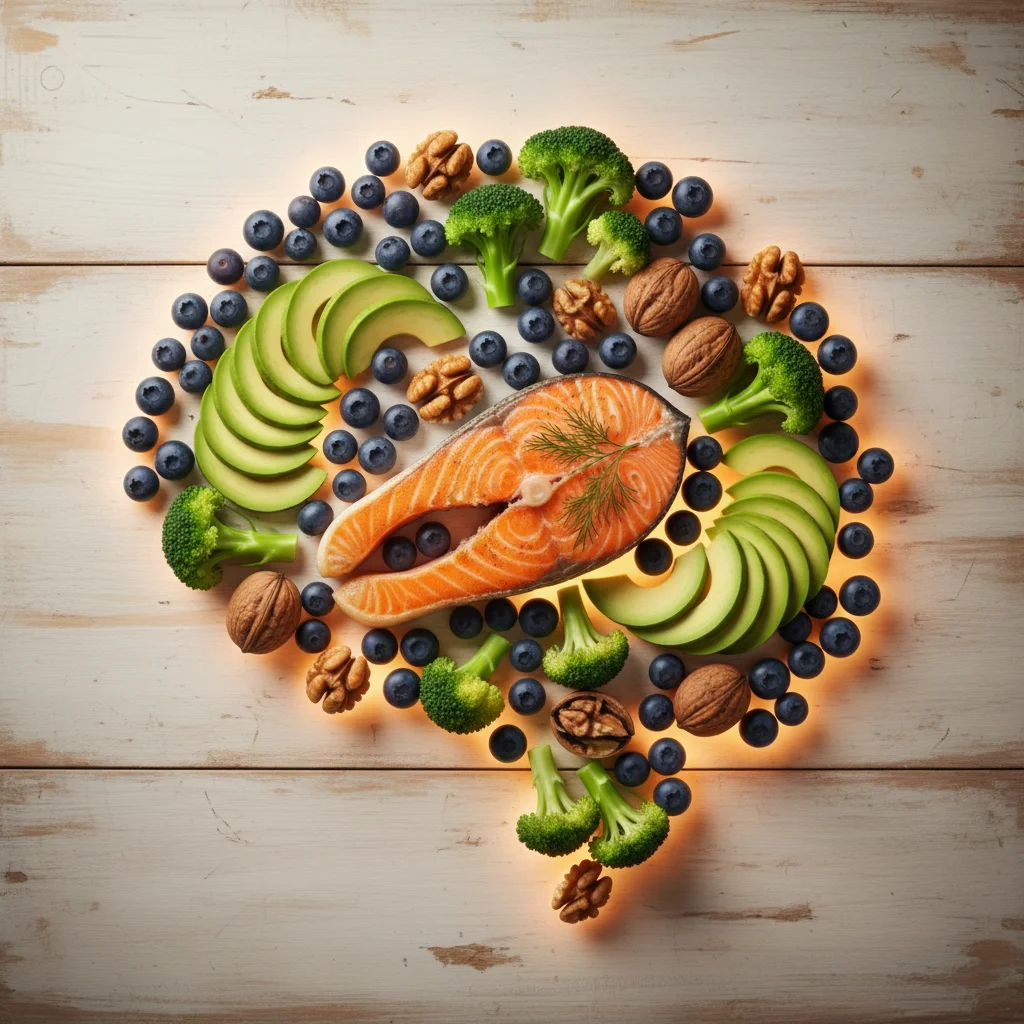
The journey to enhanced cognitive function and long-term brain health is a proactive one, and it begins with the choices you make at every meal. The top 5 brain health foods – blueberries, fatty fish, walnuts, avocados, and broccoli – offer a powerful arsenal of nutrients, antioxidants, and healthy fats designed to protect, nourish, and optimize your brain. By strategically incorporating these foods into your diet, you’re not just eating; you’re investing in your mental clarity, memory, focus, and overall quality of life.
As we move further into 2026, the scientific evidence supporting the profound impact of nutrition on brain health continues to grow. Empower yourself with this knowledge and make conscious choices to fuel your most vital organ. Embrace these superfoods, combine them with a healthy lifestyle, and unlock the full potential of your cognitive abilities. Your brain will thank you for it, with improved performance, resilience, and vitality for years to come.