Early Spring Rhubarb Recipes: 5 Innovative Ways to Cook Before April 30th
Early Spring Rhubarb Recipes: 5 Innovative Ways to Cook Before April 30th
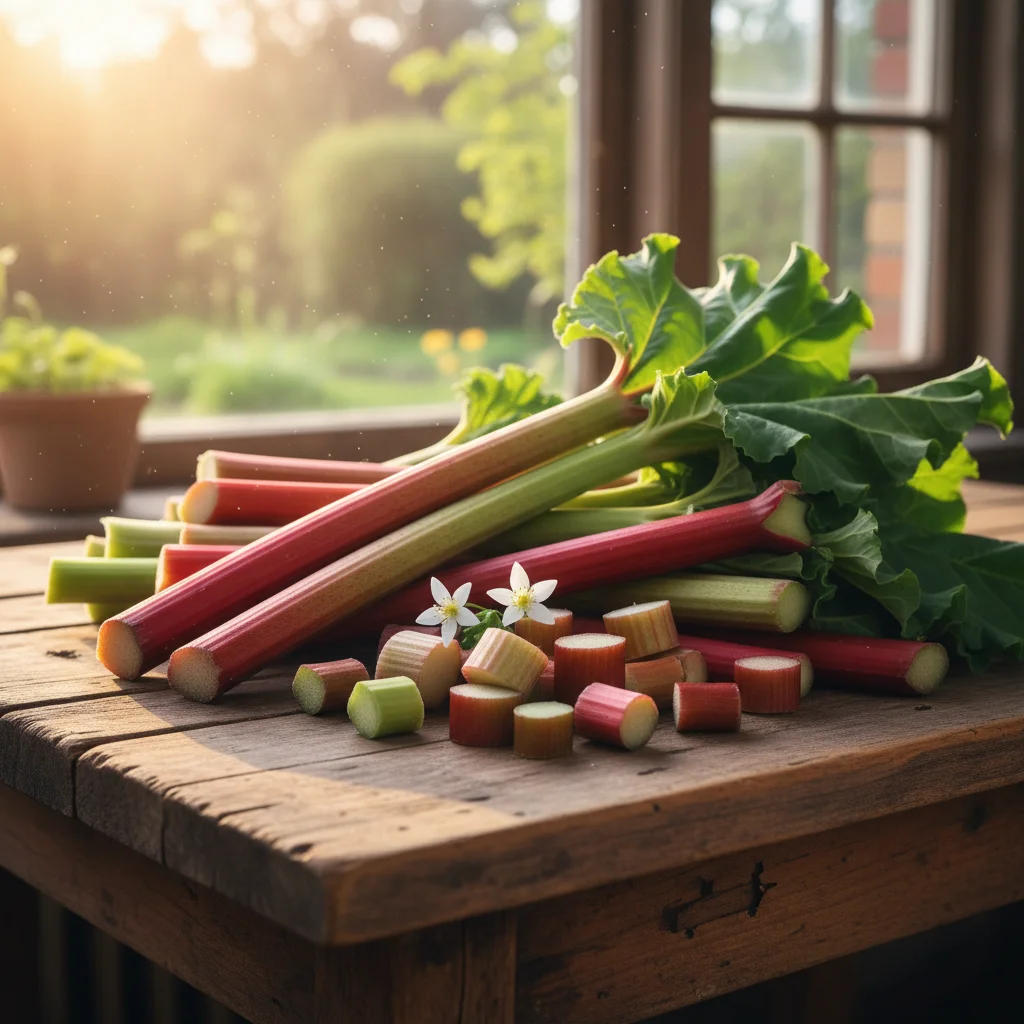
As the last vestiges of winter fade and the world awakens with vibrant hues, one of the most anticipated harbingers of spring makes its brief but glorious appearance: rhubarb. Often mistaken for a fruit due to its culinary applications, rhubarb is botanically a vegetable, specifically a perennial herbaceous plant known for its striking red and green stalks. Its season is notoriously short, with the tender, less fibrous, and more flavorful early spring rhubarb peaking before the end of April. This limited window presents a unique opportunity for culinary exploration, urging us to embrace its distinctive tartness and transform it into dishes that sing with the freshness of the season. If you’re looking to make the most of this fleeting delight, you’ve come to the right place. We’re diving deep into 5 innovative ways to cook with early spring rhubarb, ensuring you savor every moment of its presence.
Before we delve into the recipes, let’s appreciate what makes early spring rhubarb so special. Unlike its later-season counterparts, these initial stalks are typically more tender, requiring less cooking time, and possess a more nuanced flavor profile. Their vibrant color is also a treat for the eyes, adding a pop of natural beauty to any dish. However, a crucial reminder: only the stalks of rhubarb are edible. The leaves contain oxalic acid in high concentrations and are toxic, so always ensure they are removed and discarded before cooking. With that important safety note out of the way, let’s explore how to incorporate this magnificent ingredient into your spring culinary repertoire. These innovative approaches to cooking with early spring rhubarb will inspire both novice and experienced cooks alike, offering a fresh perspective on a beloved seasonal staple.
Understanding Early Spring Rhubarb: A Chef’s Perspective
The allure of early spring rhubarb lies in its unique balance of tartness and subtle sweetness, a characteristic that makes it incredibly versatile. Chefs around the globe eagerly await its arrival, knowing that these first stalks offer a superior quality that can elevate a wide array of dishes. The acidity of early spring rhubarb acts as a natural tenderizer and flavor enhancer, making it an excellent companion for rich meats, fatty fish, and even creamy desserts. Its fibrous texture, when cooked correctly, breaks down into a soft, almost jam-like consistency that is both comforting and sophisticated. This is why mastering the art of cooking with early spring rhubarb is a hallmark of truly seasonal cooking.
Beyond its culinary appeal, early spring rhubarb is also packed with nutrients. It’s a good source of vitamin K, vitamin C, and dietary fiber, contributing to bone health, immune function, and digestive wellness. While its tartness often necessitates pairing with sugar, innovative recipes can minimize added sugars by balancing it with other sweet fruits or savory components. The key is to respect its natural flavor and allow it to shine, rather than masking it. This approach not only results in more delicious food but also healthier options. Let’s explore how these principles translate into our five innovative recipes for early spring rhubarb.
1. Rhubarb & Ginger Savory Chutney: A Game Changer for Meats
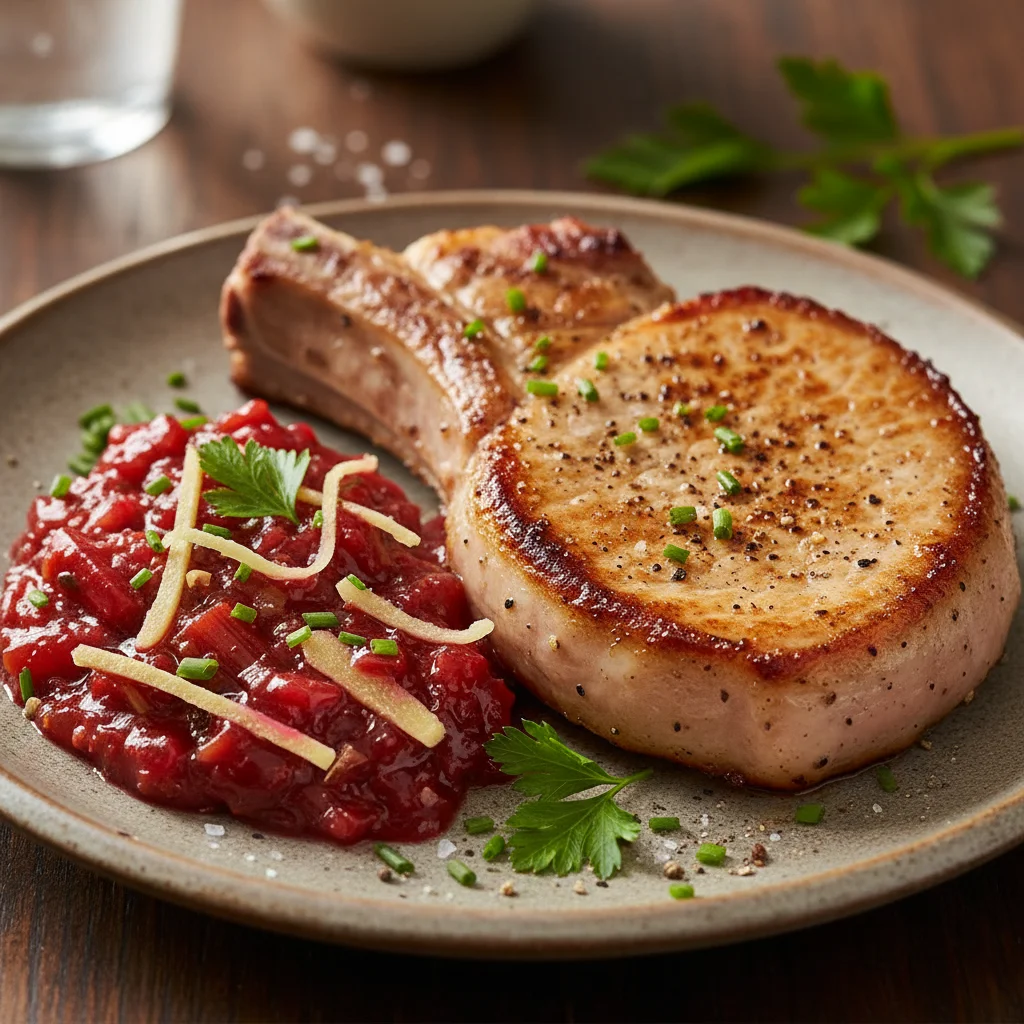
When most people think of rhubarb, pies and crumbles immediately come to mind. However, one of the most exciting and innovative uses for early spring rhubarb is in savory applications. A rhubarb and ginger chutney is a revelation, transforming the tartness of the rhubarb into a complex, sweet-and-sour condiment that pairs exquisitely with roasted chicken, grilled pork, or even a sharp cheddar cheese board. This chutney leverages the natural acidity of early spring rhubarb to cut through the richness of meats, creating a harmonious and balanced flavor profile that will surprise and delight your palate.
Ingredients:
- 4 cups early spring rhubarb, chopped into 1/2-inch pieces
- 1 cup red onion, finely diced
- 1/2 cup apple cider vinegar
- 1/2 cup brown sugar (adjust to taste, depending on rhubarb’s tartness)
- 2 tablespoons fresh ginger, grated
- 1 teaspoon mustard seeds
- 1/2 teaspoon red pepper flakes (optional, for a kick)
- Salt to taste
Instructions:
- In a large saucepan, combine the chopped early spring rhubarb, red onion, apple cider vinegar, brown sugar, grated ginger, mustard seeds, and red pepper flakes (if using).
- Bring the mixture to a simmer over medium heat, stirring occasionally.
- Reduce the heat to low and continue to simmer for 30-40 minutes, or until the early spring rhubarb has broken down and the chutney has thickened to a jam-like consistency. Stir frequently to prevent sticking.
- Season with salt to taste.
- Allow the chutney to cool completely before serving. It can be stored in an airtight container in the refrigerator for up to two weeks, or canned for longer preservation.
This chutney is a fantastic way to introduce a unique, tangy element to your meals, proving that early spring rhubarb is far more versatile than just a dessert ingredient. The warmth of ginger complements the rhubarb’s acidity beautifully, creating a depth of flavor that is truly remarkable. Don’t miss out on this innovative use of early spring rhubarb before the season is over!
2. Rhubarb & Strawberry Balsamic Glaze: Elevate Your Salads and Desserts
Another innovative way to utilize early spring rhubarb is by transforming it into a vibrant, sweet-tart glaze. The combination of rhubarb and strawberries is a classic for a reason – the sweetness of the strawberries perfectly balances the tartness of the early spring rhubarb. Adding balsamic vinegar introduces a sophisticated tang and a beautiful sheen, making this glaze incredibly versatile. It can be drizzled over fresh salads, roasted vegetables, grilled chicken, or even ice cream and yogurt for a gourmet touch. This recipe highlights the ability of early spring rhubarb to transition seamlessly between savory and sweet applications.
Ingredients:
- 2 cups early spring rhubarb, chopped
- 1 cup fresh strawberries, hulled and quartered
- 1/4 cup balsamic vinegar
- 2 tablespoons honey or maple syrup (adjust to taste)
- Pinch of black pepper
Instructions:
- In a small saucepan, combine the chopped early spring rhubarb, strawberries, balsamic vinegar, honey (or maple syrup), and black pepper.
- Bring the mixture to a gentle simmer over medium-low heat.
- Cook for 15-20 minutes, stirring occasionally, until the early spring rhubarb and strawberries have softened and broken down, and the mixture has thickened into a syrupy glaze.
- Remove from heat and strain the glaze through a fine-mesh sieve, pressing on the solids to extract as much liquid as possible. Discard the solids (or save them for a spread!).
- Allow the glaze to cool. It will thicken further as it cools. Store in an airtight container in the refrigerator for up to one week.
This rhubarb and strawberry balsamic glaze is a testament to the transformative power of early spring rhubarb. Its bright flavor profile can awaken even the simplest dishes, adding a layer of complexity and freshness that is truly captivating. Experiment with this glaze on various dishes to discover your favorite pairings, and enjoy the unique flavor that only early spring rhubarb can provide.
3. Rhubarb & Orange Cardamom Scones: A Bright Breakfast or Brunch Treat
For those who prefer to keep early spring rhubarb in the realm of baked goods but crave something beyond the traditional, these rhubarb and orange cardamom scones are a delightful departure. The tartness of the early spring rhubarb is beautifully complemented by the zest of fresh oranges and the warm, aromatic notes of cardamom. These scones are light, flaky, and bursting with seasonal flavor, making them perfect for a spring breakfast, brunch, or afternoon tea. They offer a sophisticated twist on a classic comfort food, showcasing how early spring rhubarb can elevate everyday baking.
Ingredients:
- 2 cups all-purpose flour
- 1/4 cup granulated sugar, plus extra for sprinkling
- 1 tablespoon baking powder
- 1/2 teaspoon salt
- 1/2 teaspoon ground cardamom
- 6 tablespoons cold unsalted butter, cut into small pieces
- 1/2 cup early spring rhubarb, finely diced
- 1/2 cup buttermilk
- 1 large egg
- 1 teaspoon orange zest
Instructions:
- Preheat your oven to 400°F (200°C). Line a baking sheet with parchment paper.
- In a large bowl, whisk together the flour, granulated sugar, baking powder, salt, and ground cardamom.
- Cut in the cold butter using a pastry blender or your fingertips until the mixture resembles coarse crumbs.
- Gently fold in the finely diced early spring rhubarb and orange zest.
- In a separate small bowl, whisk together the buttermilk and egg.
- Pour the wet ingredients into the dry ingredients and mix until just combined. Be careful not to overmix; a slightly shaggy dough is perfect.
- Turn the dough out onto a lightly floured surface and gently pat it into a 3/4-inch thick round.
- Cut the round into 8 wedges. Place the wedges on the prepared baking sheet, leaving some space between them.
- Sprinkle the tops of the scones with a little extra sugar.
- Bake for 15-18 minutes, or until golden brown and cooked through.
- Let cool slightly on a wire rack before serving. These are best enjoyed warm.
These early spring rhubarb scones are a testament to the ingredient’s versatility in baking. The delicate balance of tart rhubarb, fragrant orange, and spicy cardamom creates a truly memorable treat. They are a wonderful way to celebrate the season and enjoy the unique flavor of early spring rhubarb in a comforting and elegant form.
4. Rhubarb & Coconut Milk Curry: A Tropical Twist on a Savory Favorite
For the truly adventurous palate, incorporating early spring rhubarb into a savory curry might seem unconventional, but it’s an innovative approach that yields surprisingly delicious results. The tartness of the early spring rhubarb cuts through the richness of coconut milk and spices, adding a bright, tangy counterpoint that elevates the entire dish. This vegan-friendly curry is hearty, flavorful, and a fantastic way to showcase the savory potential of early spring rhubarb. It’s a culinary journey that proves the adaptability of this amazing seasonal produce.
Ingredients:
- 1 tablespoon coconut oil
- 1 yellow onion, chopped
- 2 cloves garlic, minced
- 1 tablespoon fresh ginger, grated
- 1 red bell pepper, chopped
- 1 tablespoon curry powder
- 1 teaspoon turmeric powder
- 1 can (13.5 oz) full-fat coconut milk
- 1 cup vegetable broth
- 2 cups early spring rhubarb, chopped into 1-inch pieces
- 1 can (15 oz) chickpeas, rinsed and drained
- 1 cup fresh spinach
- Salt and pepper to taste
- Fresh cilantro, for garnish
Instructions:
- In a large pot or Dutch oven, heat the coconut oil over medium heat. Add the chopped onion and cook until softened, about 5 minutes.
- Add the minced garlic and grated ginger, and cook for another minute until fragrant.
- Stir in the chopped red bell pepper, curry powder, and turmeric. Cook for 2-3 minutes, stirring constantly, until the spices are fragrant.
- Pour in the coconut milk and vegetable broth, stirring to combine. Bring to a gentle simmer.
- Add the chopped early spring rhubarb and chickpeas. Reduce the heat to low, cover, and simmer for 15-20 minutes, or until the early spring rhubarb is tender but still holds its shape.
- Stir in the fresh spinach and cook until wilted, about 2-3 minutes.
- Season with salt and pepper to taste.
- Serve hot, garnished with fresh cilantro, alongside rice or naan bread.
This early spring rhubarb and coconut milk curry is a bold and exciting dish that challenges conventional uses of rhubarb. The tartness of the early spring rhubarb provides a delightful contrast to the creamy coconut and earthy spices, creating a complex and deeply satisfying meal. It’s an excellent example of how to think outside the box when cooking with seasonal ingredients.
5. Rhubarb & Pistachio Galette with Rosewater Glaze: An Elegant Dessert
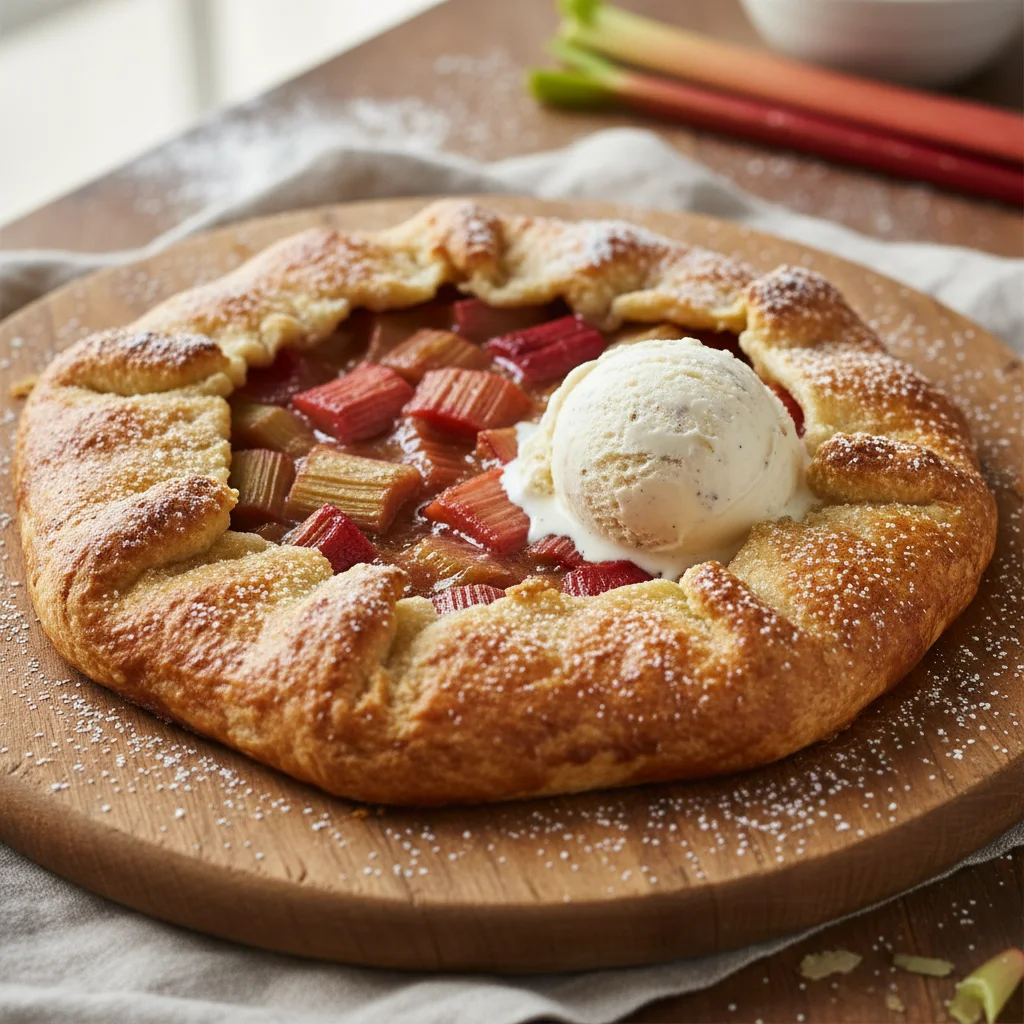
For a truly show-stopping dessert that celebrates the beauty and flavor of early spring rhubarb, a galette is the perfect canvas. This rustic, free-form pie allows the natural beauty of the early spring rhubarb to shine, while the addition of pistachios provides a delightful crunch and a subtle, nutty flavor. A delicate rosewater glaze adds an unexpected floral note, elevating this dessert to a sophisticated level. This recipe is an ode to the elegance that early spring rhubarb can bring to your table, perfect for a special occasion or simply to indulge.
Ingredients for the Crust:
- 1 1/4 cups all-purpose flour
- 1 tablespoon granulated sugar
- 1/2 teaspoon salt
- 1/2 cup (1 stick) cold unsalted butter, cut into small cubes
- 1/4 cup ice water (or more, as needed)
Ingredients for the Filling:
- 3 cups early spring rhubarb, cut into 1/2-inch pieces
- 1/2 cup granulated sugar (adjust to taste)
- 2 tablespoons all-purpose flour or cornstarch
- 1/4 cup shelled pistachios, roughly chopped
- 1 teaspoon orange zest
- 1/2 teaspoon vanilla extract
Ingredients for the Rosewater Glaze:
- 1/2 cup powdered sugar
- 1-2 teaspoons milk or water
- 1/4 teaspoon rosewater (or to taste)
Instructions:
- Make the Crust: In a large bowl, whisk together the flour, sugar, and salt. Cut in the cold butter using a pastry blender or your fingertips until the mixture resembles coarse crumbs with some pea-sized pieces of butter remaining. Gradually add the ice water, mixing until the dough just comes together. Form into a disc, wrap in plastic, and chill for at least 30 minutes.
- Prepare the Filling: In a medium bowl, gently toss the chopped early spring rhubarb with granulated sugar, flour (or cornstarch), chopped pistachios, orange zest, and vanilla extract.
- Assemble the Galette: Preheat oven to 375°F (190°C). On a lightly floured surface, roll out the chilled dough into a 12-inch circle. Carefully transfer the dough to a parchment-lined baking sheet.
- Spoon the early spring rhubarb filling onto the center of the dough, leaving a 2-inch border. Gently fold the edges of the dough over the filling, pleating as you go.
- Bake for 40-50 minutes, or until the crust is golden brown and the early spring rhubarb filling is bubbly and tender.
- Make the Glaze: While the galette cools slightly, whisk together the powdered sugar, milk (or water), and rosewater until smooth.
- Once the galette has cooled for about 15-20 minutes, drizzle the rosewater glaze over the top.
- Serve warm or at room temperature, perhaps with a dollop of whipped cream or a scoop of vanilla bean ice cream.
This early spring rhubarb and pistachio galette is a celebration of textures and flavors. The flaky crust, the tender and tart early spring rhubarb, the crunchy pistachios, and the fragrant rosewater glaze all come together to create a truly unforgettable dessert. It’s an elegant way to bid farewell to the brief but beautiful early spring rhubarb season.
Tips for Working with Early Spring Rhubarb
To ensure your early spring rhubarb dishes are always a success, here are a few additional tips:
- Choose Wisely: Look for firm, crisp stalks that are brightly colored. Avoid any that are limp or bruised.
- Trim Properly: Always remove and discard the leaves. Trim off any tough ends of the stalks.
- Adjust Sweetness: Early spring rhubarb is quite tart. Always taste your raw rhubarb and adjust sugar levels in recipes accordingly. Some varieties are tarter than others.
- Don’t Overcook: Early spring rhubarb cooks relatively quickly. Keep an eye on it to prevent it from becoming too mushy, especially in recipes where you want it to retain some shape.
- Pairing Power: Rhubarb pairs wonderfully with a variety of flavors, including ginger, orange, strawberry, cardamom, cinnamon, vanilla, and even savory herbs like thyme.
- Freezing for Later: If you have an abundance of early spring rhubarb, chop it into desired sizes and freeze it in airtight bags. It will retain its flavor and can be used in cooked dishes year-round.
The Fleeting Beauty of Early Spring Rhubarb
The early spring rhubarb season is a precious and fleeting time for home cooks and chefs alike. Its unique tartness, vibrant color, and versatile nature make it a truly special ingredient that deserves to be celebrated. By exploring innovative recipes beyond the traditional, we can unlock new dimensions of flavor and experience the full potential of this remarkable plant. From savory chutneys and glazes to sophisticated scones and elegant galettes, early spring rhubarb offers a culinary adventure waiting to be discovered.
Remember, the window for enjoying the best early spring rhubarb is narrow, typically concluding by April 30th. This urgency adds to its charm, encouraging us to be present and creative in the kitchen. So, gather your fresh stalks, embrace the tartness, and embark on a delicious journey with these five innovative early spring rhubarb recipes. Your taste buds will thank you for savoring this seasonal gem before it’s gone for another year. Happy cooking!