Asparagus Flavor Maximization: Spring 2026 Guide to Perfect Asparagus
Seasonal Ingredient Spotlight 2026: How to Maximize Flavor from Asparagus This Spring, with a 3-Step Guide
As the days grow longer and the air turns milder, spring Ushers in a bounty of fresh produce, and few vegetables herald the season quite like asparagus. Its tender spears, vibrant green hue, and distinctly earthy yet delicate flavor make it a culinary star. However, many home cooks inadvertently diminish its potential, missing out on the true depth of taste this magnificent vegetable offers. This year, in our Seasonal Ingredient Spotlight 2026, we’re dedicating our expertise to helping you truly maximize asparagus flavor. Forget bland, watery stalks; we’re diving deep into a comprehensive 3-step guide that will transform your asparagus dishes from good to unforgettable.
Asparagus isn’t just a pretty face on your plate; it’s packed with vitamins K, A, C, and folate, making it a nutritional powerhouse. But beyond its health benefits, it’s the unique flavor profile—a subtle sweetness intertwined with grassy notes and a hint of bitterness—that captivates chefs and food enthusiasts alike. To truly appreciate this complexity, understanding how to select, prepare, and cook it is paramount. Our guide will walk you through each crucial stage, ensuring every spear you serve bursts with its inherent deliciousness. Get ready to elevate your spring meals and become an asparagus aficionado!
Step 1: The Art of Selection – Choosing the Best Asparagus to Maximize Asparagus Flavor
The journey to maximize asparagus flavor begins long before you even think about cooking. It starts at the market, with a keen eye and a discerning touch. The quality of your raw ingredient dictates the final outcome, and asparagus is no exception. Here’s how to pick the finest spears that promise peak flavor:
Look for Brightness and Firmness
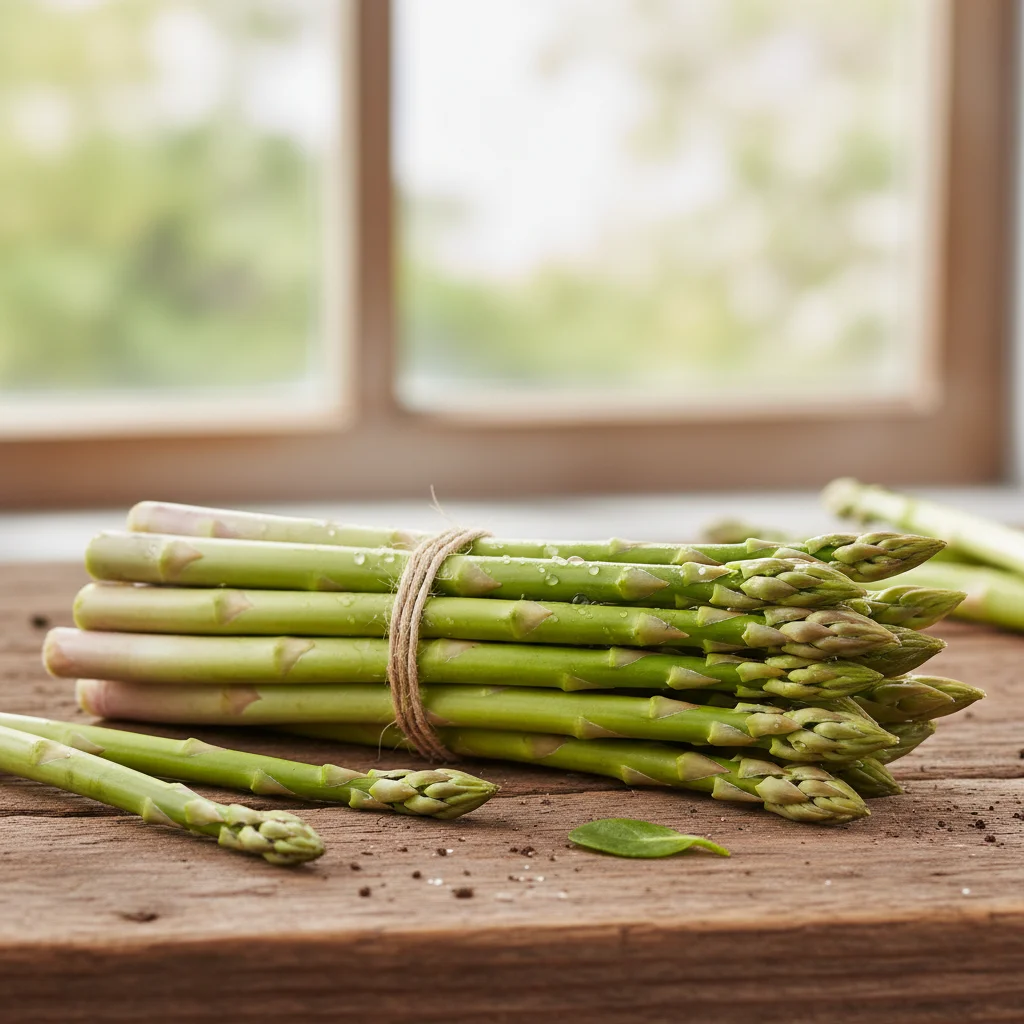
- Color: The most immediate indicator of freshness is color. Look for asparagus that is a vibrant green, almost jewel-toned, from tip to base. Avoid spears that are dull, yellowish, or have any graying spots, as these are signs of age or improper storage. The tips should be a rich, deep green or purplish-green.
- Firmness: Gently pick up a bunch and feel the spears. They should be firm and rigid, not limp or rubbery. A fresh spear will snap rather than bend. If they feel soft or bend easily, they’ve lost moisture and, consequently, much of their flavor and crisp texture.
Examine the Tips and Stalks
- Tight Tips: The tips of asparagus spears are perhaps the most delicate and flavorful part. They should be tightly closed, compact, and firm. If the tips are splayed open, mushy, or flowering, the asparagus is past its prime.
- Smooth Stalks: The stalks themselves should be smooth and uniform in appearance. Avoid spears with visible wrinkles or dry, woody patches, especially towards the bottom. While the very end might be slightly drier, the majority of the stalk should look hydrated.
Consider the Thickness
There’s a common misconception that thinner asparagus is always more tender. While very thin spears can be delicate, medium-sized spears (about the thickness of a pencil) often offer the best balance of tenderness and robust flavor. Very thick spears can sometimes be woody if not properly prepared, but they can also be incredibly flavorful when cooked correctly. The key is consistency within a bunch; try to select spears of similar thickness so they cook evenly.
Storage is Key for Sustained Flavor
Once you bring your prized asparagus home, proper storage is crucial to maintain its freshness and allow you to maximize asparagus flavor when you finally cook it. Treat asparagus like a bouquet of flowers:
- Trim the Ends: Trim about half an inch off the bottom of the stalks.
- Hydrate: Stand the asparagus upright in a glass or jar with about an inch of water at the bottom.
- Cover and Refrigerate: Loosely cover the tips with a plastic bag to retain moisture and place the jar in the refrigerator.
Stored this way, asparagus can remain fresh and flavorful for up to a week. This simple step prevents wilting and ensures that when it’s time to cook, you’re starting with the best possible ingredient.
Step 2: Precision Preparation – Unlocking Asparagus’s Full Potential
Even the freshest asparagus can be disappointing if not prepared correctly. Proper preparation is a critical step in our mission to maximize asparagus flavor, ensuring every bite is tender, succulent, and free from any fibrous unpleasantness. This stage involves trimming and, optionally, peeling.
The Snap Test: Trimming the Woody Ends
The most common pitfall when preparing asparagus is including the tough, woody bottom portion of the stalk. This part is fibrous, bitter, and simply unpleasant to eat. Fortunately, asparagus tells you exactly where to cut:
- Hold a Spear: Take one spear of asparagus and hold it firmly with both hands. One hand should be near the cut end, and the other about two-thirds of the way up the stalk.
- Bend Gently: Gently bend the spear. It will naturally snap at the point where the tough, fibrous end meets the tender, edible part. This is the asparagus’s natural breaking point.
- Repeat or Use as a Guide: While you can snap each spear individually, a quicker method is to snap one spear and then use that snapped spear as a guide. Line it up with the rest of the asparagus stalks on your cutting board and simply cut off the ends of the remaining spears at the same length. This ensures consistency and saves time.
Don’t discard the woody ends immediately! While not ideal for eating whole, they can be used to flavor vegetable stocks or broths, adding a subtle, earthy depth.
To Peel or Not to Peel?
This is a question that often arises, and the answer largely depends on the thickness of your asparagus and personal preference:
- Thin/Medium Asparagus: For most thin to medium-sized asparagus, peeling is usually unnecessary. The skin is tender enough to be enjoyed without any fibrous texture.
- Thick Asparagus: For very thick asparagus spears, the outer skin can sometimes be a bit tougher or stringier. In this case, peeling can significantly improve the eating experience. Use a vegetable peeler to gently shave off the outer layer from just below the tip down to the trimmed end. This reveals the tender inner flesh, ensuring a uniformly delicate texture.
Peeling is an extra step, but for thicker spears, it can make a noticeable difference in texture, allowing the true flavor to shine through without any distractions. It’s a worthwhile consideration if you want to truly maximize asparagus flavor.
Washing and Drying
Before cooking, always give your asparagus a good rinse under cool water to remove any dirt or grit. Crucially, dry the spears thoroughly. Excess moisture can lead to steaming rather than searing or roasting, preventing that desirable caramelized exterior that adds so much flavor. A clean kitchen towel or paper towels work perfectly for this.
Step 3: Mastering Cooking Techniques – The Path to Peak Asparagus Flavor
With perfectly selected and prepared asparagus, the final step is cooking it to perfection. The goal is to cook it just enough so it’s tender-crisp, vibrant in color, and bursting with its natural sweetness, without becoming mushy or losing its integrity. Different cooking methods bring out different nuances, allowing you to maximize asparagus flavor in various ways.
Roasting: The Flavor Enhancer
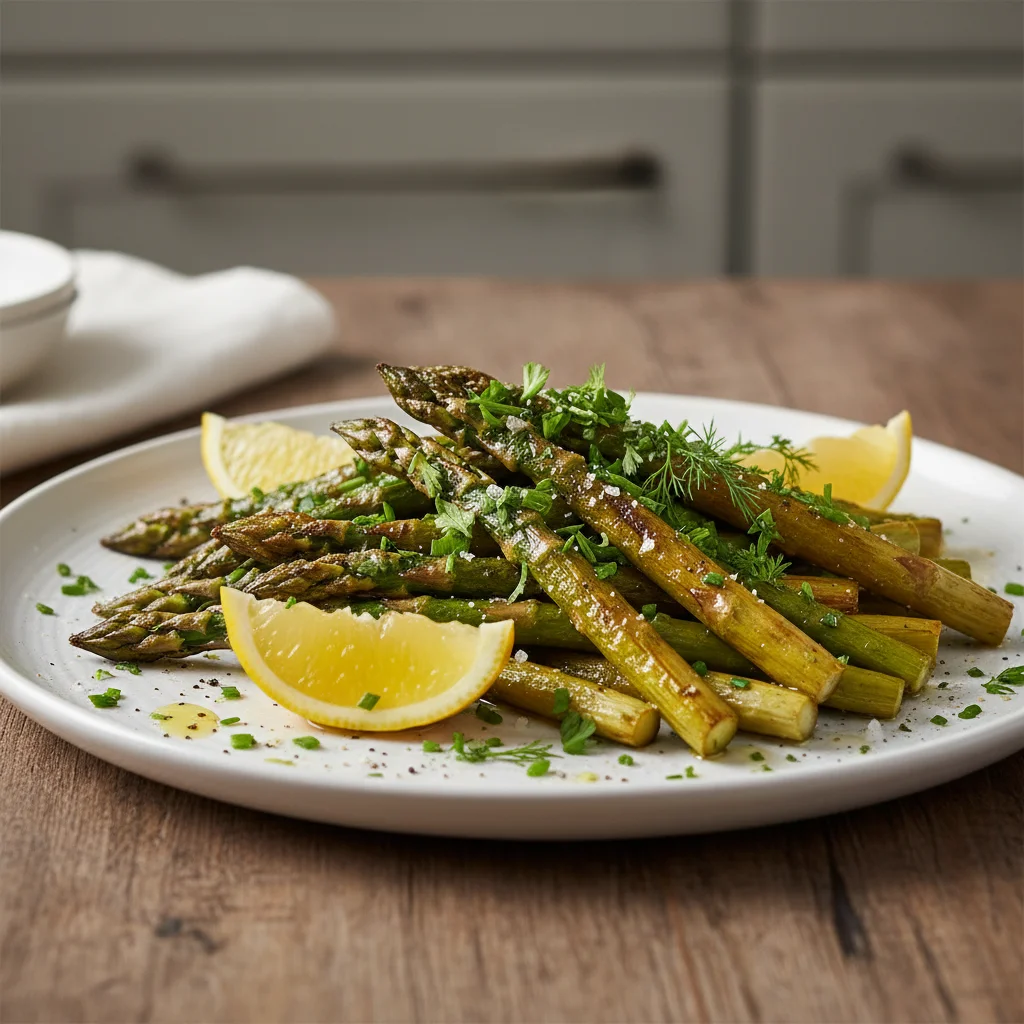
Roasting is arguably one of the best methods to concentrate and enhance asparagus flavor. The dry heat caramelizes the natural sugars, adding depth and a slightly nutty taste.
- Preheat Oven: Preheat your oven to a high temperature, typically 400-425°F (200-220°C).
- Toss and Season: On a baking sheet, toss the trimmed and dried asparagus with a good quality olive oil, salt, and freshly ground black pepper. Ensure the spears are in a single layer to promote even cooking and browning.
- Roast: Roast for 8-15 minutes, depending on the thickness of the spears, shaking the pan once or twice. The asparagus should be tender-crisp, slightly browned, and still vibrant green.
- Finish: A squeeze of fresh lemon juice or a sprinkle of Parmesan cheese after roasting can elevate the flavors even further.
Grilling: For Smoky Depth
Grilling imparts a beautiful char and smoky flavor that complements asparagus wonderfully, especially for outdoor cooking.
- Prepare Grill: Preheat your grill to medium-high heat. Clean and oil the grates.
- Season: Toss asparagus with olive oil, salt, and pepper.
- Grill: Place the spears perpendicular to the grates (to prevent them from falling through) and grill for 3-5 minutes per side, or until tender-crisp with visible grill marks.
Sautéing: Quick and Versatile
Sautéing is a fast and easy method, perfect for a quick weeknight side dish. It allows for easy integration of other flavors.
- Heat Pan: Heat a large skillet over medium-high heat with a tablespoon of olive oil or butter.
- Cook Asparagus: Add the trimmed asparagus to the hot pan. Sauté for 5-8 minutes, stirring occasionally, until tender-crisp and slightly browned.
- Flavor Boost: Finish with minced garlic, a splash of white wine, or a pat of butter at the end of cooking for added richness.
Blanching and Shocking: For Brightness and Crispness
This method is ideal if you want perfectly tender-crisp asparagus with maximum vibrancy, often used for salads or when preparing asparagus ahead of time.
- Prepare Ice Bath: Fill a large bowl with ice water.
- Boil Water: Bring a pot of salted water to a rolling boil.
- Blanch: Add asparagus to the boiling water and cook for 1-3 minutes, depending on thickness, until bright green and just tender.
- Shock: Immediately transfer the asparagus to the ice bath to stop the cooking process and preserve its color and crisp texture.
- Drain: Once cooled, drain thoroughly and pat dry before serving or further use.
Steaming: Gentle and Healthy
Steaming is a gentle cooking method that preserves nutrients and yields tender asparagus. While it doesn’t add the same caramelization as roasting or grilling, it’s excellent for showcasing the pure, unadulterated flavor of the vegetable.
- Set Up Steamer: Place a steamer basket in a pot with about an inch of water, ensuring the water doesn’t touch the basket.
- Bring to Boil: Bring the water to a boil, then reduce heat to a simmer.
- Steam: Add asparagus to the basket, cover, and steam for 3-7 minutes, until tender-crisp.
- Season: Season lightly with salt, pepper, and a drizzle of olive oil or a knob of butter before serving.
Beyond the Basics: Pairing and Enhancements to Maximize Asparagus Flavor
Once you’ve mastered the core techniques, consider these additions to further maximize asparagus flavor and create truly memorable dishes:
- Lemon: A squeeze of fresh lemon juice is almost always a perfect complement, brightening the asparagus’s natural taste. The acidity cuts through any richness and enhances its freshness.
- Garlic and Shallots: Aromatic additions like finely minced garlic or shallots can be added during sautéing or roasting to infuse a savory depth.
- Cheese: Shaved Parmesan, crumbled feta, or a sprinkle of goat cheese can add a salty, tangy, or creamy dimension.
- Herbs: Fresh herbs like parsley, chives, dill, or tarragon complement asparagus beautifully. Add them at the end of cooking to preserve their delicate flavors.
- Richness: A drizzle of high-quality balsamic glaze, a sprinkle of toasted nuts (almonds, pine nuts), or even a perfectly poached egg can transform asparagus into a more substantial and luxurious dish.
- Sauces: Classic sauces like hollandaise, béarnaise, or a simple vinaigrette can elevate asparagus to an elegant side.
Troubleshooting Common Asparagus Issues
Even with the best intentions, things can sometimes go awry. Here are common issues and how to avoid them:
- Mushy Asparagus: This is almost always due to overcooking. Asparagus cooks quickly, so keep a close eye on it. It should be tender but still have a slight bite. Remember, it continues to cook for a moment after being removed from heat.
- Woody/Fibrous Texture: This indicates that the woody ends were not properly trimmed. Always perform the snap test or ensure you cut off enough of the bottom.
- Bland Flavor: Insufficient seasoning is often the culprit. Don’t be shy with salt and pepper. Also, ensure you’re using fresh, high-quality asparagus. Roasting and grilling tend to produce the most intense flavors.
- Pale Color: Overcooking or not drying the asparagus properly before high-heat cooking can lead to a dull color. Blanching and shocking is the best method for preserving vibrant green.
Conclusion: Embrace the Flavor of Spring 2026
Asparagus, in its purest form, is a testament to the simple, exquisite flavors nature provides. By following this 3-step guide—meticulous selection, precise preparation, and masterful cooking—you are now equipped to truly maximize asparagus flavor in every dish you create. This spring 2026, let asparagus be more than just a side; let it be a star, celebrated for its unique taste and delightful texture.
Experiment with different cooking methods, explore various pairings, and most importantly, enjoy the process of bringing out the best in this seasonal gem. Your culinary adventures with asparagus are just beginning, and with these techniques, every spear will be a testament to your newfound expertise. Happy cooking!