Spring 2026: Top 10 Seasonal Produce Picks for US Eating
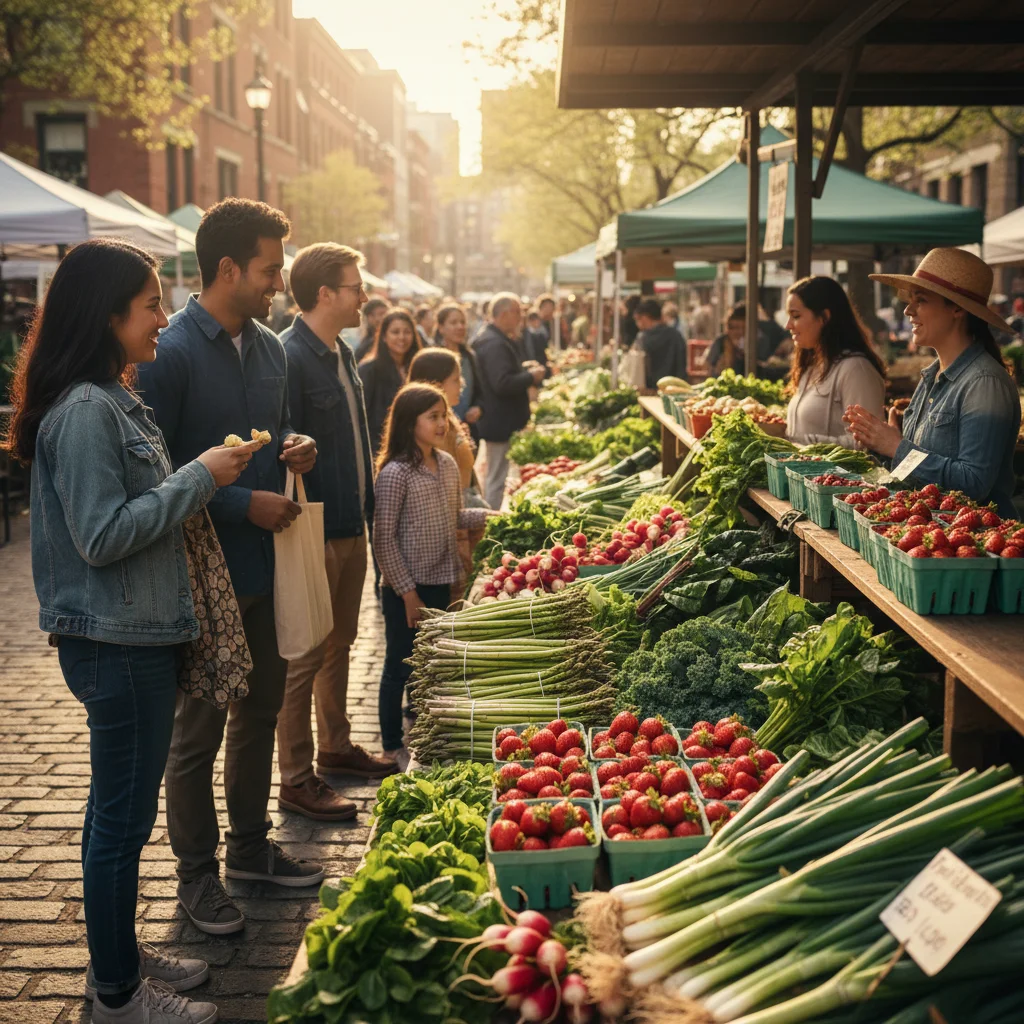
Embrace the Freshness: Your Guide to Spring 2026 Seasonal US Produce
As the days grow longer and the temperatures begin to rise, a new season of culinary delights blossoms across the United States. Spring 2026 promises an abundance of fresh, vibrant, and incredibly flavorful produce that can transform your meals and invigorate your diet. Embracing seasonal US produce isn’t just about enjoying the best taste; it’s about supporting local farmers, reducing your carbon footprint, and often, saving money. This comprehensive guide will walk you through the top 10 seasonal produce picks for Spring 2026, offering insights into their nutritional benefits, versatile culinary uses, and tips for selecting the freshest items.
Understanding what’s in season is the first step towards a more sustainable and delicious approach to eating. When produce is harvested at its peak, it not only tastes better but also retains more of its nutritional value. Furthermore, buying seasonal US produce means it hasn’t traveled thousands of miles, ensuring a fresher product and a smaller environmental impact. Let’s dive into the bounty that Spring 2026 has to offer!
Why Choose Seasonal US Produce?
Before we unveil our top picks, let’s briefly reiterate the compelling reasons to prioritize seasonal US produce. Beyond the superior taste and nutritional content, there are significant economic and environmental advantages. When you purchase produce that’s in season and grown locally, you’re directly contributing to the local economy, helping small farms thrive, and preserving agricultural land. This practice also minimizes the need for long-distance transportation, which in turn reduces fuel consumption and greenhouse gas emissions. Think of it as a win-win-win: better food for you, better support for farmers, and a healthier planet.
Moreover, seasonal eating encourages a diverse diet. By rotating your produce choices throughout the year, you expose your body to a wider array of vitamins, minerals, and antioxidants. Each season brings its unique set of offerings, ensuring that your meals remain exciting and varied. Spring, in particular, is a time of renewal, and its produce often reflects this with detoxifying greens and energizing fruits.
Top 10 Seasonal US Produce Picks for Spring 2026
Get ready to fill your baskets with these amazing ingredients. Here are our essential seasonal US produce picks for Spring 2026:
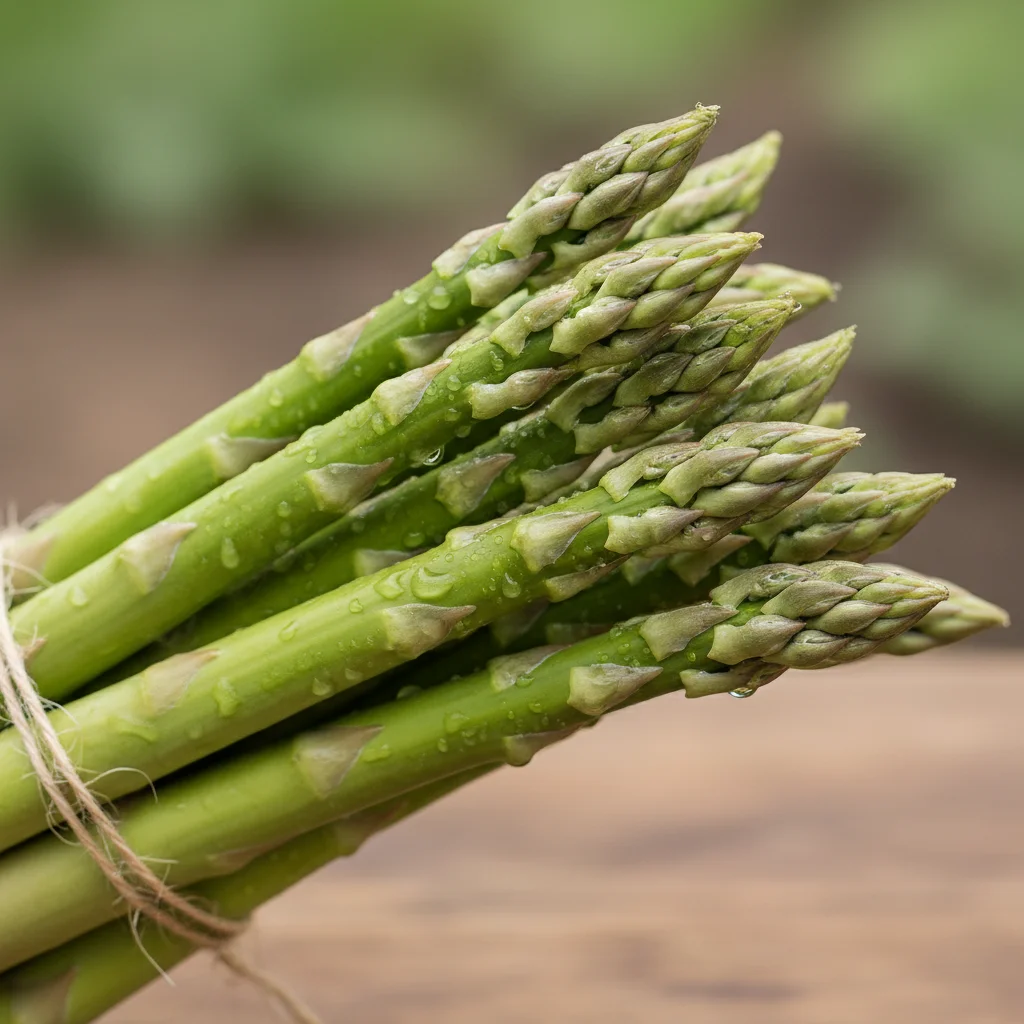
1. Asparagus: The Green Spear of Spring
One of the earliest harbingers of spring, asparagus is a true delicacy. Its tender stalks and slightly bitter, earthy flavor make it a versatile vegetable for countless dishes. Rich in vitamins K, A, C, and folate, asparagus also provides dietary fiber and antioxidants. It’s known for its potential to support bone health, aid digestion, and even act as a natural diuretic.
How to Enjoy: Asparagus is fantastic roasted, grilled, steamed, or sautéed. A simple drizzle of olive oil, salt, and pepper is often all it needs. It pairs beautifully with eggs, in quiches, stirred into risottos, or as a vibrant side dish to fish or poultry.
Selection Tip: Look for firm, bright green spears with tightly closed tips. Avoid limp or woody stalks.
2. Strawberries: The Sweet Jewels of Spring
As spring progresses, the fields begin to blush with ripe strawberries. These iconic red berries are not only delicious but also packed with vitamin C, manganese, and powerful antioxidants. They are known to support heart health, regulate blood sugar, and boost immunity. Few things compare to the taste of a freshly picked, sun-ripened strawberry.
How to Enjoy: Enjoy them fresh as a snack, in fruit salads, blended into smoothies, or as a topping for yogurt and oatmeal. They also shine in desserts like pies, tarts, and shortcakes. For a savory twist, try them in a spinach salad with balsamic glaze.
Selection Tip: Choose bright red, plump berries with green caps still attached. Avoid any with white shoulders or mold.
3. Rhubarb: The Tart & Tangy Stalk
Often mistaken for a fruit due to its culinary applications, rhubarb is botanically a vegetable. Its striking red and green stalks offer a distinctly tart flavor that brightens any dish. Rhubarb is a good source of vitamin K, fiber, and calcium. While its leaves are toxic, the stalks are perfectly safe and delicious when cooked.
How to Enjoy: Rhubarb is traditionally paired with sweeter fruits, especially strawberries, in pies, crumbles, and jams. It can also be used to make sauces for savory dishes, adding a delightful tang to pork or chicken.
Selection Tip: Look for firm, crisp stalks, either red or green. The color doesn’t indicate ripeness, but often redder stalks are preferred for their visual appeal in desserts.
4. Peas: Sweet Green Gems
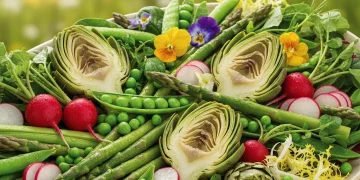
Whether you prefer snap peas, snow peas, or shelling peas, these sweet legumes are a quintessential seasonal US produce item for spring. Peas are rich in vitamins K, C, and A, as well as fiber and protein. They contribute to heart health, blood sugar regulation, and provide anti-inflammatory benefits.
How to Enjoy: Fresh peas can be eaten raw in salads, lightly steamed, or added to stir-fries. Shelling peas are perfect for risottos, pasta dishes, or simply boiled with a pat of butter and a pinch of mint.
Selection Tip: Choose pods that are plump, firm, and bright green. Avoid any that are discolored, shriveled, or show signs of mildew.
5. Radishes: The Peppery Crunch
These small, vibrant root vegetables bring a delightful peppery bite and crisp texture to spring meals. Radishes are low in calories but high in vitamin C, antioxidants, and fiber. They can aid digestion and are believed to have detoxifying properties.
How to Enjoy: Radishes are best enjoyed raw, sliced thinly in salads, or served with butter and a sprinkle of sea salt on crusty bread. They can also be roasted, which mellows their peppery flavor into a subtle sweetness.
Selection Tip: Look for firm, smooth, and brightly colored radishes with fresh green tops still attached. Avoid any that are soft or spongy.
6. Artichokes: The Heart of Spring
While they might look intimidating, artichokes are a rewarding seasonal US produce item to prepare. Their tender hearts and fleshy leaves offer a unique, slightly nutty flavor. Artichokes are an excellent source of fiber, vitamin C, vitamin K, and folate, known for their digestive benefits and ability to lower cholesterol.
How to Enjoy: Steamed or boiled, artichokes are often served with a dipping sauce like melted butter, aioli, or vinaigrette. The tender base of each leaf and the entire heart are edible. They can also be grilled or roasted.
Selection Tip: Choose artichokes that feel heavy for their size, with tightly closed leaves. Squeeze them gently; they should squeak.
7. Spinach: The Powerhouse Green
While available year-round, spinach is particularly tender and flavorful in the spring. This leafy green is a nutritional powerhouse, packed with vitamins A, C, K, folate, iron, and magnesium. It supports bone health, vision, and immunity.
How to Enjoy: Fresh baby spinach is wonderful in salads, sandwiches, and smoothies. Mature spinach can be sautéed, wilted into pasta dishes, added to soups, or used in quiches and frittatas. Its mild flavor makes it incredibly versatile.
Selection Tip: Look for crisp, dark green leaves without any yellowing or wilting. Store unwashed in a plastic bag in the refrigerator.
8. Arugula: The Peppery Leaf
For those who enjoy a bit of a kick, arugula is a fantastic spring green. Its distinctive peppery, slightly bitter flavor adds complexity to salads and other dishes. Arugula is rich in vitamins K, A, and C, as well as calcium and folate, contributing to bone health and antioxidant protection.
How to Enjoy: Arugula is best used raw in salads, as a topping for pizzas and bruschetta, or stirred into warm pasta dishes just before serving. It can also be lightly wilted into sandwiches or wraps.
Selection Tip: Choose bright green leaves that are not bruised or yellowed. Smaller leaves tend to be milder in flavor.
9. Green Onions (Scallions): The Mild Allium
Green onions, also known as scallions, are a delightful and milder alternative to their mature onion counterparts, making them a perfect seasonal US produce addition for spring. Both the white and green parts are edible, offering a delicate onion flavor. They provide vitamins K and C, and are known for their antioxidant properties.
How to Enjoy: Chop them finely as a garnish for soups, stir-fries, tacos, and salads. They can also be grilled whole for a sweeter, smokier flavor, or used as an aromatic base for cooking.
Selection Tip: Look for firm, bright white bulbs and crisp, dark green tops. Avoid any with slimy or yellowed parts.
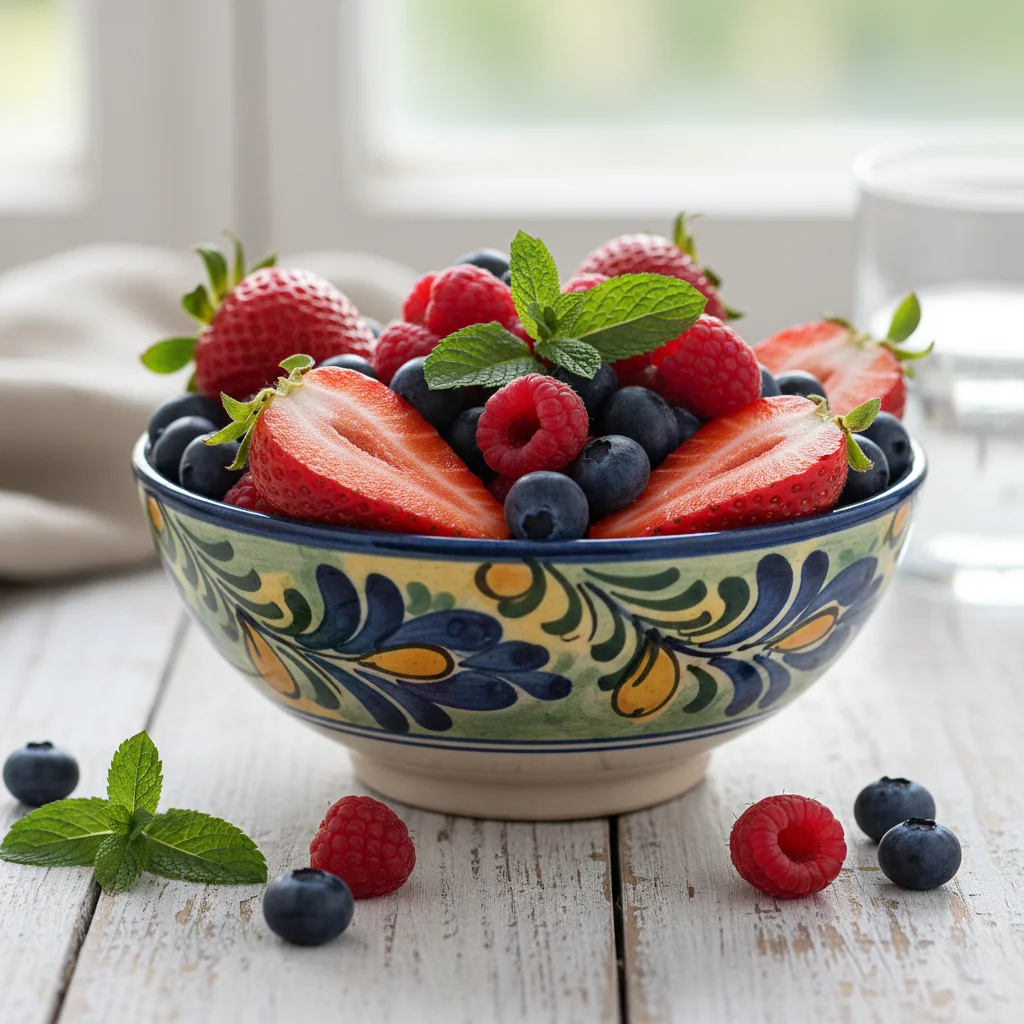
10. Cherries: The Juicy & Sweet Treat (Late Spring)
While primarily a late spring to early summer fruit, certain varieties of cherries begin to appear towards the end of spring in warmer US regions. These small, juicy fruits are bursting with sweetness and a hint of tartness. Cherries are rich in antioxidants, particularly anthocyanins, which give them their deep red color and are known for their anti-inflammatory benefits. They also contain melatonin, which can aid in sleep regulation.
How to Enjoy: Enjoy fresh as a snack, pitted and added to fruit salads, or used in desserts like pies, tarts, and clafoutis. They also pair well with savory dishes, such as in sauces for duck or pork.
Selection Tip: Look for firm, plump cherries with bright green stems still attached. Avoid any that are soft, shriveled, or bruised.
Maximizing Your Spring Produce Experience
Now that you know what seasonal US produce to look for, here are some tips to make the most of your spring harvest:
Visit Local Farmer’s Markets
Farmer’s markets are the best place to find the freshest seasonal ingredients directly from the growers. You can often discover unique varieties not available in supermarkets and get direct advice on how to store and prepare your purchases. Plus, it’s a great way to connect with your community.
Learn to Store Produce Properly
Proper storage is key to extending the life of your fresh produce. For example, most leafy greens prefer a damp environment in the refrigerator, while berries should be washed just before consumption to prevent mold. Root vegetables generally do well in a cool, dark place. A quick online search for specific storage instructions can save you from wasted food.
Experiment with New Recipes
Don’t be afraid to try new things! Spring produce offers a fantastic opportunity to expand your culinary repertoire. Look for recipes that highlight the natural flavors of these ingredients. Simple preparations often yield the best results.
Consider Preservation Methods
If you find yourself with an abundance of a particular seasonal item, consider preserving it. Freezing, canning, or making jams and pickles are excellent ways to enjoy the flavors of spring long after the season has passed. For example, blanching and freezing asparagus, or making strawberry jam, can bring a taste of spring to your winter meals.
Plan Your Meals Around Seasonal Items
Instead of deciding what to cook and then buying ingredients, try reversing the process. See what’s fresh and abundant at the market, then plan your meals around those star ingredients. This approach often leads to more creative and flavorful dishes and can help reduce food waste.
Beyond the Plate: The Health Benefits of Seasonal Eating
Eating seasonal US produce isn’t just a trend; it’s a pathway to better health. Fruits and vegetables consumed at their peak ripeness contain higher concentrations of vitamins, minerals, and antioxidants compared to those harvested prematurely or stored for extended periods. This means you’re getting more nutritional bang for your buck and providing your body with the optimal fuel it needs.
Furthermore, a diet rich in diverse seasonal fruits and vegetables is linked to a reduced risk of chronic diseases, improved digestion, enhanced immune function, and better weight management. The natural cycles of seasonal eating encourage variety, ensuring you receive a broad spectrum of nutrients throughout the year. Spring produce, in particular, is often associated with detoxification and revitalization, helping your body shed the sluggishness of winter and embrace renewed energy.
Embracing Sustainable Food Choices
Choosing seasonal US produce is also a powerful statement about sustainability. By opting for locally grown, in-season foods, you are actively participating in a food system that prioritizes environmental health and community well-being. This choice reduces the carbon footprint associated with long-distance transportation and refrigeration, minimizes the use of energy-intensive greenhouses, and often supports farming practices that are more environmentally friendly.
Moreover, local farmers who grow seasonal produce are typically more attuned to the specific needs of their land and local ecosystems. They often employ sustainable farming techniques that protect soil health, conserve water, and promote biodiversity. By supporting them, you contribute to the resilience of our food systems and ensure that future generations can also enjoy the bounty of each season.
Conclusion: Savoring Spring 2026
Spring 2026 offers an incredible array of seasonal US produce that is both delicious and nutritious. From the crisp snap of asparagus to the sweet burst of strawberries, and the peppery bite of radishes, there’s something to tantalize every palate. By incorporating these top 10 picks into your diet, you’ll not only elevate your culinary creations but also reap significant health benefits and support a more sustainable food system.
Make it a habit to explore your local farmer’s markets, talk to growers, and experiment with new recipes. Let the vibrant colors and fresh flavors of spring inspire you in the kitchen. Eating seasonally is a journey of discovery, offering endless opportunities to enjoy food at its very best. So, go forth and savor the freshness that Spring 2026 has to offer!