Save 20% on Groceries: Smart Meal Prep Strategies for Weeknight Dinners This Quarter
In an era where every penny counts, finding effective ways to manage household expenses is more important than ever. One of the most significant variable costs for many families is groceries. While it might seem daunting, it’s entirely possible to significantly reduce your grocery bill without sacrificing nutrition or flavor. This quarter, we challenge you to aim for a 20% saving on your grocery expenses, and the secret weapon to achieving this goal is smart meal prep savings. By strategically planning, shopping, and preparing your weeknight dinners, you can unlock substantial financial benefits and enjoy more free time.
The concept of meal prepping isn’t new, but its power in optimizing both your budget and your schedule is often underestimated. It’s not just about cooking in bulk; it’s about making informed decisions that ripple through your entire week, from the grocery store aisles to your dinner table. This comprehensive guide will walk you through actionable strategies, tips, and tricks to master meal prep savings, ensuring you hit that 20% reduction target this quarter. Get ready to transform your grocery shopping habits and reclaim your weeknights!
The Foundation of Frugal Feasting: Understanding Your Current Spending
Before you can save 20% on groceries, you need to understand where your money is currently going. Many people are surprised to find out how much they spend on impulse buys, forgotten ingredients, or last-minute takeout. The first step in effective meal prep savings is a thorough audit of your current grocery habits.
Track Your Expenditures
For one to two weeks, meticulously track every single food-related purchase. This includes groceries, coffee runs, takeout, and restaurant meals. Use a budgeting app, a spreadsheet, or even a simple notebook. This data will provide a clear picture of your baseline spending and highlight areas where you can cut back. You might notice patterns, such as frequent trips to the convenience store for snacks, or recurring purchases of expensive pre-made meals.
Analyze Your Waste
Food waste is a silent budget killer. How often do you throw away wilted vegetables, expired dairy, or leftovers that never got eaten? Be honest with yourself. Understanding what you waste will directly inform your meal planning and shopping strategies, helping you avoid overbuying and ensuring every ingredient is utilized.
Strategic Planning: The Cornerstone of Meal Prep Savings
Once you have a clear understanding of your spending and waste, it’s time to build a solid meal plan. This is where the magic of meal prep savings truly begins. A well-thought-out plan is your roadmap to efficiency and economy.
Weekly Meal Themes and Repurposing Ingredients
Instead of planning seven completely different dinners, consider themes. ‘Meatless Monday,’ ‘Taco Tuesday,’ or ‘Pasta Wednesday’ can simplify planning. More importantly, think about how ingredients can be used in multiple meals. For example, if you roast a whole chicken, the breast meat can be for one dinner, while the leftover chicken can be shredded for tacos or a salad later in the week. This reduces the number of unique ingredients you need to buy and ensures nothing goes to waste, directly contributing to your meal prep savings.
Embrace Seasonal Produce and Sales
Seasonal fruits and vegetables are not only fresher and tastier but also significantly cheaper. Build your meal plan around what’s in season and what’s on sale at your local grocery store. Check weekly flyers and online ads before you even start planning. Stock up on non-perishable sale items that you use frequently, like grains, canned goods, and frozen vegetables. This proactive approach to shopping is a powerful tool for maximizing your meal prep savings.
Portion Control and Batch Cooking
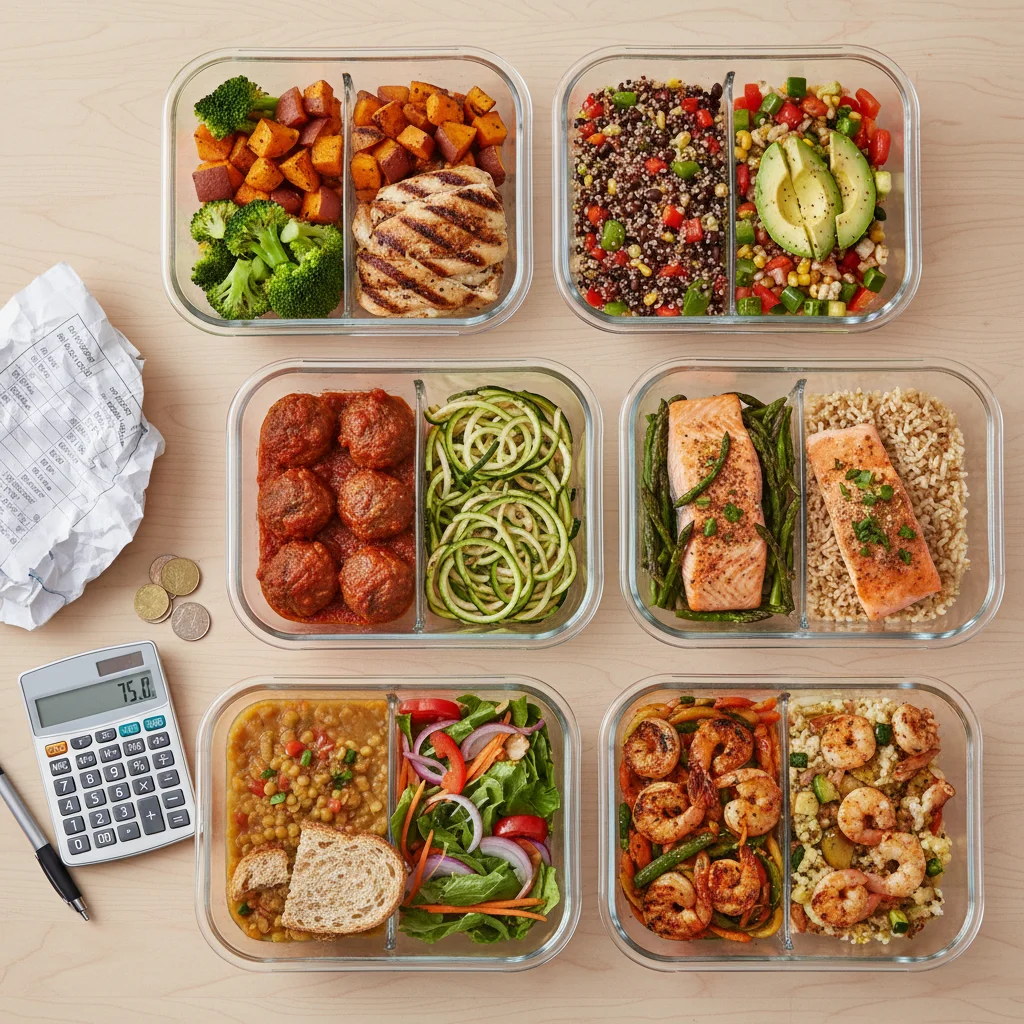
Cooking in larger quantities is a fundamental aspect of meal prep. However, portion control is equally important. Cooking too much leads to waste, while cooking too little leads to hunger and potentially expensive last-minute food purchases. Invest in good quality food containers that help you portion out meals correctly for each day. Batch cooking staples like grains (quinoa, rice, farro), roasted vegetables, and proteins (chicken breast, ground beef) allows you to mix and match throughout the week, creating varied meals from a limited set of prepared components.
Smart Shopping: Your Wallet’s Best Friend
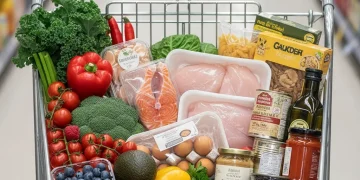
With a solid meal plan in hand, your grocery shopping becomes a highly efficient operation. This is where you directly translate your planning into tangible meal prep savings.
The Power of the Grocery List
Never go to the grocery store without a detailed list. Stick to it religiously. This prevents impulse buys, which are notorious budgetbusters. Organize your list by aisle to make your shopping trip faster and more efficient, reducing the temptation to wander and pick up unnecessary items. Double-check your pantry and fridge before you leave to avoid buying duplicates.
Shop on a Full Stomach
It sounds simple, but shopping when hungry can lead to poor choices and overspending. A full stomach helps you make rational decisions, sticking to your list and avoiding tempting but often unhealthy and expensive snacks.
Compare Unit Prices
Don’t just look at the total price; compare unit prices (price per ounce, per pound, etc.) to find the best value. Larger packages are often cheaper per unit, but only buy in bulk if you know you’ll use it before it spoils. Consider if the larger quantity truly contributes to your meal prep savings or if it will lead to waste.
Loyalty Programs and Coupons
Sign up for your grocery store’s loyalty program and take advantage of digital coupons. These can offer significant discounts on items you already plan to buy. Combine these with sales for maximum impact. Many stores also offer personalized coupons based on your shopping history, which can be a goldmine for increasing your meal prep savings.
Efficient Preparation: Maximizing Your Time and Ingredients
Once you’ve done the planning and shopping, the actual preparation phase is crucial for realizing your meal prep savings. This is where you transform raw ingredients into ready-to-eat meals or meal components.
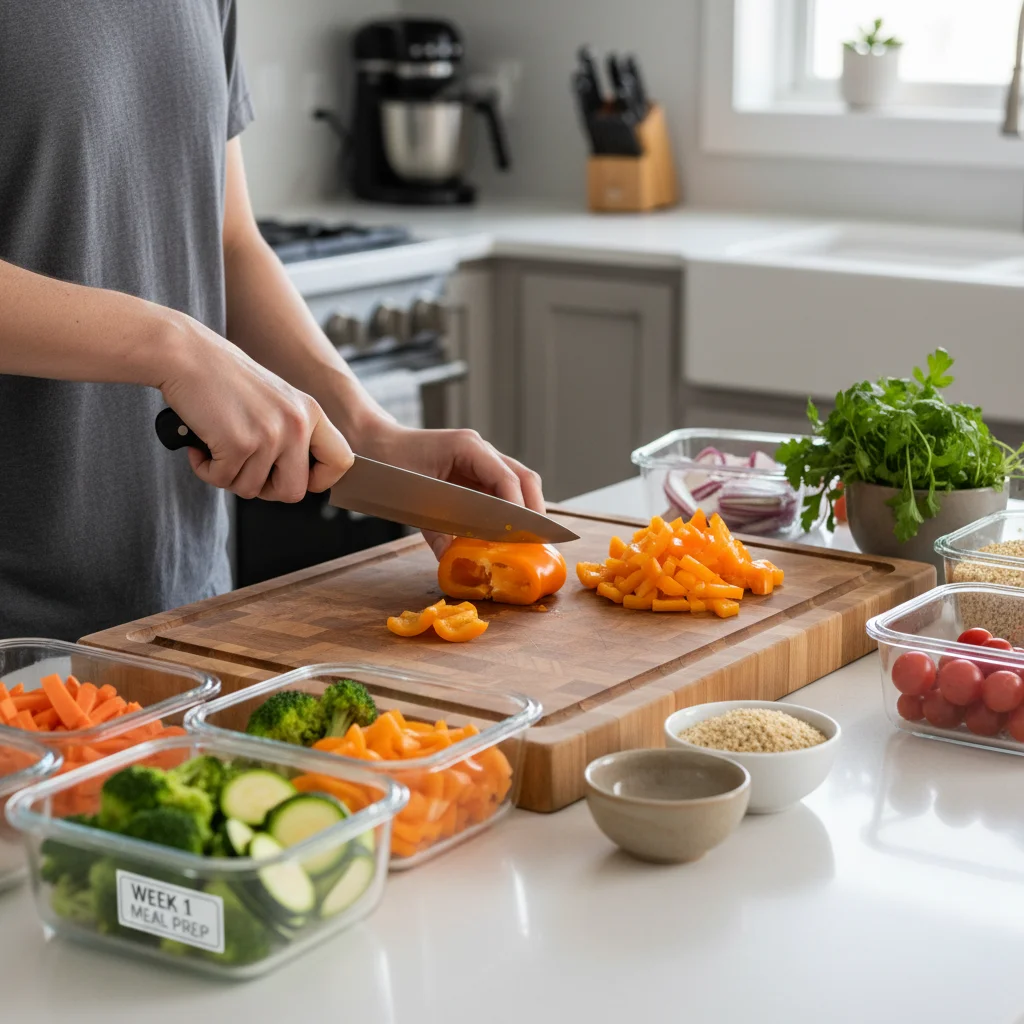
Designate a Meal Prep Day
Choose one day a week (often Sunday) to dedicate a few hours to meal prep. This集中es your cooking efforts, saving you time and energy during busy weeknights. During this dedicated time, you can:
- Chop all your vegetables for the week.
- Cook grains like rice, quinoa, or pasta.
- Cook proteins such as chicken, ground meat, or beans.
- Prepare sauces and dressings.
- Assemble salads or snack packs.
Having these components ready makes assembly during the week incredibly fast and reduces the likelihood of reaching for takeout when you’re tired.
Master Basic Cooking Techniques
Familiarize yourself with versatile cooking methods like roasting, stir-frying, and slow-cooking. These techniques are excellent for preparing large batches of food that can be easily incorporated into various meals. Roasting a tray of mixed vegetables, for instance, can serve as a side dish for several dinners or be added to salads and wraps.
Utilize Your Freezer
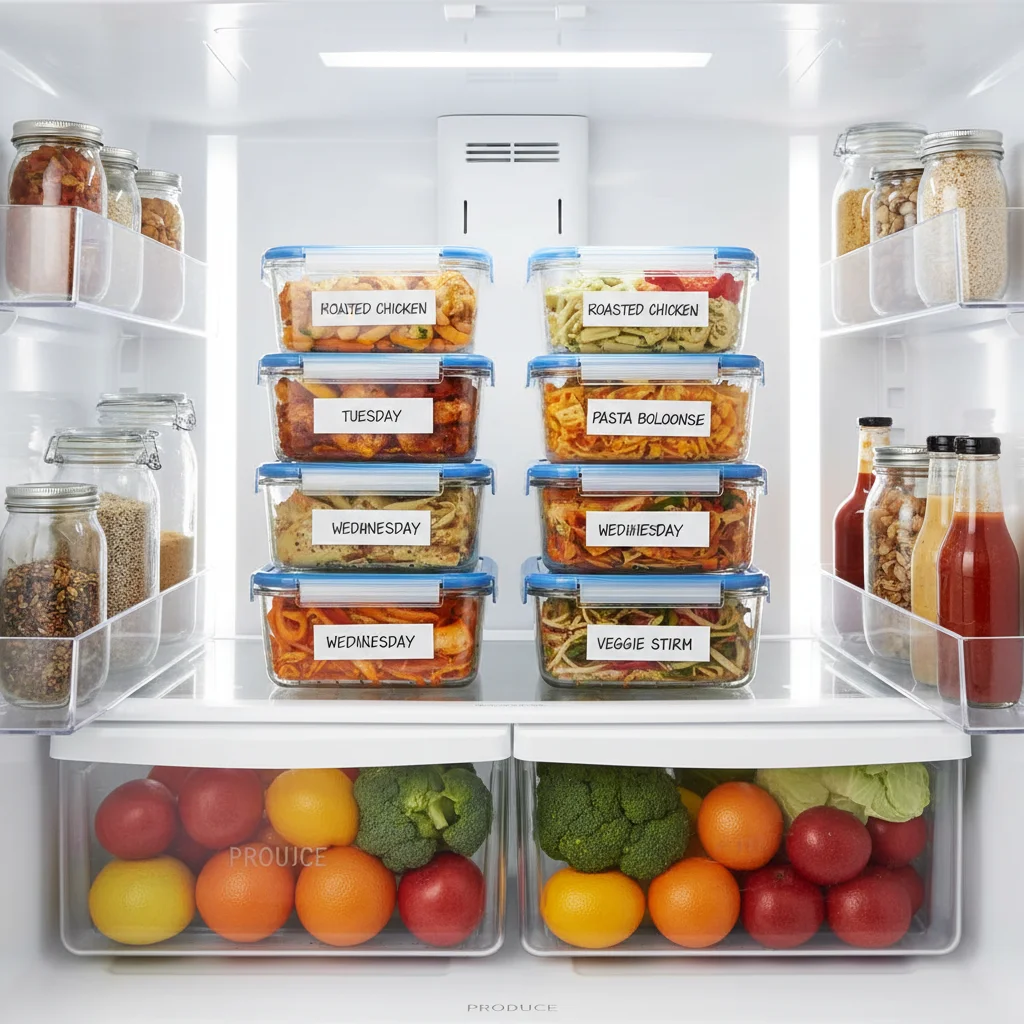
Your freezer is an invaluable tool for meal prep savings. Cook extra portions of freezable meals like soups, stews, casseroles, or chili. These can be stored for weeks or even months, providing a convenient backup for those days when cooking isn’t an option. Proper freezing techniques (e.g., using airtight containers or freezer bags, labeling and dating) are essential to maintain quality and prevent freezer burn.
Creative Weeknight Dinners: Making Meal Prep Exciting
One common concern with meal prep is the monotony of eating the same thing every day. However, with a little creativity, your prepared components can be transformed into diverse and exciting weeknight dinners, keeping you engaged and committed to your meal prep savings goals.
Mix and Match Components
Think of your prepped ingredients as building blocks. Cooked chicken can become:
- Chicken and roasted veggie bowls with a drizzle of sauce.
- Chicken quesadillas or wraps.
- Chicken salad sandwiches.
- Added to a quick pasta dish.
Similarly, a batch of roasted sweet potatoes can be a side, part of a hash, or blended into a soup. This flexibility prevents boredom and ensures you use all your ingredients.
Sauces and Spices are Your Friends
The fastest way to change the flavor profile of a meal is through sauces, dressings, and spices. A simple protein and vegetable combo can taste completely different with a switch from a lemon-herb dressing to a spicy peanut sauce or a smoky barbecue glaze. Keep a variety of these on hand to effortlessly transform your meals.
One-Pan and Sheet Pan Dinners
While meal prepping involves upfront cooking, you can still enjoy fresh, minimal-effort weeknight meals. For nights when you want something hot and freshly cooked, consider one-pan or sheet pan dinners using pre-chopped vegetables and pre-cooked proteins. These require minimal cleanup and can be incredibly flavorful.
Troubleshooting and Staying Motivated for Long-Term Savings
Even with the best intentions, challenges can arise. Staying committed to your meal prep savings requires adaptability and self-awareness.
Dealing with Leftover Fatigue
If you find yourself getting tired of leftovers, try reducing the batch size or varying your meal prep menu more often. You don’t have to prep every single meal for the entire week. Even prepping three or four dinners can make a significant difference. Alternatively, freeze portions for later in the month to break up the routine.
Adjusting to Changing Schedules
Life happens! If your schedule unexpectedly changes, be flexible. Perhaps you can only prep for a few days, or you need to pivot to a simpler meal plan. The goal is progress, not perfection. Don’t let one off-week derail your entire effort towards meal prep savings.
Review and Refine Your Strategy
At the end of each quarter, review your grocery spending. Did you hit your 20% savings goal? What worked well? What didn’t? Adjust your strategies for the next quarter. Perhaps you need to focus more on reducing food waste, or maybe you found a new store with better prices. Continuous improvement is key to sustained meal prep savings.
Beyond Weeknight Dinners: Extending Your Meal Prep Savings
While this guide focuses on weeknight dinners, the principles of meal prep savings can be extended to other meals as well, amplifying your overall financial impact.
Breakfast Prep
Consider prepping breakfasts like overnight oats, hard-boiled eggs, or smoothie packs. These can save you from expensive coffee shop breakfasts or rushed, unhealthy choices.
Lunch Prep
Bringing your lunch to work or school is one of the quickest ways to save money. Utilize dinner leftovers or specifically prep salads, grain bowls, or sandwiches for lunch. This can easily save you hundreds of dollars a month.
Snack Prep
Instead of buying pre-packaged snacks, portion out healthier and more economical options like nuts, fruit, or homemade granola bars. This small habit can significantly contribute to your meal prep savings over time.
Conclusion: A Quarter of Smart Choices, Lasting Benefits
Achieving a 20% reduction in your grocery bill this quarter through smart meal prep savings is an ambitious yet entirely attainable goal. It requires a commitment to planning, disciplined shopping, and efficient preparation. However, the benefits extend far beyond just financial savings. You’ll gain:
- More Free Time: Fewer decisions and less cooking during busy weeknights.
- Healthier Eating: Greater control over ingredients, portions, and nutritional content.
- Reduced Stress: The peace of mind that comes from knowing dinner is handled.
- Less Food Waste: A more sustainable and economical approach to food consumption.
Start small, be patient with yourself, and celebrate every victory along the way. By integrating these meal prep strategies into your routine, you’re not just saving money; you’re investing in a more organized, healthier, and financially savvy lifestyle. This quarter, make meal prep savings your priority, and watch your budget (and your well-being) flourish!