Future Fashion Shopping: Maximize Value in 2026

Beyond Discounts: 6 Smart Shopping Tactics to Get More Value from Your Fashion in 2026
The year is 2026, and the fashion landscape has evolved dramatically. While the allure of a good sale will always exist, a new era of conscious consumption is upon us. Smart shoppers are no longer just chasing the lowest price; they’re seeking genuine fashion shopping value. This isn’t just about saving money; it’s about making informed choices that benefit your wallet, your wardrobe, and the planet. In a world increasingly focused on sustainability, longevity, and personal expression, understanding how to maximize the value of your fashion purchases is paramount. This comprehensive guide will delve into six intelligent tactics that will empower you to build a resilient, stylish, and sustainable wardrobe in 2026 and beyond.
The traditional retail model, heavily reliant on fast fashion and disposable trends, is showing cracks. Consumers are savvier, more ethically aware, and demanding more from their clothing. The concept of fashion shopping value has expanded beyond mere cost per wear to encompass ethical production, environmental impact, versatility, and personal satisfaction. If you’re ready to transform your approach to fashion and invest wisely in pieces that truly serve you, read on. We’ll explore strategies that move beyond the fleeting thrill of a discount to cultivate a wardrobe that is both impactful and enduring.
Advertisements
1. Embrace the Power of Pre-loved and Resale Platforms
One of the most impactful ways to enhance your fashion shopping value in 2026 is by fully integrating pre-loved and resale platforms into your shopping habits. The stigma once associated with second-hand clothing has all but vanished, replaced by a vibrant, eco-conscious community. Platforms like The RealReal, Vestiaire Collective, Depop, and even localized online marketplaces offer a treasure trove of designer pieces, vintage gems, and high-quality basics at a fraction of their original price. This isn’t just about affordability; it’s about sustainability. By extending the life cycle of garments, you actively reduce textile waste and lessen the demand for new production, which often carries a significant environmental footprint.
The key to success in the pre-loved market lies in patience and diligent searching. Understand what you’re looking for – specific brands, materials, or styles – and set up alerts. Don’t be afraid to ask sellers for more photos or details about an item’s condition. Authenticity checks are increasingly sophisticated on reputable platforms, offering peace of mind when investing in higher-value items. Furthermore, consider the potential for investment pieces. Certain designer items hold their value remarkably well, and purchasing them pre-owned can be a smart financial move, allowing you to enjoy luxury without the full retail price depreciation.
Beyond buying, these platforms also offer an excellent opportunity to recoup some of the cost of your own wardrobe. Selling items you no longer wear contributes to the circular economy and provides you with funds to invest in new (or new-to-you) pieces. This cyclical approach to fashion not only maximizes your fashion shopping value but also cultivates a more mindful and sustainable relationship with your clothes. In 2026, a truly smart shopper knows that the best finds often aren’t new at all.
2. Prioritize Quality Over Quantity: The Investment Piece Mentality
The fast fashion cycle encourages impulse buys and disposable trends. To truly achieve lasting fashion shopping value, shift your mindset towards quality over quantity. This means investing in fewer, but better-made, pieces that are designed to last. Think about the cost per wear: a well-made wool coat that lasts for a decade, even if initially expensive, often proves to be a better investment than several cheaper coats that fray and fall apart after a season or two.
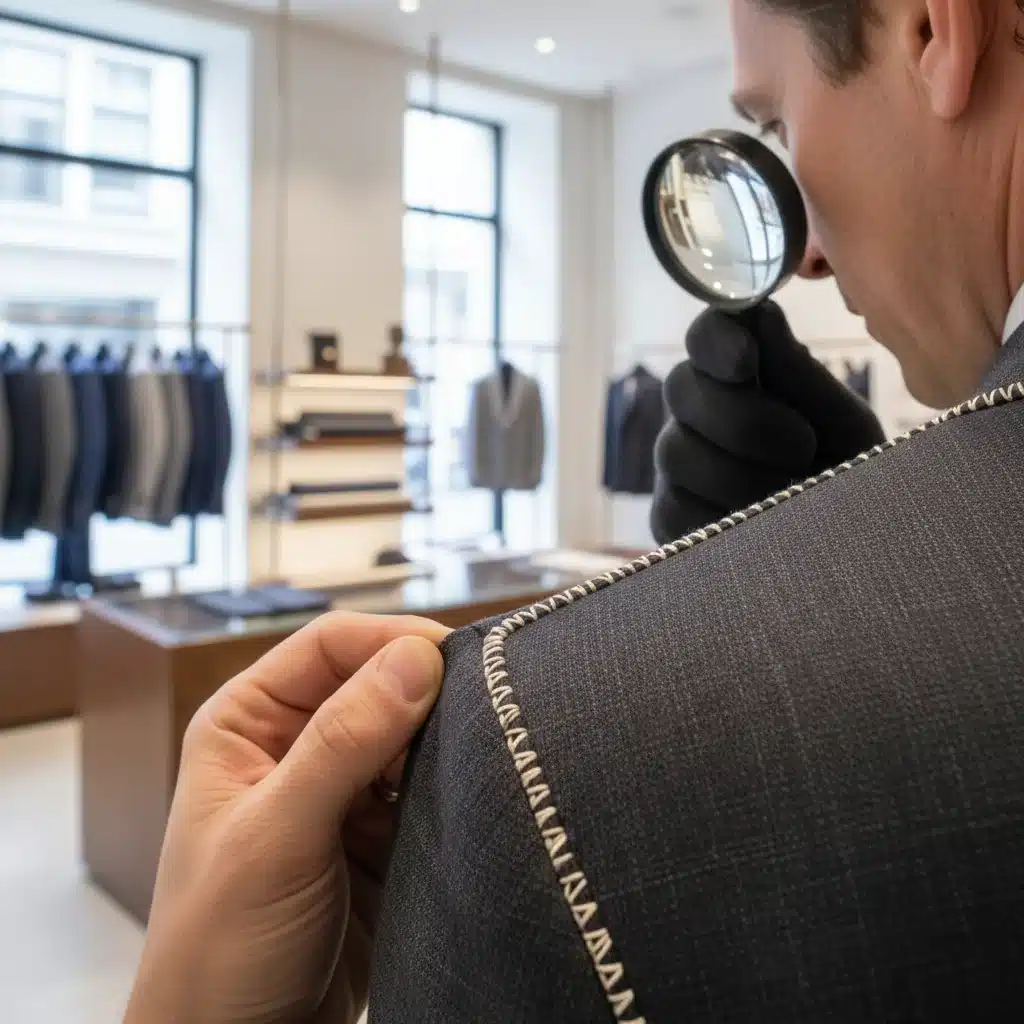
Learning to identify quality is a crucial skill. Pay attention to fabric composition – natural fibers like cotton, linen, wool, and silk often offer better durability, breathability, and feel than many synthetics. Examine construction: look for strong seams, neat stitching, matched patterns, and durable hardware. A garment with thoughtful details, like fully lined interiors or reinforced buttons, is often a sign of higher quality craftsmanship. Don’t be swayed solely by brand names; sometimes independent labels or lesser-known brands offer superior quality at a more accessible price point.
Building an investment wardrobe doesn’t mean you have to break the bank all at once. It’s a gradual process. Start with foundational pieces like a classic trench coat, a versatile pair of dark wash jeans, a well-fitting blazer, or quality leather shoes. These items form the backbone of your wardrobe and can be mixed and matched with more trend-driven or affordable accessories. This strategic approach ensures that your wardrobe remains relevant and functional for years, providing immense fashion shopping value in the long run.
3. Master the Art of Wardrobe Planning and Versatility
Spontaneous purchases are often the enemy of fashion shopping value. In 2026, smart shoppers are proactive and strategic. Begin by auditing your current wardrobe. What do you wear regularly? What’s missing? What do you own but never use? This self-awareness is the first step to making intentional purchases.
Once you understand your existing inventory, focus on building a versatile wardrobe. This means selecting pieces that can be styled in multiple ways for different occasions. A simple black dress, for example, can be dressed up with heels and statement jewelry for an evening event or dressed down with sneakers and a denim jacket for a casual daytime look. Look for items with classic silhouettes and neutral colors that can easily integrate with your existing clothes. This approach reduces the need for numerous single-purpose items and ensures that every piece in your wardrobe works harder for you.
Consider creating a ‘capsule wardrobe‘ if you’re serious about maximizing fashion shopping value. A capsule wardrobe consists of a limited number of interchangeable clothing items that are carefully curated to create a wide variety of outfits. This method forces you to think critically about each purchase, ensuring it adds genuine value and versatility to your collection. Planning your purchases around specific needs and ensuring new items complement existing ones will significantly reduce wasted spending and lead to a more cohesive and functional wardrobe.
4. Leverage Technology for Smarter Decisions
Technology is revolutionizing how we approach fashion shopping value. In 2026, a plethora of apps and digital tools can assist you in making more informed choices. From AI-powered personal stylists that suggest outfits based on your existing wardrobe to apps that track the ethical and environmental credentials of brands, the resources are abundant.
Consider using apps that allow you to virtually try on clothes or visualize how a new item would fit into your existing wardrobe. These tools can prevent costly returns and ensure you’re making purchases that truly align with your style. Furthermore, price comparison apps and browser extensions can help you find the best deals, track price drops, and even notify you when an item you’ve been eyeing goes on sale. However, remember the ‘quality over quantity’ mantra; a discount on a poor-quality item is still a poor investment.
Beyond purchasing, technology also plays a role in garment care. Smart washing machines with specialized cycles, apps that provide care instructions for different fabrics, and even digital tailoring services are becoming more common. Proper care extends the lifespan of your clothes, inherently increasing their fashion shopping value. Stay updated on these technological advancements to make your fashion journey more efficient, sustainable, and economically sound.
5. Embrace Repair, Upcycling, and DIY
The ultimate expression of maximizing fashion shopping value is extending the life of your existing garments. In 2026, the ‘make do and mend’ philosophy has made a strong comeback, fueled by environmental consciousness and a desire for unique, personalized items. Learning basic mending skills – sewing on a button, patching a small tear, or hemming trousers – can save you money and prevent perfectly good items from ending up in landfills.
For more complex repairs, seek out local tailors and alteration services. A well-fitting garment always looks better and feels more comfortable, and often, a minor alteration can transform an ill-fitting piece into a wardrobe staple. Investing in professional repairs for quality items is almost always more cost-effective than replacing them.
Beyond simple repairs, consider the world of upcycling and DIY. An old denim jacket can be embroidered, painted, or adorned with patches to give it a fresh, personal look. A tired dress can be dyed a new color or cut into a skirt. Online tutorials and workshops make it easier than ever to learn these skills. This creative approach not only adds unique flair to your wardrobe but also significantly boosts the fashion shopping value of items you already own, transforming them rather than discarding them.
6. Cultivate a Sustainable and Ethical Mindset
Finally, true fashion shopping value in 2026 is deeply intertwined with sustainability and ethics. Consumers are increasingly aware of the social and environmental impact of their clothing choices. Supporting brands that prioritize fair labor practices, use eco-friendly materials, and implement transparent supply chains is not just a moral imperative; it’s an investment in a better future for the industry and the planet.
Do your research. Look for certifications like GOTS (Global Organic Textile Standard) for organic fibers, Fair Trade for ethical production, or B Corp certification for overall social and environmental performance. Read brand transparency reports and pay attention to their stated commitments. While sustainable fashion can sometimes have a higher upfront cost, the long-term value, both for you and the world, is immeasurable. These items are often made to last, reducing the need for frequent replacements, and supporting a more responsible industry.
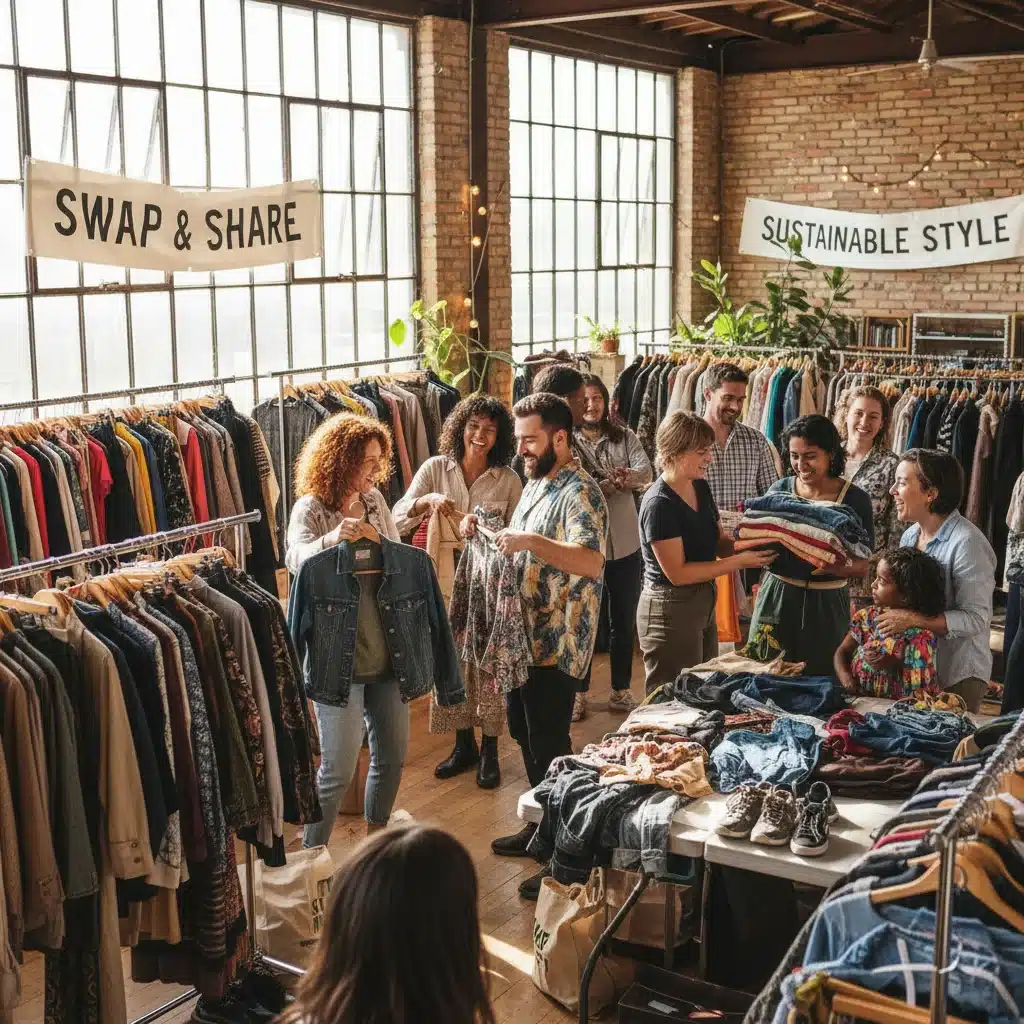
Consider participating in clothing swaps with friends or local communities. This is a fantastic way to refresh your wardrobe for free while giving your pre-loved items a new home. Renting clothes for special occasions is another growing trend that offers excellent fashion shopping value, allowing you to wear high-end or unique pieces without the commitment of purchase. By adopting a holistic view of sustainability, you not only make more responsible choices but also cultivate a wardrobe that reflects your values and stands the test of time, both stylistically and ethically.
The Future of Your Wardrobe: A Value-Driven Approach
As we navigate the evolving landscape of fashion in 2026, the paradigm has shifted. The days of mindless consumption are fading, replaced by a conscious pursuit of genuine fashion shopping value. This journey is not about deprivation; it’s about empowerment. It’s about making choices that align with your personal style, your financial goals, and your ethical compass.
By embracing pre-loved items, prioritizing quality, planning your wardrobe strategically, leveraging technological advancements, extending the life of your garments through repair and upcycling, and cultivating a sustainable mindset, you are not just shopping; you are investing. You are investing in a wardrobe that is durable, versatile, and authentically ‘you’. You are investing in a more responsible fashion industry. And ultimately, you are investing in a future where style and sustainability go hand in hand.
These six smart tactics are more than just tips; they are a blueprint for a transformative approach to fashion. They encourage you to look beyond the immediate gratification of a purchase and consider the long-term impact and enjoyment an item will bring. Start implementing these strategies today, and watch your wardrobe evolve into a collection of cherished pieces that truly reflect your values and provide unparalleled fashion shopping value for years to come. The future of fashion is not about buying more; it’s about buying better, smarter, and with purpose.
Remember, every decision you make as a consumer sends a message to the industry. By choosing value over fleeting trends, you contribute to a more sustainable and ethical fashion ecosystem. It’s a journey of continuous learning and adaptation, but one that promises a more fulfilling and stylish relationship with your clothes. So, step into 2026 with confidence, armed with these strategies, and redefine what fashion shopping value truly means to you.
Key Takeaways for Maximizing Your Fashion Shopping Value:
- Embrace Circular Fashion: Actively buy and sell on pre-loved platforms to reduce waste and find unique items.
- Invest in Quality: Prioritize durable, well-made garments that offer a lower cost per wear over time.
- Strategic Wardrobe Planning: Audit your closet, plan purchases, and focus on versatile, interchangeable pieces.
- Utilize Tech Tools: Leverage apps for virtual try-ons, price comparisons, and ethical brand research.
- Repair and Upcycle: Extend garment life through mending, alterations, and creative DIY projects.
- Support Sustainable Brands: Choose companies committed to ethical labor and environmentally friendly practices.
By integrating these tactics into your routine, you’ll not only enhance your personal style but also become a more conscious and powerful consumer in the ever-evolving world of fashion.