
In an era dominated by rapid consumption and planned obsolescence, the concept of buying products that truly last feels almost revolutionary. Yet, understanding how to engage in durable product shopping is not just a smart financial move; it’s a commitment to sustainability and a rejection of the ‘throwaway’ culture. This comprehensive guide will equip you with the knowledge and strategies to identify high-quality items that are designed to last not just a little longer, but potentially twice as long, ensuring you get maximum value and reduce your environmental footprint.
Imagine a world where your appliances, furniture, and clothing don’t just last a few years, but a decade or more. This isn’t a pipe dream; it’s a tangible reality achievable through informed purchasing decisions. By focusing on durable product shopping, you’re not just buying an item; you’re investing in reliability, performance, and peace of mind. Let’s delve into the art and science of spotting quality that endures.
The True Cost of Cheap: Why Durable Product Shopping Pays Off
The allure of a low price tag is undeniable. In a world of tight budgets, opting for the cheapest available option often seems like the most sensible choice. However, this short-term gain frequently leads to long-term pain. Cheaply made products are notorious for their short lifespans, unexpected breakdowns, and subpar performance. This often necessitates frequent replacements, leading to a cycle of re-purchasing that ultimately costs more than an initial investment in a higher-quality, more durable item.
Consider a scenario: you buy a budget-friendly blender for $30. It works fine for six months, then the motor burns out. You buy another $30 blender. Six months later, same story. In just one year, you’ve spent $60 and contributed two broken blenders to a landfill. Alternatively, you could have invested $100 in a high-quality blender known for its robust motor and durable construction. This blender might last 5-10 years, saving you money, time, and frustration in the long run. This is the core principle of durable product shopping: investing in longevity.
Advertisements
Beyond the financial aspect, there’s the environmental impact. Every product manufactured consumes resources and energy, and every discarded product contributes to waste. By choosing durable goods, you’re actively reducing demand for new manufacturing and minimizing landfill contributions. It’s a win-win for your wallet and the planet.
Understanding Durability: More Than Just ‘Strong’
Durability isn’t a single characteristic; it’s a multifaceted quality encompassing several key attributes. To excel at durable product shopping, you need to understand what makes a product truly resilient:
- Material Quality: This is often the bedrock of durability. High-quality materials resist wear, tear, corrosion, and degradation. For textiles, this means strong fibers and tight weaves. For electronics, it implies robust components and protective casings. For furniture, it’s about solid wood, sturdy metal, or high-density composites.
- Construction and Craftsmanship: Even the best materials can fail if poorly assembled. Look for strong seams, reinforced stress points, tight fasteners, and meticulous finishes. Good craftsmanship indicates attention to detail and a commitment to longevity.
- Design for Repairability: In an ideal world, products would last forever. In reality, things break. Durable products are often designed with repair in mind, featuring modular components, easily accessible parts, and readily available spares.
- Resistance to Environmental Factors: Depending on the product, durability might also mean resistance to water, UV radiation, extreme temperatures, or impacts. An outdoor furniture piece, for example, needs to withstand the elements far better than an indoor one.
- Performance Longevity: This refers to how well a product maintains its intended function over time. A durable battery, for instance, retains a significant portion of its charge capacity after many cycles. A durable appliance maintains its efficiency and power output years after purchase.
The Strategic Shopper’s Toolkit: How to Spot Lasting Quality
Becoming a master of durable product shopping requires a keen eye and a strategic approach. Here are actionable steps and indicators to guide your purchasing decisions:
1. Research, Research, Research: Your First Line of Defense
Before stepping into a store or clicking ‘add to cart,’ arm yourself with information. The internet is a treasure trove of insights:
- Read Reviews (Critically): Don’t just look at the star rating. Dive into detailed reviews, especially those from long-term users. Filter for reviews that mention durability, longevity, and common failure points. Pay attention to consistent complaints about specific components or materials.
- Consult Independent Testing Sites: Organizations like Consumer Reports, Wirecutter, and various tech review sites conduct rigorous, unbiased tests on product performance and durability. Their findings can be invaluable.
- Look for Durability Certifications: Some industries have specific certifications for durability, material quality, or extended warranties that imply a higher standard. Research what these mean for the product category you’re interested in.
- Manufacturer Reputation: Brands known for quality and customer satisfaction often stand behind their products. A company with a long history of producing producing reliable goods is generally a safer bet.

2. Material Matters: The Foundation of Longevity
Understanding materials is crucial for durable product shopping. Here’s a quick guide:
- Textiles and Apparel:
- Natural Fibers: Cotton (especially organic and long-staple), linen, wool, and silk are generally durable when woven tightly. Look for higher thread counts in cotton, and dense, compact weaves in wool.
- Synthetics: Nylon and polyester can be incredibly durable, especially in performance wear, outdoor gear, and upholstery. Look for denier ratings (higher means thicker fibers). Avoid thin, flimsy synthetics that pill easily.
- Blends: Often combine the best of both worlds, but ensure the dominant fiber is high-quality.
- Stitching: Double-stitching, reinforced seams, and bar tacks at stress points (pockets, zippers) are indicators of quality.
- Furniture:
- Solid Wood: Oak, maple, cherry, and walnut are excellent choices for strength and longevity. Avoid particle board or MDF as primary structural components.
- Joinery: Look for dovetail joints, mortise and tenon joints, and corner blocks, rather than just glue or staples.
- Upholstery: High-density foam, sturdy springs (eight-way hand-tied is best), and durable fabrics like tightly woven linen, canvas, or performance synthetics.
- Electronics and Appliances:
- Metals: Stainless steel, aluminum, and cast iron are often superior to plastic for structural components and casings.
- Glass: Tempered glass offers greater resistance to breakage.
- Internal Components: While harder to assess, research can reveal if manufacturers use high-grade internal parts.
- Footwear:
- Leather: Full-grain or top-grain leather is highly durable and molds to your foot. Avoid bonded leather or PU leather for longevity.
- Soles: Stitched soles (Goodyear welt, Blake stitch) are far more durable and often repairable than glued soles. Rubber or Vibram soles offer excellent traction and wear resistance.
3. Inspect the Craftsmanship: A Hands-On Approach
When you can physically inspect a product, pay close attention to its construction:
- Weight and Feel: Durable items often have a satisfying heft. They don’t feel flimsy or hollow. Pick it up, feel its texture, and assess its density.
- Joints and Seams: Are they tight, even, and well-finished? For furniture, try to wiggle joints; there should be no play. For clothing, tug at seams; they should hold firm.
- Hardware: Zippers, buttons, buckles, and latches should be robust, smooth-operating, and made from durable materials (e.g., metal zippers instead of plastic).
- Finishes: A good finish (paint, stain, coating) not only enhances appearance but also protects the underlying material from wear and tear. It should be even, smooth, and free of imperfections.
- Ergonomics and Functionality: Does the product feel comfortable and intuitive to use? Good design often goes hand-in-hand with durability, as thoughtful engineering considers long-term use.
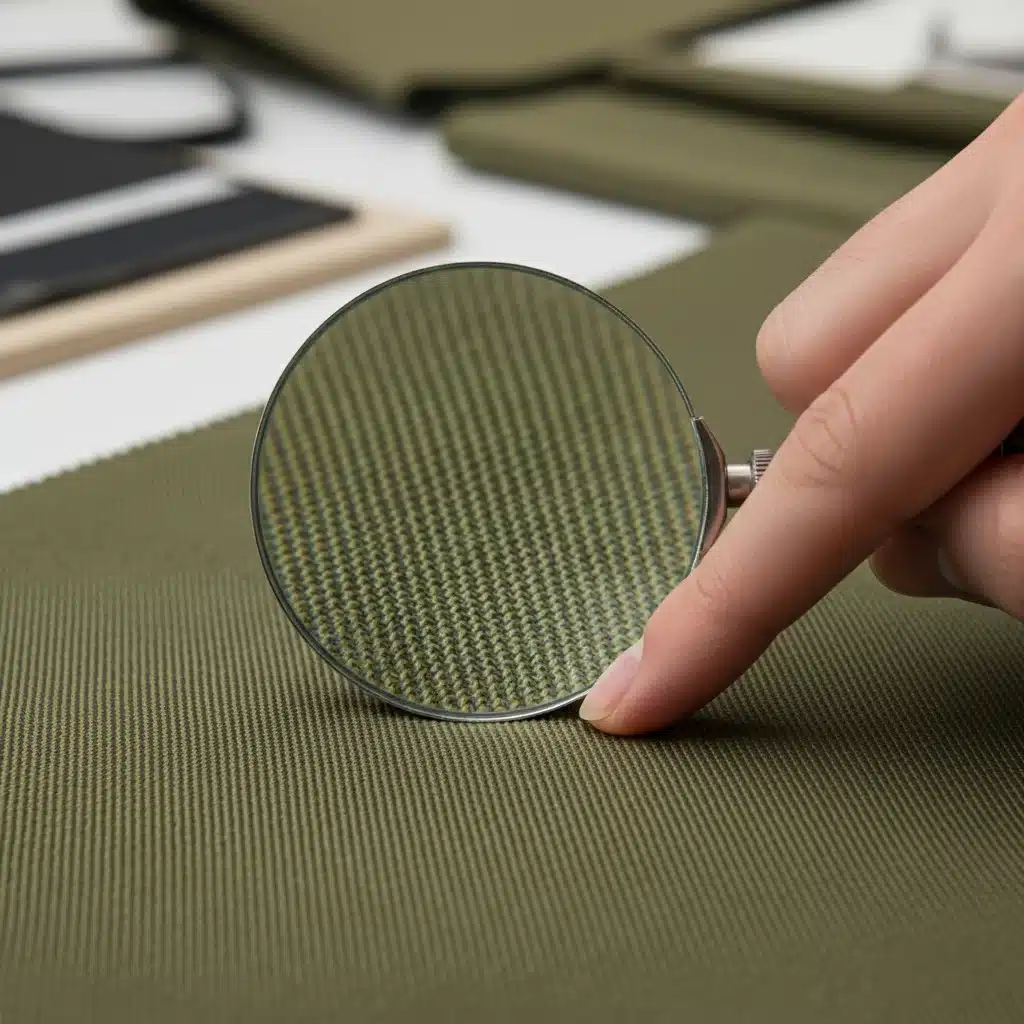
4. Understanding Warranties and Guarantees
A strong warranty is a manufacturer’s vote of confidence in their product’s durability. Longer warranties often indicate a higher quality item:
- Length of Warranty: A 5-year warranty on an appliance speaks volumes compared to a standard 1-year warranty. Lifetime guarantees, while rare, are the ultimate indicator of trust.
- Coverage: Understand what the warranty covers. Does it include parts and labor? Is it transferable? Are there specific conditions that void it?
- Return Policy: A generous return policy, especially if it extends beyond the standard 30 days, suggests the company is confident in customer satisfaction and product quality.
5. Consider the Brand’s Reputation for After-Sales Support and Parts
Even the most durable products might eventually need a repair or a replacement part. A company that supports its products long-term is a strong indicator of quality and a commitment to durability:
- Availability of Spare Parts: Can you easily find replacement parts for common wear-and-tear components? Brands that offer this service are often designed for repairability.
- Repair Services: Does the manufacturer offer repair services or provide detailed repair guides? This commitment to extending product life is a hallmark of truly durable goods.
- Customer Service: Accessible and helpful customer service can make a huge difference if you encounter an issue.
Applying Durable Product Shopping to Specific Categories
Let’s put these principles into practice across common product categories:
For Clothing and Textiles:
- Check Fabric Composition: Look for natural fibers like organic cotton, linen, wool, and silk, or high-quality synthetics like ripstop nylon or Cordura for specific uses.
- Examine Stitching: Strong, even, and numerous stitches per inch indicate quality. Double-stitching and reinforced seams are key.
- Hardware: YKK zippers are a gold standard. Metal buttons, sturdy snaps, and durable buckles are preferable.
- Care Instructions: Products requiring delicate care might not be designed for heavy, long-term use.
For Appliances and Electronics:
- Material of Casing: Metal casings (stainless steel, aluminum) are generally more durable than plastic.
- Internal Components: Research specific models for common failure points. Are components user-replaceable or modular?
- Brand Reputation: Some brands consistently rank higher for appliance longevity.
- Energy Efficiency: Often, more efficient appliances are built with better components designed for sustained performance.
For Furniture:
- Frame Construction: Solid wood frames with joinery (dovetail, mortise and tenon) are superior. Avoid particle board or MDF for structural elements.
- Upholstery: High-density foam cushions wrapped in down or synthetic fibers will retain shape longer. Tightly woven, durable fabrics like canvas, heavy cotton, or performance synthetics are best.
- Legs and Supports: Should be integral to the frame or securely bolted, not merely screwed on.
For Tools:
- Material: For hand tools, forged steel is often superior. For power tools, look for robust motor housings, metal gears, and quality bearings.
- Brand Reputation: Professional-grade tool brands are known for their durability.
- Ergonomics: Tools designed for comfortable, long-term use often reflect a commitment to overall quality.
The Future of Durable Product Shopping: Trends for 2026 and Beyond
As consumer awareness grows, the market for durable goods is evolving. Here are some trends to watch for in 2026 and beyond that will further empower your durable product shopping efforts:
- The Rise of the Circular Economy: More brands are embracing principles of the circular economy, designing products for longevity, repairability, and recyclability. Look for companies actively promoting these values.
- Right to Repair Legislation: Increasingly, governments are enacting ‘Right to Repair’ laws, which mandate that manufacturers make parts, tools, and repair information available to consumers and independent repair shops. This will significantly boost the longevity of many products, especially electronics.
- Enhanced Transparency: Expect greater transparency from brands regarding material sourcing, manufacturing processes, and product lifecycles. Companies will increasingly highlight their durability efforts as a competitive advantage.
- Subscription Models for Durability: Some innovative companies are exploring subscription models where you pay for a product’s use rather than ownership, with the brand responsible for maintenance and upgrades, ensuring products remain in circulation longer.
- AI-Powered Durability Ratings: As AI and data analytics advance, we may see more sophisticated, real-time durability ratings based on aggregated user data, repair records, and material science, making durable product shopping even easier.
Overcoming Challenges in Durable Product Shopping
While the benefits are clear, there can be challenges:
- Higher Initial Cost: Durable products often come with a higher upfront price. Reframe this as an investment rather than an expense.
- Limited Availability: Sometimes, finding truly durable options in certain categories can be difficult, especially with fast-fashion or rapidly evolving tech. Be patient and persistent in your search.
- Information Overload: The sheer volume of reviews and product specifications can be overwhelming. Focus on reputable sources and key durability indicators.
- Marketing Hype vs. Reality: Don’t fall for marketing buzzwords. Always verify claims with independent reviews and material science.
Conclusion: Invest in Longevity, Live Sustainably
Mastering durable product shopping is more than just a consumer skill; it’s a lifestyle choice. By consciously opting for items built to last, you not only save money over time and reduce personal stress from frequent replacements, but you also contribute to a more sustainable future. Every durable purchase is a vote for quality, craftsmanship, and responsible consumption.
As we move towards 2026 and beyond, the emphasis on longevity will only grow. By integrating these strategies into your purchasing habits, you’ll transform from a passive consumer into an empowered, strategic shopper, capable of identifying and acquiring products that truly stand the test of time. Start today, and experience the lasting benefits of a life filled with durable, reliable goods.