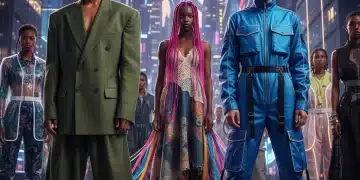
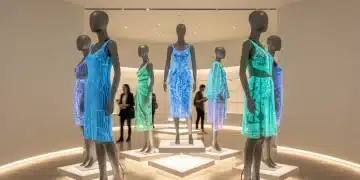
Androgynous Style Trends 2026: Bridging Fashion Gaps in the US
The fashion landscape is in a constant state of evolution, reflecting broader societal shifts and changing perceptions of identity. In 2026, one of the most compelling and transformative movements is the surging popularity of androgynous style trends across the United States. This isn’t merely a passing fad; it’s a profound redefinition of aesthetics, challenging traditional gender binaries and embracing a more fluid, inclusive approach to dressing. As we move further into the 21st century, the lines between ‘masculine’ and ‘feminine’ apparel continue to blur, paving the way for innovative designs that prioritize individual expression, comfort, and versatility.
For decades, fashion has often been a tool for reinforcing gender norms. However, the rise of androgynous style represents a powerful counter-narrative, advocating for clothing that transcends such limitations. It’s about creating wardrobes that allow individuals to explore their identities without constraint, offering a spectrum of options that don’t conform to preconceived notions of how men or women ‘should’ dress. This movement is fueled by a younger generation that values authenticity and inclusivity, and it’s being embraced by designers, celebrities, and everyday consumers alike.
In this comprehensive exploration, we will delve into three significant androgynous style trends that are set to dominate the US fashion scene in 2026. These trends are not just about aesthetics; they embody a philosophy of liberation and self-discovery. From the resurgence of tailored fluidity to the embrace of utilitarian chic and the celebration of soft-power aesthetics, each trend offers a unique perspective on gender-neutral dressing, demonstrating how fashion can be a powerful medium for social change and personal empowerment.
The Rise of Tailored Fluidity: Beyond the Binary Suit
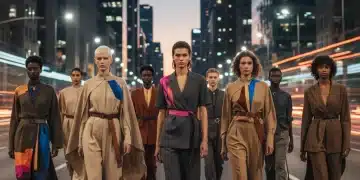
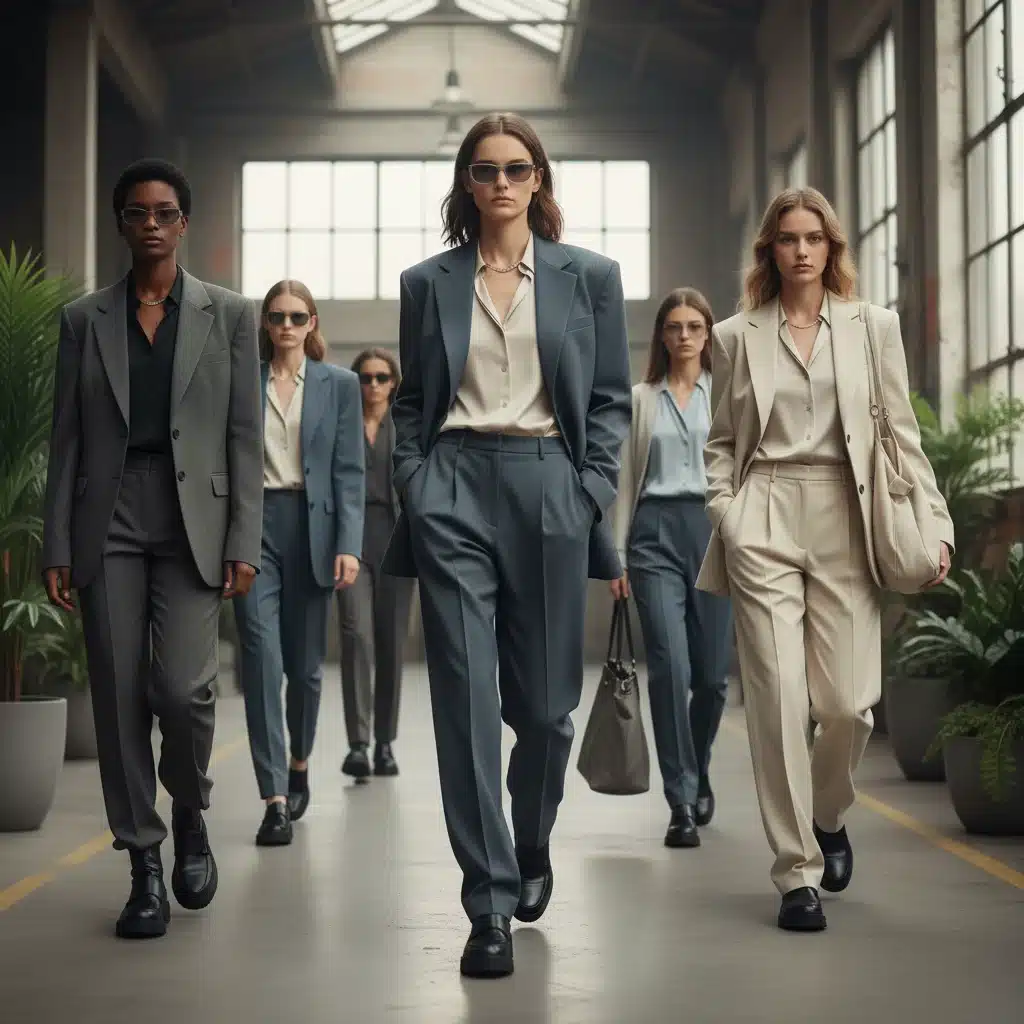
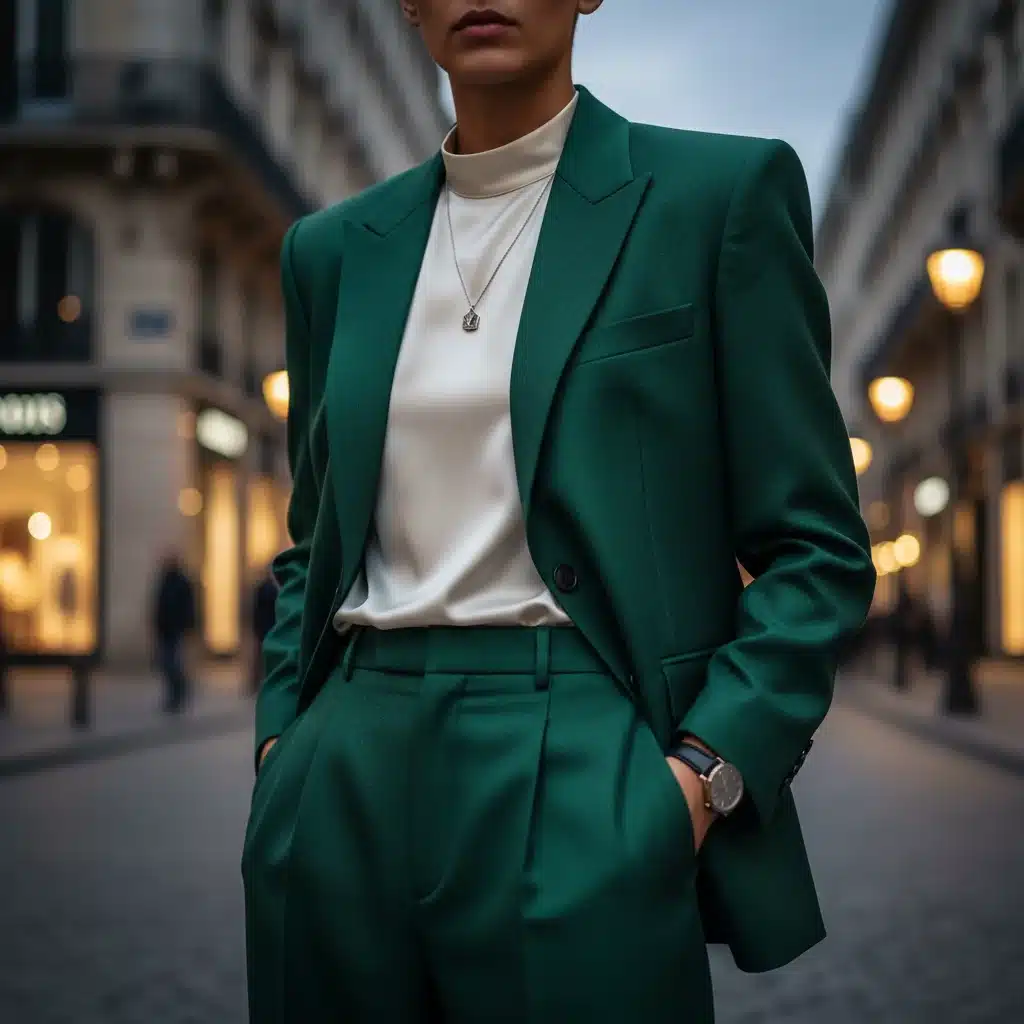
One of the most impactful androgynous style trends making waves in 2026 is ‘Tailored Fluidity.’ This trend takes the classic, structured elements of traditional tailoring – think blazers, trousers, and vests – and reimagines them with a softer, more expansive, and gender-neutral lens. It’s a departure from the rigid, form-fitting suits of the past, instead favoring relaxed silhouettes, oversized proportions, and fabrics that drape beautifully rather than cling.
Advertisements
Deconstructing Traditional Tailoring
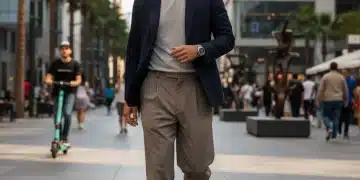
At its core, tailored fluidity is about deconstructing the archetypal suit and rebuilding it with an emphasis on comfort and versatility. Blazers are often oversized, featuring dropped shoulders and a longer line, allowing for a more relaxed and less restrictive fit. Trousers move away from narrow cuts, embracing wide-leg, pleated, or relaxed-fit styles that offer both elegance and ease of movement. The traditional waistcoat might be replaced by a more unstructured vest or a layered shirt, further softening the overall look.
Fabric choices are crucial to this trend. While wool and linen remain staples, designers are increasingly incorporating softer blends, innovative synthetics with excellent drape, and even sustainable materials like Tencel or cupro. These materials contribute to the fluid movement of the garments, making them suitable for a wider range of body types and personal preferences. The color palette often leans towards muted tones – charcoal, slate gray, beige, and olive – but also incorporates unexpected pops of jewel tones or pastels, further blurring traditional gender associations.
Key Elements and Styling Tips
- Oversized Blazers: A cornerstone of this trend. Look for blazers with a relaxed fit through the shoulders and body. They can be worn over anything from a simple tee to a silk blouse.
- Wide-Leg Trousers: Comfortable and chic, wide-leg trousers are a must-have. They elongate the silhouette and provide a sophisticated, effortless look.
- Draped Fabrics: Materials like silk, rayon, and soft wool blends that create graceful folds and movement are essential.
- Layering: Experiment with layering different textures and lengths. An oversized blazer over a longline shirt and wide-leg trousers creates depth and interest.
- Minimalist Accessories: Keep accessories understated to let the tailoring speak for itself. Think simple leather loafers, sleek sneakers, or a minimalist cross-body bag.
The beauty of tailored fluidity lies in its adaptability. These pieces can be dressed up for formal occasions or dressed down for casual outings, seamlessly transitioning between contexts. It’s about investing in well-made, versatile garments that empower the wearer to express their individual style without being confined by gendered expectations.
Utilitarian Chic: Function Meets Fashion in Gender-Neutral Designs
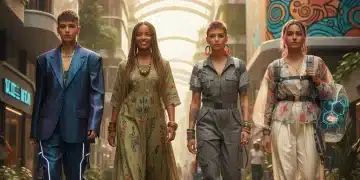
Another prominent androgynous style trend gaining significant traction in 2026 is ‘Utilitarian Chic.’ This trend celebrates the practical, functional aspects of workwear and military-inspired clothing, but elevates them with refined fabrics, thoughtful detailing, and a sophisticated, gender-neutral aesthetic. It’s about clothing that is durable, comfortable, and versatile, yet undeniably stylish.
The Evolution of Workwear
Historically, utilitarian clothing has been associated with specific professions and often segregated by gender. However, Utilitarian Chic breaks down these barriers, transforming overalls, cargo pants, boiler suits, and robust jackets into high-fashion statements. The emphasis is on quality construction, durable materials, and designs that prioritize comfort and practicality without sacrificing aesthetic appeal.
Expect to see garments crafted from heavy-duty cotton twill, canvas, denim, and even technical fabrics that offer features like water resistance or breathability. Pockets are not just decorative; they are functional and plentiful, adding to the practical appeal of the garments. Zippers, buckles, and adjustable straps are also key design elements, contributing to both the aesthetic and the functionality.
Embracing Practicality and Style
- Boiler Suits and Jumpsuits: These one-piece wonders are central to the utilitarian aesthetic. They offer an effortless, put-together look and can be styled in countless ways.
- Cargo Pants and Multi-Pocket Trousers: Moving beyond their casual origins, cargo pants are being reimagined in more refined fabrics and silhouettes, making them suitable for a wider range of occasions.
- Structured Jackets and Vests: Think chore jackets, field jackets, and utility vests with multiple pockets and a sturdy construction.
- Earthy Color Palettes: Khaki, olive green, navy, stone, and black are dominant colors, reflecting the practical origins of the trend.
- Durable Footwear: Boots, sturdy sneakers, and practical sandals complete the utilitarian look.
What makes Utilitarian Chic particularly compelling as an androgynous style trend is its inherent gender neutrality. The designs are not overtly masculine or feminine; instead, they focus on form, function, and a rugged elegance that appeals to anyone seeking comfort and practicality without compromising on style. It’s a trend that celebrates the beauty of purpose-driven design and allows individuals to move through their day with confidence and ease.
Soft Power Aesthetics: Draping, Textures, and Gentle Silhouettes
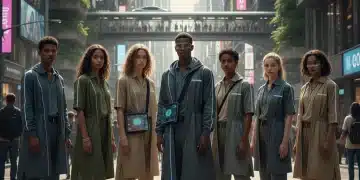
The third significant androgynous style trend for 2026 is ‘Soft Power Aesthetics.’ This trend challenges the notion that androgyny must be sharp, angular, or overtly structured. Instead, it embraces softness, fluidity, and gentle silhouettes, proving that powerful style can also be subtle, comfortable, and expressive through texture and drape rather than rigid form.
Redefining Strength Through Softness
Soft Power Aesthetics draws inspiration from artistic movements and natural forms, incorporating elements like asymmetrical cuts, voluminous drapes, and a rich interplay of textures. The focus is on creating garments that flow with the body, offering a sense of ease and sophisticated comfort. This trend redefines strength not as rigidity, but as the quiet confidence found in self-acceptance and unconstrained movement.
Fabrics play a crucial role here, with a strong emphasis on natural and sustainable materials. Think luxurious silks, organic cottons, soft linens, and innovative blends that offer a beautiful hand-feel and elegant drape. Knitwear, particularly chunky, textural knits and fine gauge merino wool, also features prominently, adding warmth and tactile appeal. The color palette often includes muted pastels, earthy tones, and soft neutrals, creating a harmonious and calming visual effect.
Key Components of Soft Power
- Draped and Asymmetrical Designs: Tunics, shirts, and dresses that feature artful draping, cowl necks, and asymmetrical hemlines create visual interest and a sense of effortless elegance.
- Voluminous Silhouettes: Wide-leg culottes, flowing skirts (for all genders), and oversized sweaters that cocoon the body are central to this trend.
- Textural Play: Combining different textures – a smooth silk blouse with a chunky knit cardigan, or a linen tunic with a soft wool trouser – adds depth and sophistication.
- Comfort-First Footwear: Soft loafers, elegant mules, and minimalist sneakers complement the relaxed nature of the clothing.
- Minimalist Jewelry: Delicate chains, simple rings, and subtle earrings enhance the understated elegance.
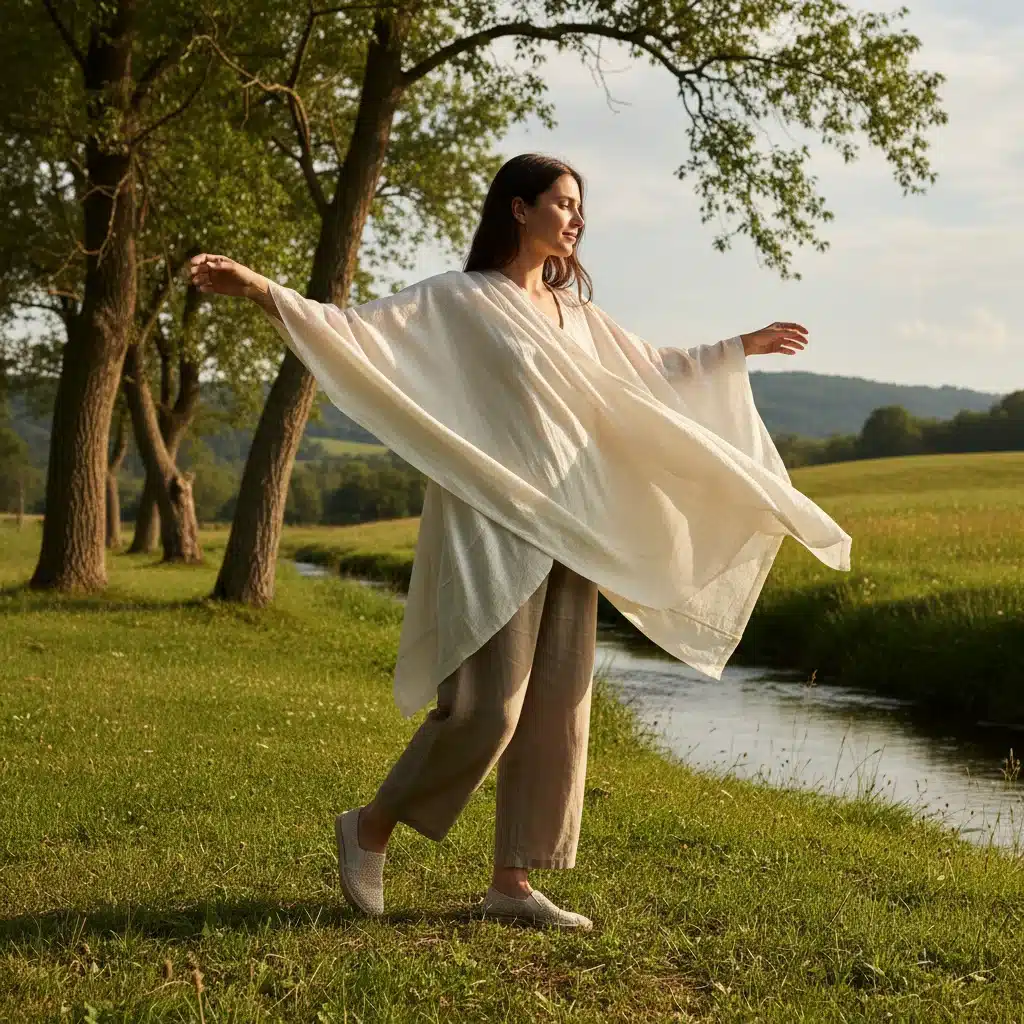
This trend is particularly appealing to those who seek a sophisticated yet approachable style that doesn’t scream for attention but rather exudes an inner confidence. It’s about finding beauty in subtlety and allowing the quality of the materials and the elegance of the drape to speak volumes. Soft Power Aesthetics stands as a testament to the idea that androgynous style trends can be both gentle and profoundly impactful, offering a refreshing alternative to more structured looks.
The Societal Impact and Future of Androgynous Fashion
The proliferation of these androgynous style trends in 2026 is more than just a fleeting moment in fashion; it reflects significant societal shifts towards greater inclusivity, self-expression, and a dismantling of traditional gender roles. Fashion, as a powerful cultural mirror, is increasingly reflecting a world where individuals are encouraged to define themselves on their own terms, rather than being confined by predefined categories.
Breaking Down Gender Barriers
One of the most profound impacts of androgynous fashion is its role in challenging and ultimately breaking down gender barriers. By offering clothing that is not explicitly designed for one gender, it provides a space for individuals to experiment, explore, and express their identity in ways that feel authentic to them. This has a ripple effect, influencing everything from retail store layouts (with more gender-neutral sections) to marketing campaigns that feature diverse models embodying a spectrum of gender expressions.
For many, particularly Gen Z and younger millennials, the concept of gender-specific clothing feels outdated and restrictive. They are driving the demand for fashion that is fluid, adaptable, and representative of their multifaceted identities. This demographic is actively seeking out brands that align with their values of inclusivity and authenticity, further accelerating the adoption of androgynous styles.
Sustainability and Versatility
Beyond gender inclusivity, these androgynous style trends also align with growing concerns for sustainability and conscious consumption. Gender-neutral garments often possess a timeless quality and greater versatility, encouraging consumers to invest in fewer, higher-quality pieces that can be worn in multiple ways and by anyone. This reduces the need for extensive, gender-segregated wardrobes and promotes a more sustainable approach to fashion.
The focus on durable materials in Utilitarian Chic, and the emphasis on natural, long-lasting fabrics in Soft Power Aesthetics, directly supports a move away from fast fashion. When clothing is designed to be shared, adapted, and cherished regardless of who wears it, its lifespan naturally extends, contributing to a more circular and environmentally friendly fashion ecosystem.
The Influence of Pop Culture and Social Media
The visibility of androgynous style trends is significantly amplified by pop culture and social media. Celebrities, influencers, and artists who confidently embrace gender-fluid fashion serve as powerful role models, normalizing and popularizing these aesthetics. From red carpets to everyday street style, seeing diverse representations of androgynous dressing encourages others to experiment and feel comfortable in their own skin.
Social media platforms, in particular, provide a fertile ground for these trends to flourish. Users share their unique interpretations of androgynous style, creating communities and fostering a sense of belonging for those who resonate with this fashion philosophy. This organic spread of ideas and inspiration is crucial for the continued growth and evolution of gender-neutral fashion.
Embracing the Future of Fashion
As we navigate 2026, the prominence of androgynous style trends underscores a pivotal moment in fashion history. These trends – Tailored Fluidity, Utilitarian Chic, and Soft Power Aesthetics – are not just about new silhouettes or fabric choices; they represent a fundamental shift in how we perceive and interact with clothing. They are an invitation to explore identity without boundaries, to prioritize comfort and authenticity, and to embrace a more inclusive and sustainable approach to personal style.
The beauty of these trends lies in their ability to cater to a diverse range of preferences and personalities. Whether you’re drawn to the sophisticated ease of an oversized blazer, the practical elegance of a boiler suit, or the gentle allure of draped fabrics, there’s a space within androgynous fashion for everyone. It’s about finding what resonates with you, regardless of traditional gendered expectations.
Moving forward, we can expect these trends to continue evolving, pushing the boundaries of creativity and challenging the industry to be even more inclusive. Designers will undoubtedly continue to innovate, offering fresh interpretations and expanding the possibilities of gender-neutral apparel. For consumers, this means more choices, more freedom, and ultimately, a more authentic and empowering relationship with their wardrobe.
In conclusion, the rise of androgynous style trends in 2026 is a clear indicator that fashion is becoming a more democratic and expressive art form. It’s a celebration of individuality, a rejection of outdated norms, and a joyful embrace of a future where clothing truly knows no gender.