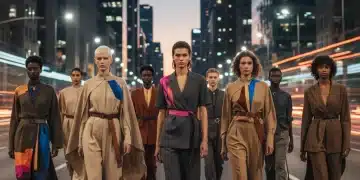
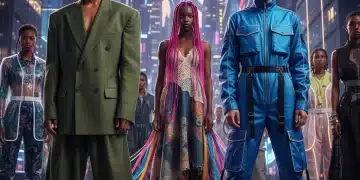
Menswear Momentum: 6 Defining Trends Reshaping Male Fashion in the US for the Next 12 Months
The landscape of men’s fashion in the United States is in a constant state of evolution, driven by a confluence of cultural shifts, technological advancements, and a growing emphasis on individuality and conscious consumption. As we look ahead to the next 12 months, several defining menswear trends US are poised to reshape how American men dress, influencing everything from daily wear to formal occasions. Understanding these trends isn’t just about staying stylish; it’s about recognizing the broader societal currents that fashion reflects and, in turn, helps to shape.
Gone are the days when menswear was a rigid, unchanging entity. Today, it’s a dynamic arena where comfort meets sophistication, tradition blends with innovation, and personal expression takes center stage. From the increasing demand for sustainable practices to the blurring lines of gendered clothing, the upcoming year promises an exciting array of styles that cater to a more informed, diverse, and adventurous male consumer. This comprehensive guide will delve into the six most significant menswear trends expected to dominate the American market, offering insights into their origins, their manifestations, and how men can seamlessly integrate them into their wardrobes.
1. The Rise of Sustainable and Ethical Menswear
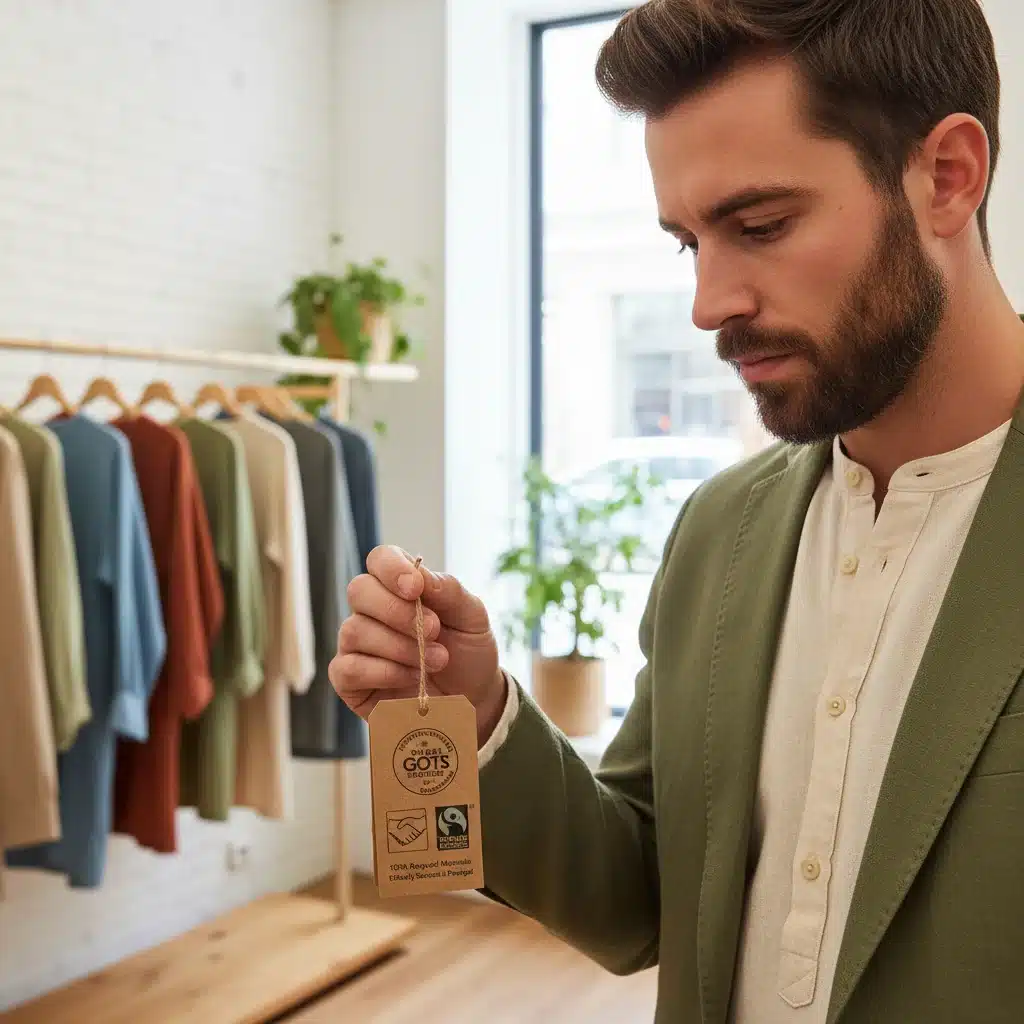
The conversation around sustainability has moved from niche concern to mainstream imperative, and nowhere is this more evident than in the fashion industry. For the next 12 months, sustainable and ethical menswear will not just be a trend but a fundamental expectation for a growing segment of consumers in the US. This movement encompasses a wide range of practices, from the use of eco-friendly materials to transparent supply chains and fair labor practices. Men are increasingly scrutinizing where and how their clothes are made, seeking brands that align with their values.
This trend is driven by heightened environmental awareness and a desire for products that last longer and have a lower ecological footprint. Expect to see a surge in garments made from organic cotton, recycled polyester, hemp, linen, and innovative new materials derived from plant-based sources. Brands are also focusing on circular fashion models, offering repair services, take-back programs, and designing for longevity to minimize waste. The aesthetic associated with sustainable menswear often leans towards timeless, versatile pieces that transcend fleeting fads, emphasizing quality over quantity. This focus on durability and classic design inherently contributes to a more sustainable wardrobe, reducing the need for frequent replacements. Furthermore, ethical production – ensuring fair wages and safe working conditions for garment workers – is becoming a key differentiator for brands hoping to connect with conscious consumers. The narrative around sustainability is also shifting from guilt-tripping to empowering, encouraging men to make informed choices that reflect their personal commitment to a better future. This makes sustainable fashion not just a responsible choice but a statement of modern values, deeply impacting menswear trends US.
Advertisements
2. Elevated Comfort: The Evolution of Casualwear
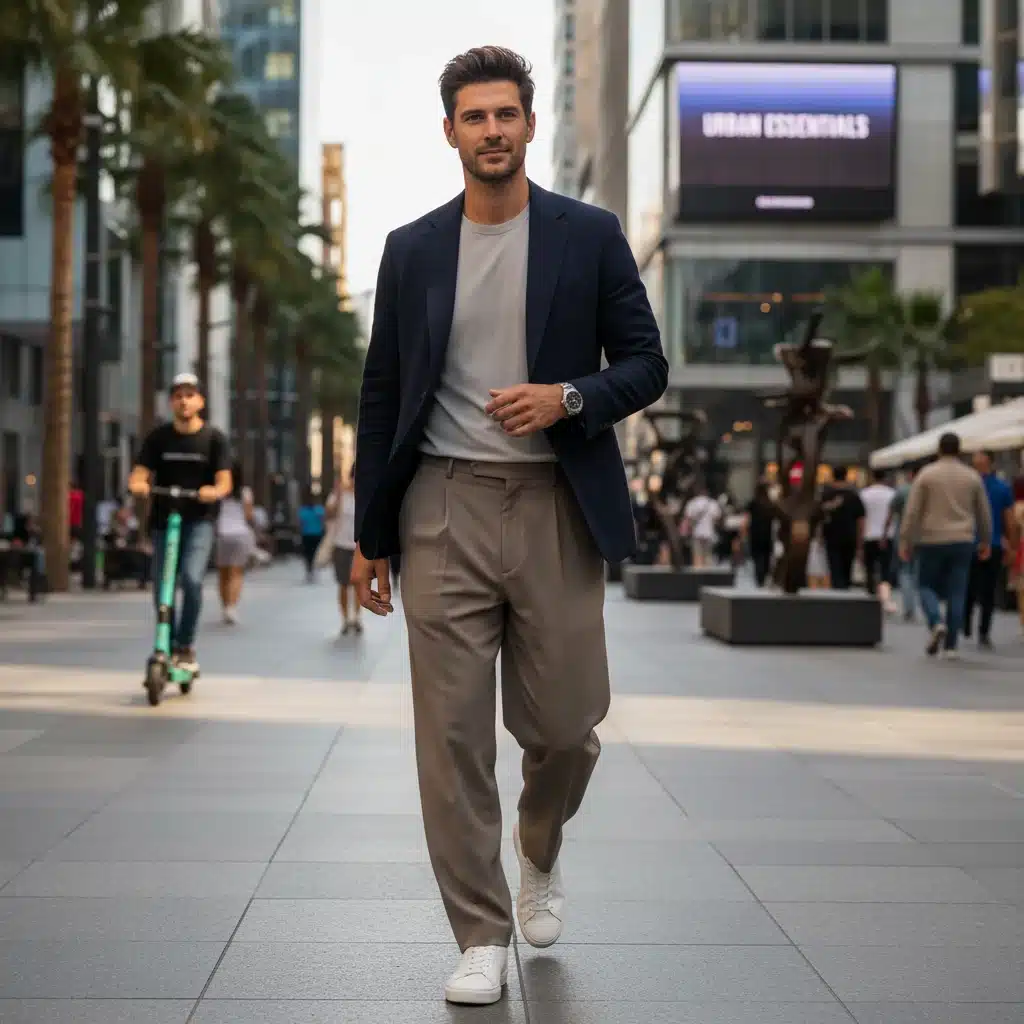
The pandemic irrevocably altered our relationship with clothing, pushing comfort to the forefront of fashion considerations. However, as we move forward, "comfort" no longer equates to sloppy. The next big menswear trend US is elevated comfort – a sophisticated fusion of relaxed silhouettes, luxurious fabrics, and refined styling that makes casualwear appropriate for a wider range of occasions. Think less sweatpants for the office, and more tailored joggers, relaxed-fit trousers, and soft, unstructured blazers.
This trend is characterized by an emphasis on natural fibers like merino wool, cashmere blends, and high-quality cottons that feel good against the skin while still presenting a polished appearance. Silhouettes are looser but not oversized, offering freedom of movement without sacrificing structure. Drawstring waists, elasticated cuffs, and relaxed shoulders are common features. The color palette often leans towards muted neutrals – greys, beiges, navies, and olives – which contribute to the versatility and timelessness of these pieces. Accessories play a crucial role in elevating these comfortable ensembles, with premium sneakers, minimalist leather goods, and subtle jewelry completing the look. This isn’t just about dressing down; it’s about dressing smarter and more comfortably without compromising on style or professionalism. The boundaries between formal and informal continue to blur, allowing men to transition seamlessly from a casual workday to an evening out, all while maintaining an air of effortless sophistication. This movement is a direct response to a desire for clothing that supports a dynamic lifestyle, reflecting a broader shift in how men perceive and utilize their wardrobes.
3. Gender-Fluid and Androgynous Styles
One of the most exciting and transformative menswear trends US for the next 12 months is the continued rise of gender-fluid androgynous styles. This trend challenges traditional notions of masculinity and femininity in clothing, encouraging men to explore a broader spectrum of aesthetics previously confined to women’s wear. It’s about breaking free from prescriptive gender norms and embracing personal expression, regardless of conventional boundaries.
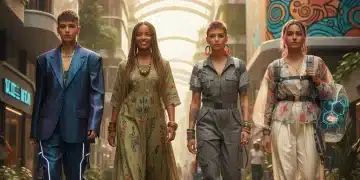
This manifests in several ways: the adoption of traditionally ‘feminine’ silhouettes and fabrics, such as flowing trousers, skirts (especially pleated or kilt-inspired designs), soft silks, and delicate lace details. Oversized blazers, wide-leg pants, and tunic-style shirts become universal garments, shedding their gendered associations. Color palettes are also expanding beyond typical masculine hues, incorporating pastels, vibrant brights, and intricate patterns. Furthermore, jewelry and accessories, once a subtle element in menswear, are becoming bolder and more expressive, with pearls, statement necklaces, and rings gaining prominence. This trend is not about erasing gender but about expanding the possibilities of self-presentation for men. It reflects a growing societal acceptance of diverse identities and a rejection of rigid sartorial rules. Designers are increasingly creating collections that are designed to be worn by anyone, focusing on fit, fabric, and form rather than gendered marketing. This cultural shift allows men to experiment with their personal style in ways that were once unthinkable, fostering a more inclusive and creative fashion environment. The influence of celebrities and social media figures who champion these styles further accelerates their adoption, making gender-fluid fashion an undeniable force in contemporary menswear.
4. Utility and Techwear Integration
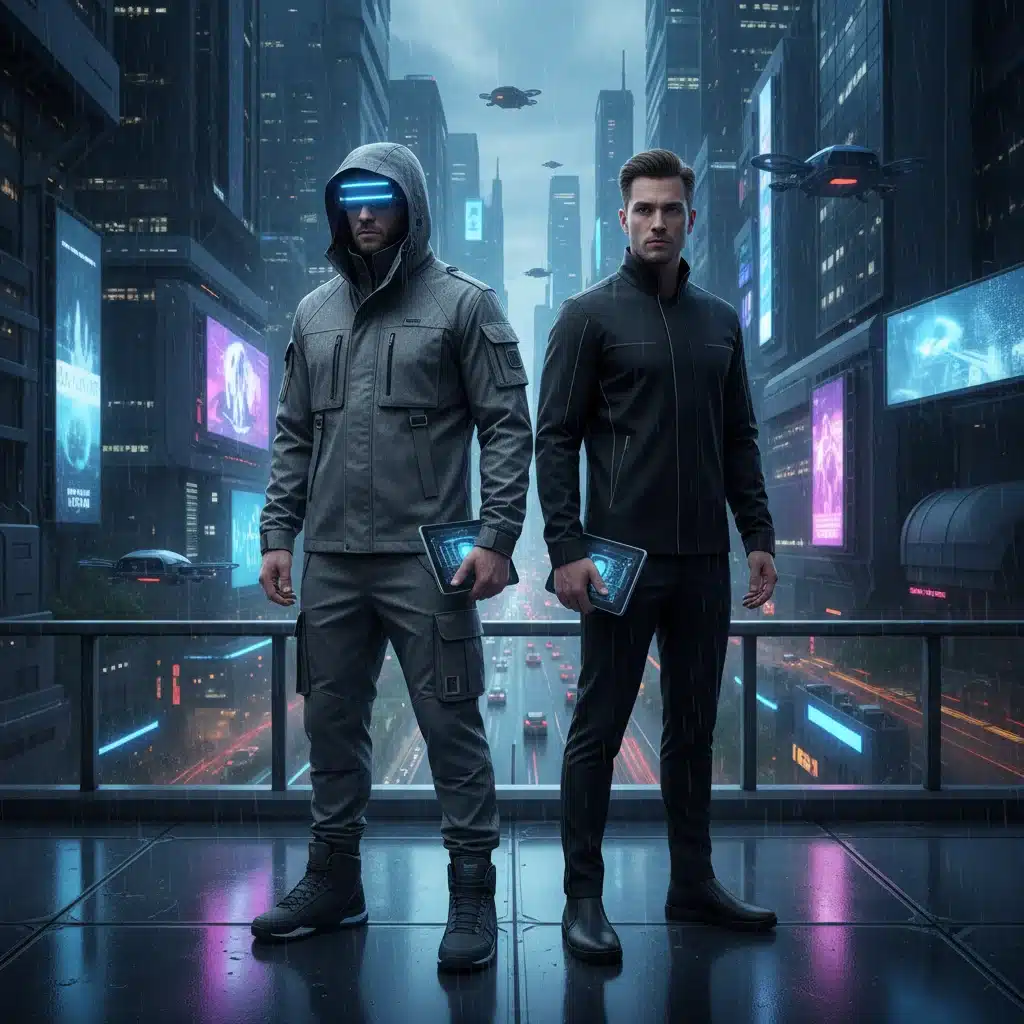
Functionality meets futuristic aesthetics in the burgeoning menswear trend US of utility and techwear. This style is rooted in practicality, durability, and innovative design, drawing inspiration from military, workwear, and outdoor gear, but elevating it with advanced materials and sleek, often minimalist, aesthetics. For the next year, expect to see an even deeper integration of these elements into everyday menswear.
Key characteristics include multiple pockets, adjustable straps, water-resistant or waterproof fabrics, and modular designs. Think cargo pants reimagined in technical fabrics, jackets with hidden compartments, and versatile vests that can be layered for different climates. The color palette often features muted tones like black, grey, olive green, and navy, occasionally punctuated by pops of neon or reflective details for visibility and a futuristic edge. Materials like Gore-Tex, ripstop nylon, and various performance blends are central to this trend, offering comfort, protection, and longevity. Beyond pure functionality, techwear also embodies a certain urban cool, appealing to men who appreciate innovation and a cutting-edge aesthetic. It’s about clothing that can adapt to various environments – from the urban jungle to outdoor adventures – without compromising on style. The rise of smart clothing and wearable technology also plays into this trend, with designers exploring ways to integrate electronics seamlessly into garments. This trend speaks to a desire for clothing that not only looks good but actively enhances one’s daily life through its intelligent design and material science. It represents a forward-thinking approach to dressing, where form and function are in perfect harmony, making it a powerful force among current menswear trends US.
5. The Return of Classic Tailoring, Reimagined
While comfort and casualization have been dominant, the next 12 months will also witness a significant resurgence of classic tailoring, but with a modern twist. This isn’t your grandfather’s suit; it’s a reinterpretation that embraces relaxed fits, softer constructions, and versatile styling. The emphasis is on quality craftsmanship, luxurious fabrics, and pieces that can be mixed and matched to create both formal and smart-casual ensembles. This revitalized approach to tailoring is a key menswear trend US.
Expect to see suits with broader shoulders, wider lapels, and more relaxed trouser cuts – moving away from the ultra-slim silhouettes of the past decade. Double-breasted jackets are making a strong comeback, often worn unbuttoned for a more effortless vibe. Fabrics like linen, seersucker, and lightweight wool blends will be popular for their comfort and drape, especially in warmer climates. The color palette expands beyond traditional navies and greys to include earthy tones, subtle checks, and even bolder pastels for spring/summer. Crucially, this reimagined tailoring is about versatility. A well-cut blazer can be paired with tailored trousers for a formal look, or dressed down with jeans and sneakers for a smart-casual outfit. Waistcoats are also seeing a revival, worn both as part of a three-piece suit or as a standalone layering piece. The focus is on investing in high-quality, foundational pieces that offer longevity and adaptability, reflecting a more considered approach to wardrobe building. This trend is a nod to timeless elegance but updated for the contemporary man who values both tradition and personal comfort. It’s about appreciating the artistry of tailoring while making it relevant and wearable for today’s diverse lifestyles, truly defining the evolution of menswear trends US.
6. Bold Patterns and Expressive Colors
Breaking away from minimalist aesthetics, the upcoming year will see a vibrant infusion of bold patterns and expressive colors into menswear trends US. This trend is a celebration of individuality and joy, encouraging men to step out of their comfort zones and embrace more playful and eye-catching sartorial choices. It reflects a post-pandemic desire for optimism and self-expression through clothing.
Expect to see a proliferation of geometric prints, abstract designs, floral motifs, and updated takes on classic patterns like stripes and plaids. These patterns will appear on everything from shirts and knitwear to trousers and outerwear. The colors will be equally impactful – think saturated jewel tones, vibrant primary colors, and unexpected color combinations. While some men might opt for a single statement piece, others will embrace head-to-toe patterned or color-blocked looks, demonstrating a growing confidence in their personal style. This trend is not about being flashy for the sake of it, but about using color and pattern as a deliberate form of communication. It allows men to convey personality, mood, and creativity without uttering a word. The integration of these bold elements can be subtle, like a patterned pocket square or a colorful accessory, or more overt, such as a Hawaiian shirt or a brightly colored suit. The key is balance and intentionality. Brands are responding by offering a wider array of options that cater to different levels of adventurousness, ensuring there’s something for everyone to experiment with. This shift towards more expressive fashion signals a departure from monochromatic uniformity, inviting men to inject more fun and character into their wardrobes, making it a significant highlight in menswear trends US.
The Broader Impact of Menswear Trends US
These six defining menswear trends US are not isolated phenomena; they are interconnected, reflecting broader cultural and societal shifts. The emphasis on sustainability speaks to a collective environmental consciousness. Elevated comfort acknowledges our changing work-life dynamics. Gender-fluid styles champion inclusivity and personal freedom. Utility and techwear underscore our reliance on innovation and functionality. Reimagined tailoring respects tradition while adapting to modern sensibilities. And finally, bold patterns and expressive colors celebrate individuality and optimism in a complex world.
For brands and retailers, understanding these trends is crucial for staying competitive and relevant. It means investing in ethical supply chains, designing versatile and durable garments, and actively promoting inclusivity in their marketing. For the American man, these trends offer an exciting opportunity for self-discovery and sartorial evolution. It’s an invitation to experiment, to break free from old conventions, and to build a wardrobe that truly reflects who he is and who he aspires to be.
The next 12 months will undoubtedly be a period of significant transformation in men’s fashion. As these trends take hold, they will not only influence what men wear but also how they perceive fashion’s role in their lives. From conscious consumption to fearless self-expression, the future of menswear in the US is bright, diverse, and deeply personal. Embrace these changes, and let your style tell your unique story.
Conclusion: Shaping the Future of Male Fashion
The dynamic evolution of menswear trends US continues to captivate and inspire. We’ve explored six pivotal movements that are set to redefine male fashion in the coming year, each reflecting deeper societal values and individual aspirations. From the foundational shift towards sustainable and ethical practices, demonstrating a collective environmental conscience, to the innovative blend of comfort and sophistication in elevated casualwear, men’s wardrobes are becoming more thoughtful and adaptable.
The breaking down of traditional barriers through gender-fluid androgynous styles empowers men to express themselves with unprecedented freedom, while the integration of utility and techwear speaks to a desire for clothing that is both smart and functional. The return of classic tailoring, reimagined for the modern era, showcases a respect for heritage combined with a demand for contemporary relevance. Lastly, the embrace of bold patterns and expressive colors signifies a joyful resurgence of individuality and confidence in personal style.
These trends collectively paint a picture of a more conscious, comfortable, and creatively expressive male consumer. The American man is increasingly looking for clothing that not only looks good but also aligns with his values, supports his lifestyle, and allows him to stand out authentically. As brands continue to innovate and respond to these evolving demands, the menswear landscape will undoubtedly become richer and more diverse.
Staying informed about these shifts is more than just a matter of fashion – it’s about understanding the cultural pulse and being prepared to navigate the sartorial future. Whether you’re a designer, a retailer, or simply a man interested in refining your personal style, these menswear trends US offer a roadmap to the exciting developments ahead. Embrace the change, experiment with new aesthetics, and discover how these defining trends can elevate your wardrobe and empower your self-expression for the next 12 months and beyond.