The Top 5 Emerging Fashion Aesthetics Dominating US Trends in Early 2026: An Insider Analysis
The Top 5 Emerging Fashion Aesthetics Dominating US Trends in Early 2026: An Insider Analysis
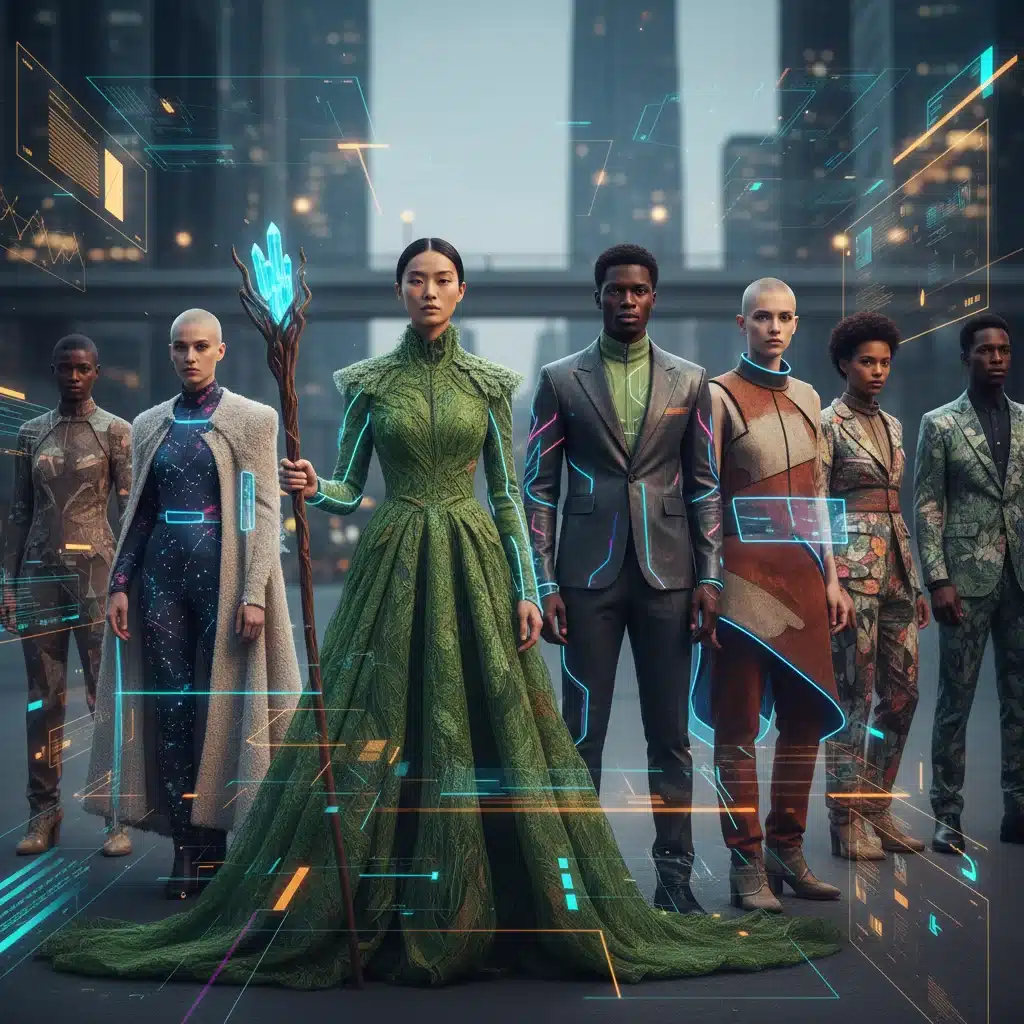
The fashion landscape is a constantly evolving tapestry, woven with threads of innovation, cultural shifts, and individual expression. As we hurtle towards early 2026, a fascinating array of new and redefined emerging fashion aesthetics are poised to capture the imagination of the US market. Understanding these trends is not just about staying stylish; it’s about anticipating the zeitgeist, identifying consumer desires, and shaping the future of personal and collective style. From the pragmatic to the poetic, the digital to the deeply rooted in nature, these five aesthetics offer a compelling glimpse into what will define wardrobes across America.
The fashion cycle, once dictated by a few major houses, has diversified dramatically. Social media, global accessibility to diverse cultures, and a heightened awareness of sustainability and personal comfort have all contributed to a more fluid and democratic trend-setting environment. This analysis delves deep into the specific characteristics, cultural underpinnings, and projected impact of the top five emerging fashion aesthetics that will dominate early 2026. Prepare to redefine your understanding of style.
1. Neo-Utility: Functionality Meets Futuristic Flair
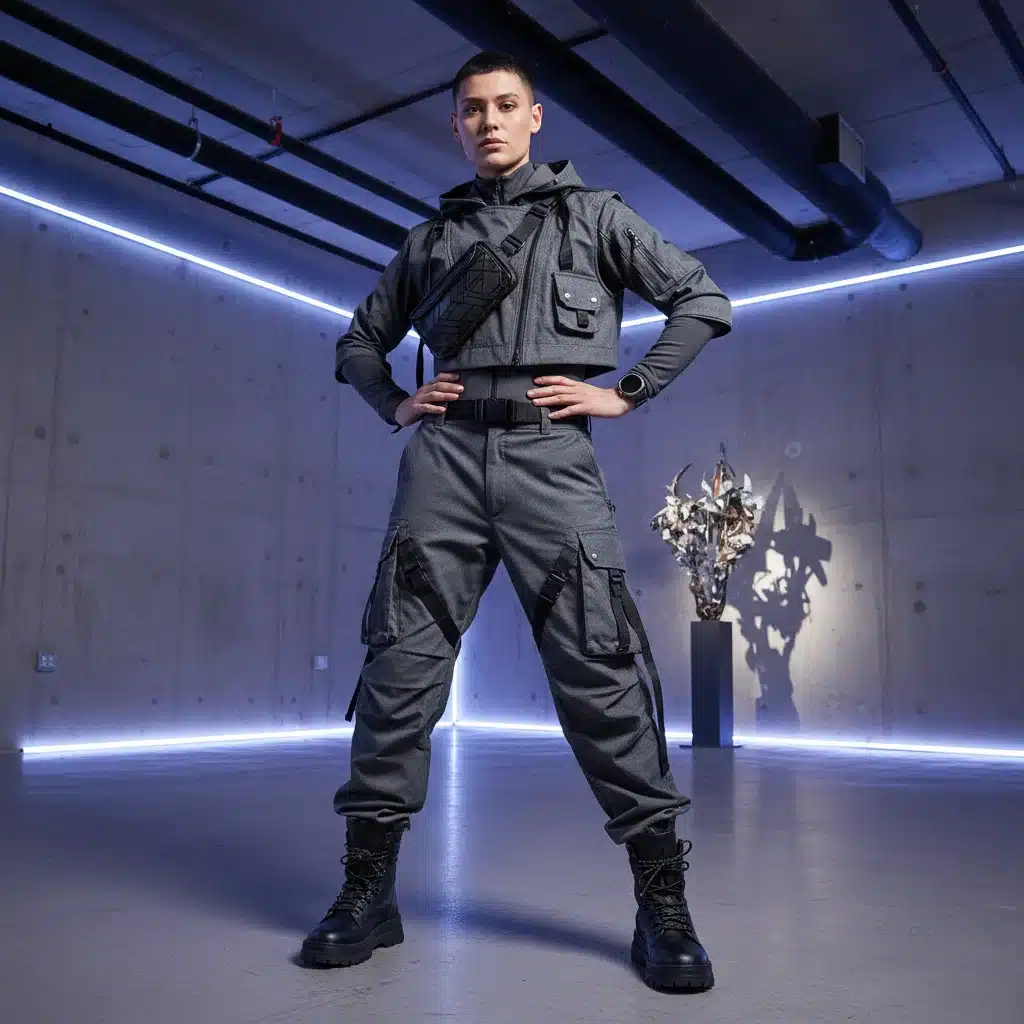
The concept of utility in fashion is far from new, but ‘Neo-Utility’ takes it to an entirely different level. This emerging fashion aesthetic is a direct response to a world that demands more from our clothing than just aesthetics. It’s about intelligent design, multi-functional garments, and an almost architectural approach to dressing. Think technical fabrics that are breathable, waterproof, and durable, seamlessly integrated with smart pockets, adjustable straps, and modular components.
Advertisements
In early 2026, Neo-Utility will manifest in garments that are not only practical but also possess a sleek, futuristic edge. Colors will gravitate towards muted, earthy tones—khakis, olives, grays, and blacks—often punctuated by subtle pops of neon or reflective materials. Silhouettes will be structured yet comfortable, allowing for ease of movement. This isn’t your grandfather’s workwear; it’s an evolution for the modern urban explorer, the digital creative, and anyone who values efficiency without sacrificing style. The rise of hybrid work models and the increasing popularity of outdoor activities have fueled the demand for clothing that can transition effortlessly between different environments and purposes. Brands focusing on innovative material science and ergonomic design will be at the forefront of this trend.
Key elements of Neo-Utility include:
- Technical Fabrics: Gore-Tex, ripstop nylon, recycled polyester, and smart textiles that adapt to temperature changes.
- Modular Design: Detachable elements like hoods, sleeves, or pockets that allow for customization and adaptability.
- Strategic Pockets: Thoughtfully placed and often hidden pockets for devices, cards, and other essentials.
- Adjustable Features: Drawstrings, buckles, and toggles that allow for a personalized fit and silhouette.
- Minimalist Hardware: Matte black zippers, subtle clasps, and discreet branding.
The appeal of Neo-Utility lies in its promise of preparedness and effortless cool. It speaks to a generation that values practicality, sustainability through longevity, and a subtle nod to a technologically advanced future. Expect to see this emerging fashion aesthetic influencing everything from outerwear to everyday essentials, making its mark as a foundational pillar of early 2026 style.
2. Eco-Chic: Sustainable Sophistication Redefined
Sustainability has moved beyond a niche concern to become a core value for a significant portion of consumers. ‘Eco-Chic’ is the emerging fashion aesthetic that elevates ethical consumption to an art form, proving that responsible fashion can be utterly luxurious and undeniably stylish. This trend isn’t just about using organic cotton; it encompasses a holistic approach to clothing, from sourcing and production to lifespan and end-of-life considerations.
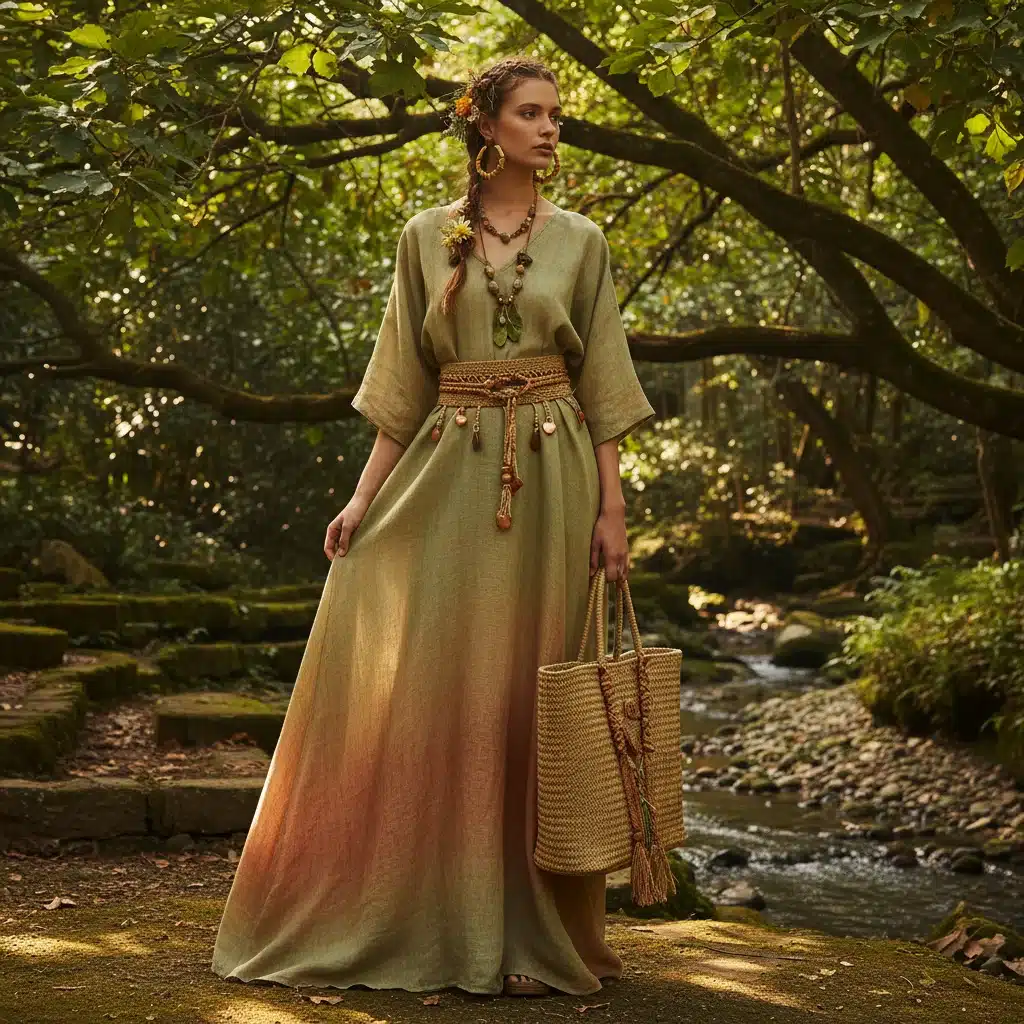
In early 2026, Eco-Chic will be characterized by natural fibers, artisanal craftsmanship, and a color palette inspired directly by the earth. Think rich terracottas, serene blues, deep forest greens, and sun-bleached neutrals. Silhouettes will be flowing, comfortable, and often oversized, emphasizing natural drape and ease. There’s a deliberate move away from fast fashion’s fleeting trends towards timeless pieces designed to be cherished and repaired. The narrative behind each garment becomes as important as its aesthetic appeal, with consumers seeking transparency and stories of ethical production.
The rise of upcycling, repurposing, and circular design principles are central to Eco-Chic. Designers are increasingly exploring innovative materials like mushroom leather, pineapple fibers, and lab-grown silks, pushing the boundaries of what sustainable fashion can achieve. This emerging fashion aesthetic resonates deeply with consumers who are environmentally conscious and seek to express their values through their wardrobe. It’s a rejection of disposability and an embrace of thoughtful, enduring beauty.
Hallmarks of Eco-Chic include:
- Natural & Recycled Materials: Organic cotton, linen, hemp, Tencel, recycled wool, and innovative bio-based fabrics.
- Artisanal Details: Hand-embroidery, natural dyes, woven textures, and traditional craft techniques.
- Timeless Silhouettes: Loose-fitting dresses, wide-leg trousers, tailored blazers, and versatile separates.
- Minimalist Design Philosophy: Clean lines, understated elegance, and a focus on quality over quantity.
- Ethical Production: Fair trade certifications, transparent supply chains, and a commitment to reducing environmental impact.
Eco-Chic is more than a trend; it’s a movement towards a more conscious and respectful relationship with fashion. Its growing influence in early 2026 will signify a significant shift in consumer priorities, proving that style and sustainability are not mutually exclusive but rather inextricably linked.
3. Digital Nomad: Seamless Style for a Borderless Life
The ‘Digital Nomad’ emerging fashion aesthetic is born from the blurring lines between work and leisure, home and away. As remote work becomes more prevalent and global travel more accessible, there’s a growing need for a wardrobe that can adapt to diverse climates, cultures, and contexts without compromising on professionalism or personal style. This aesthetic is all about versatility, packability, and effortless chic.
In early 2026, Digital Nomad fashion will prioritize lightweight, wrinkle-resistant fabrics that are easy to care for. Think merino wool, performance synthetics, and blended materials that offer both comfort and durability. The color palette will be versatile and cohesive, allowing for easy mixing and matching—neutrals like beige, navy, charcoal, and white form the foundation, often complemented by travel-inspired accent colors. Silhouettes will be relaxed but refined, with an emphasis on layering and transitional pieces.
The core principle of this emerging fashion aesthetic is efficiency. Every item in the wardrobe must earn its place, offering multiple styling options and performing well across various scenarios. This includes smart accessories that serve a purpose beyond aesthetics, such as convertible bags, comfortable yet stylish footwear, and packable outerwear. The Digital Nomad isn’t just about looking good; it’s about feeling prepared and comfortable, whether they’re taking a video call from a beach cafe or exploring a new city street.
Key components of the Digital Nomad wardrobe:
- Wrinkle-Resistant Fabrics: Travel-friendly materials that maintain their shape and appearance.
- Layering Pieces: Versatile tops, cardigans, and light jackets that can be added or removed as needed.
- Comfortable Footwear: Stylish sneakers, loafers, and sandals that offer support for extended wear.
- Convertible Garments: Items that can be worn in multiple ways, like a dress that doubles as a skirt or a scarf that becomes a wrap.
- Compact & Lightweight: Clothing designed to take up minimal space and weight in luggage.
The Digital Nomad aesthetic is a testament to a lifestyle choice, reflecting a desire for freedom, flexibility, and a streamlined existence. Its influence in early 2026 will underscore the growing importance of functional elegance in a world that is increasingly mobile and interconnected.
4. Vintage Remix: A Modern Take on Nostalgia
Nostalgia is a powerful force, and ‘Vintage Remix’ is the emerging fashion aesthetic that harnesses its energy for early 2026. This trend is not about simply replicating past styles, but rather about thoughtfully curating and reinterpreting elements from different eras to create something fresh and uniquely personal. It’s a celebration of individuality, storytelling, and the enduring appeal of quality craftsmanship from bygone decades.
In early 2026, Vintage Remix will see a playful fusion of silhouettes, patterns, and textures from the 70s, 80s, and 90s, often with a contemporary twist. Think high-waisted wide-leg trousers from the 70s paired with a structured blazer from the 80s and a modern minimalist top. Or a delicate lace camisole from the 90s styled with a chunky knit cardigan and contemporary denim. The key is balance and intentionality, avoiding a costume-like appearance by grounding vintage pieces with modern staples.
Thrifting, upcycling, and supporting independent vintage sellers are integral to this emerging fashion aesthetic. It’s a sustainable approach to fashion that encourages creativity and personal expression, moving away from mass-produced uniformity. The narrative of a pre-loved garment adds depth and character, making each outfit a unique statement. Social media platforms will continue to be a significant driver, with influencers showcasing innovative ways to blend old and new, inspiring a new generation to explore the rich history of fashion.
Elements defining Vintage Remix include:
- Eclectic Mix & Match: Combining pieces from different decades (e.g., 70s prints with 90s denim).
- Statement Vintage Pieces: A single, well-chosen vintage item (e.g., a leather jacket, a patterned skirt) as the focal point.
- Contemporary Grounding: Pairing vintage finds with modern basics to ensure wearability and relevance.
- Sustainability through Reuse: Emphasizing second-hand shopping and extending the life cycle of clothing.
- Personalized Styling: Encouraging individual interpretation and creative expression through unique combinations.
Vintage Remix is a testament to the cyclical nature of fashion, reimagined for a conscious and creative consumer. Its prominence in early 2026 will highlight a desire for authenticity, individuality, and a more sustainable approach to building a wardrobe.
5. Comfort Core: Elevated Loungewear for Everyday Life
The pandemic undeniably accelerated the embrace of comfort in fashion, and ‘Comfort Core’ is the refined, enduring evolution of that trend. This emerging fashion aesthetic for early 2026 isn’t about sacrificing style for comfort; it’s about elevating everyday loungewear and casual pieces into sophisticated, polished ensembles that are suitable for a wider range of occasions.
Comfort Core will feature luxurious fabrics that feel incredible against the skin—think cashmere blends, organic cottons, soft silks, and refined knits. The color palette will be serene and inviting, dominated by soft neutrals, pastels, and monochromatic schemes that exude an understated elegance. Silhouettes will be relaxed, often oversized, but always with a deliberate structure or tailoring that prevents them from looking sloppy. It’s about feeling as good as you look, effortlessly.
This emerging fashion aesthetic reflects a permanent shift in how we perceive dressing. The boundaries between home wear, office wear, and casual outings have blurred, leading to a demand for versatile pieces that can effortlessly transition. From perfectly tailored sweatpants paired with a cashmere sweater to an elegant knit dress worn with stylish sneakers, Comfort Core prioritizes well-being and ease without compromising on a chic aesthetic. It’s about investing in high-quality, comfortable staples that form the foundation of a modern, relaxed wardrobe.
Distinguishing features of Comfort Core:
- Premium Fabrics: High-quality knits, luxurious cottons, cashmere, silk blends, and soft modal.
- Relaxed Silhouettes: Loose-fitting trousers, oversized sweaters, relaxed-fit dresses, and soft tailoring.
- Monochromatic & Neutral Palettes: Tonal dressing in creams, grays, browns, and soft pastels for a sophisticated look.
- Thoughtful Details: Subtle textures, refined finishes, and minimalist hardware that elevate simple designs.
- Versatile Styling: Pieces that can be dressed up or down, easily transitioning from home to social settings.
Comfort Core is more than just a passing fad; it’s a lifestyle choice that prioritizes well-being and effortless elegance. Its dominance in early 2026 will cement the idea that comfort and style can, and should, coexist harmoniously.
The Interplay of Emerging Fashion Aesthetics
While each of these emerging fashion aesthetics has its distinct characteristics, it’s crucial to recognize their potential for interplay and cross-pollination. Fashion rarely exists in isolation, and the most compelling styles often emerge from the unexpected fusion of different influences. For instance, elements of Neo-Utility’s technical fabrics could be integrated into Eco-Chic designs to create sustainable performance wear. A Digital Nomad might incorporate a Vintage Remix statement piece to add personality to their highly functional travel wardrobe. Comfort Core’s emphasis on luxurious fabrics and relaxed silhouettes could easily inform the underlying comfort of all other aesthetics.
The beauty of the fashion landscape in early 2026 lies in its fluidity and the freedom it offers for individual expression. Consumers are becoming increasingly adept at curating their personal style by drawing inspiration from multiple sources, rather than strictly adhering to a single aesthetic. This hybridization is a hallmark of modern fashion, reflecting a world that is interconnected and diverse. The rise of these emerging fashion aesthetics signifies a deeper cultural shift towards conscious consumption, personal well-being, and a desire for clothing that genuinely serves our multifaceted lives.
Impact on the Fashion Industry and Consumers
The dominance of these emerging fashion aesthetics will have significant repercussions for both the fashion industry and consumers alike. For brands, it signals a continued need for innovation in sustainable materials, ethical production practices, and versatile design. Companies that can authentically integrate these values into their core offerings will thrive. Furthermore, the emphasis on longevity, quality, and timelessness within many of these aesthetics will challenge the traditional fast-fashion model, pushing brands towards more thoughtful production cycles and consumer engagement strategies.
For consumers, these trends offer an exciting opportunity to refine and personalize their wardrobes. The focus on comfort, functionality, and sustainability empowers individuals to make more informed and responsible choices. It encourages a move away from impulse buying towards investing in pieces that are meaningful, durable, and reflective of one’s values. The blending of styles also fosters creativity, allowing for unique interpretations and expressions of personal identity through clothing.
The digital realm will continue to play a pivotal role in the dissemination and evolution of these aesthetics. Social media platforms, virtual try-on technologies, and AI-driven personalization tools will enable consumers to discover, experiment with, and adapt these trends in ways previously unimaginable. The feedback loop between creators, influencers, and consumers will accelerate, making the fashion cycle more dynamic and responsive.
Conclusion: A Future of Conscious and Creative Style
As we look ahead to early 2026, the landscape of US fashion is shaping up to be one of profound change and exciting possibilities. The five emerging fashion aesthetics—Neo-Utility, Eco-Chic, Digital Nomad, Vintage Remix, and Comfort Core—each offer a unique lens through which to view the future of style. They collectively speak to a consumer base that is more discerning, more environmentally aware, and more focused on personal well-being than ever before.
These trends are not merely about what we wear, but why we wear it. They reflect deeper societal values: a desire for preparedness and efficiency, a commitment to environmental stewardship, the freedom of a mobile lifestyle, an appreciation for history and individuality, and an unwavering demand for comfort. By understanding and embracing these emerging fashion aesthetics, both the industry and individuals can navigate the future of style with confidence, creativity, and a conscious approach.
The fashion of early 2026 promises to be a thoughtful blend of innovation and introspection, where functionality meets flair, and sustainability intertwines with sophistication. It’s a future where personal style is not just a statement, but a reflection of a life well-lived and consciously chosen.